
Gidobada Elementary School: From Struggle to Transformation

For more than two decades, Gidobada Elementary School in Gidobada Village, Rigo District, Central Province, has stood as a symbol of determination in the face of hardship. With limited resources and little external support, teachers and students have continued to show up each day, driven by a shared belief that education is a right, not a privilege.
For Mr. Huau Sere Raka, Senior Teacher at Gidobada Elementary, this belief has shaped his life.
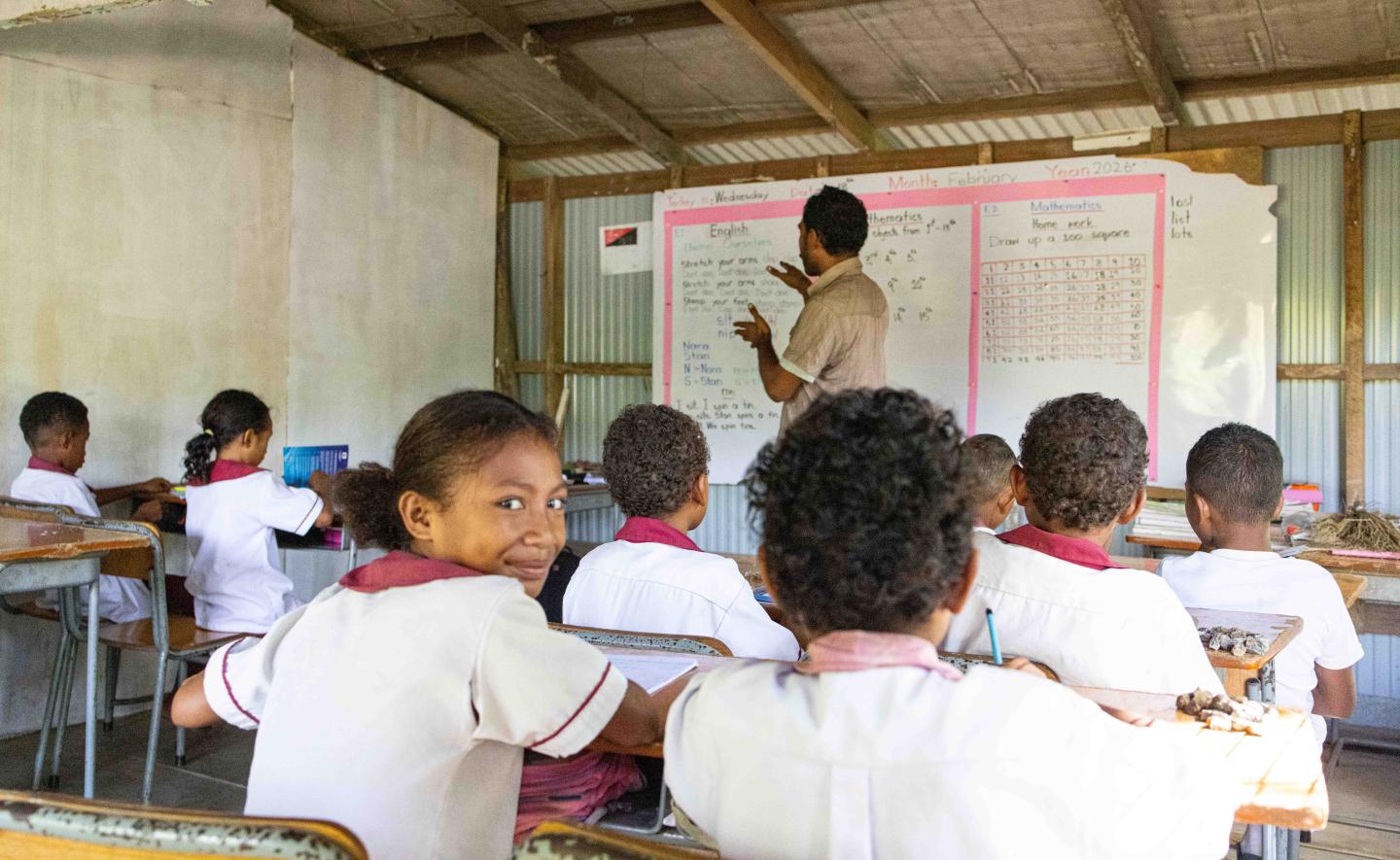
“I am from Gidobada Village, and this is my 16th year teaching at this school. I am proud to be here,” he says.
Gidobada Elementary has three classes and only two teachers. Mr. Raka teaches Elementary 1 (E1) and Elementary 2 (E2), while the Head Teacher, Mrs. Daisy Lega, teaches the Elementary Prep (EP) class. Student numbers are small, but commitment is strong.
“Whether the class is big or small, I continue to teach,” Mr. Raka explains.
“The children never make me give up, because it is their right to be educated.”
The school was established in 1997, the same year Mr. Raka first walked through its doors, not as a teacher, but as a student. Years later, he returned to serve the very community that raised him.
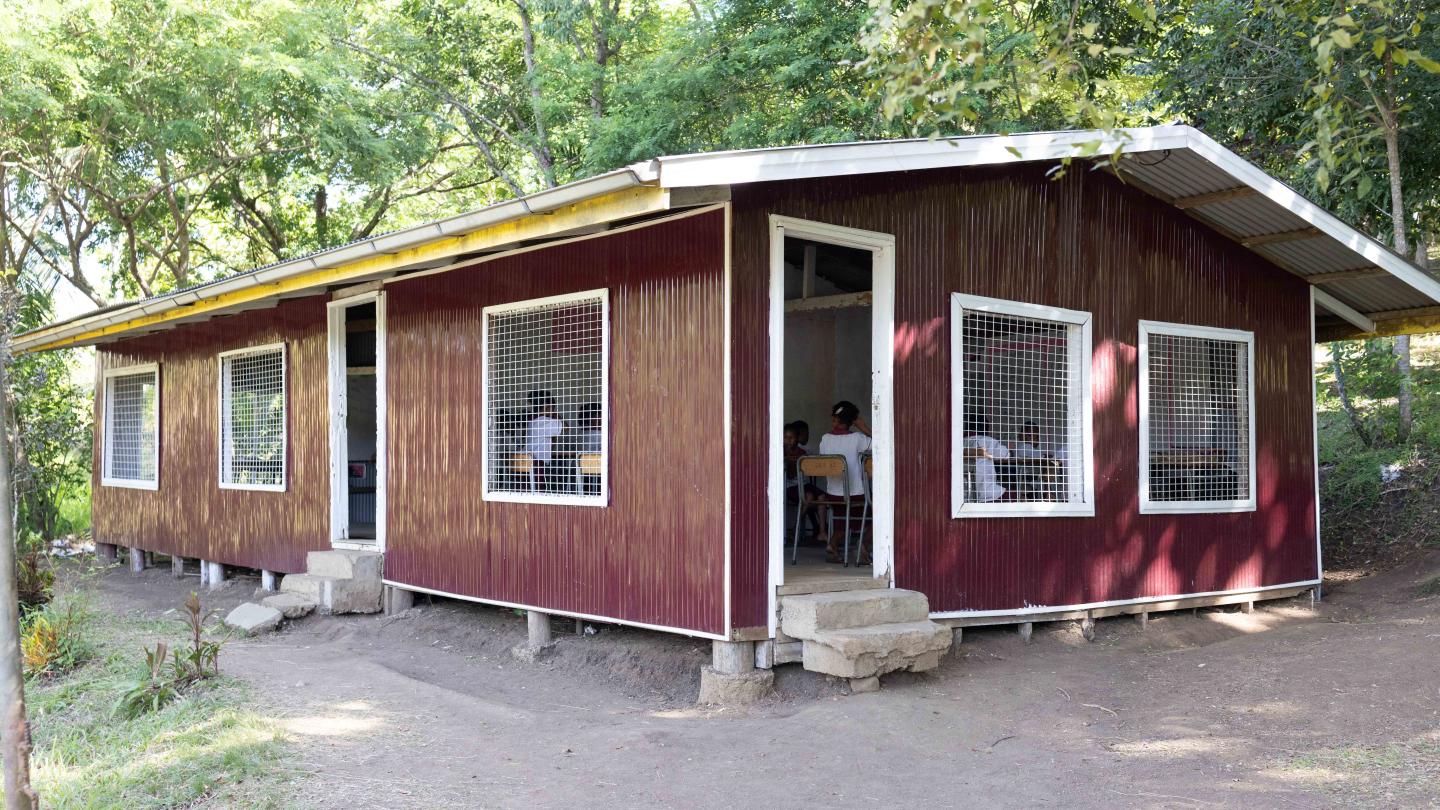
However, progress was slow. Apart from a government Tuition Fee Free (TFF) upgrade in 2011, the school received no infrastructure support for more than a decade.
“Our School Board of Management never supported us,” Mr. Raka shares.
“They did not help us develop classrooms or assist us during difficult times. The teachers were left alone.”
Buildings deteriorated, maintenance was overdue, and teachers carried the burden of keeping the school running with minimal resources.
Everything changed in 2025, when Partnerships for Improving Education, in collaboration with World Vision Papua New Guinea and supported by the Governments of Australia and Papua New Guinea through the PNG-Australia Partnership, arrived at Gidobada Elementary School.
“The PIE team came and saw our needs,” Mr. Raka recalls.
“They did not turn away.”
Through AQEFA funding (Achieving Quality Education for All), PIE supported essential school maintenance and improvements, transforming classrooms that had long been neglected.
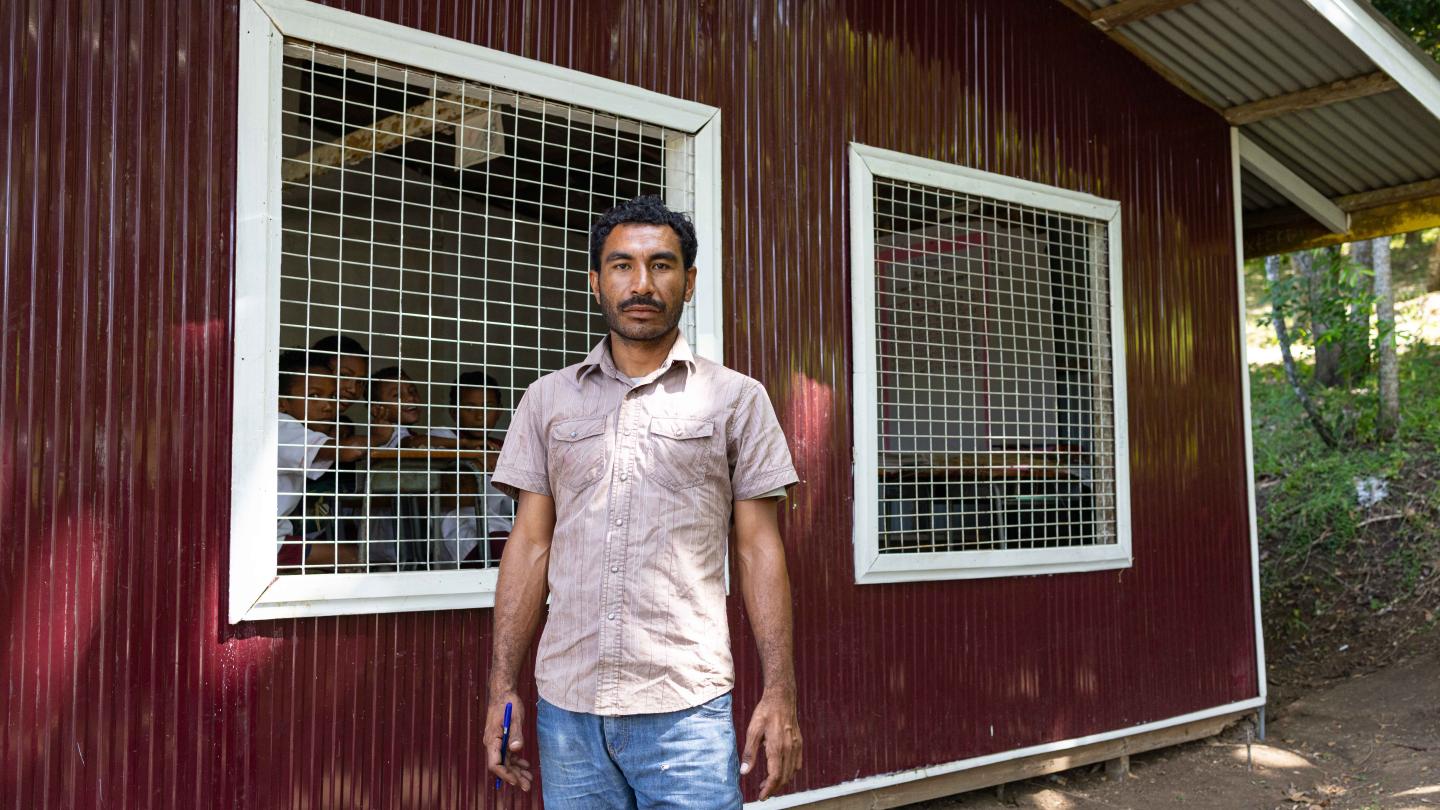
Fresh coats of maroon and white paint, repaired structures, and improved learning spaces gave the school a new identity, one that reflected dignity, care, and hope.
“As you can see, the school looks new again,” Mr. Raka says with a smile.
“This came from the PIE and AQEFA funding. Honestly, I am very happy.”
The impact went far beyond physical improvements. For teachers who had stood alone for years, PIE’s presence sent a powerful message: they were not forgotten.
“They helped us with materials, with funding, and in many ways,” Mr. Raka explains.
“Right now, we no longer have challenges with our buildings.”
For the first time in years, teachers could focus fully on teaching without worrying about unsafe classrooms. Students returned to cleaner, brighter learning spaces, restoring pride and motivation.
For Mr. Raka, the moment was deeply personal.
“I was the first student of this school,” he says.
“Now I am teaching here, and to see the school supported like this makes me very proud.”
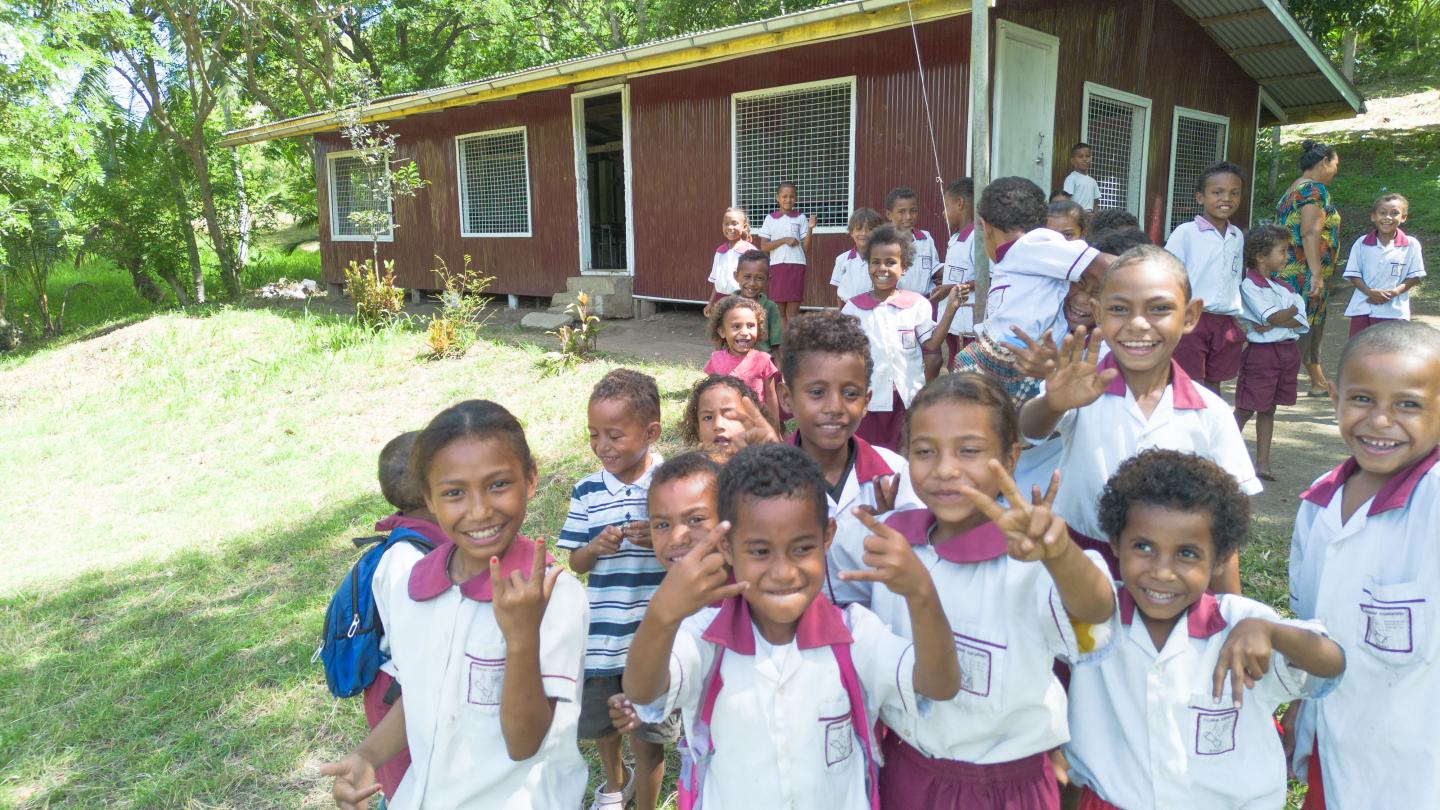
Gidobada Elementary School is one of many schools in Rigo District benefiting from the PIE’s broader education support. Across Central Province, the PIE supports 250 schools, with a strong focus on early grade education, building foundations in literacy and numeracy, strengthening teacher capacity, and promoting inclusive learning environments.
Within Rigo District, 22 schools have qualified for AQEFA funding, having demonstrated the ability to manage funds responsibly. AQEFA funding support and enables schools to address priority needs that directly affect learning, attendance, and inclusion, particularly for girls and students with disabilities.
In these AQEFA supported schools, funding has been used to provide: student desks, WASH facilities and wash stations, basic toiletries and Improved classroom environments
As a result, schools are becoming safer, healthier, and more conducive to learning. Teachers report improved classroom organisation, while schools have seen increased student attendance, improved student enrolment and better retention, especially among girls.
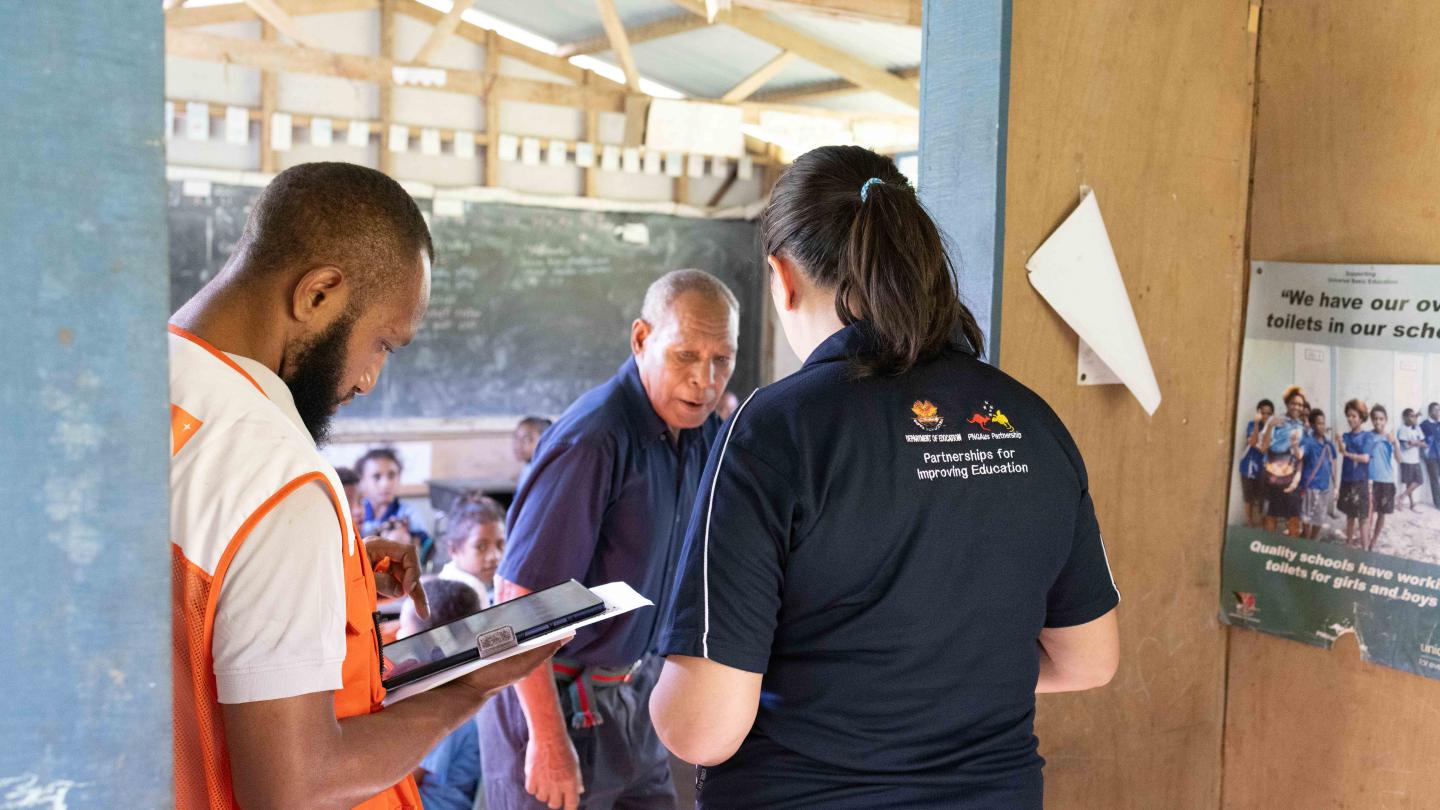
Beyond infrastructure, PIE has involved heavily in teacher and school management training, strengthening classroom management, teaching effectiveness, and inclusive education practices. Teachers are now better equipped to support students with disabilities, ensuring that all learners can participate meaningfully.
Delivering this support has not been easy. Many schools in Rigo District are located in remote and isolated areas with no road access. PIE and World Vision teams often travel by boat, trek through dense bush, or walk twenty to thirty minutes or more after vehicle access ends.
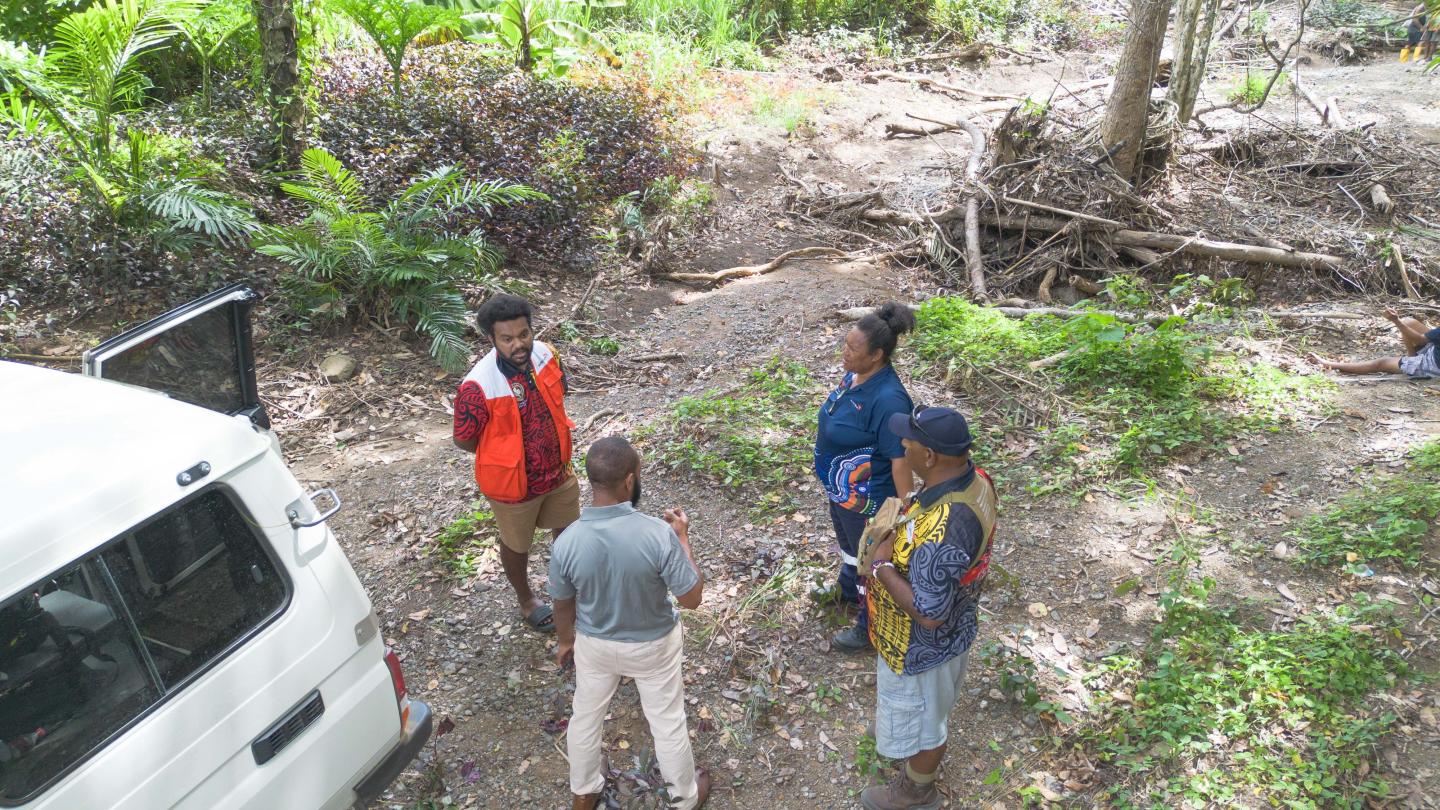
Despite these challenges, the PIE remains committed to ensuring no school is left behind, continuing monitoring visits, training, and follow‑up support even in the most difficult terrain.
With immediate infrastructure challenges addressed, Gidobada Elementary School is now looking to the future. One clear dream remains: a proper school library.
“Our next plan is a library,” Mr. Raka shares.
“We want a safe place for books, where children can read, learn, and stay busy.”
The school hopes to apply for future AQEFA support to continue the journey that PIE has already helped set in motion.
Standing in newly improved classrooms, Mr. Raka offers a heartfelt message.
“I would like to say thank you very much to the PNG-Australia Partnership through the PIE program for helping our school. Please do not leave us alone, continue to support us. We trust you because you are helping us in the way we truly need.”
“Thank you very much. May God bless you all.”
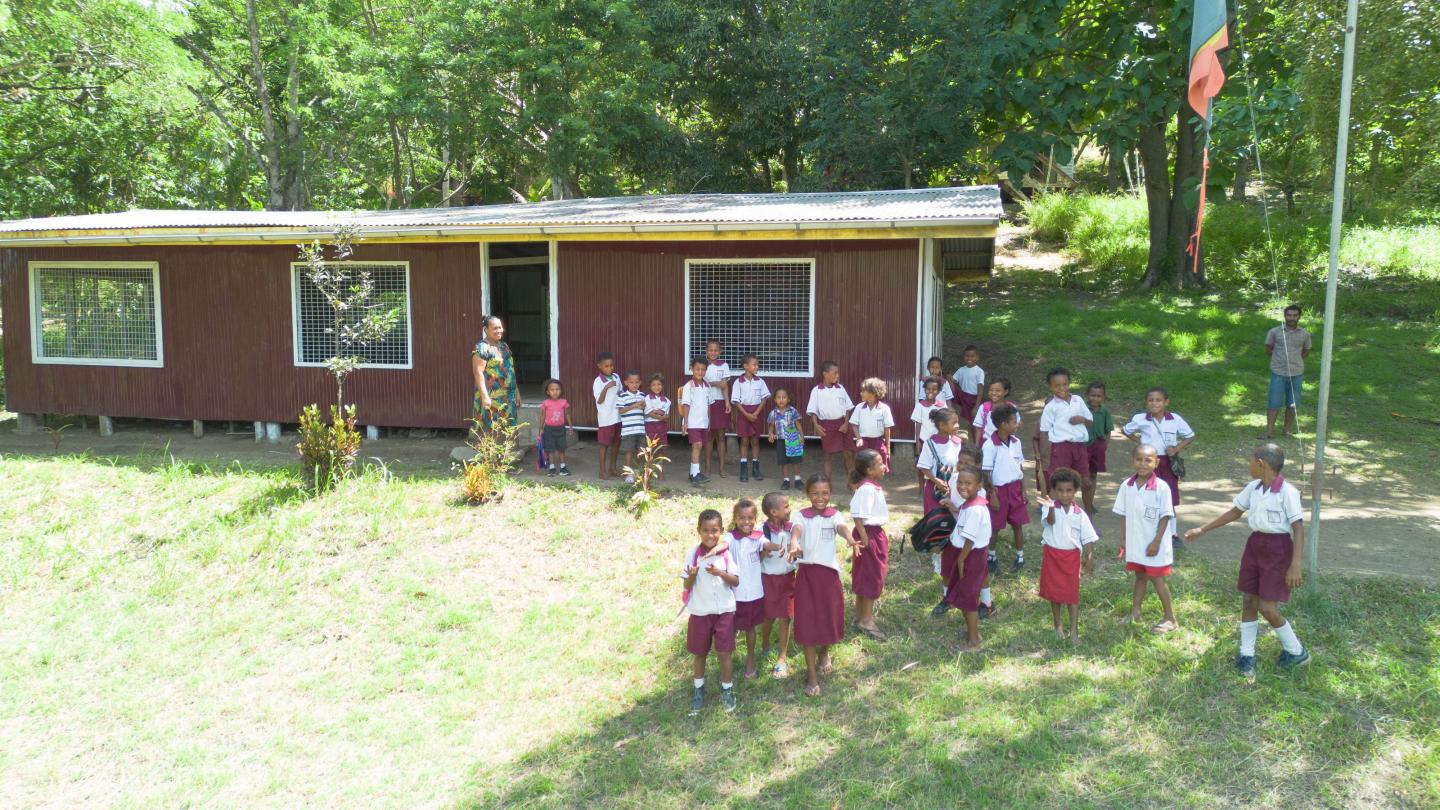
The story of Gidobada Elementary School shows strength and determination, but it also shows what happens when the right support reaches the right place at the right time.
For years, teachers stood alone, but PIE stood with them.
Classrooms once showed neglect, but PIE restored dignity.
Where challenges once defined the school, PIE became the turning point.
With the support of Papua New Guinea and Australia Governments through the Partnerships for Improving Education whose commitment to early education has been a success, PIE is doing more than improving schools, it is restoring hope, confidence, and belief in communities like Gidobada.
At Gidobada Elementary School, education is no longer just about surviving with limited resources.
It is about rebuilding, believing, and moving forward together.