
Improving Water Access for Takee Community

The Takee community is located in the Kokoda Constituency of Kieta District, Central Bougainville, within the Autonomous Region of Bougainville in Papua New Guinea. Situated roughly 60 kilometres from Arawa Town, the emerging administrative centre of AROB, Takee reflects the challenges faced by many communities still rebuilding nearly 30 years after the civil crisis.
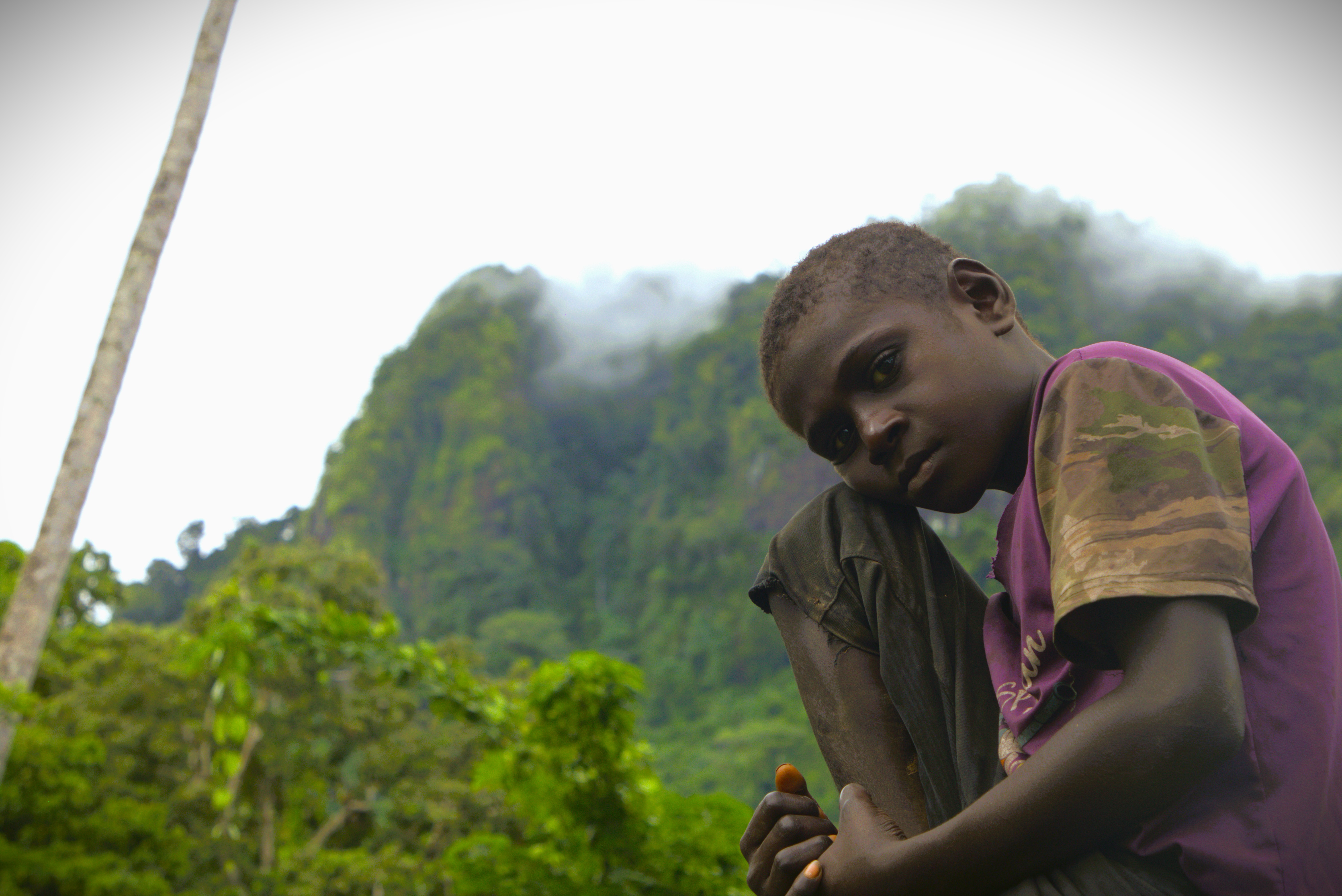
Although the island has made significant progress, access to clean and safe drinking water remains a major concern. The World Vision Water, Sanitation and Hygiene (WASH) Project is currently supporting 19 communities across the region. Takee is one of the few communities that proactively reached out for assistance, specifically requesting WASH support for their local primary school.
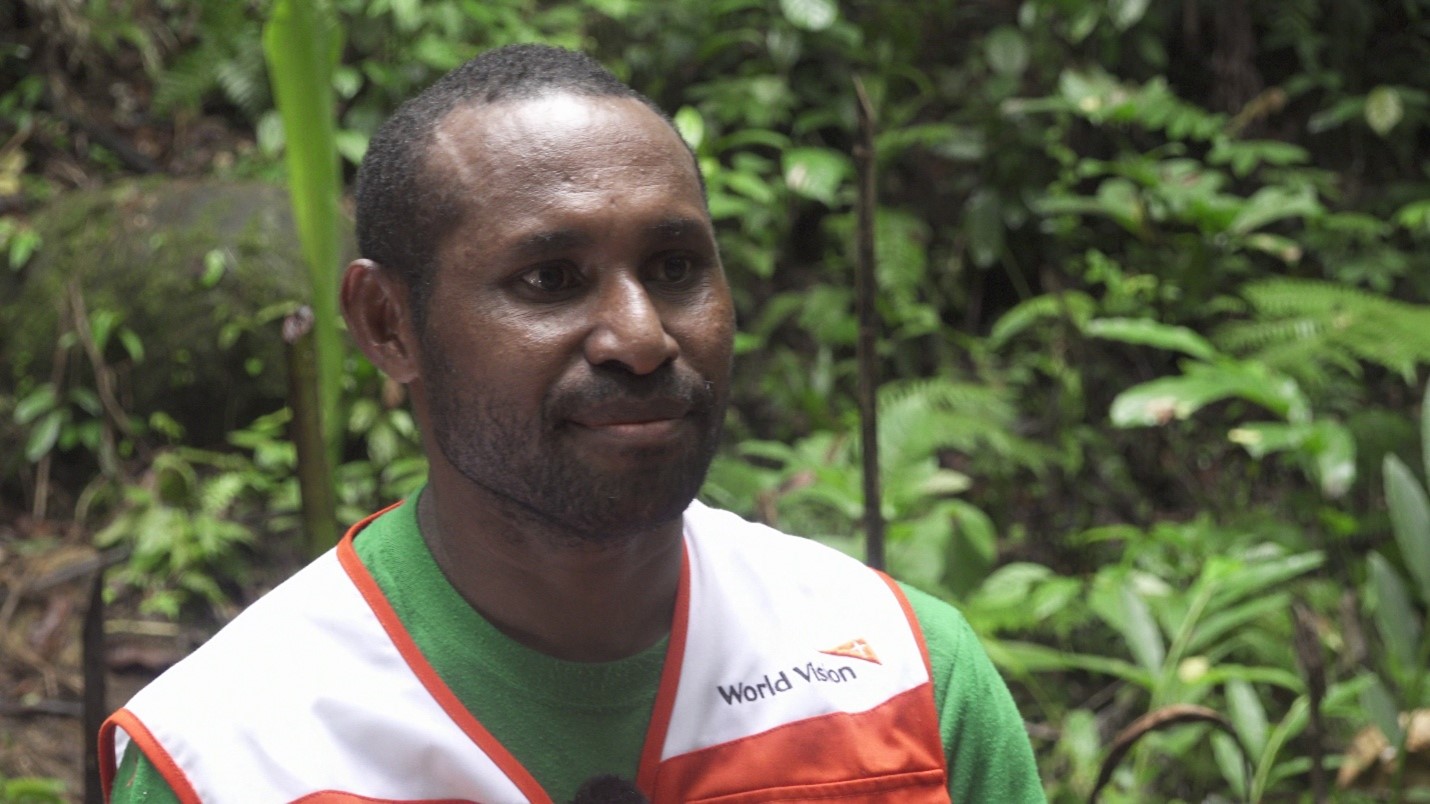
According to World Vision’s WASH Project Coordinator, George Nakel, the intervention began when the Head Teacher of Takee Primary School wrote to World Vision requesting WASH services for students.
“After reviewing their letter, we decided to include Takee in our list of priority communities in need of WASH support. Their request aligned with a key WASH element, which is WASH in Schools,” he explained.
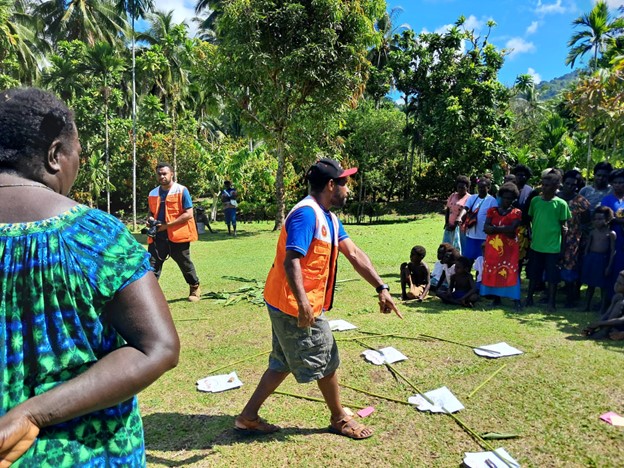
Following an initial meeting with the village Chief in August 2025, George and his team began community engagement activities, including Community Led Total Sanitation (CLTS) training and community mapping. It soon became clear that the need for improved water access extended beyond the school and was affecting the entire community.
Like many communities in AROB, cocoa is the main cash crop and a vital source of income. This often limited participation in WASH activities, as most households spent long days in their cocoa blocks and were rarely available for trainings unless notified well in advance.
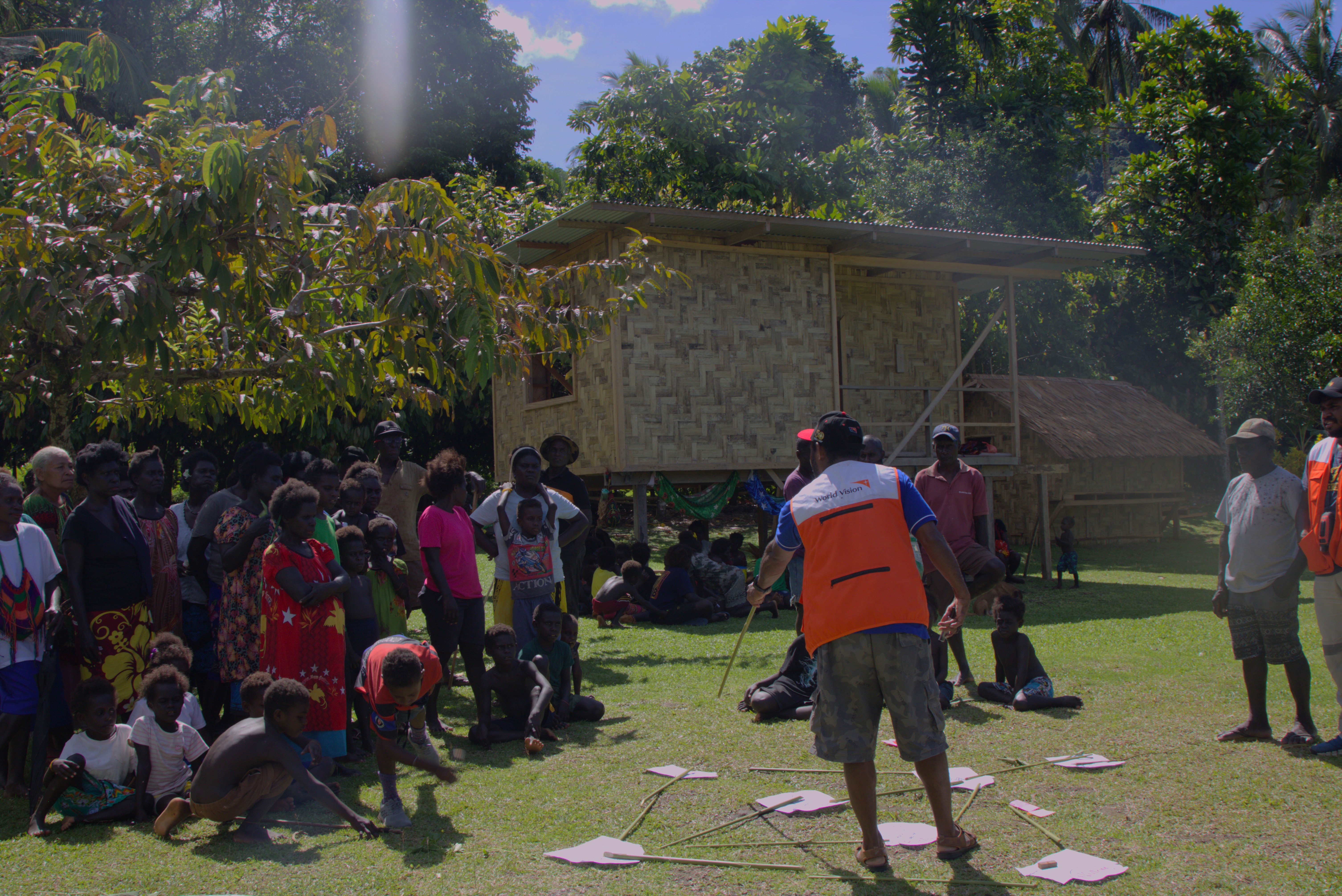
Over time, however, George and his team observed a positive shift in behaviour. As community members gained a deeper understanding of the importance of WASH, participation in the software phase of implementation steadily increased. Once this phase was completed, construction began in October 2025.
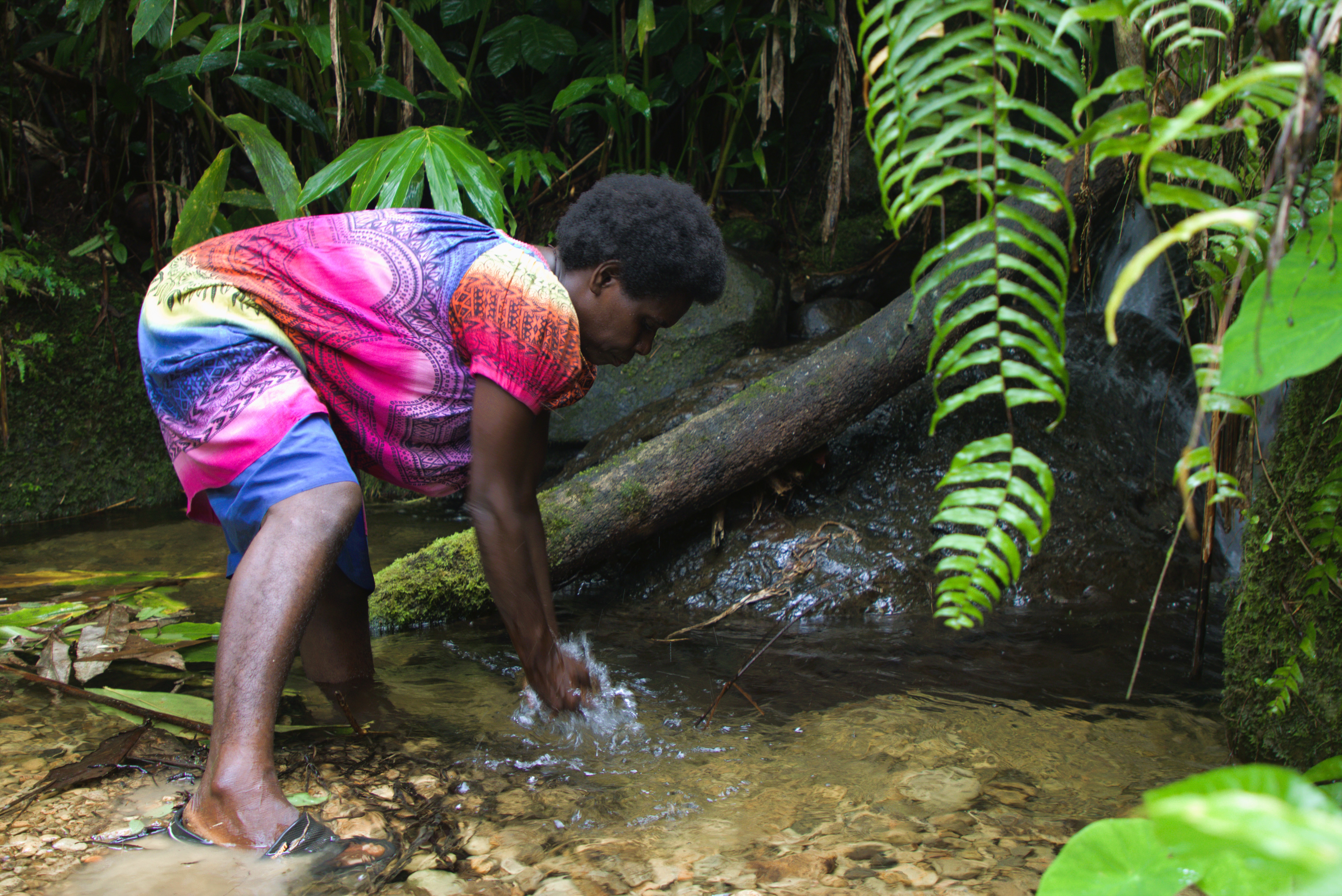
Before the intervention, the community relied on a stream that flowed down from the mountains and through their gardens. Residents used it for bathing, cooking and, in some cases, as a toilet. Many were unaware of the long-term health risks associated with this practice. The CLTS training became a turning point, helping the community recognise these risks and motivating collective action towards safer and healthier practices.
After identifying the water source in the mountain, WASH Engineer Patrick Dumo led his team of artisans and members of the Takee WASH Committee, formed through the CLTS process to begin constructing a Gravity Fed Water System that would provide a continuous water supply to the community.
Under Patrick’s leadership, construction involved carrying building materials from Takee up the steep mountain to the water point, located 218 metres above sea level.
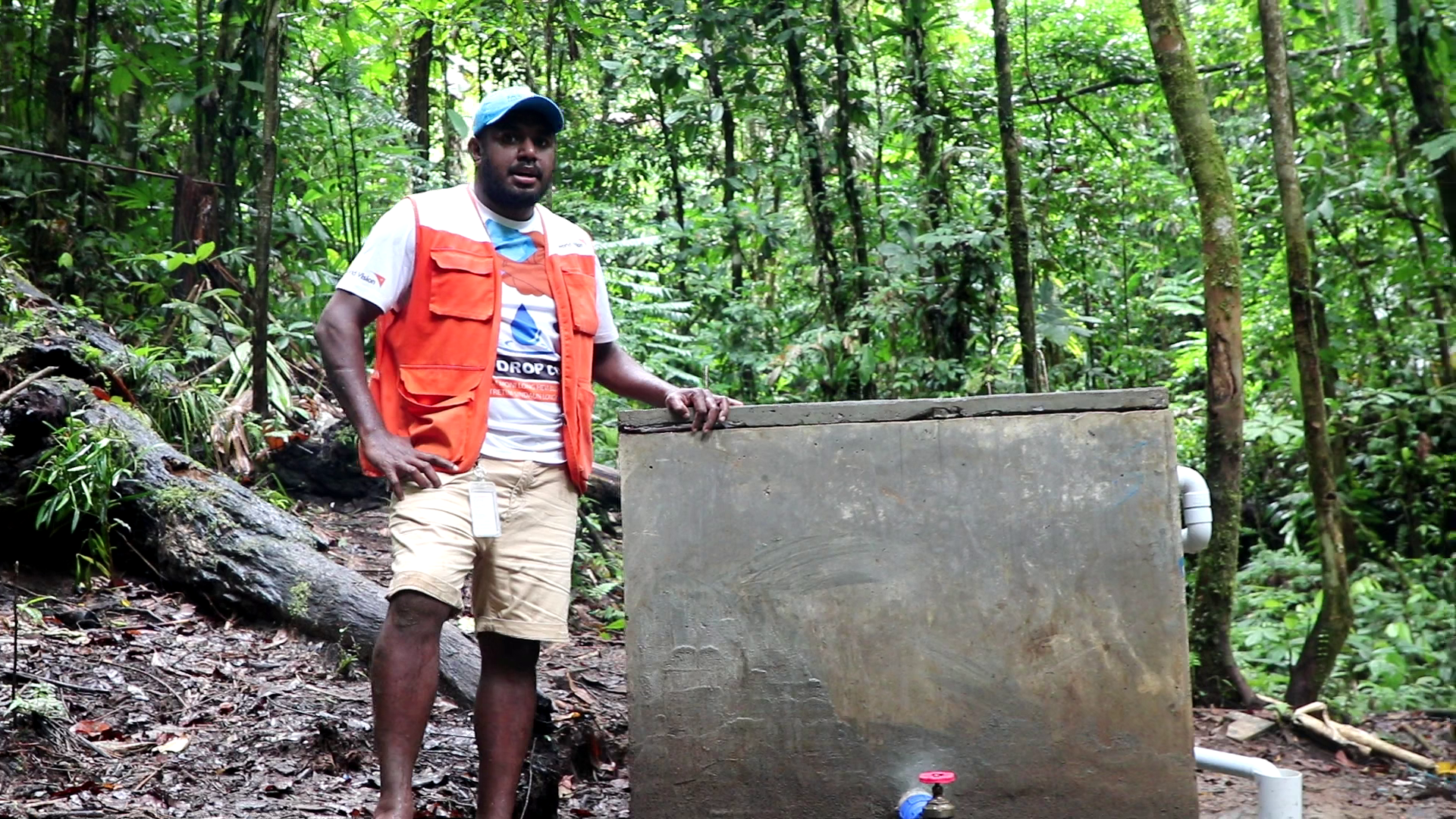
“The Gravity Fed System uses the natural force of gravity to transport water from an elevated point down to where the community is located. By using different sizes of pipes, from the largest diameter to the smallest, we create a constant flow of pressure that pushes water to all the taps constructed around the community,” he explained.
A sedimentation tank was also constructed to refine the water coming in from the spring. This filtration process ensures that only clean water is transported to the community. It later passes through a storage tank before it can be supplied to the community.
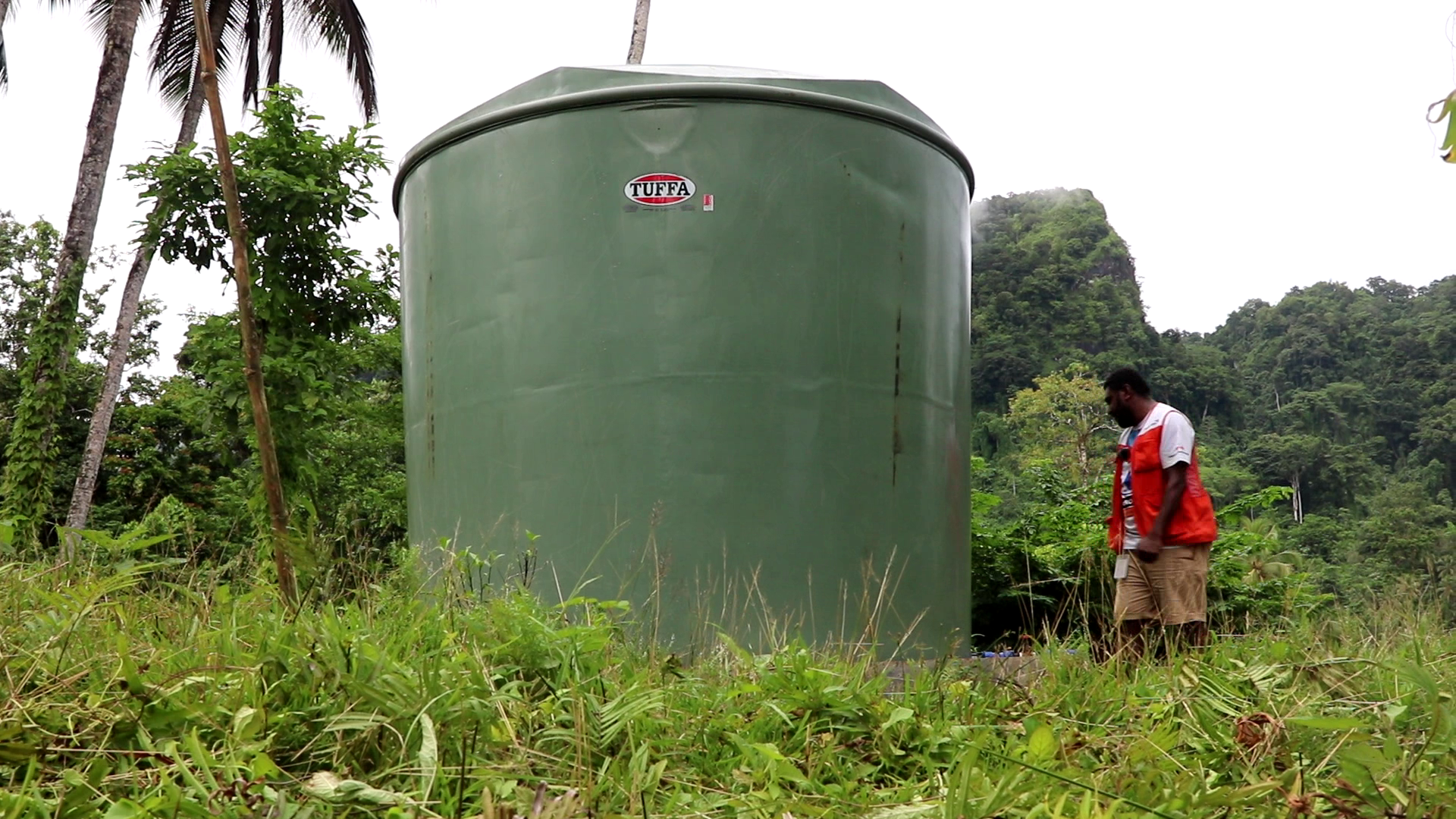
The community was excited to finally have water flowing close to their households, making it accessible to everyone. It also meant they could use water without worrying about its quality, unlike in the past when they all relied on a single water source and feared contamination from upstream activities.
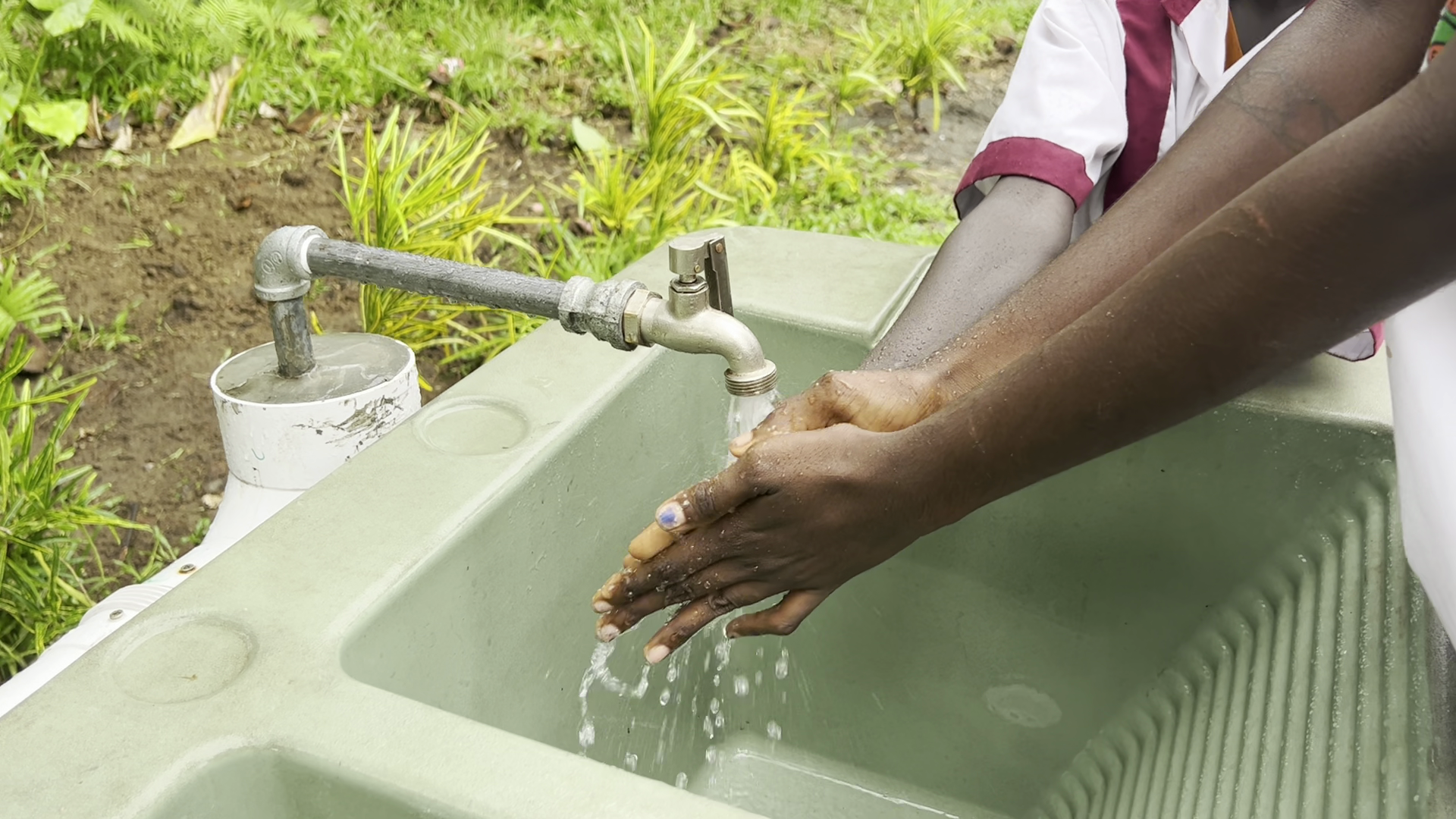
Ward Member for Women in Takee, Doris Pankaraung, shared the challenges faced by women and girls before the intervention.
“When the Bougainville crisis happened, we fled into the mountains to seek refuge. During that time, we used the stream as a toilet. When the crisis ended and we returned to our village, we found it very difficult because the waste had settled in what was once our only supply of water. However, we did not have much choice but to continue using the same water source to cook, drink and bathe.”
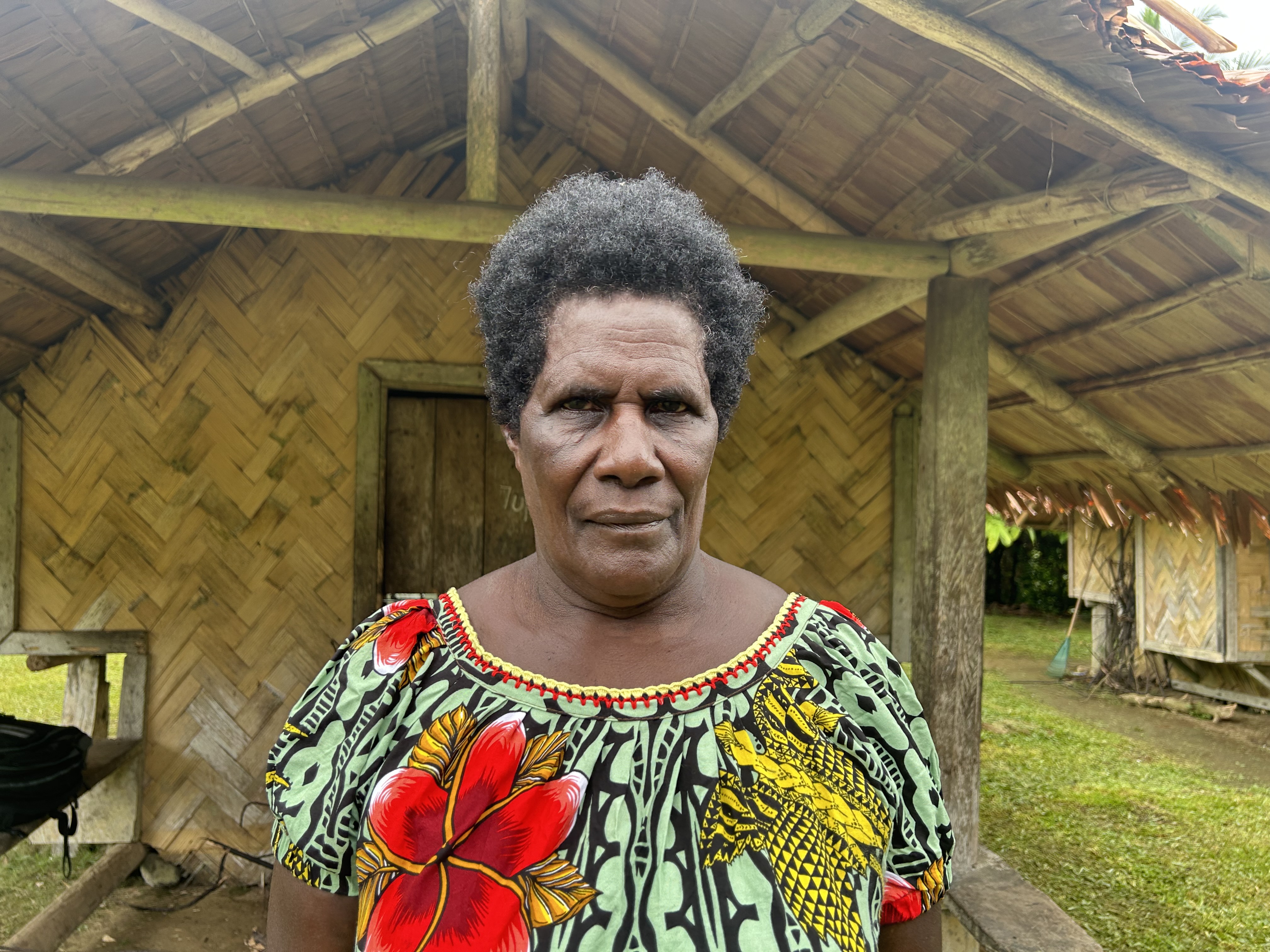
“Some women walked long distances to find uncontaminated water elsewhere. That was how we lived until World Vision came along. They taught us many things about WASH and that motivated many women to participate in the trainings,” she added.
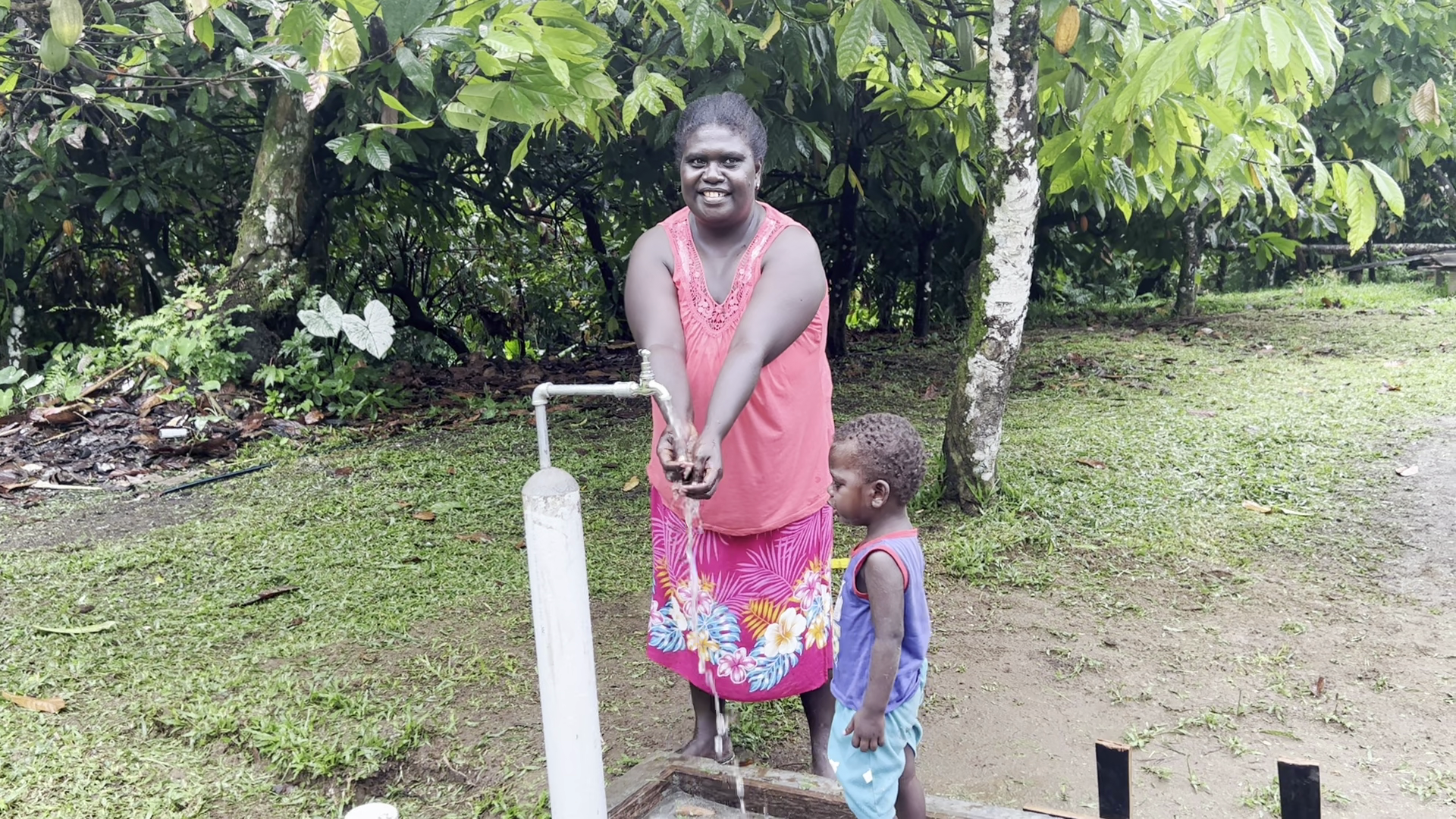
The transformation in Takee shows the power of community leadership, collective action and strengthened WASH systems. What began as a request from a primary school has grown into a community-wide shift in knowledge, behaviour and access to safe water. With a functioning Gravity Fed System, improved sanitation practices and renewed confidence among women and families, Takee now stands as an example of resilience and progress.
The importance of these community-led WASH interventions was also reinforced by the Autonomous Bougainville Government. Acting Director of Public Health, Lawrencia Kumis, acknowledged the work being done by development partners while calling for stronger collaboration.
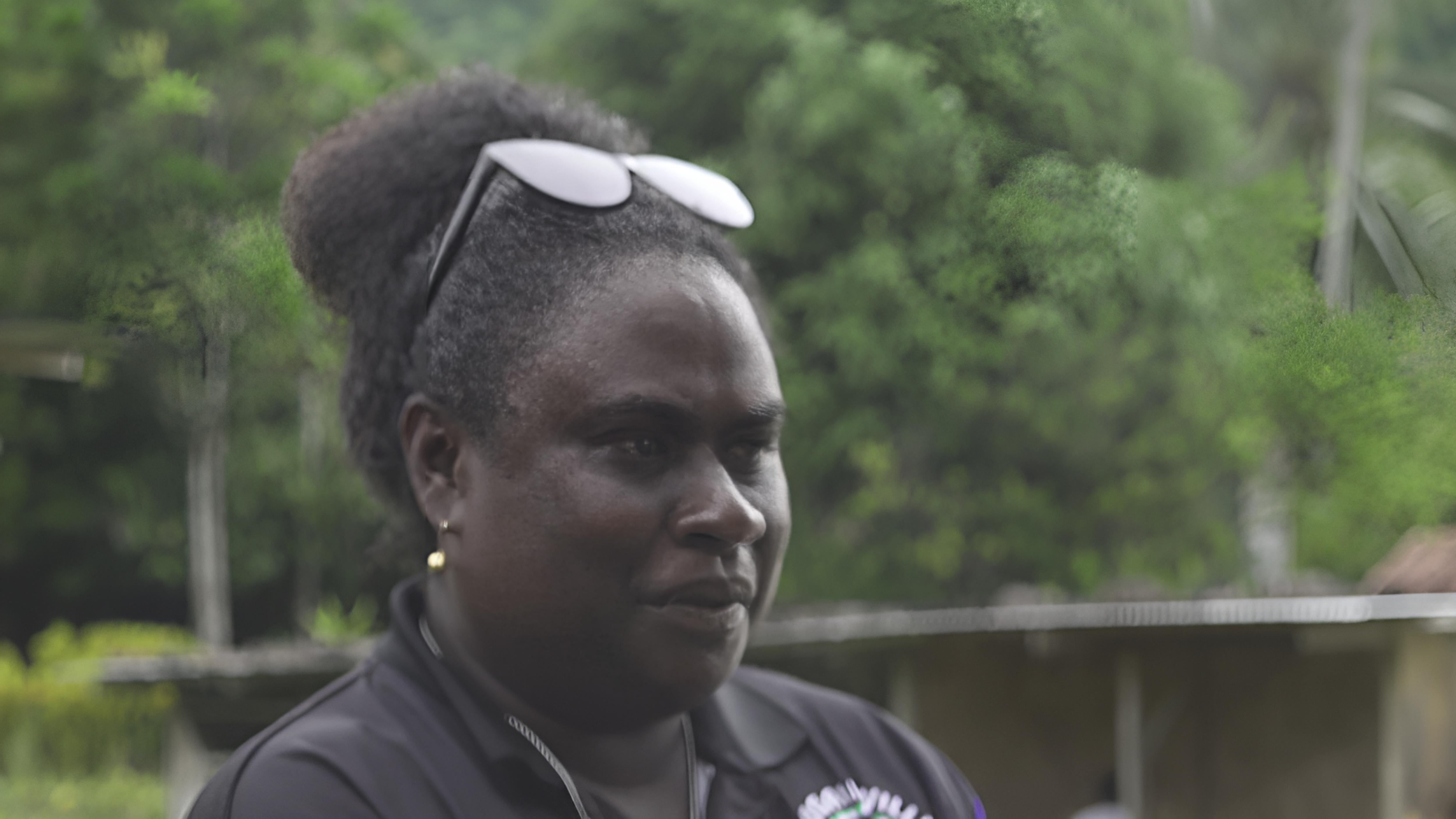
“While NGOs are doing significant work, more support is needed from the government,” she said, stressing the importance of working together to improve water access and sanitation services across Bougainville.
The urgency of strengthening water and sanitation systems was also echoed at the national level. Edmond Bannick, WaSH Communication and Promotion Officer with the WaSH Programme Management Unit under the Department of National Planning and Monitoring, highlighted the need for collective action.
“Despite having plenty water resources, PNG is still struggling to access clean and safe water,” Bannick said.
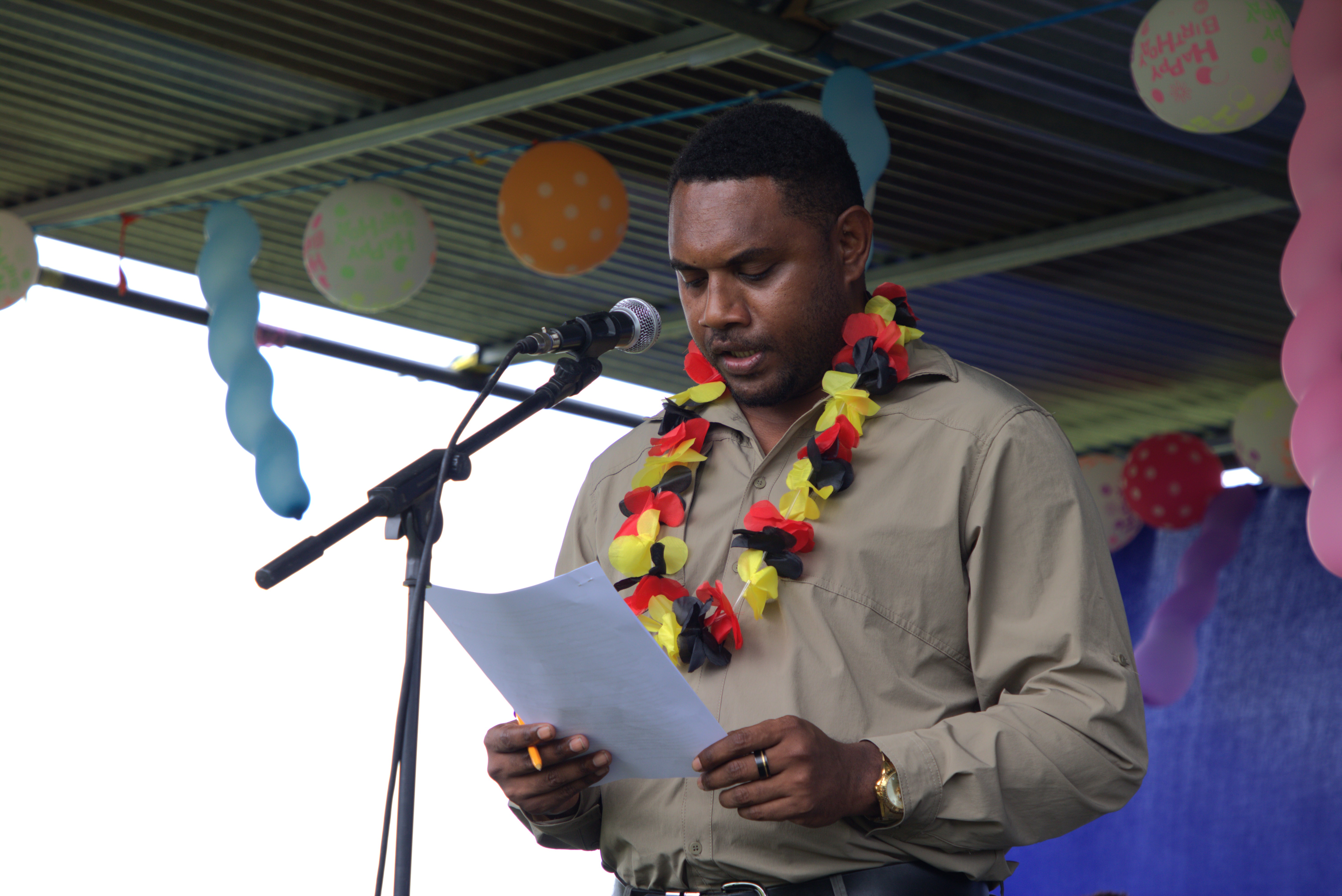
He added, “The next 25 years of Papua New Guinea depends on what we do today. We cannot continue like this; we must build the country we believe in. A healthy, wealthy smart nation.”
Together, the voices of the Takee community, government leaders and development partners reflect a shared commitment to improving water access across Bougainville. Through strong community ownership, technical support and sustained partnerships with organisations like World Vision, Takee’s journey demonstrates how coordinated WASH interventions can restore dignity, protect health and lay the foundation for long-term development, one community at a time.