Review of the 2021–2025 WASH Business Plan: A Strategic Partnership for Sustainable Results in Mali

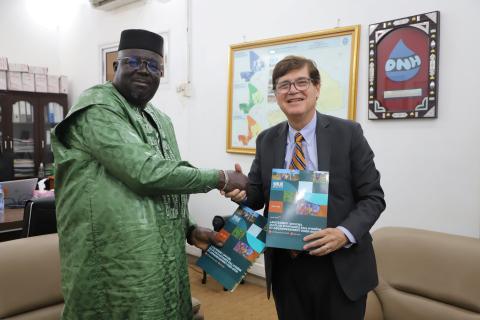
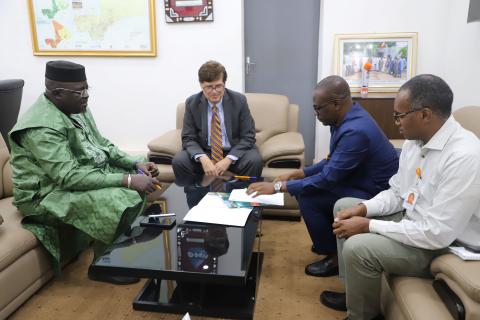
The implementation of World Vision International Mali’s 2021–2025 WASH Business Plan was supported by a structured and operational institutional partnership with the Malian government, notably through the National Water Authority (DNH), decentralized technical services, and local authorities.
This close collaboration has enabled WASH interventions to be integrated into a framework for action aligned with national policies, promoting institutional ownership, sectoral coherence, and the sustainability of the investments made.
Between 2021 and 2025, this partnership has contributed to a significant improvement in access to drinking water in rural and peri-urban areas through the construction of 432 boreholes equipped with hand pumps, the construction of 204 simple water supply systems (AES/SHVA), and the installation of 721 standpipes, benefiting more than 660,000 people.
These projects were carried out in accordance with national technical standards, with the systematic involvement of government agencies in planning, technical validation, monitoring of the work, and acceptance of the structures.
In the area of sanitation and hygiene, joint interventions have led to the construction of 38,869 household latrines and 407 latrine cubicles in schools and health centers, as well as post-certification monitoring of 199 communities that have achieved open defecation elimination (ODE). These actions have improved access to sanitation for more than 220,000 people, while reaching more than 750,000 beneficiaries through hygiene promotion and behavior change activities, implemented in coordination with relevant technical agencies and community stakeholders.
The 2021–2025 Business Plan, supported by a total investment of nearly $36 million, has also helped strengthen and consolidate nationally recognized structural approaches, notably Community-Led Total Sanitation (CLTS), the systematic integration of WASH in schools and health facilities, as well as the development of regional models for universal coverage of WASH services. The experience of the Kolokani district, where several municipalities have achieved high levels of coverage in households, schools, and health centers, illustrates the potential of this approach when it is jointly supported by the government, local authorities, and technical partners.
Beyond tangible results, this partnership has played a key role in strengthening the institutional capacity of public and community stakeholders, particularly in the areas of service governance, infrastructure management, monitoring and evaluation, data quality, and accountability. It has fostered better coordination between the national and local levels, contributing to the sustainability of WASH services and greater ownership by the relevant authorities.
This partnership thus serves as a concrete example of best practices in collaboration between the Malian government and a development partner, based on respect for institutional mandates, national ownership, accountability, and the pursuit of sustainable impact. It helps position the WASH sector as a strategic driver of human development, public health, and community resilience, in line with Mali’s vision for sustainable development.