
Advancing Sexual and Reproductive Health and Rights across Asia and the Pacific

Advancing Sexual and Reproductive Health and Rights Across Asia and the Pacific
On 12 March 2026, colleagues from across World Vision’s South Asia Pacific and East Asia and the Pacific regions held a joint learning event focused on Sexual and Reproductive Health and Rights (SRHR).
The exchange brought together Gender Equality, Disability, and Social Inclusion (GEDSI) specialists, Health and Nutrition leads, and Child Protection specialists to share evidence and lessons learned from diverse country contexts.
The event showcased how integrated, gender-transformative SRHR programming is being advanced across five key countries, highlighting the vital collaboration between health systems, communities, and adolescents.
🇧🇩 Bangladesh: Shifting Inequitable Norms
In Bangladesh, the REACTS-IN project—a long-term, Global Affairs Canada–funded initiative—is actively addressing entrenched challenges such as child marriage, adolescent pregnancy, anaemia, and restrictive gender norms.
- Combines adolescent girls’ and boys’ groups, peer-to-peer outreach, MenCare+ approaches, and health system strengthening to shift inequitable norms and improve access to adolescent-friendly services.
- Early results demonstrate improved gender-equitable attitudes among adolescents, alongside strengthened capacity of community health workers and health facilities.
🇰🇭 Cambodia: Integrated Health Systems
The Cambodia session highlighted an integrated approach to SRHR, birth spacing, family planning, and the prevention of sexual and gender-based violence.
- Working closely with the Ministry of Health through platforms such as GMIA, ECCD, and REACTS-IN to build national and subnational capacity via Training of Trainers, cascade learning, and the integration of gender actions into annual health plans.
- Strong progress has been made in improving access to modern contraception methods, while future efforts will further strengthen male engagement and couple-based decision-making.
🇱🇦 Laos PDR: Youth Leadership & Livelihoods
The Samoui Nutrition Action Project (SNAP) demonstrated how SRHR can be effectively integrated with nutrition, youth leadership, and livelihoods.
- Mobilizing youth-led groups, safe spaces, and micro-projects—such as mushroom farming and soap production—to strengthen both engagement and sustainability, alongside formal partnerships with government institutions.
- Starting from a very low baseline of SRHR knowledge, the project achieved substantial improvements in adolescent knowledge, more equitable gender attitudes, and shared decision-making.
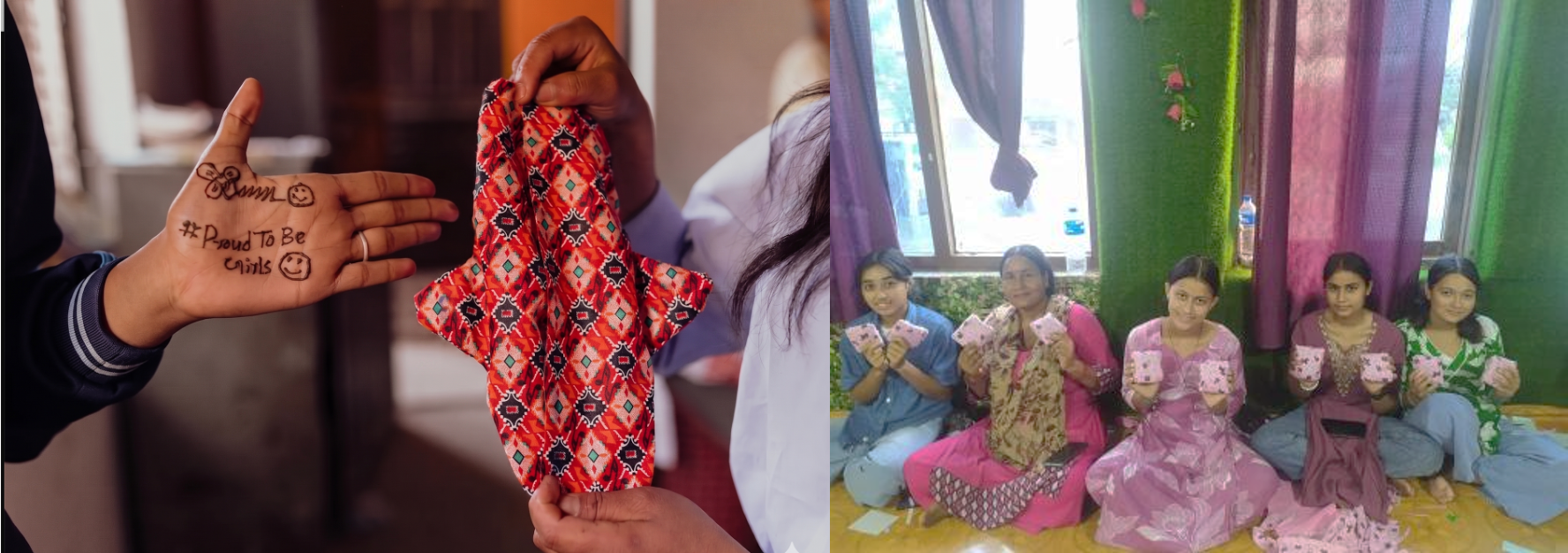
🇳🇵 Nepal: Breaking Menstrual Stigma
The Nepal presentation focused on the Basic for Girls (B4G) project, which addresses gaps in adolescent SRHR information, menstrual health management, and gender-based violence.
- Working across schools, health facilities, local governments, and communities to build teacher and health worker capacity.
Reduced menstrual stigma, improved adolescent-friendly health services, and increased confidence among adolescents in accessing SRHR services.
🇹🇱 Timor-Leste: Inclusive Health Services
Finally, Timor-Leste shared lessons from the "Roman ba foin Sa'e" project, which focuses on institutional capacity and inclusive healthcare delivery.
- Supporting the establishment of adolescent-friendly health services and training health workers to provide inclusive, non-judgmental care.
- Strengthens local health systems to ensure youth can safely and reliably access vital health services tailored to their needs.
Across all countries, a consistent message emerged: effective SRHR programming requires gender-transformative approaches, meaningful adolescent participation, strong linkages with child protection and nutrition, and sustained government and community engagement. This joint SAP–EAS event reinforced the value of cross-regional learning and collaboration in driving equitable, rights-based outcomes for adolescents and young people across Asia and the Pacific.
Article by: Grana Selvi, World Vision South Asia and Pacific Senior Health and Nutrition Adviser