
Breaking the Silence: Pratiksha’s Journey to Menstrual Confidence

For Pratiksha and many other girls like her, menstruation did not begin with understanding but with fear, confusion, and silence.
Living in a small community in Kanchanpur district where menstruation was rarely discussed openly, the shy eighteen-year-old had little knowledge about puberty, sexuality, gender equality, and menstrual hygiene. Like many girls around her, she was unprepared for the experience. Pratiksha said, “When I first experienced menstruation, I was scared and confused because nobody had properly explained it to me.”
In her family and community, menstruation was connected with many restrictions and cultural beliefs. During her periods, she stayed quiet and avoided asking questions. She believed that talking about such matters was shameful. Even when she faced discomfort or difficulties, she could not express her feelings to anyone.
“I used to feel that menstruation was something to hide,” Pratiksha shares softly. “I had many questions in my mind, but I never had the courage to ask,” she adds. Because of the lack of awareness, she did not know how to manage menstrual hygiene properly. “I had to use old clothes in the house as pads, and I always used to hang the clothes inside out of shame so that no one could see. The sanitary pads provided by the school were not enough, and we didn’t always have money to buy such expensive pads,” she recalls. She also felt uncomfortable participating in discussions related to girls’ health and personal wellbeing. Her confidence slowly decreased, and she often felt alone with her problems.
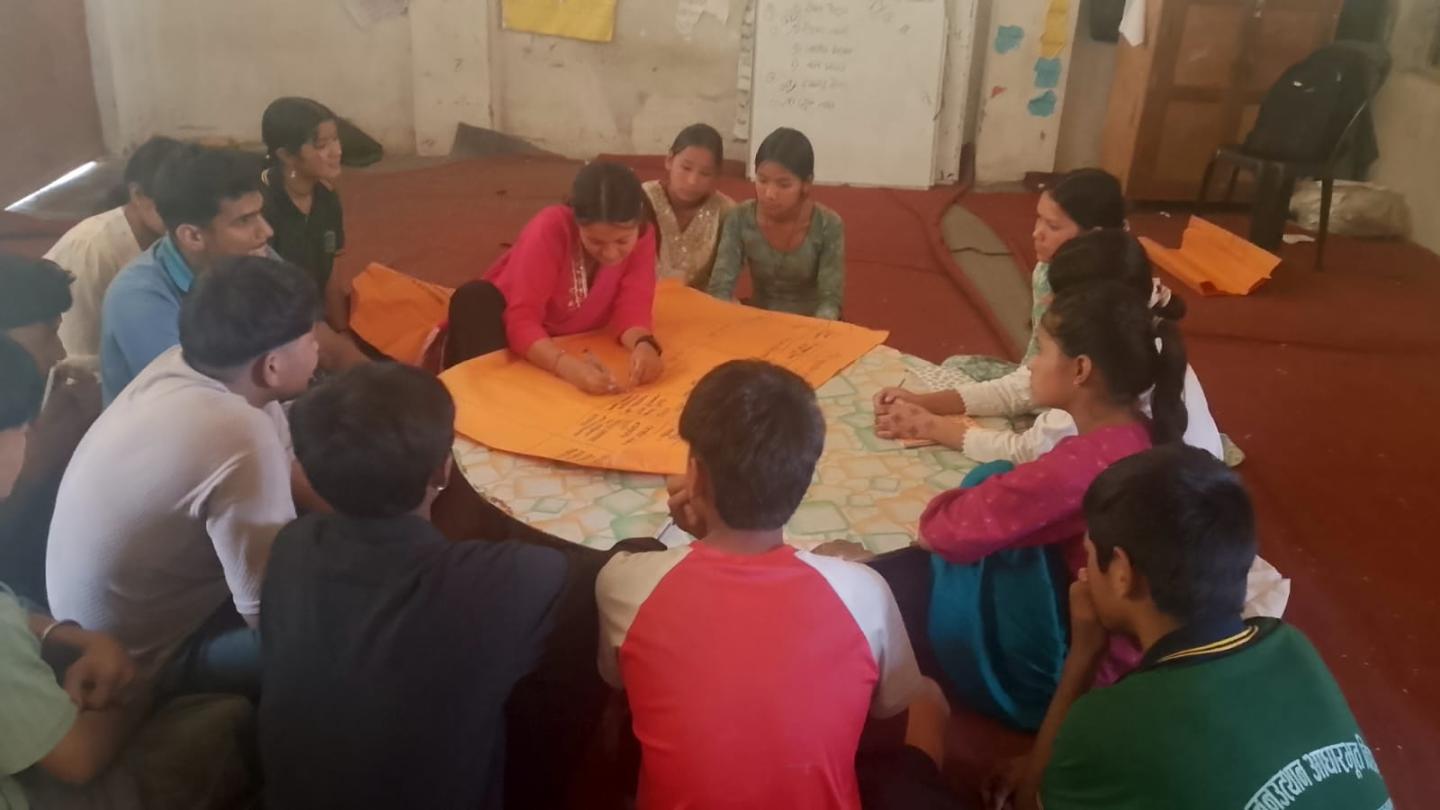
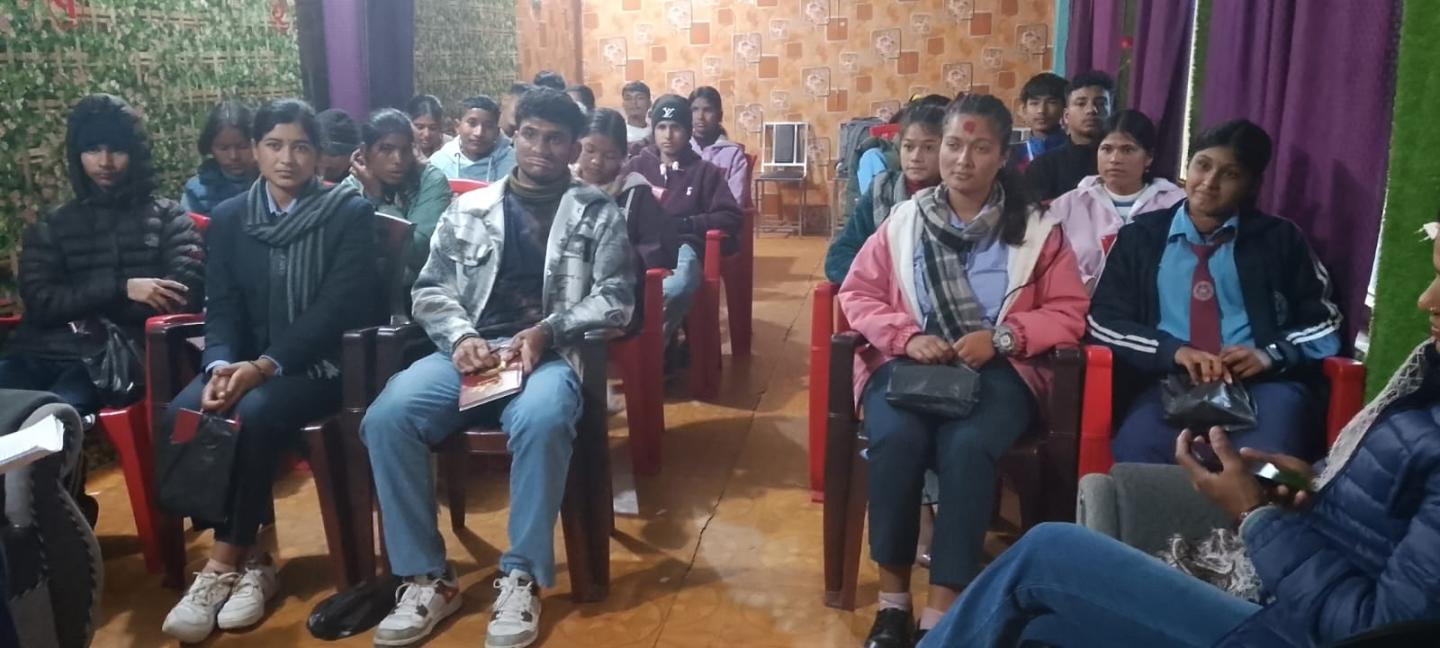
Things slowly started to change when Pratiksha participated in awareness and educational activities conducted by the Basic for Girls (B4G) project. Through different sessions and interactions, such as Comprehensive Sexuality Education (CSE), School Related Gender Based Violence (SRGBV) orientation, and intergenerational dialogue, she learned about puberty, menstruation, gender equality, and personal hygiene in a simple and respectful way.
The interventions created a safe environment where girls could openly ask questions and share experiences. For the first time, Pratiksha realised that menstruation is a natural biological process and not something to feel ashamed about. “The sessions helped me understand my body and my health,” she says. “I started feeling normal instead of afraid. I learnt about healthy and unhealthy habits during menstruation.” She learnt how to properly use and manage sanitary pads and clothes and maintain hygiene during menstruation. The discussions also encouraged her to speak openly with her family members. Slowly, she began sharing her feelings and problems at home.
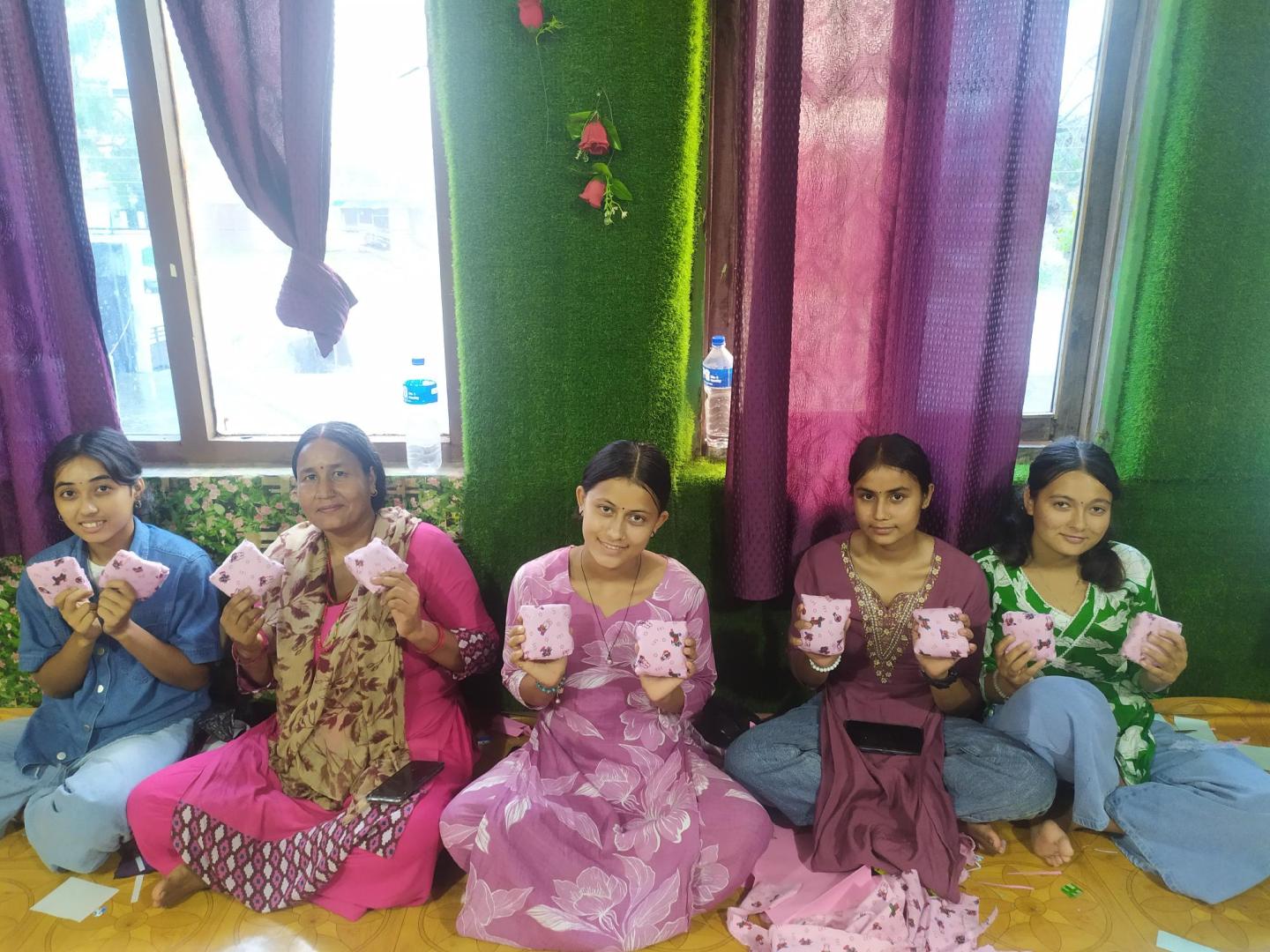
Additionally, she participated in reusable pad training, learned the process there, and started making and using reusable pads at home herself. She says, “I even made pads for my family, which encouraged me to start teaching pad making to women in my neighbourhood, as it is affordable, healthy, and easy to use.” The programme also challenged harmful social beliefs and practices related to menstruation. After participating in these trainings and discussions, Pratiksha became more aware of gender equality and started to understand that girls and boys deserve equal respect and opportunities.
Today, Pratiksha has become much more confident and active in her community. After participating in the reusable pad training and practising the skills at home, she now regularly uses reusable pads made by herself. She also started making pads for her family members, who found them more comfortable and easier to use than traditional cloth.
“My family liked the pads I made, feeling they were more comfortable, convenient, and economical, and continued using them,” Pratiksha shares proudly. “That encouraged me to teach other women in the neighbourhood as well.” With growing confidence, she began supporting and teaching neighbouring women about reusable pad making, helping them understand that it is affordable, healthy, and easy to use. She also openly talks about menstrual hygiene, puberty, and reproductive health with her friends and family without fear or shame. The knowledge and discussions from the sessions helped her challenge harmful beliefs related to menstruation and gender discrimination. She now believes that girls and boys should receive equal respect and opportunities in society. “I no longer feel shy while talking about menstruation,” she says confidently. “Now I can support girls and women who feel confused or embarrassed.”
The changes in Pratiksha’s life are clearly visible. She has become emotionally stronger, more expressive, and more involved in school and community activities. Most importantly, she now understands that menstruation is a natural part of life and that awareness and open discussion can create positive change not only for one girl but also for the whole community.
Since its launch in January of 2025 in Kanchanpur district, the Basic for Girls (B4G) project has played a significant role in transforming the lives of adolescents like Pratiksha by strengthening menstrual hygiene management practices and awareness. A total of 59 adolescents have participated in three reusable pad-making training sessions. Among them, two adolescent girls and one teacher are now actively teaching others in their communities to make homemade pads that are easier to use. The project also distributed 732 menstrual hygiene management kits, helping improve access to safe and hygienic practices.
In addition, adolescent-friendly service corners were established in three basic health service centres, enabling 95 adolescents to access counselling and health services. In two schools, three-chambered gender- and disability-friendly toilets were constructed and renovated, along with resting rooms equipped with beds, hygiene supplies, first-aid kits, and incinerators for safe pad disposal. The project has further strengthened awareness by providing Comprehensive Sexuality Education sessions to 350 adolescents (199 girls and 151 boys) and School Related Gender Based Violence sessions to 125 adolescents (65 girls and 60 boys). Overall, the project has improved access to services, enhanced awareness, and contributed to building confidence, dignity, and well-being among adolescents, while promoting positive and lasting change within schools, families, and communities.
The B4G project is funded by WV Korea and is being implemented by the Nepal National Social Welfare Association (NNSWA) in Kanchanpur district with technical support from World Vision International Nepal.
Author: Sarika Pal, Programme Officer – B4G Project, NNSWA, Kanchanpur