
From research to reality: How children and youth are mapping the path to a hunger-free future

The fight against hunger in 2026 is being led by an unlikely, yet formidable, group of experts: children and youth. Following the landmark launch of the CHAMP (Child-Led Advocacy and Meaningful Participation) research website late last year, a new era of evidence-based advocacy has begun.
The CHAMP initiative successfully mobilised over 300 participants across Southeast Asia and the Pacific to investigate the underlying causes of malnutrition. In a unique twist on traditional academic research, 214 youth researchers used child-friendly methods—including interactive games like Snakes and Ladders—to create safe spaces where their peers could speak openly about the realities of food insecurity.
The findings were as stark as they were illuminating. The research revealed that for many children, nutrition isn't just about food groups; it’s about geography and economics. One participant from the Philippines pointed out that their daily diet often depends entirely on "how far the market is and how much money we have that day." High food prices and lack of access to safe, nutritious options emerged as the primary barriers preventing youth from thriving.
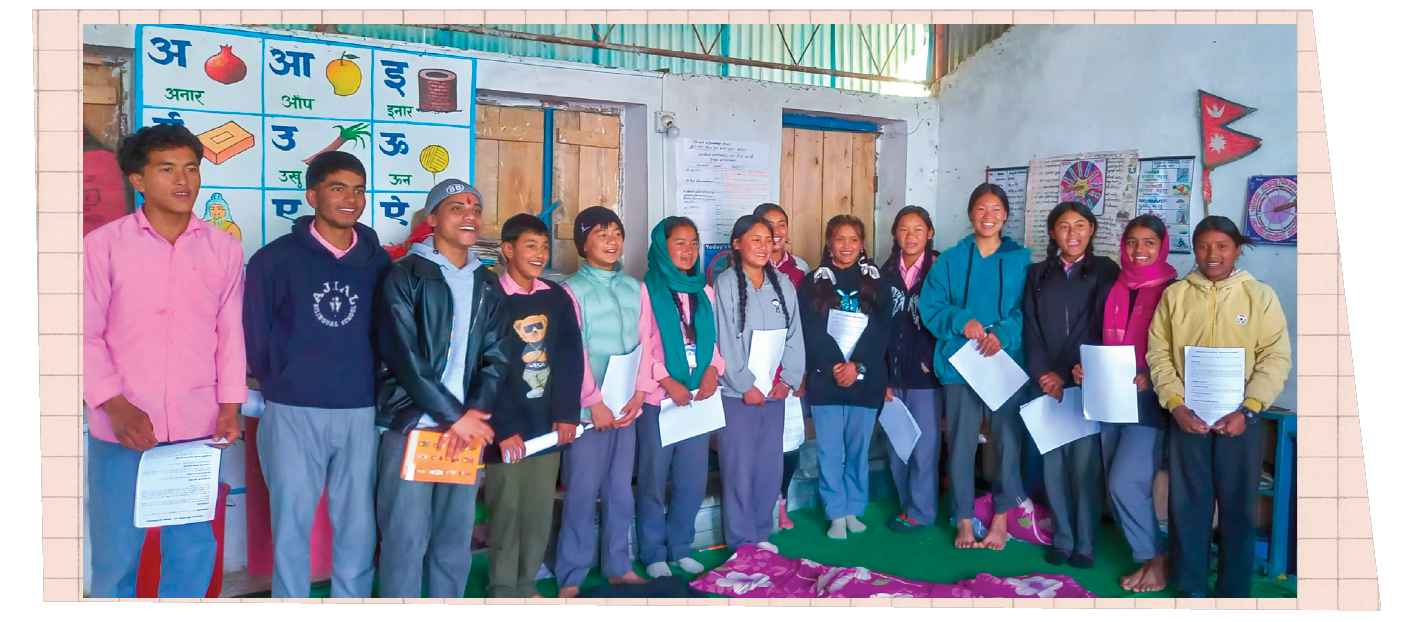
What makes the CHAMP research different is that the children and youth didn't stop at identifying the problems—they proposed the solutions. From demanding better price regulations on healthy staples to advocating for school-based nutrition programs, these young researchers have provided a roadmap for governments to follow.
The newly launched website now serves as a public repository for this data, ensuring that the voices of these children and youth cannot be ignored. It provides stakeholders, policymakers, and community leaders with "snapshots" of the daily realities of hunger, backed by the smart, practical solutions designed by the youth themselves.
At the virtual launch, Valentina, a young researcher, reminded the audience that hunger and malnutrition are "still a daily reality for too many." However, the tone of the event was one of empowerment rather than despair. As Kujitha, another CHAMP participant, eloquently stated: “Today isn’t just a launch. It’s a promise.”
In 2026, that promise is being put into action. World Vision and its partners are using the CHAMP data to lobby for policy changes that prioritise the right of every child to safe and nutritious food. This movement has shifted the narrative: children and youth are no longer just "participants" in research; they are the most effective advocates for a hunger-free world. Through CHAMP, they are proving that they don't just deserve a seat at the table—they deserve a hand in deciding what is served on it.
This article was prepared with contributions from World Vision South Asia and Pacific interns: Harvey Josh Fernandez and Mary Rose Caliag, BS Development Communication students from Central Luzon State University, based in the Philippines.