
Water System Empowers Bulungu Shea Women

By Francis Npong
In Bulungu, a farming community in the Savelugu Municipality of the Northern Region of Ghana, shea processing has long been the economic mainstay of the women in the community.
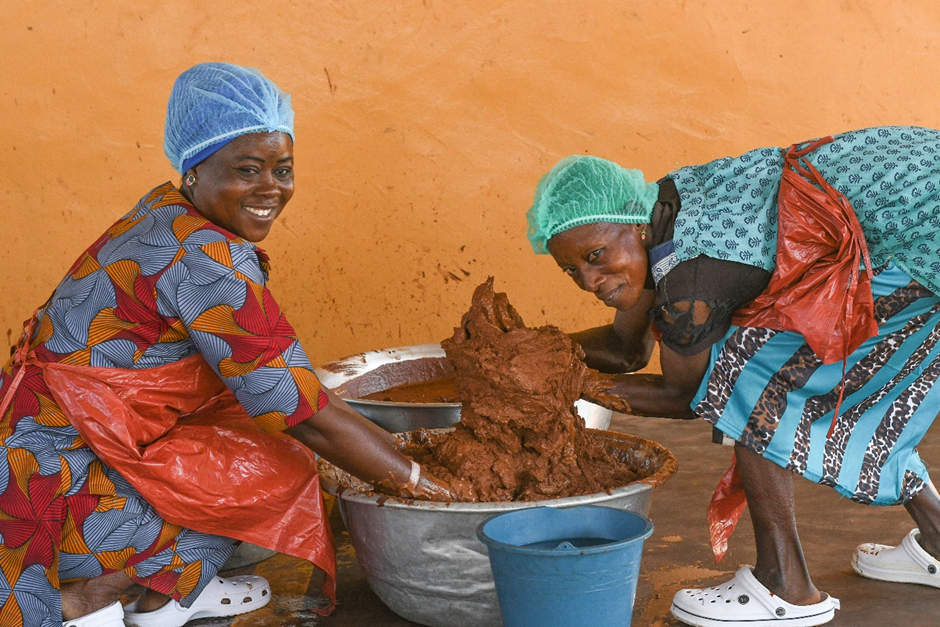
For generations, they had handpicked shea nuts, transported them home and processed them into shea butter, selling their products in local markets during lean seasons. 'Processing shea butter is arduous and time-consuming, and it often yields little profit when unwholesome water is used,' says Grace Safura Iddrissu, leader of the Bulungu Shea Butter Processing Group.
Water scarcity was a constant challenge. Women and girls responsible for ensuring the availability of water for household chores had to walk miles to collect water from open and contaminated sources. This left them with little time to focus on economic activities or their families, not to mention the health implications of carrying and consuming such water.
However, everything changed for these women when World Vision Ghana supported them by providing a modern shea butter processing centre equipped with machinery and a mechanised water system.

This provided the entire community with access to safe and clean water. For the Bulungu Shea Butter Processing Women's Group, it was a miracle that lifted them from poverty to a path of economic and health prosperity.
“Using clean water for shea butter extraction improves both the quality and quantity of the butter produced. We have seen an increase in both since we had water flowing at our doorstep,” she adds.
With the mechanised water system in place, the women no longer had to spend hours each day walking to open water sources. Clean water was now available just steps away from their homes and processing centre.
This simple yet transformative change freed up their time and energy, enabling them to expand their shea butter business. They used the extra time to increase production, improve quality and start packaging their shea butter more attractively. This led to increased demand in local and international markets, and their income began to grow. Access to safe water does more than just quench beneficiaries' thirst.
Based on the production records at the Bunglung Shea Butter Processing Centre, in 2019, an amount of $2,432 (exchange rate of 0.1869) was realised; in 2020, $16,021; in 2021, $7,073; and in 2022, it declined further to $1,080.
This revenue decline was because of the production cost, in which water haulage constituted the chunk of the production cost. But in August 2022, when a mechanised water system was installed, revenue increased to $26,012. Their products attracted Body Shop International, a cosmetic company from Canada, and the Savanna Fruits Company, a local shea butter exporting company.
Empowering households, improving healthcare delivery and education
The increased income had a positive ripple effect on women's households. For the first time, many of them were able to provide their families with nutritious food, clothing and healthcare. However, the most profound impact was on their children's education. With the additional income, the women were able to pay school fees, buy uniforms and purchase school supplies. Their children, who had once been at risk of dropping out due to financial constraints, now had the opportunity to pursue their dreams.
Fatima Ibrahim, one of the women, says, "Before, I could barely afford to send my children to school. Now, my eldest daughter is training to be a nurse at college. This intervention has given us hope for a better future.'
The birth of the dry garden
Inspired by their success, the women decided to build on their innovation. They established a garden for the dry season near the water system, where they grew fresh vegetables using water hoses and irrigation techniques. The garden quickly became a source of pride and sustenance for the women. They grew tomatoes, onions, peppers and other vegetables, selling them in the market and using the profits to feed their families.
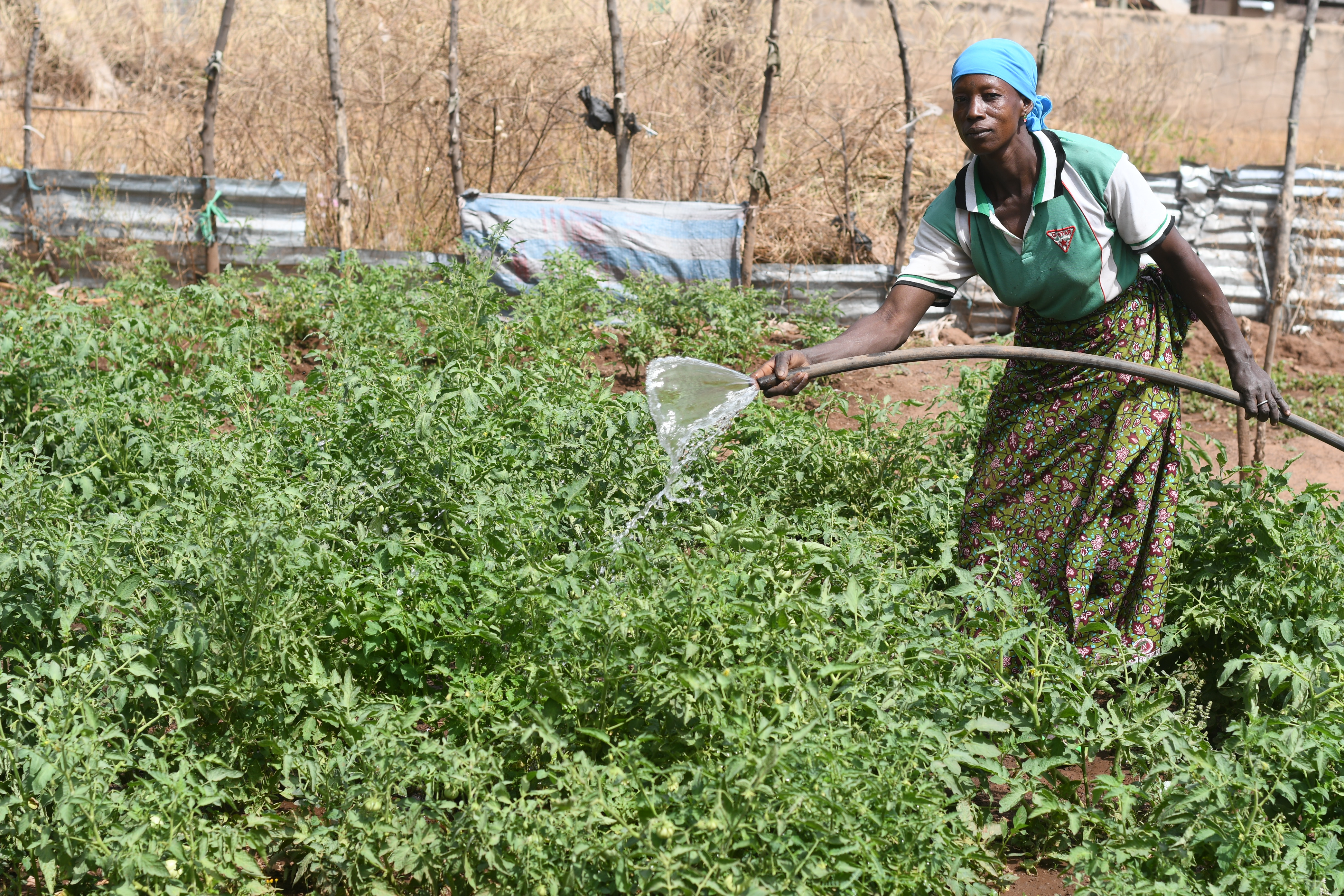
The dry season garden provided a new source of income and improved the community's nutrition. Fresh vegetables had previously been a luxury that many families could rarely afford. Now, however, they had access to healthy, homegrown produce all year round.
Transformation
The mechanised water system solved the issue of water scarcity and sparked a wave of positive change throughout Bulungu. At the clinic, healthcare delivery changed, and at the school, children no longer had to leave to go home just to drink water. The community has become more self-reliant and the women's group has emerged as a model of resilience and innovation.
Inspired by the success of the Bulungu Shea Butter Processing Women's Group, neighbouring villages adopted similar initiatives. The women became mentors, sharing their knowledge and experiences with others seeking to transform their own communities.
A legacy of empowerment
Today, the Bulungu Shea Butter Processing Women's Group is a testament to the power of innovation and collective action. What started as a fight for survival has grown into a tale of empowerment, development, and optimism. While the mechanised water system was the catalyst, it was the women's determination, creativity and unity that transformed a simple solution into a life-changing endeavour.
“Without access to safe water, women and girls are forced to spend hours each day collecting water, limiting their ability to pursue education, work, or other opportunities. This water facility added to the Shea processing center is benefiting the entire community, enabling girls and women to have enough time to attend to their economic and livelihood activities such as schooling and attending to their farms,” says Grace Safura Iddrissu.