When Aid Stops, Hope Persists

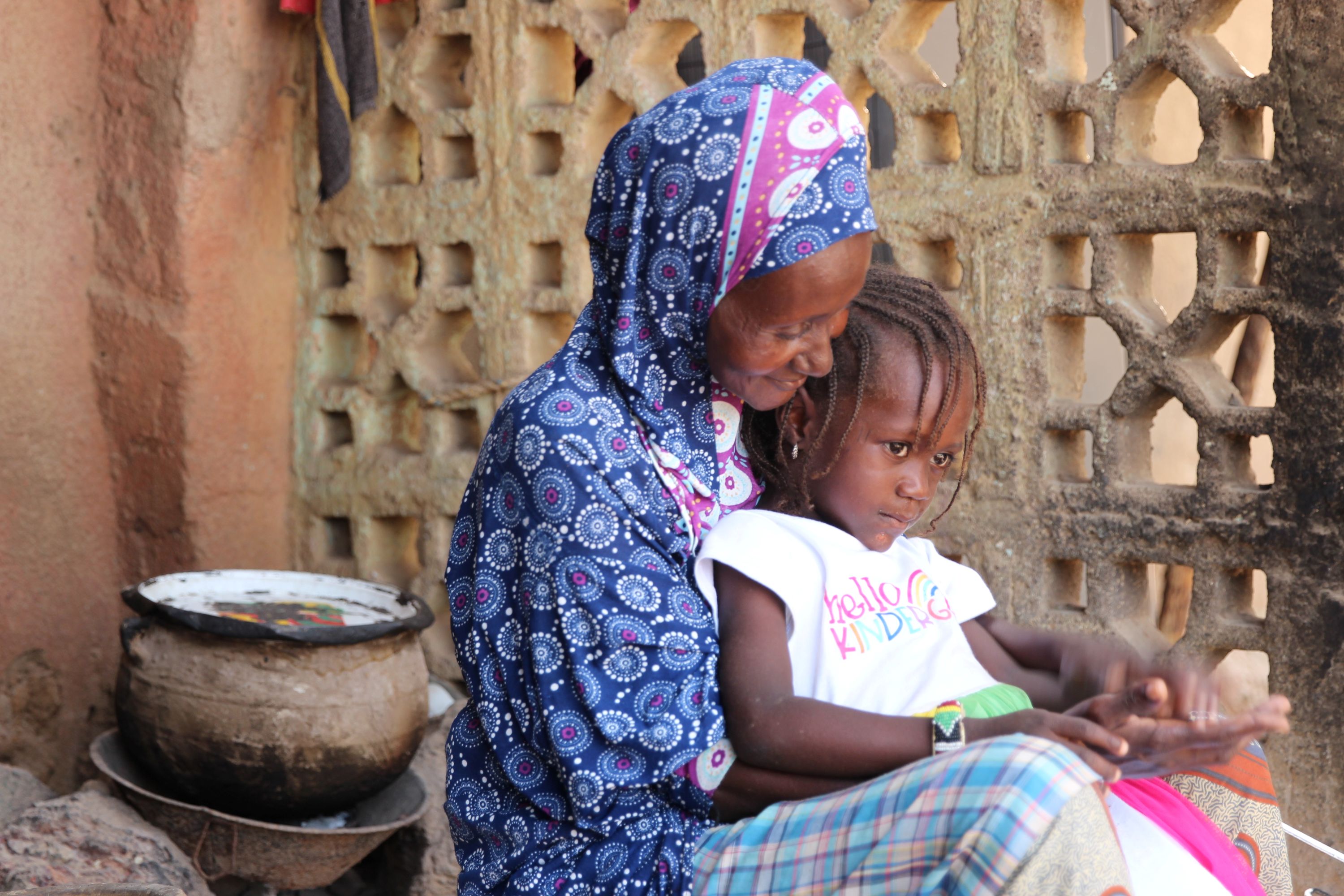
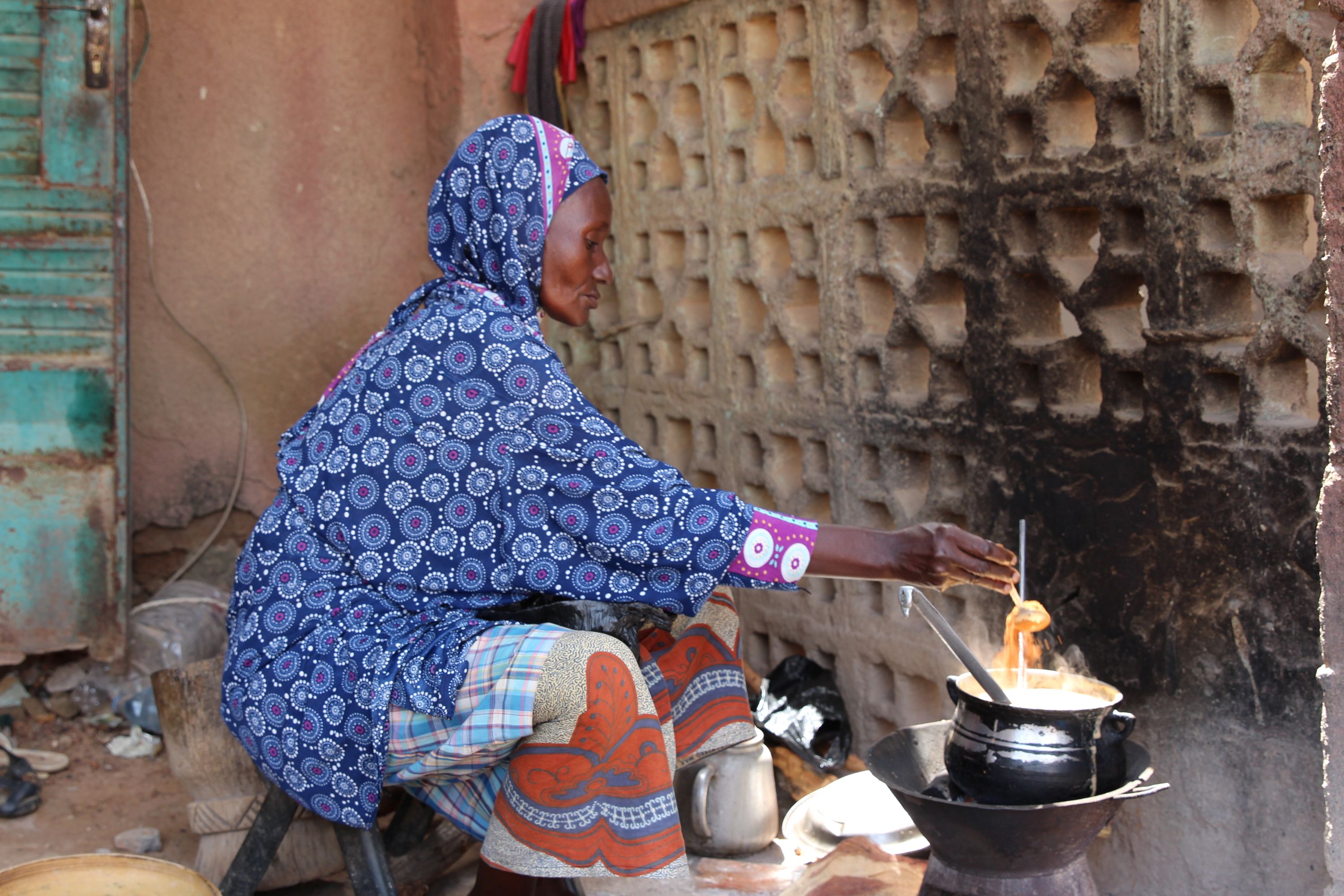
Every morning, Nana, a 57-year-old homemaker, wakes up to clean the health center in her neighborhood. With her monthly allowance of 15,000 FCFA, she must feed her children and cover their basic needs. Once a seller of household goods and utensils, Nana had to abandon her business over the years as her husband fell ill. Since his death eight months ago, her only stable source of income has been the allowance from maintaining the health center.
Her two sons, aged 16 and 18, occasionally contribute a little to the family’s modest budget. While these small amounts bring some relief, Nana and her children rarely eat their fill. Sometimes, her eldest daughter, who is married and lives in a nearby household, brings a few meals to help ease the family’s burden.
Aminata, her youngest daughter, just 5 years old, suffers the most from this hardship. Before the IHAM project, funded by BHA/USAID, she often went to bed hungry, tired and weak. Last September, Nana and her family received their first food distribution: rice, beans, oil, sugar, and pasta. For the first time in months, Aminata could eat her fill and regain the energy to play and learn.
“As soon as we received these food supplies, I felt that my children could finally go to bed with full stomachs,” Nana recalls.
Nana was full of hope. She had been told that another batch of food would arrive in the following months to help them through the lean season, ensuring that Aminata and her brothers could eat balanced meals. Every morning, she imagined regular meals and her children’s smiles around the pot. But a few weeks later, the news hit like a thunderclap: the project could not continue due to the halt in funding. Anxiety quickly replaced hope. Aminata and her siblings were once again on the brink of hunger, just like thousands of other vulnerable children and families in the area.
Despite the hardship, Aminata keeps her smile. Every meal provided by the IHAM project is a moment of security and energy, allowing her to laugh, play, and go to school.
Nana concludes with gratitude and resilience:
“If we hadn’t received this food, it would have been very difficult. We are so thankful, even though we had hoped the project would continue.”