
When Girls Lead: How a Refugee Girl is Inspiring Change in Her Community

Before sunrise each day, 11-year-old Yom Mayola's routine rarely resembled that of a typical child. Her mornings began with water fetching. Then came sweeping, cooking, cleaning and caring for younger siblings. By the time the chores were done, she was often exhausted.
"There was always work to do," Yom said. "Sometimes I wanted to join other children, but I was too busy or too tired."
For many girls living in refugee settlements, Yom's experience is familiar. Household responsibilities, cultural expectations, and economic hardship often leave little room for learning, recreation, or personal development.
Today, however, Yom stands in front of groups of children, leading activities, encouraging participation and helping organise learning sessions. The shy girl who once struggled to attend community activities has become a young leader in her settlement.
Her transformation began through the Life in Fullness Together (LIFT) Programme, implemented by World Vision in Pagirinya and Nyumanzi refugee Settlements in Adjumani district.
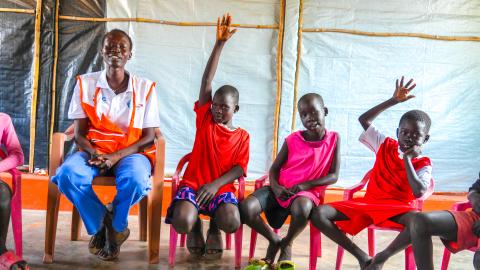
Designed to support the holistic wellbeing of children and adolescents, the programme combines social, emotional and learning support while actively engaging caregivers and families. Through safe and participatory spaces, children are encouraged to develop confidence, life skills and leadership abilities.
When facilitators first introduced the programme in Yom's community, joining was not easy.
Without her mother's approval, attending sessions felt impossible. Even after she began participating, she often arrived late because of her household responsibilities. During activities, she remained quiet and stayed close to children she already knew.
"I was shy and didn't talk much," she recalled. That slowly began to change.
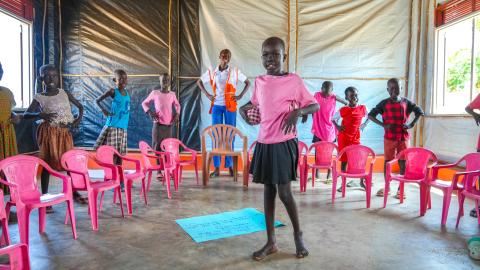
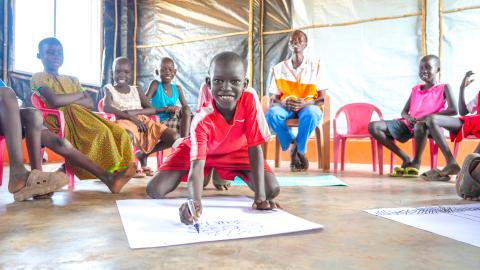
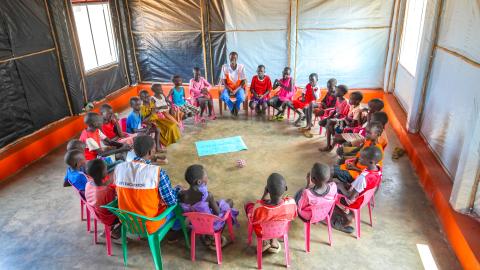
The sessions used games, storytelling, group discussions, and visual learning tools to encourage participation. Children sat in circles alongside facilitators, creating an environment where every voice mattered.
"I like that we sit together and everyone is allowed to share ideas," Yom said. "It made me feel comfortable."
A breakthrough came when programme facilitators visited her home and spoke with her mother about the benefits of participation.
For Yom's mother, Rebecca, allowing her daughter to spend time away from household duties was not an easy decision.
"In our culture, girls are expected to stay home and help with chores," she said. "I worried about her safety and whether she would neglect her responsibilities."
After learning more about the programme, she agreed to let Yom attend. The impact soon became visible.
Yom began managing her time differently, waking up earlier to complete chores before attending sessions. As her confidence grew, she volunteered for leadership roles and started helping facilitators mobilize other children.
Today, she leads energisers, supports learning activities and encourages her peers to participate.
"I enjoy helping other children and sharing ideas," she said. "It makes me feel like a leader."
Her confidence extends beyond the programme sessions. Yom now encourages other girls facing similar challenges to participate despite the demands of household work.
"I tell them they can still come after finishing their chores," she said. "They can learn, play and make friends."
The changes have not gone unnoticed at home.
"She is more confident now," her mother said. "She speaks up, finishes her responsibilities and works well with others."
Watching her daughter grow has also challenged long-held assumptions about the role of girls in the community.
"When I saw her leading other children, I realized girls can also lead," Arach Rebecca said.
Inspired by her daughter's experience, she later joined a caregiver cohort within the programme and eventually became a cohort leader herself, helping support other families.
For LIFT facilitator Brian Otim, Yom's journey illustrates the wider impact of investing in girls.
"When one girl gains confidence, others begin to see what is possible," he said. "Her example encourages more girls to participate, speak up and take leadership roles."
In communities affected by displacement, where children often face multiple barriers to opportunity, such changes can have lasting effects.
Yom's story is about more than one girl's personal growth. It reflects a gradual shift in attitudes about girls' participation, leadership, and potential.
From a child whose days were consumed by chores, she has become a confident role model for her peers and an inspiration for her family.
Her journey demonstrates that when girls are given safe spaces to learn, participate, and lead, the impact reaches far beyond the individual. It can influence families, challenge community norms, and help shape a generation of young leaders prepared to build a better future.
By: Patrick Akuku, LIFT Project Manager