
When Opportunity Takes Root: Flora’s Story of Resilience

By Leana Padera (Communications Graduate Trainee)
As Flora watches her children enjoy the snacks she has bought for them, she smiles. It is a simple moment, but for a single mother of five who has spent 19 years at Tongogara Refugee Settlement, it is a powerful reminder of resilience, progress, and the ability to provide for those she loves most. Forced to flee her home due to conflict and insecurity, Flora arrived at the settlement seeking safety and a chance to rebuild her life.
“Before, it was difficult to provide for my children,” says Flora, a person of concern living in Tongogara Refugee Settlement. "Now, I can buy food for my family, clothes for my children, and even small treats that make them happy."
For Flora, these everyday purchases represent something much bigger: dignity, stability, and the ability to care for her family with confidence.
Not long ago, this was unattainable for Flora who struggled daily to meet the basic needs for her children. Today, through farming, she is earning an income, feeding her family, and building a brighter future, one harvest at a time.
Like many persons of concern, Flora faced limited opportunities to earn an income. Although she had access to a 0.2-hectare plot of land allocated by the Government of Zimbabwe, she lacked the resources needed to make it productive.
Everything began to change in 2023 when World Vision Zimbabwe, through the UNHCR PRM Solutions Fund, supported persons of concern with agricultural inputs such as seeds, fertilizer, and access to water. The initiative complemented government efforts to strengthen livelihoods and promote self-reliance among refugees living in Tongogara Refugee Settlement.
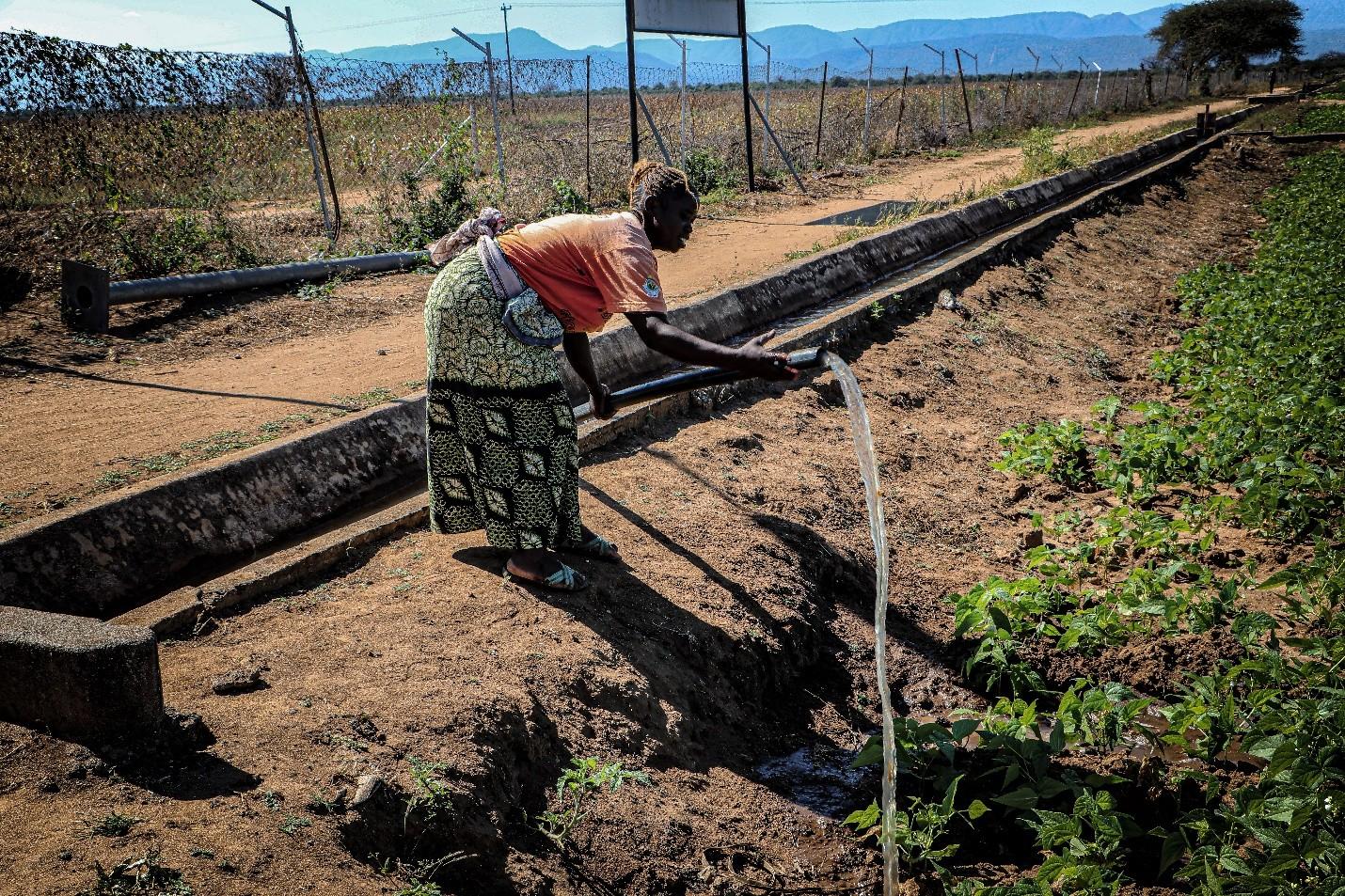
With the support she received, Flora planted maize, beans and vegetables. Through determination and hard work, her small plot soon became a source of both food and income.
“When harvest time came, I was very happy,” she recalls. “I was able to take food home for my family and sell some of the produce to people in the community.”
The income from her harvests has helped Flora pay school fees for her five children, all of whom are still in school, meet household expenses, and improve her family's food security. As her farming activities grew, she also started a small vending stall from her home, creating an additional source of income and further strengthening her ability to support her family.
Today, she is no longer just growing crops, she is growing opportunities for her children.
Building Self-Reliance
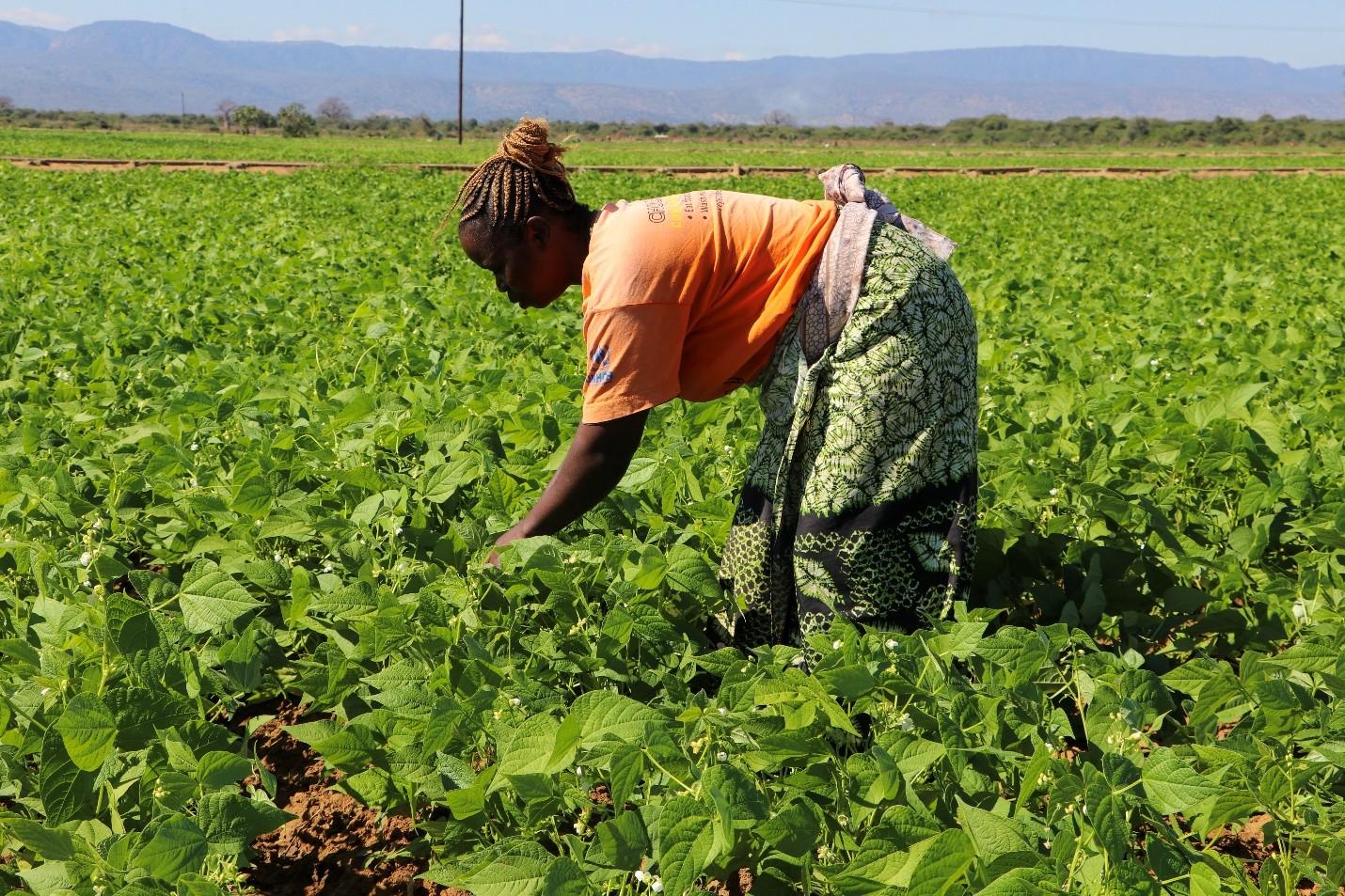
According to Brian Masango, a World Vision Field Facilitator, the project’s goal extends beyond providing immediate support.
“When the project started, we provided agricultural inputs to help farmers establish their farming activities,” he explains.
“As the farmers became more established, our focus shifted towards strengthening self-reliance. We now collaborate closely with Government of Zimbabwe agricultural extension officers (AGRITEX), who provide farmers with ongoing technical guidance and training. In addition, we support market linkages that connect farmers to larger and more profitable markets, helping them increase their incomes and strengthen their livelihoods.”
This approach is helping refugee build the skills, knowledge, and business connections needed to sustain their livelihoods long after the initial support has ended.
For Flora, this transition represents an important step towards independence.
Challenges Remain
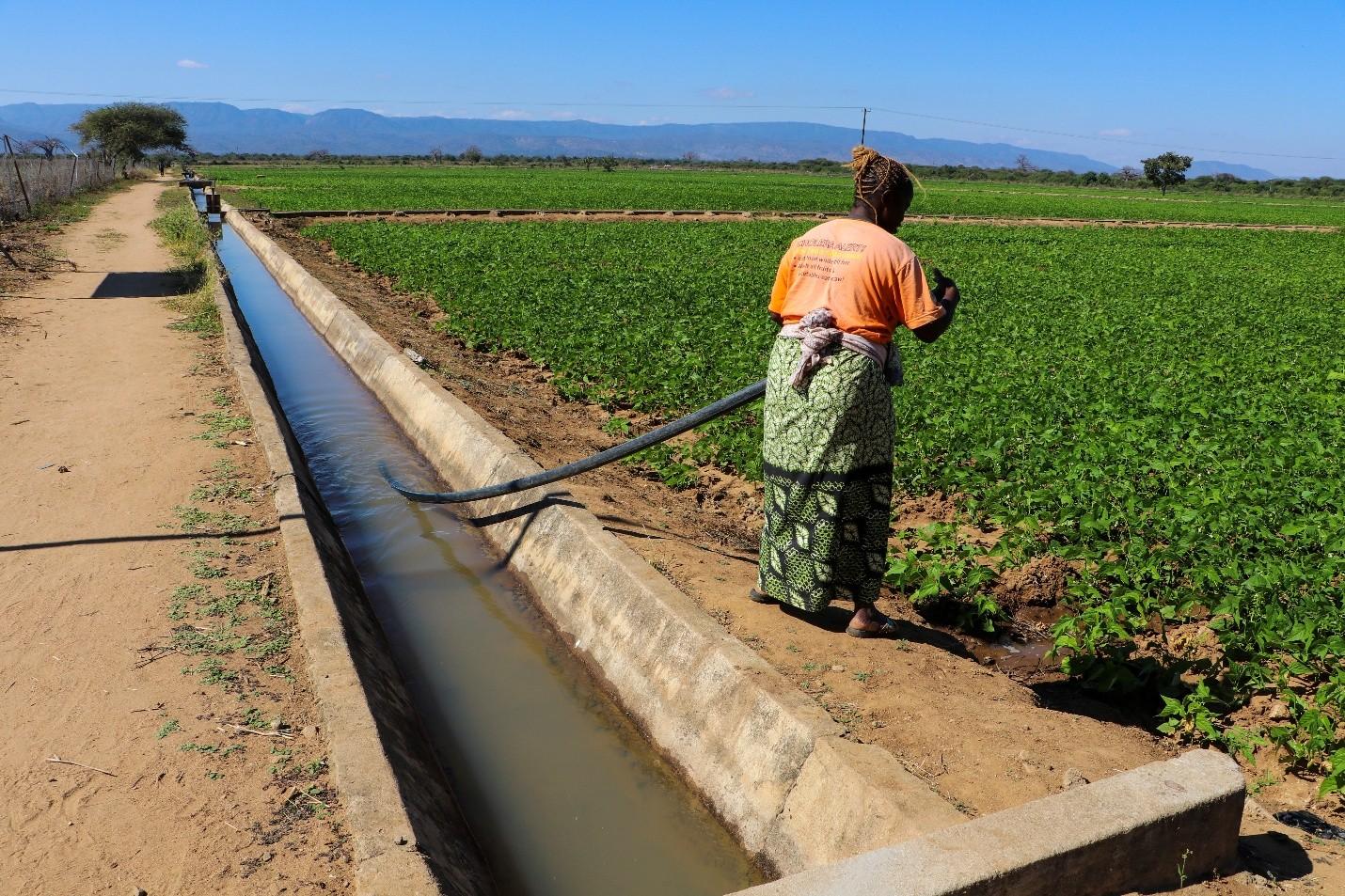
Despite her progress, Flora still faces obstacles. Water shortages continue to affect production, with limited supplies unable to meet the needs of all farmers in the area. Rising fertilizer costs are also reducing profits and making it more difficult to expand production.
Yet Flora remains determined.
“I still face challenges, especially with water and the cost of fertilizer,” she says.
“But farming has changed my life. I can now support my children in ways I could not before.”
As she looks towards the future, Flora’s hopes are simple but powerful, to continue providing for her family, keep her children in school, and grow her farming enterprise.
What began as a small farming project has become a pathway to self-reliance, one seed, one harvest, and one hopeful step at a time.