
Young Persons Of Concern Creating Livelihoods Through Poultry and Insect Farming

By Leana Padera (Communications Graduate Trainee)
Every morning, Jannet and her fellow group members make their way to the poultry project in Tongogara Refugee Settlement. Their day begins with cleaning the fowl run and collecting freshly laid eggs, a routine that has become a source of pride, purpose, and hope.
Janet says that one of the highlights of the day is gathering up to 9 trays of fresh eggs from the project's 459-layer hens. What may seem like an ordinary task represents something far greater, a pathway towards self-reliance and a brighter future.
“When we started our project in 2023 with support from World Vision Zimbabwe, funded through the UNHCR Bureau of Populations, Refugees and Migrations (PRM) Solutions Fund, we never imagined how much it would transform our lives. Since then, it has been a truly life-changing experience,” said Jannet.
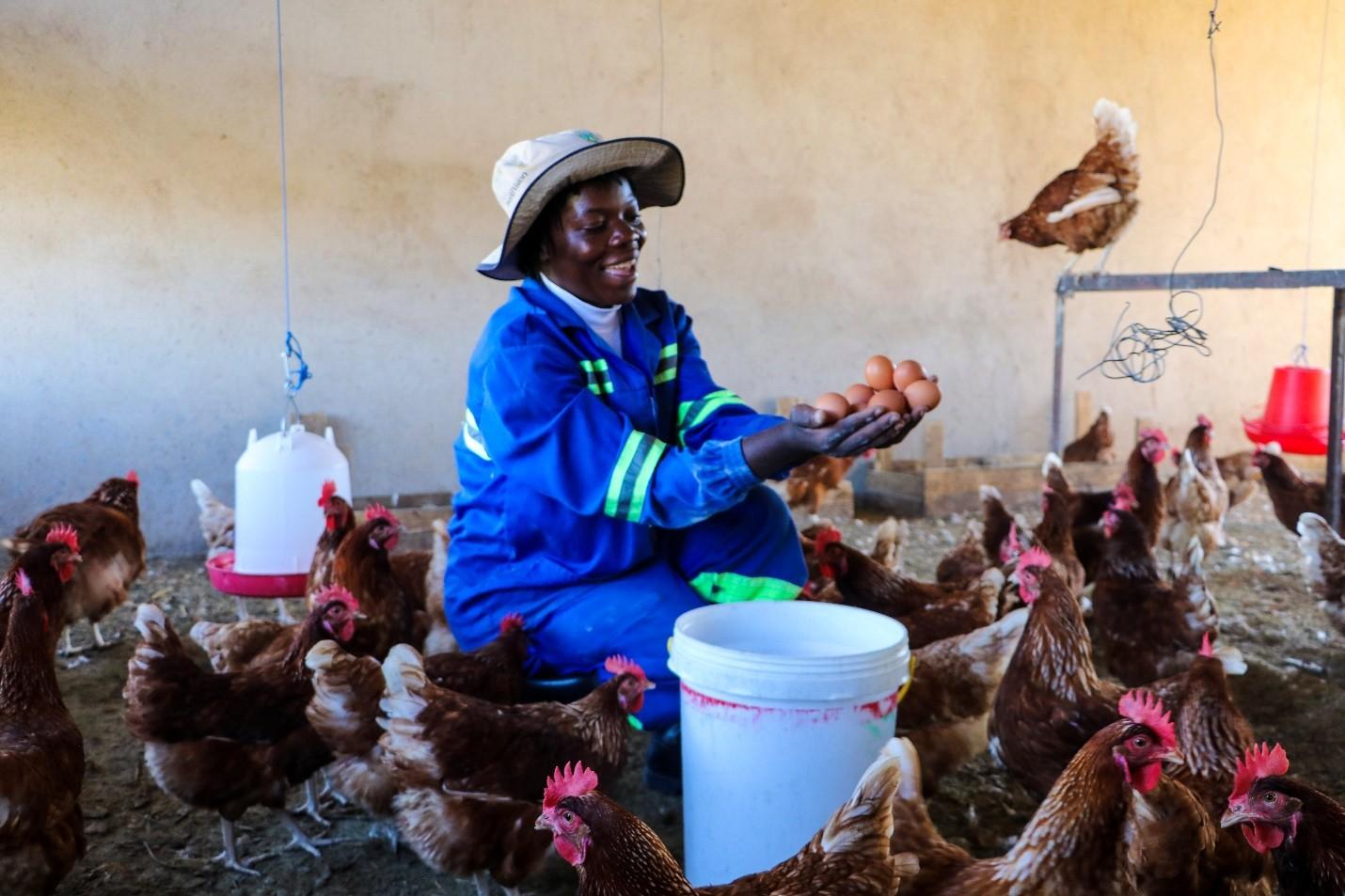
The project is run by a group of 11 young refugees representing 11 households, who are determined to build sustainable livelihoods despite the challenges of displacement. Through the poultry project, the group has found a productive way to generate income, develop business skills, and contribute positively to their community while supporting the well-being of their families.
Today, the project generates up to nearly USD1,000 in monthly sales from egg production. The income enables members to reinvest in the business while also supporting their households.
"We sell our eggs for USD 4 per crate. On a good month, we are able to share some of the profits among ourselves. People can buy clothes, groceries, and help meet household needs," Jannet said with a smile.
What makes the project particularly unique is its integration of insect farming, an innovative and environmentally sustainable practice that will help the group reduce production costs.
For a group operating in a settlement where resources can be limited, insect farming presents a promising solution to one of their biggest challenge, the rising cost of feed. While the initiative is still in its early stages and has not yet begun producing feed at scale, members are optimistic about its potential to improve profitability and strengthen the sustainability of the poultry enterprise.
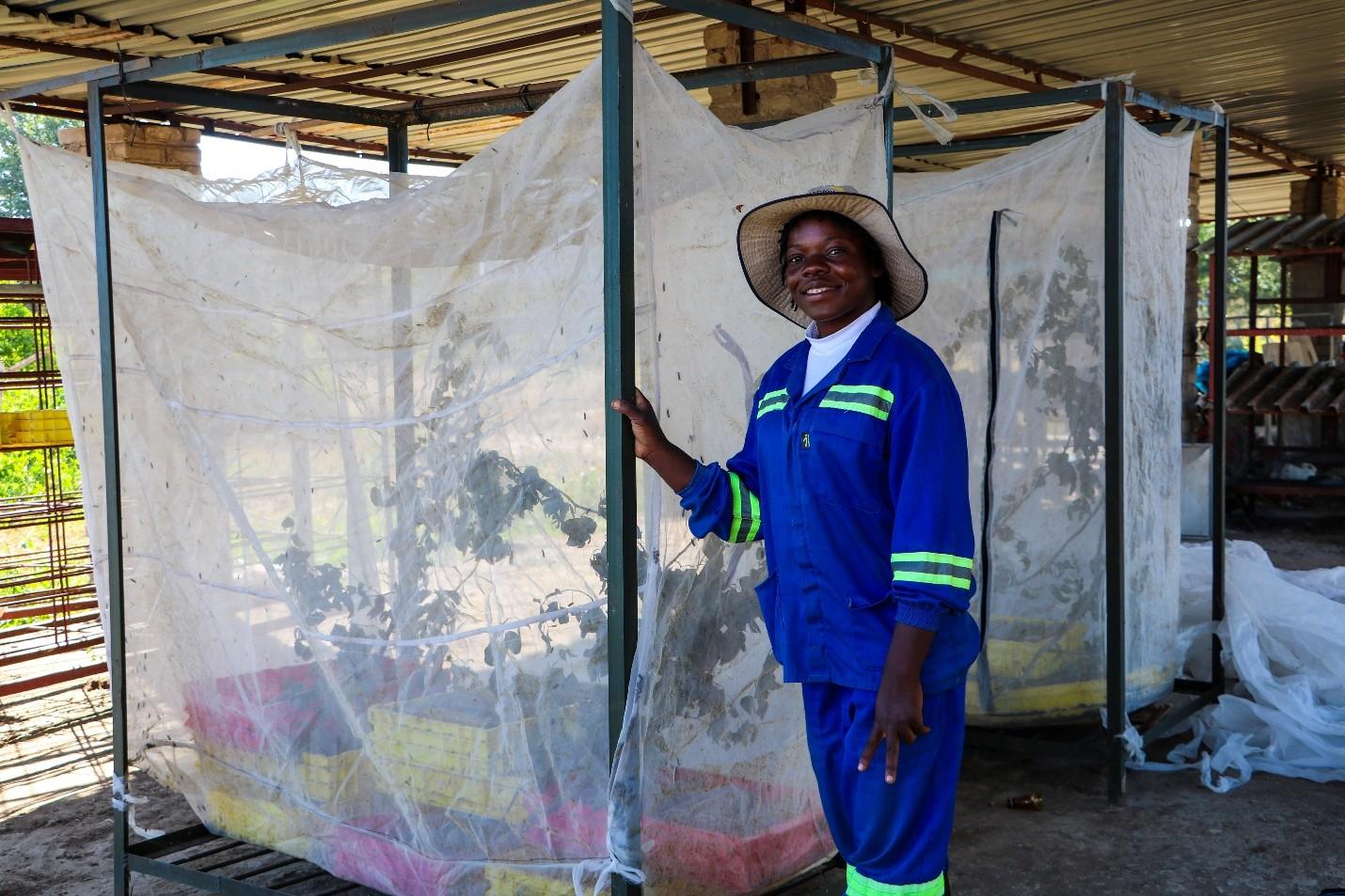
"Insect farming has helped us learn new skills and explore new ways of reducing our costs. We are still developing the project, but we believe it will play an important role in helping us become more self-reliant in the future," Jannet explained.
Beyond generating income, the project is providing young people with opportunities to learn, work together, and build confidence.
"I think it is great that young people are spending their time doing productive things, learning new skills, and investing their effort into something meaningful instead of engaging in unproductive activities," she said.
The group has also benefited from additional support provided through the United Nations High Commissioner for Refugees (UNHCR), including a piped water system, a solar-powered system, a greenhouse, a refrigerator, and other resources that have strengthened the project's operations and sustainability.
"We are grateful for the support we have received. These resources have helped us improve our project and given us the tools we need to succeed," said Janet.
Despite the remarkable progress, challenges remain. The rising cost of poultry feed continues to place pressure on the business, limiting opportunities for expansion and reducing potential profits.
"We look forward to growing our project even further, but one of the things we struggle with is feed. The prices have been skyrocketing, and it is becoming difficult to keep up," she said.
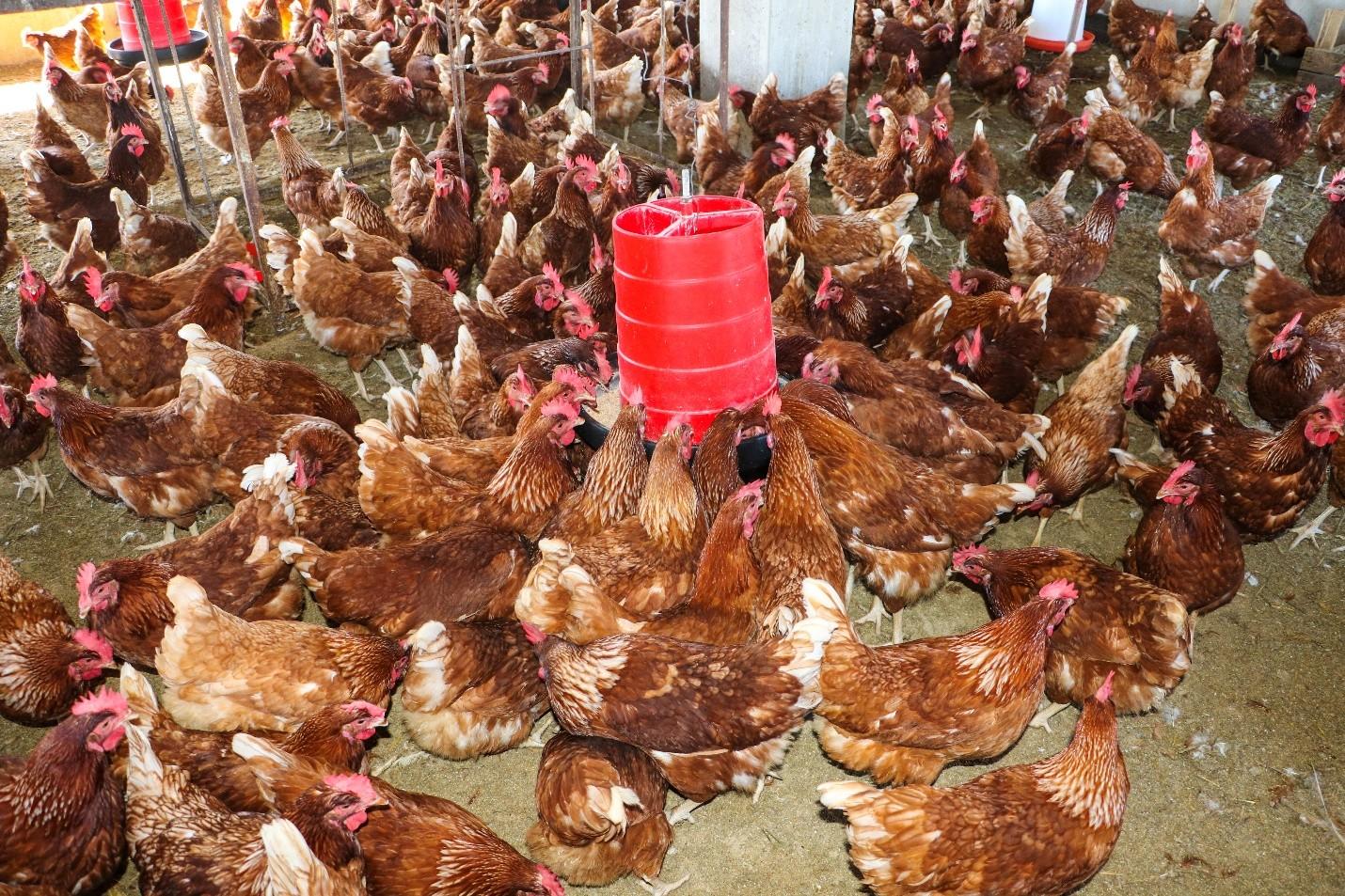
Looking ahead, the group hopes to expand both its poultry and insect farming projects, increase egg production, and create more livelihood opportunities for other young refugees within the settlement. Their vision is to build a thriving agribusiness that not only supports their own families but also contributes to the economic development of the wider refugee community.
"What is encouraging about this project is seeing young people take ownership of their future. Through poultry and insect farming, they are gaining practical skills, generating income, and building sustainable livelihoods for themselves and their families," said Brian Masango, World Vision Zimbabwe Field Officer.
For Jannet and her fellow group members, every egg collected and every tray sold is more than just income, it is proof that with opportunity, determination, and the right support, young refugees can transform their futures and become agents of change within their communities.