press release / June 24, 2026
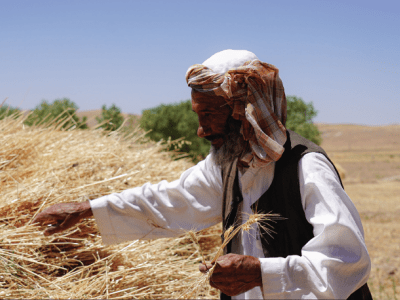
World Vision Strengthen Community Disaster Risk Reduction capacity amid the super El Niño impact forecast in Southern Africa
World Vision strengthens community resilience in Southern Africa through Disaster Risk Reduction as a forecasted super El Niño threatens drought and floods in Mozambique.
article / July 15, 2026
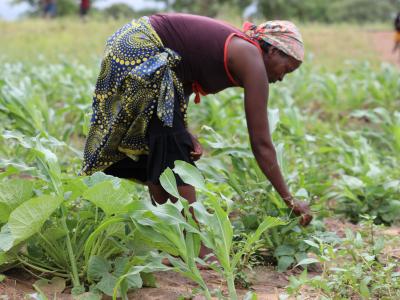
World Vision Lesotho Equips Teachers to Strengthen WASH Clubs, Active Citizenship and Disaster Preparedness
World Vision Lesotho trained 81 teachers to strengthen WASH Clubs, active citizenship and disaster preparedness, empowering learners to build healthier, safer and more resilient schools.
article / August 3, 2026
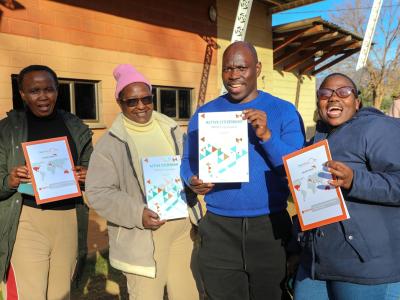
From Floodwaters to Hope: Gwaimaoa Community's Journey to Safe Water and Resilience
Discover how Gwaimaoa Community transformed from flood and water insecurity to resilience through safe water access, disaster preparedness, and community action.
article / July 21, 2026
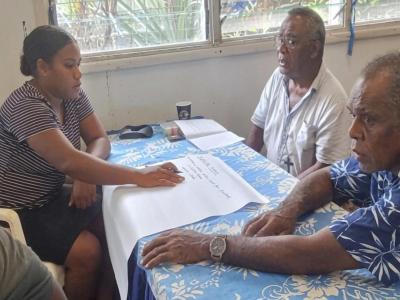
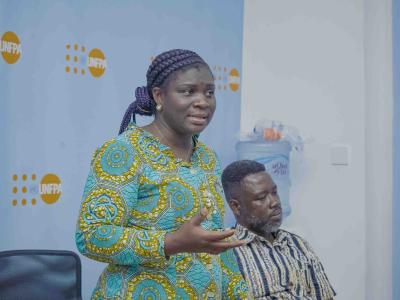
World Vision Ghana, UNFPA Validate Findings on Health Facility Readiness in Disaster-Prone Areas
World Vision Ghana, UNFPA, the Ministry of Health, and Ghana Health Service validate findings from an assessment of health facility readiness to deliver essential maternal and reproductive health services in disaster-prone areas across Ghana.
publication / July 14, 2026
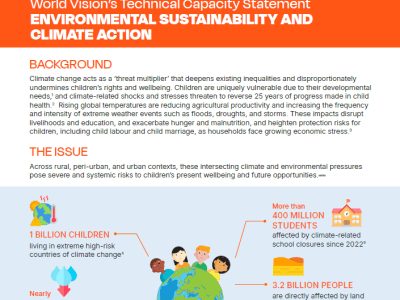
World Vision’s Technical Capacity Statement - Environmental Sustainability and Climate Action
Discover World Vision’s climate action impact across 69 countries—restoring land, training communities, and building resilience for children.
publication / August 6, 2026
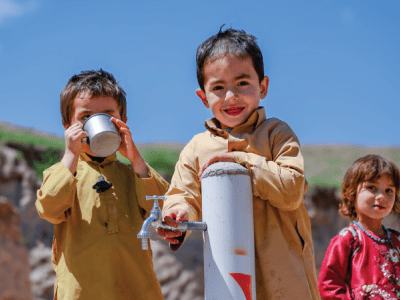
Situation Report | Reporting Period 1 February – 31 March FY26
World Vision Afghanistan reached 463,622 people through health, WASH, food security, livelihoods, protection, and emergency response.
publication / July 31, 2026
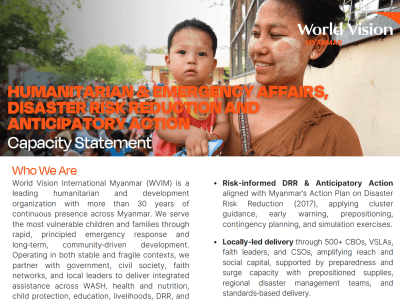
HEA and DRR Capacity Statement
World Vision International Myanmar (WVIM) is one of the longest-serving humanitarian and development organization in Myanmar, with more than three decades of operational presence across both stable and conflict-affected contexts. We partner closely with government ministries, civil society, faith based groups, local leaders, and communities to deliver integrated programs in education, child protection, health and nutrition, WASH, livelihoods, and disaster response. Our locally rooted teams ensure culturally relevant, community owned solutions that support children to thrive. In livelihood, our work focuses on strengthening household resilience, restoring livelihoods, and protecting the well-being of vulnerable children through integrated, community-driven approaches that address both immediate needs and long-term recovery. Each year, our programmes reach millions, reflecting our commitment to ensure children are educated, protected, and cared for in safe and resilient communities.
publication / August 4, 2026
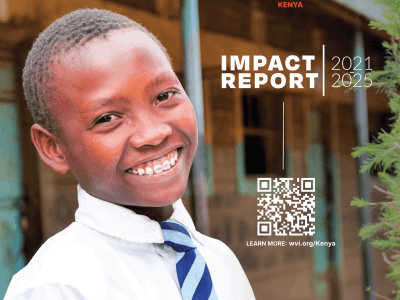
World Vision Kenya 2025 Impact Report
Explore World Vision Kenya’s 2021–2025 Impact Report, highlighting how 4.6 million people and 9.4 million children were reached through advocacy and transformative projects in different sectors (Child Learning and Household Resilience, Disaster Management, Climate Change and WASH)
article / August 7, 2026
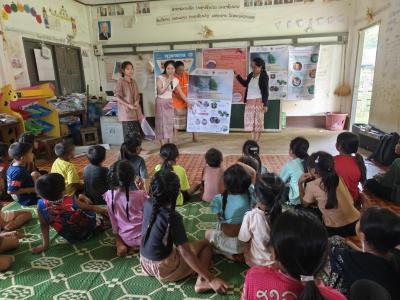
From Uncertainty to Purpose: Kongmee's Journey of Hope and Leadership
From uncertainty to leadership, Kongmee's journey through World Vision's D2D Youth Activity helped her discover her dreams, confidence, and purpose.
publication / August 6, 2026
Situation Report I Period 1 December 2025 – 31 January FY26
World Vision Afghanistan reached 450,542 people with health, WASH, food security, livelihoods, protection, and emergency assistance.