article / August 2, 2026
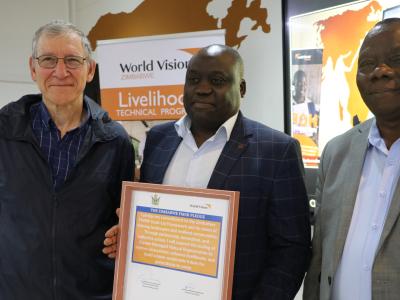
World Vision Zimbabwe Unveils National Framework to Scale Up Farmer Managed Natural Regeneration.
FMNR is a simple, low-cost and highly effective practice that regenerates trees from existing tree stumps, living roots and naturally occurring seeds already present in the soil.
publication / August 2, 2026
Climate Action, Resilience and Sustainable Livelihoods Capacity Statement
Climate Action, Resilience and Sustainable Livelihoods Capacity Statement
article / August 3, 2026
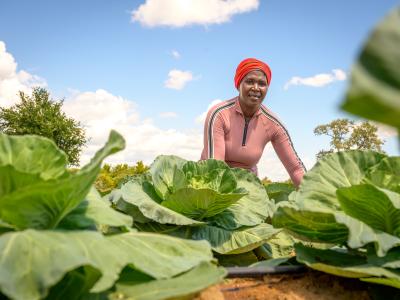
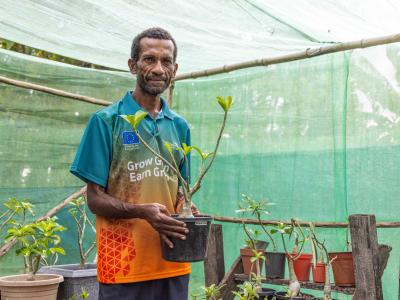
Growing Change Through Floriculture in Nasuapum
William Zanekgo, a floriculture leader from Nasuapum, transformed his agricultural expertise into a thriving community enterprise through World Vision’s EU-supported Flower Power Project, empowering women, youth, and people with disabilities to improve livelihoods and promote sustainable development
article / August 3, 2026
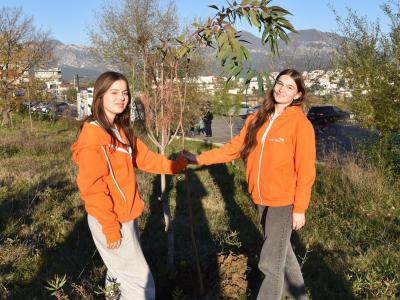
From forgotten space to community landmark: How young people sparked change at Paskuqani Lake, Albania
In Kamëz, Albania, young people from WV Albania’s IMPACT clubs led the transformation of Paskuqani Lake from a neglected, polluted area into a vibrant 84-hectare green park. What began with youth-led tree planting and community murals was championed by the local municipality, Environmental Agency, and local businesses - unlocking wider investment in playgrounds, walking and cycling paths, and restored green spaces.
The initiative has revived local biodiversity, strengthened community pride, and created a thriving public space. It shows how empowered youth and committed local government can work together to drive lasting environmental change.
video / August 3, 2026
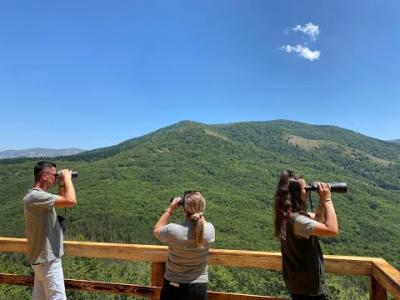
Panoramic balconies as a model for connecting people with nature and sustainable management of protected areas
World Vision Albania, in collaboration with PONT, is promoting biodiversity conservation in Shebenik and Korab-Koritnik parks through small, well-planned infrastructure like panoramic balconies, supporting sustainable tourism, education, and community engagement.
publication / July 14, 2026
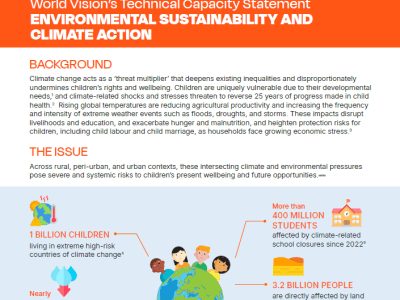
World Vision’s Technical Capacity Statement - Environmental Sustainability and Climate Action
Discover World Vision’s climate action impact across 69 countries—restoring land, training communities, and building resilience for children.
publication / June 18, 2026
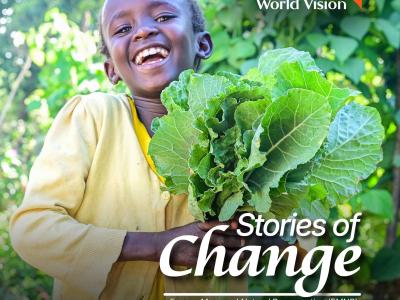
Stories of Change - Farmer Managed Natural Regeneration (FMNR)
Stories of how FMNR and complementary approaches restored landscapes, strengthened livelihoods and built climate resilience in Kenya's Central Rift.
article / August 2, 2026
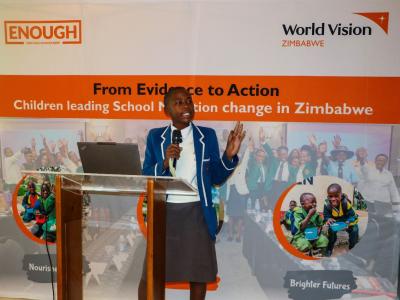
Children's Voices Driving Change Through the Enough Campaign
Through World Vision’s Enough Campaign, a campaign calling for collective action to end child hunger and malnutrition, children are not only raising awareness about child hunger and malnutrition but also using their voices to influence solutions to improve school meals and nutrition across the country.
article / August 5, 2026
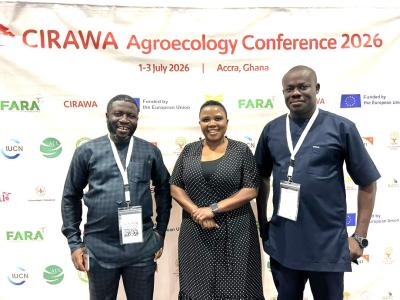
World Vision Ghana Champions Agroecology and Landscape Restoration at CIRAWA Conference 2026
How can Africa restore degraded landscapes while producing enough food for a rapidly growing population? This question was at the heart of the CIRAWA Agroecology Conference 2026, held in Accra from 1–3 July, where policymakers, researchers, development partners, private sector actors, civil society organisations, and farmers came together under the theme: "Agroecology and Nature-Based Solutions for Sustainable Food Systems in Africa."
publication / August 4, 2026
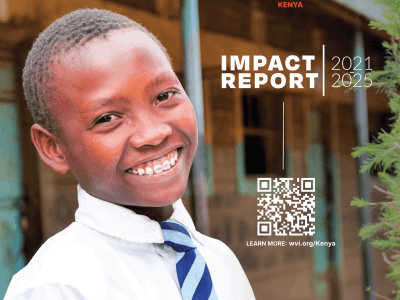
World Vision Kenya 2025 Impact Report
Explore World Vision Kenya’s 2021–2025 Impact Report, highlighting how 4.6 million people and 9.4 million children were reached through advocacy and transformative projects in different sectors (Child Learning and Household Resilience, Disaster Management, Climate Change and WASH)