article / September 1, 2026
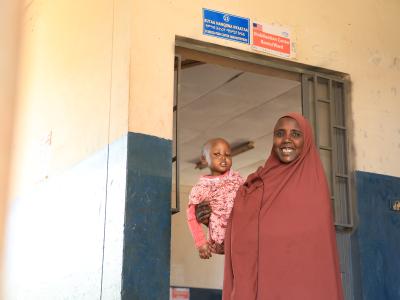
Ten Days That Changed Efrahe's Life
After severe acute malnutrition left two-year-old Efrahe critically ill, timely treatment and support helped her regain her strength, health, and smile.
press release / September 3, 2026
World Vision Lesotho, Government, U.S. Embassy and Health Partners Come Together to Strengthen Faith and Community Health Services in Lesotho
World Vision Lesotho, Government, U.S. Embassy and health partners come together to co-create a roadmap to strengthen faith and community health services in Lesotho.
publication / August 28, 2026
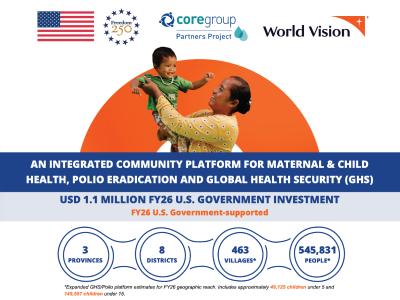
CORE Group Partners Project (CGPP) An Integrated Community Platform for Maternal & Child Health, Polio Eradication and Global Health Security (GHS)
CORE Group Partners Project (CGPP) An Integrated Community Platform for Maternal & Child Health, Polio Eradication and Global Health Security (GHS)
article / August 27, 2026
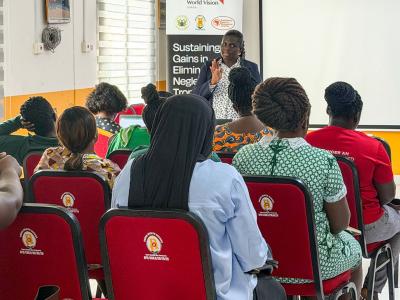
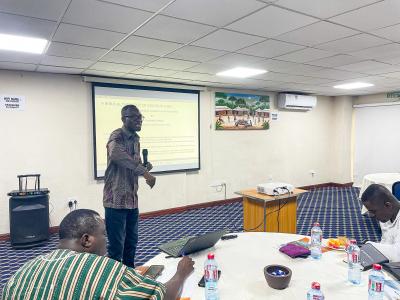
World Vision Ghana Advances Child-Centred Creation Care Through National Consultative Workshop
World Vision Ghana convened a three-day consultative workshop in Accra, bringing together faith leaders, theological institutions and development practitioners to strengthen child-centred Creation Care and advance environmental stewardship and climate action through churches.
article / September 2, 2026
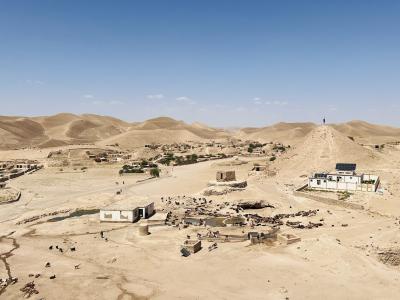
Building Dignity, Restoring Health: How Community Contributions Transformed an Entire Village into an Open Defecation-Free Community
Discover how Khuja Espalan village in Faryab became Open Defecation-Free through community action, local contributions, and improved sanitation.
publication / September 3, 2026
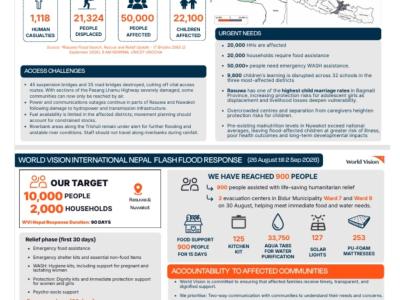
Situation Report 1: World Vision International Nepal | Nepal Flash Floods Response 2026
As of 2 September 2026, World Vision International Nepal's Flash Flood Response Situation Report 1 provides an overview of the humanitarian impact of the devastating floods affecting Rasuwa, Nuwakot, Dhading, and surrounding districts. With 50,000 people affected and more than 21,000 displaced, the report highlights urgent needs in food security, shelter, WASH, child protection, and education. It outlines World Vision's 90-day emergency response targeting 10,000 people across 2,000 households and reports that 900 people have been reached with life-saving assistance, including food support, kitchen kits, shelter kits and essential non-food items, water purification supplies, solar lights, hygiene kits, dignity kits for women and girls, and psychosocial support.
article / August 24, 2026
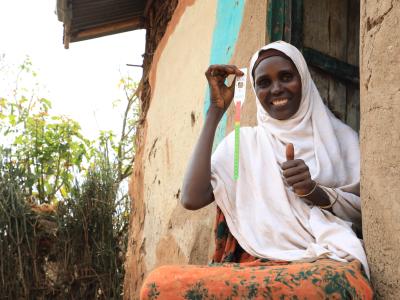
A Mother's Knowledge, A Child's Recovery
A mother trained in Family MUAC screening identified her child’s malnutrition early, helping him recover and enabling more children in East Bale to access timely treatment.
article / August 24, 2026
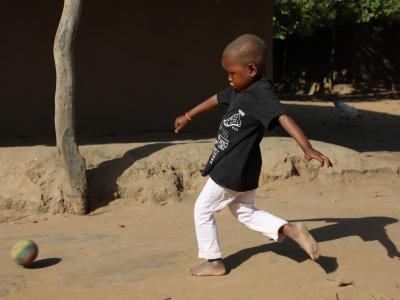
Trangelito Kicks His Way Back to Health
After battling severe acute malnutrition and malaria, five-year-old Trangelito regained his strength with timely medical care and continued support from community volunteers in Monapo.
article / August 27, 2026
World Vision Ghana Trains over 270 Health Workers to Strengthen Community-Based Surveillance and Care for Neglected Tropical Diseases
World Vision Ghana, in partnership with the National NTD Programme, is strengthening community-based surveillance and care for neglected tropical diseases through the training of frontline health workers, improving early detection, referrals, NHIS enrolment and access to essential healthcare services.