press release / September 3, 2026
World Vision Lesotho, Government, U.S. Embassy and Health Partners Come Together to Strengthen Faith and Community Health Services in Lesotho
World Vision Lesotho, Government, U.S. Embassy and health partners come together to co-create a roadmap to strengthen faith and community health services in Lesotho.
article / September 3, 2026
DRC: Mobilizing Faith Leaders to Curb the Spread of Ebola Through Channels of Hope
This article explores how World Vision's Channels of Hope (CoH) approach is supporting the fight against Ebola in Ituri Province by engaging religious leaders and communities. By training faith leaders to deliver culturally relevant health messages, the programme helps build trust, reduce stigma, and encourage the adoption of preventive measures. Through testimonies from health professionals and religious leaders in Nyakunde, the story demonstrates that defeating Ebola requires not only medical interventions but also strong community engagement and trusted local voices.
article / August 26, 2026
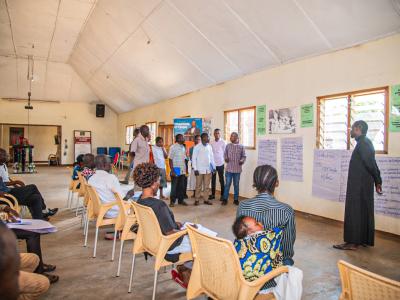
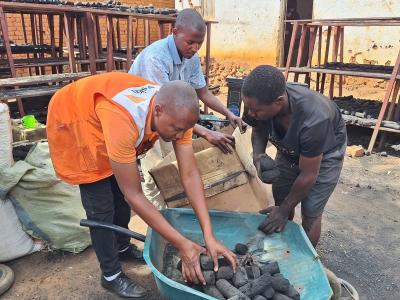
From Palm Oil Waste to Eco-Charcoal: A Story of Youth Empowerment in Nyanza
A group of driven young people in Nyanza — a commune in southern Burundi known for its oil palm — is rewriting challenges into opportunities. Trained by World Vision in business planning, organizational management, and mindset change, sixteen youths came together to form the Multiproduction Cooperative. Their mission: to transform residues left after palm oil processing into eco-friendly charcoal.
publication / September 4, 2026
Global Accountability Report 2025
Explore World Vision's 2025 Accountability Report, highlighting transparency, safeguarding, financial stewardship, resilience, and community impact.
article / September 2, 2026
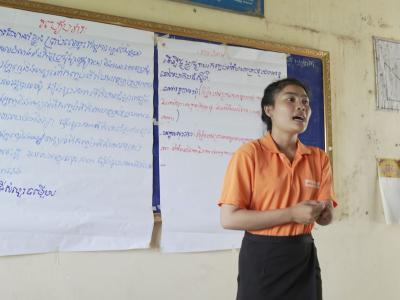
Forging an Inclusive and Gender Equitable Climate Action: Amplifying the Leadership of Girls and Women with Disabilities
Persons with disabilities make up the world’s largest minority—80% live in low- and middle-income countries. In Asia Pacific alone, nearly 108 million children with disabilities face mounting climate risks, for instance, more treacherous typhoons, floods and heatwaves.
article / August 21, 2026
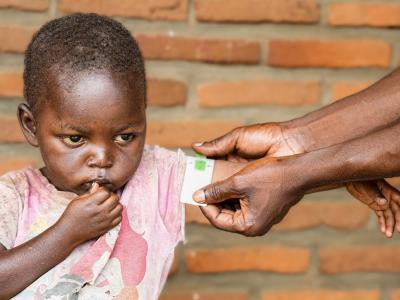
DR Congo: When War Overtakes Healing but Hope Prevails: The Story of GAKURU
GAKURU’s story illustrates the devastating impact of conflict and displacement on children facing malnutrition in eastern Democratic Republic of the Congo. After recovering from severe acute malnutrition with support from World Vision, two-year-old GAKURU was forced to flee with his family when violence swept through his village, leading to a relapse. Through continued nutritional support and follow-up care, he eventually recovered. His journey highlights the resilience of children and families living through crisis, while showing how World Vision’s Nexus Accelerator Fund continues to provide life-saving nutrition support in hard-to-reach and conflict-affected communities.
article / August 27, 2026
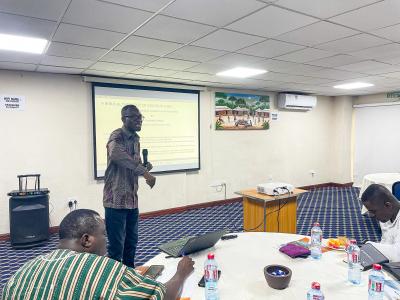
World Vision Ghana Advances Child-Centred Creation Care Through National Consultative Workshop
World Vision Ghana convened a three-day consultative workshop in Accra, bringing together faith leaders, theological institutions and development practitioners to strengthen child-centred Creation Care and advance environmental stewardship and climate action through churches.
article / August 26, 2026
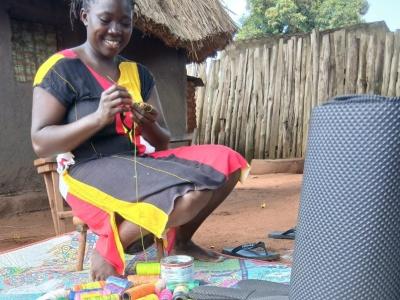
Empowered by Opportunity: Rhoda's Journey Back to Her Craft
When the Empowered Worldview (EWV) training came to Maridi, Rhoda was mobilized along with 74 others. She was placed in the first group, one of the earliest to sit through the three-day training.
She did not know it yet, but those three days would undo years of quiet self-doubt.
The sessions moved through identity, vision, relationships, the roots of poverty, and mindset change grounded in biblical reflection. Two stories struck something in her: Moses and the staff in his hand (Exodus 4:1–5), and the widow whose jars of oil never ran dry (2 Kings 4:1–7).
video / August 28, 2026
From Struggle to Harvest: Meet The Chikwenda Family
Agriculture provides a livelihood for more than 70% of Zambia's population, yet more than three in four rural households still fall below the poverty line (FAO Zambia; World Bank, 2025).