
World Vision Ghana Advances Child-Centred Creation Care Through National Consultative Workshop

By Vivian Adu, Communications Officer
World Vision Ghana, through its Faith and Development Unit, has successfully convened a three-day Consultative Workshop aimed at strengthening child-centred Creation Care and enhancing the role of churches in promoting environmental stewardship and climate action among children and young people.
Held in Accra, the workshop brought together approximately 40 participants over the three-day period, including children ministry leaders, pastors, theological seminary representatives and World Vision Ghana staff. The gathering focused on reviewing the Creation Care Guide for children and identifying practical pathways to integrate child-centred Creation Care into church ministry, theological formation and Environmental Stewardship and Climate Action (ESCA) programming.
The workshop formed part of World Vision Ghana's commitment to equipping faith institutions to respond effectively to growing environmental challenges while intentionally recognising children as active participants and agents of change in creation care initiatives.
Using a participatory and co-creation approach, the workshop enabled stakeholders to jointly reflect on the environmental realities affecting communities across Ghana and develop practical responses rooted in biblical and theological principles.
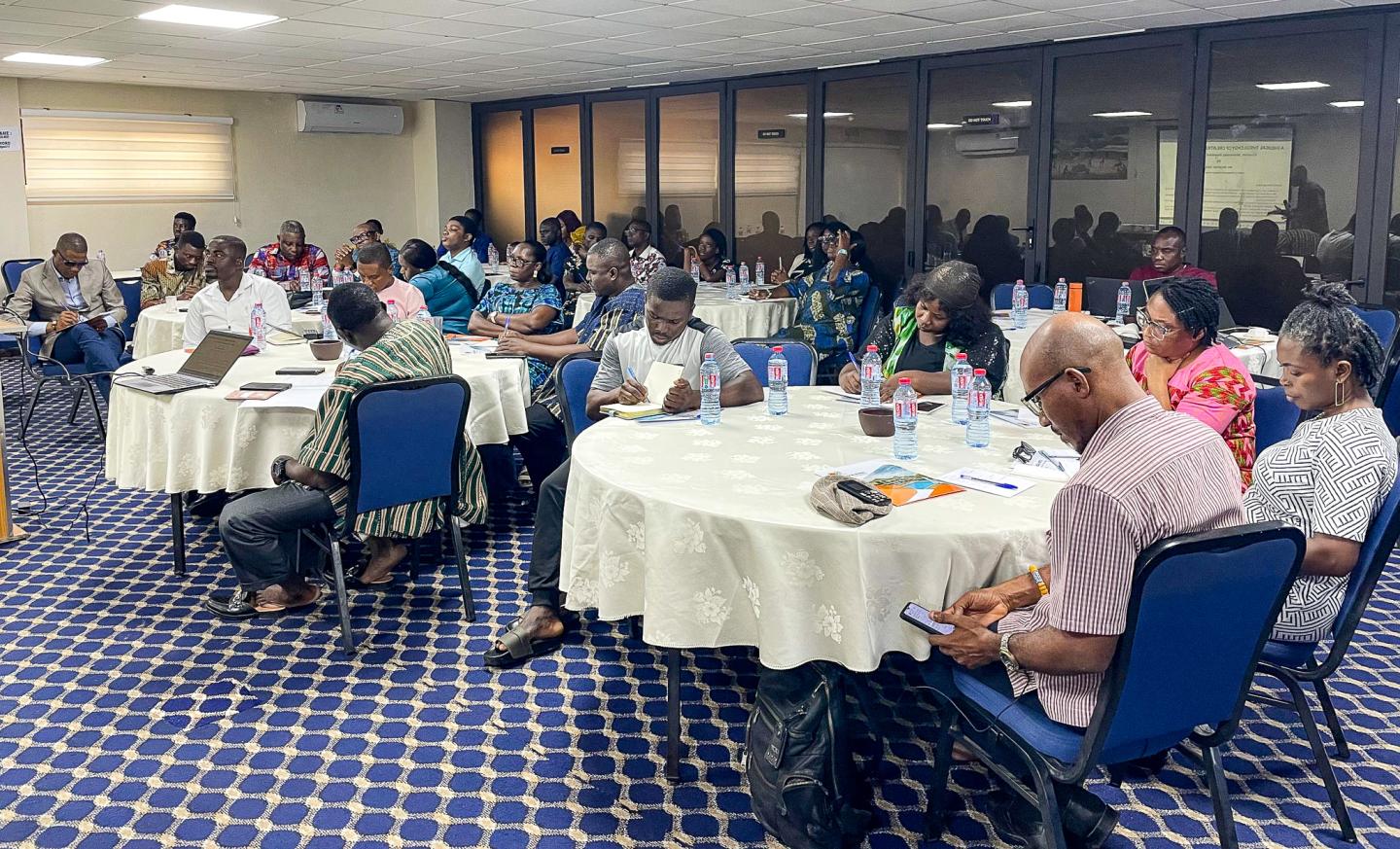
Day One established a common foundation through group Bible study sessions and an open forum that examined pressing environmental concerns facing the country. Participants discussed the impact of illegal mining (galamsey), plastic pollution, poor drainage systems and flooding, deforestation, and weak enforcement of environmental regulations. These discussions highlighted the urgent need for churches and faith communities to play a stronger role in environmental stewardship while empowering children to contribute meaningfully to solutions.
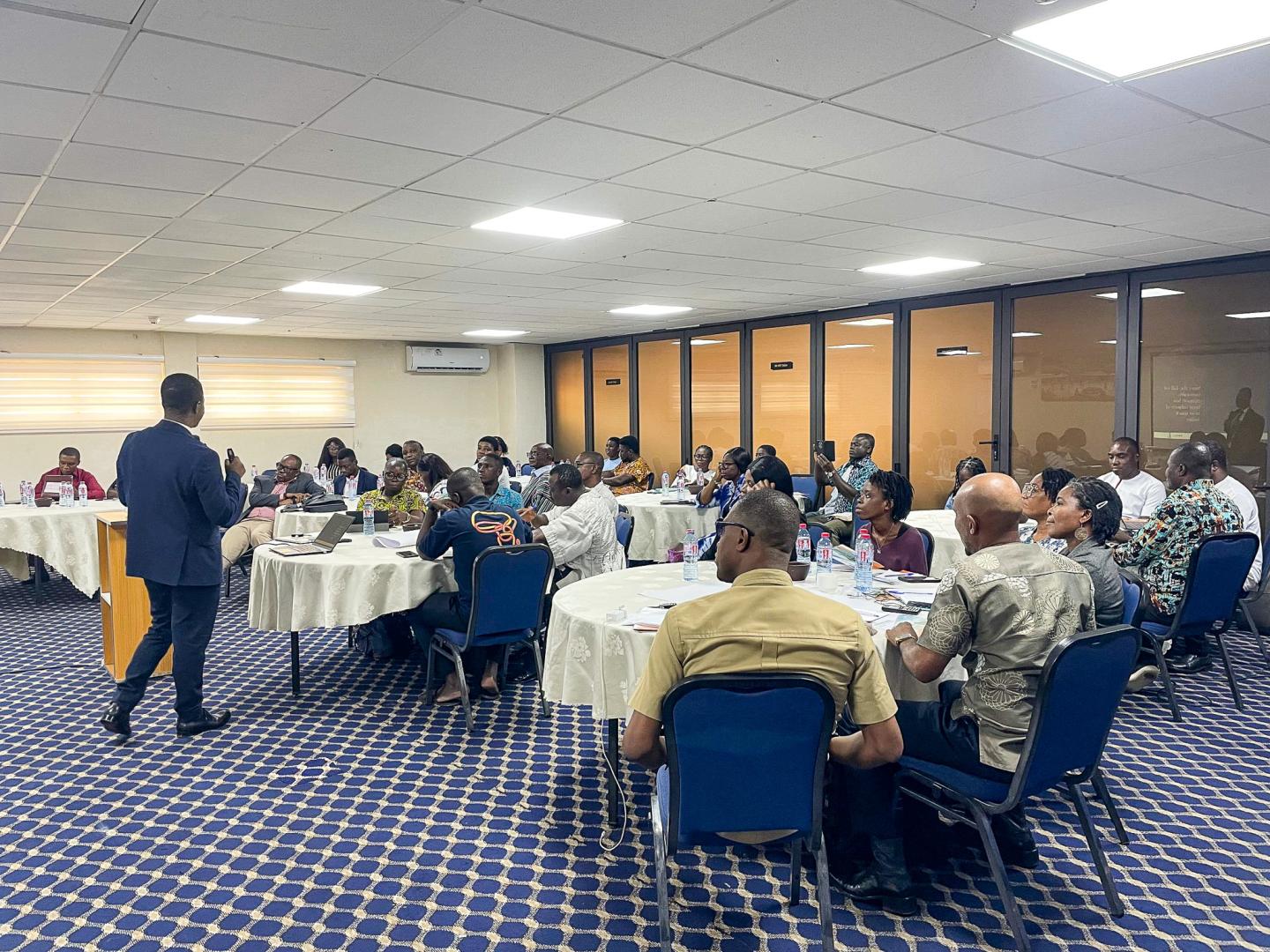
On Day Two, participants deepened the conversation through a keynote presentation titled "Children in Green Mission", delivered by renowned Ecotheologian Rev. Dr Emmanuel Awuni. The presentation emphasised the biblical mandate for environmental stewardship and explored how churches can intentionally nurture environmentally conscious attitudes and behaviours among children.
The day's discussions further evolved into structured framework-building sessions anchored around a five-stage Change Pathway designed to guide children's engagement in Creation Care. The pathway outlines a progressive journey where children Learn, Develop Values, Act Safely, Influence Others, and ultimately contribute to environments where Churches Institutionalise sustainable Creation Care practices.
Complementing this model was an Institutional Pathway, which identified the support systems, structures and actions churches must provide at each stage to enable meaningful child participation and long-term sustainability.
The final day focused on consolidating ideas generated throughout the workshop. Participants worked in thematic groups to draft framework content aligned with the agreed pathways before presenting their recommendations during plenary sessions.
Facilitators then guided participants in attaching clear outputs, outcomes and indicators to the draft framework, establishing a results-based logic that will support future monitoring, learning and implementation efforts.
The collaborative process resulted in several significant outcomes, including the development of a first-draft Creation Care Framework for children. The framework is structured around the five-stage Change Pathway and its corresponding Institutional Pathway, providing churches with a practical roadmap for nurturing environmentally responsible children and strengthening community action on climate and environmental issues.
Participants also distilled six theological affirmations to guide child-facing Creation Care teaching within churches, ensuring that future environmental education and action remain firmly grounded in biblical principles.
In addition, the workshop identified a range of practical and affordable actions that churches can readily adopt. These include initiatives such as "green anniversaries" and birthday tree-planting activities, as well as efforts to reduce the use of single-use plastics within church settings and programmes.
A key outcome of the workshop was agreement on a validation process that will refine and finalise the Creation Care Framework before it is piloted across participating churches. The pilot phase is expected to generate further learning and evidence to strengthen child-centred approaches to Environmental Stewardship and Climate Action within faith communities.
Speaking through the collective outcomes of the workshop, participants reaffirmed the important role churches play in shaping values, influencing behaviour and mobilising communities to respond to environmental challenges. They also recognised children not merely as beneficiaries of environmental programmes, but as active partners capable of contributing to sustainable solutions.
The consultative workshop marks an important step in World Vision Ghana's ongoing efforts to strengthen the intersection between faith, child wellbeing and environmental sustainability, ensuring that future generations are equipped to care for creation and champion climate resilience within their communities.