article / August 24, 2026
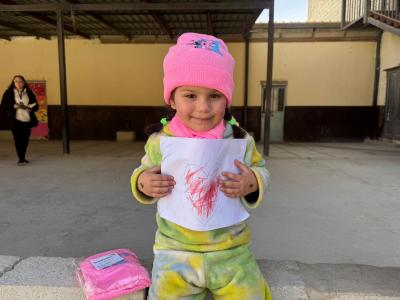
“I Dont Want My Children to Die of Hunger”: One Family's Fight Against a Famine Somalia Has Seen Before
As funding dwindles, needs are outpacing resources in Somalia. Some locations are already showing famine conditions as humanitarian organisations scale down or close operations.
article / August 21, 2026
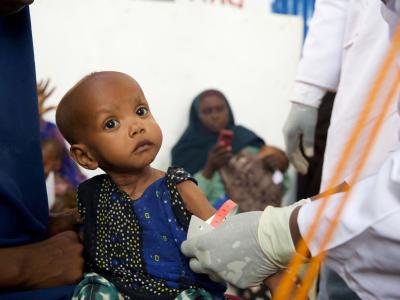
At the Frontline of Crisis and Recovery
From earthquakes to landslides, Nanda Budha reflects on leading humanitarian responses and standing with communities in crisis.
article / August 21, 2026
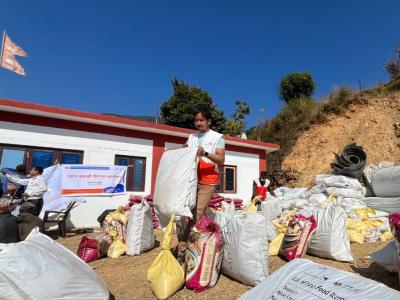
Standing with Children Through Crisis and Recovery
Having lived through the 2015 earthquake himself, Surendra Ratna Shakya has dedicated his career to supporting vulnerable children and families through crisis and recovery.
article / August 21, 2026
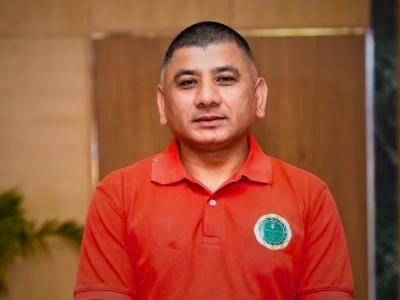
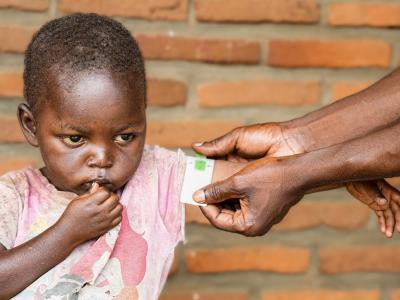
DR Congo: When War Overtakes Healing but Hope Prevails: The Story of GAKURU
GAKURU’s story illustrates the devastating impact of conflict and displacement on children facing malnutrition in eastern Democratic Republic of the Congo. After recovering from severe acute malnutrition with support from World Vision, two-year-old GAKURU was forced to flee with his family when violence swept through his village, leading to a relapse. Through continued nutritional support and follow-up care, he eventually recovered. His journey highlights the resilience of children and families living through crisis, while showing how World Vision’s Nexus Accelerator Fund continues to provide life-saving nutrition support in hard-to-reach and conflict-affected communities.
article / August 26, 2026
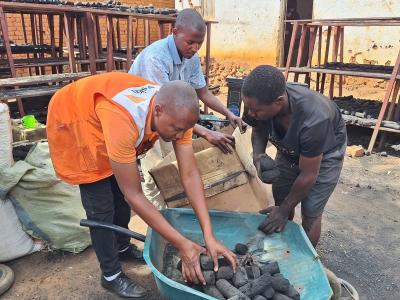
From Palm Oil Waste to Eco-Charcoal: A Story of Youth Empowerment in Nyanza
A group of driven young people in Nyanza — a commune in southern Burundi known for its oil palm — is rewriting challenges into opportunities. Trained by World Vision in business planning, organizational management, and mindset change, sixteen youths came together to form the Multiproduction Cooperative. Their mission: to transform residues left after palm oil processing into eco-friendly charcoal.
publication / June 25, 2026
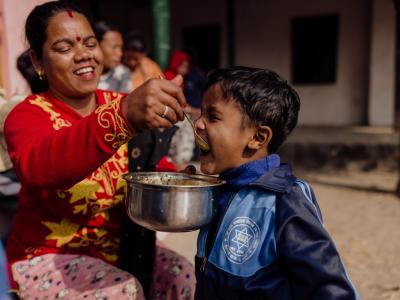
ENOUGH 2025: Driving Progress to End Child Hunger and Malnutrition
ENOUGH 2025, presents key developments in policy, programmes and partnerships three years into the campaign
video / August 26, 2026
Ebola in the DRC: Why This Outbreak Is So Difficult to Combat
The Ebola crisis you remember was back in 2014 in Sierra Leone, Guinea, and Liberia. But the current one in the DRC is actually growing far faster than that one did.
Ebola has faded out of the news because there's been a lot of news to tell and limited time to tell it, but also because the story is hard to put into headlines. It's wrapped in complex layers of history, traditions, and systemic failure that have combined to make everything worse.
So Chirs Montgomery has put together this video to better understand what makes Ebola so hard to combat in the Democratic Republic of Congo.

publication / August 28, 2026
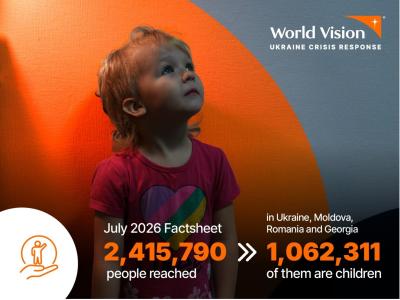
Over 2.4M Lives Supported: July 2026 Factsheet
As of July 2026, World Vision Ukraine Crisis Response has provided critical assistance to 2,415,790 people across Ukraine, Moldova, Romania and Georgia.
landing page / August 18, 2026
United Nations Office for the Coordination of Humanitarian Affairs (UNOCHA)