
At the Frontline of Crisis and Recovery

Nanda Budha | District Coordinator, Jajarkot (West Field OfficE)
"For me, being a humanitarian means standing with people in their most difficult moments, listening to their needs, and doing whatever I can to bring hope, dignity, and support."
When disaster strikes, some of the first questions communities ask are: What support is available? Who is coming to help? What happens next?
For Nanda Budha, helping answer those questions has become a vital part of his work. As District Coordinator for World Vision International Nepal in Jajarkot, he works closely with communities, local governments, partners, and response teams to ensure assistance reaches people affected by emergencies as quickly and effectively as possible.
Over the years, he has supported humanitarian responses to the COVID-19 pandemic, the 2023 Jajarkot Earthquake, and the recent 2026 Jajarkot Landslide Response. Through each emergency, he has witnessed both the challenges communities face and the resilience they demonstrate in rebuilding their lives.
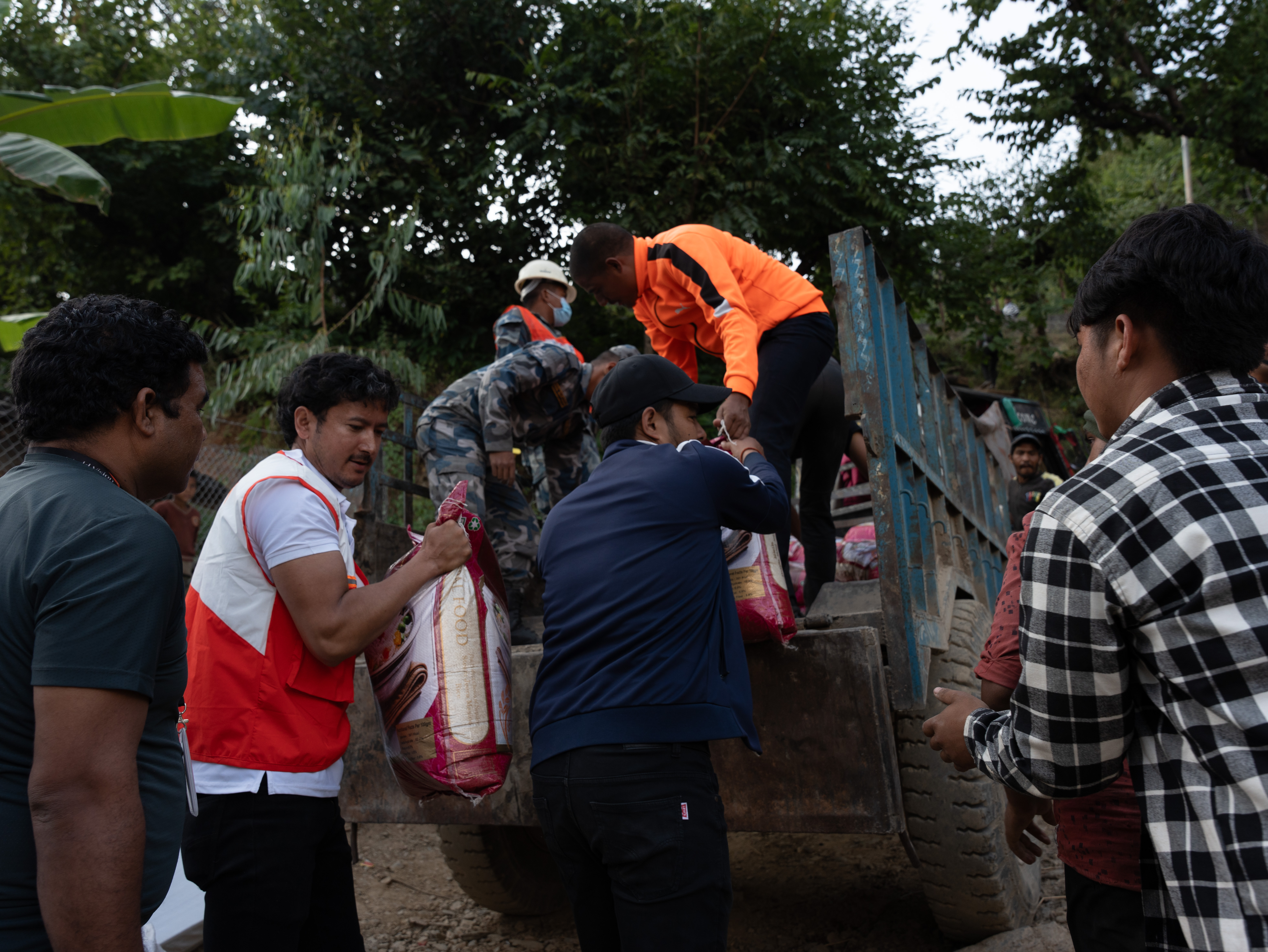
Standing with Communities During Their Hardest Moments
One lesson has remained constant throughout Nanda's humanitarian journey: people need more than assistance during a crisis. They need reassurance, coordination, and someone willing to listen.
Whether responding to an earthquake, a landslide, or a public health emergency, Nanda's work has placed him alongside communities as they navigate uncertainty and loss. He has spent countless hours engaging with families, local leaders, government officials, and humanitarian partners to understand urgent needs and mobilise support.
These experiences have shaped his understanding of humanitarian action. "Responding to a crisis is not only about delivering relief materials," he says. "It is about being present with communities, understanding their needs, coordinating support, making difficult decisions, and helping people regain a sense of safety and hope during uncertain times."
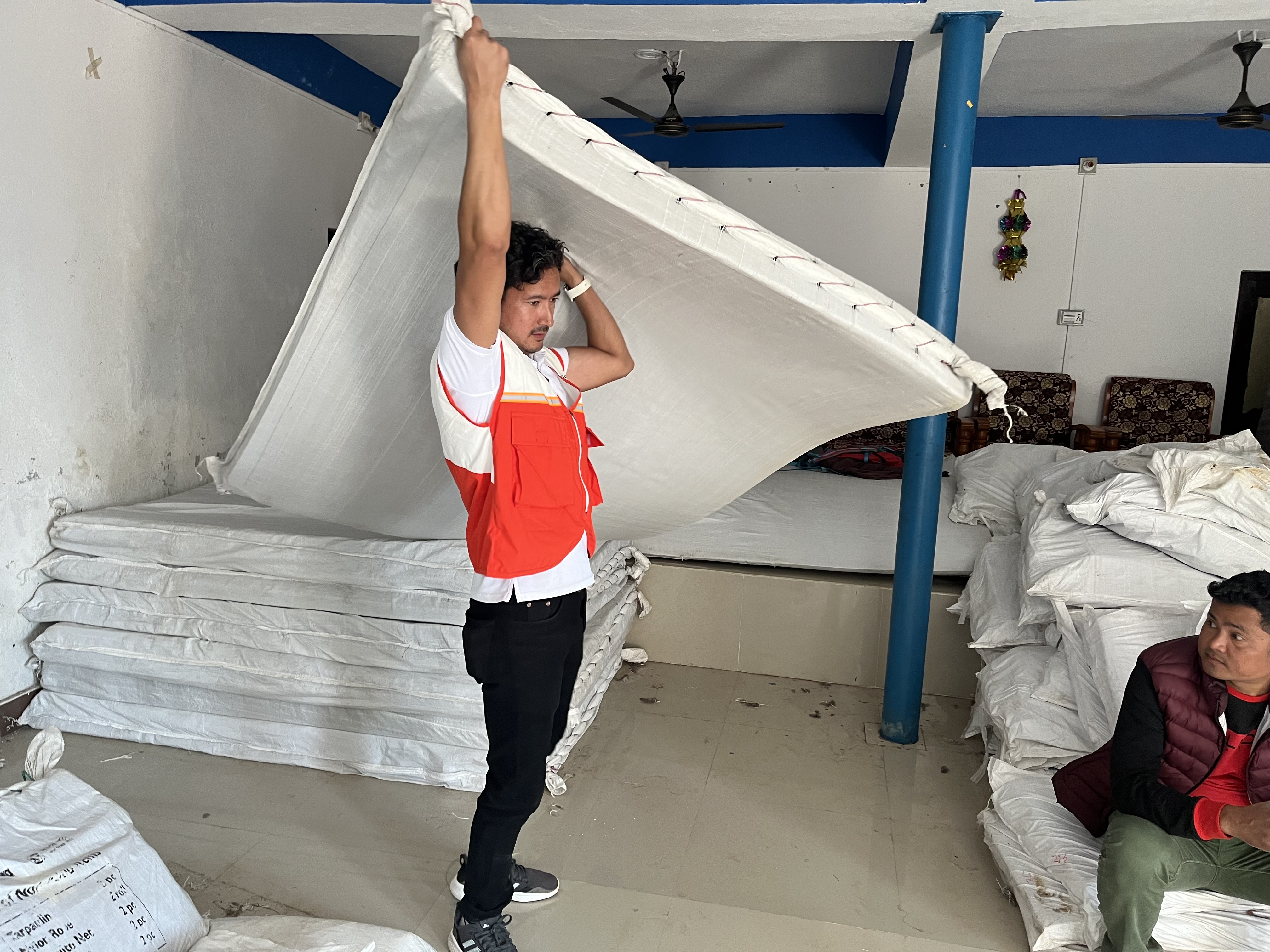
Leading Through Complexity
Emergency response rarely follows a plan. During the COVID-19 pandemic, Nanda and his colleagues had to adapt quickly as restrictions affected everyday operations and communities faced new and unfamiliar challenges. Later, the 2023 Jajarkot Earthquake and the 2026 Jajarkot Landslide Response required rapid assessments, constant communication, and close coordination with multiple stakeholders as needs evolved from day to day.
In these situations, Nanda's role extended far beyond coordination meetings. He worked directly with communities and local governments to help identify priorities, organise response efforts, and ensure assistance was delivered where it was needed most.
Working in fast-moving environments has taught him the importance of staying calm under pressure and making decisions even when information is incomplete. "Strong teamwork, coordination, and trust are essential to ensuring that affected communities receive timely and appropriate support," he says.
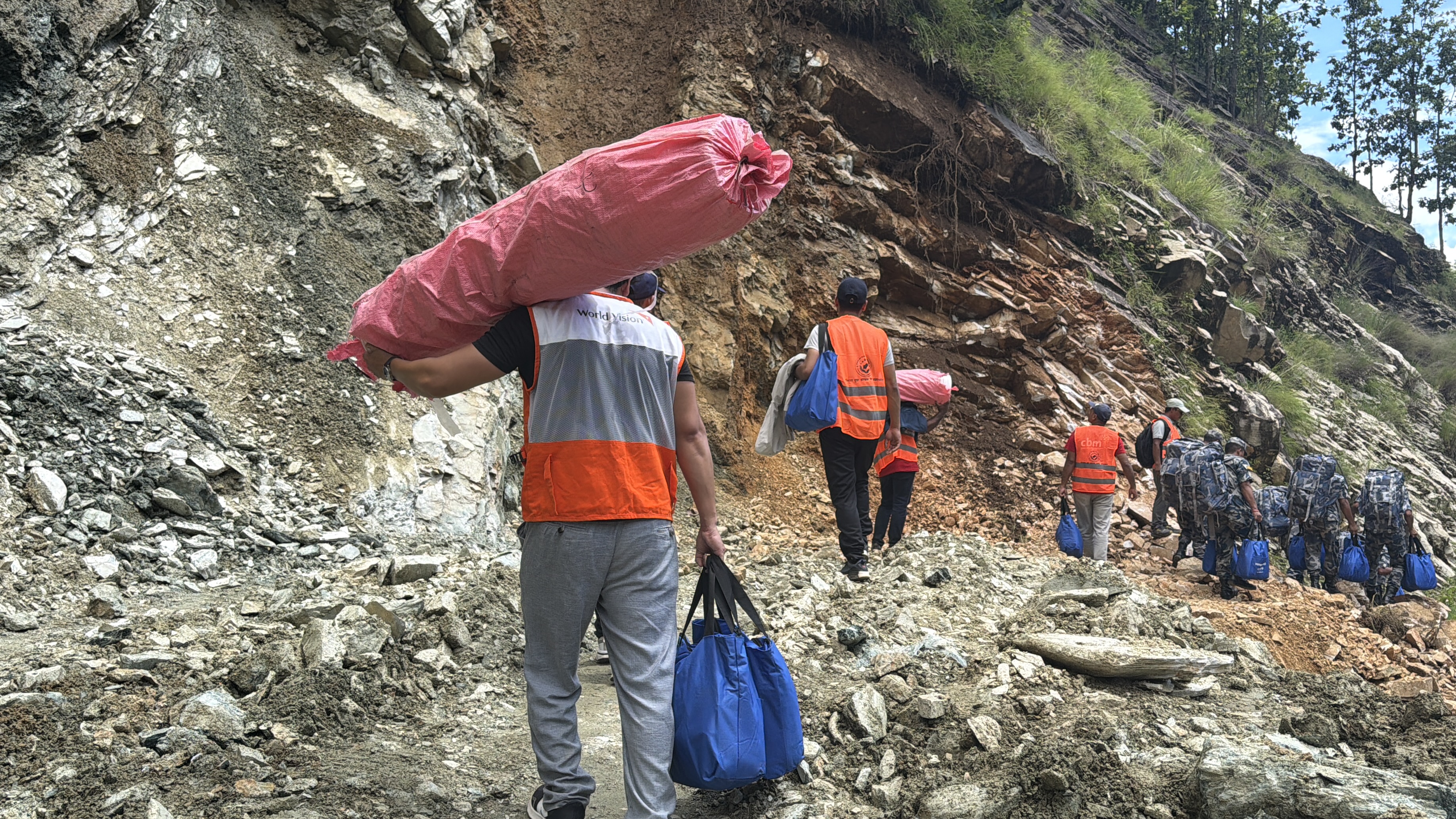
When Small Actions Matter
For Nanda, some of the most meaningful moments in humanitarian work are often the simplest. He recalls the many occasions when families received support during a difficult period and expressed relief that someone had listened to their concerns. He has seen how timely assistance, effective coordination, and genuine engagement can help communities regain confidence and begin moving forward.
Those moments remind him that humanitarian action is ultimately about people. "Making a difference does not necessarily mean doing something extraordinary," he says. "It can mean ensuring that a family receives support when they need it, helping coordinate a response more effectively, listening to a community, or making sure that someone's concerns are heard."
Inspired by Resilience
What continues to motivate Nanda is the resilience he sees every day. He has watched families recover from disasters, neighbours support one another, and communities rebuild despite enormous challenges. Their determination inspires him to continue serving and reminds him why humanitarian work matters.
For Nanda, humanitarian action is not simply about providing assistance. It is about standing alongside people during moments of uncertainty and helping them find a way forward.