
Standing with Children Through Crisis and Recovery

Surendra Ratna Shakya | District Coordinator - URBAN | WORLD VISION INTERNATIONAL NEPAL - uRBAN pROGRAMME oFFICE
"Helping people when they need us most, seeing children smile, families become stronger and communities move forward gives meaning to my work and inspires me to continue."
When the devastating earthquake struck Nepal in 2015, Surendra Ratna Shakya experienced the crisis from two perspectives. He was both an earthquake survivor and a humanitarian worker helping others recover. The experience left a lasting impact on him and shaped the way he understands resilience, empathy, and service.
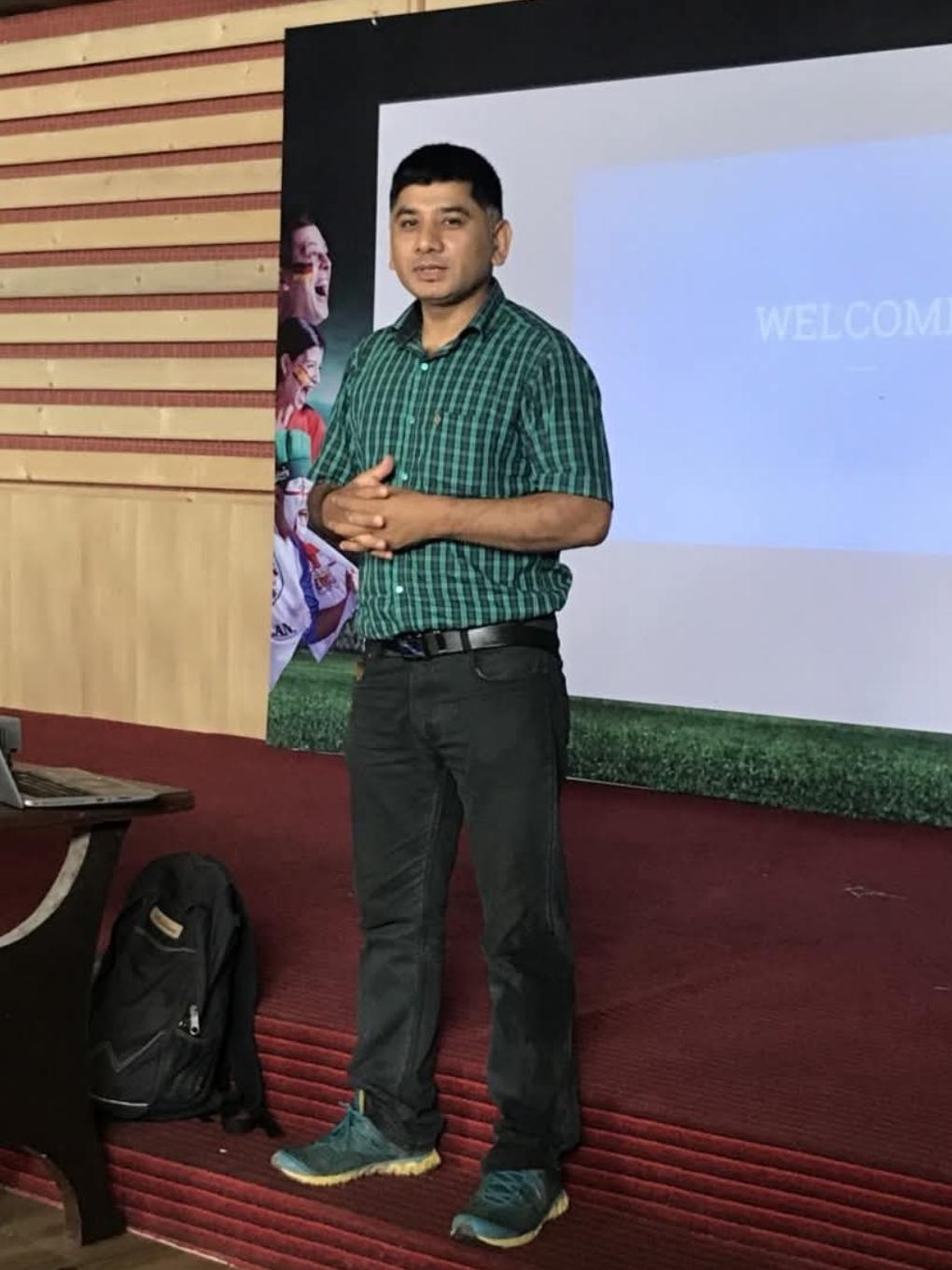
Today, as a District Coordinator, Surendra works closely with local governments, partner organisations, communities, children, and their families to support child well-being and protection. His role involves strengthening partnerships, supporting programme implementation, and ensuring vulnerable children and families receive the support they need.
Responding While Recovering
In the immediate aftermath of the 2015 earthquake, Surendra joined the emergency response effort. Based in a warehouse, he helped coordinate the preparation and dispatch of emergency hygiene kits to earthquake-affected districts across Nepal. Alongside volunteers, he spent long days preparing and sending supplies to communities in need.
"We were extremely busy preparing, coordinating, and dispatching supplies to affected districts," he recalls. "Sometimes, the workload was so intense that we did not even realise how quickly the day had passed."
A few weeks later, he took on the role of Child Protection Officer for Kathmandu District. Working directly with children, families, communities, local governments, and partner organisations, he helped establish child-friendly spaces where children could learn, play, and feel safe during a difficult period in their lives.
Challenges Close to Home
The earthquake response brought significant personal and professional challenges. Surendra's family lost their home and had to seek temporary shelter elsewhere. As a joint family, they were eventually forced to live separately for nearly four years.
At the same time, he was working long hours to support affected communities and ensure response activities were delivered effectively. Balancing personal hardship with professional responsibilities was not easy, but it taught him valuable lessons about resilience, time management, and staying focused under pressure.
Years later, the COVID-19 pandemic presented a different challenge. Restrictions limited field visits and face-to-face meetings, requiring teams to work virtually while continuing to support vulnerable children and families. Working through uncertainty and concern for his family's well-being deepened his appreciation for empathy, communication, and adaptability during crises.
Protecting Children in Emergencies
Throughout both responses, Surendra's focus remained on protecting children.
During the earthquake response, he worked with communities, child protection committees, local governments, and families to help create safe environments for children and reduce risks such as violence, abuse, and neglect. Much of this work happened behind the scenes through coordination, awareness raising, monitoring, and follow-up.
During the COVID-19 response, he adapted by maintaining regular communication with families, supporting virtual monitoring, and coordinating with local stakeholders to identify needs and connect vulnerable households with support.
For Surendra, humanitarian response is about much more than emergency relief.
"It is also about protecting people, especially children, coordinating with communities and stakeholders, identifying risks, and making sure support reaches those who need it most," he explains.
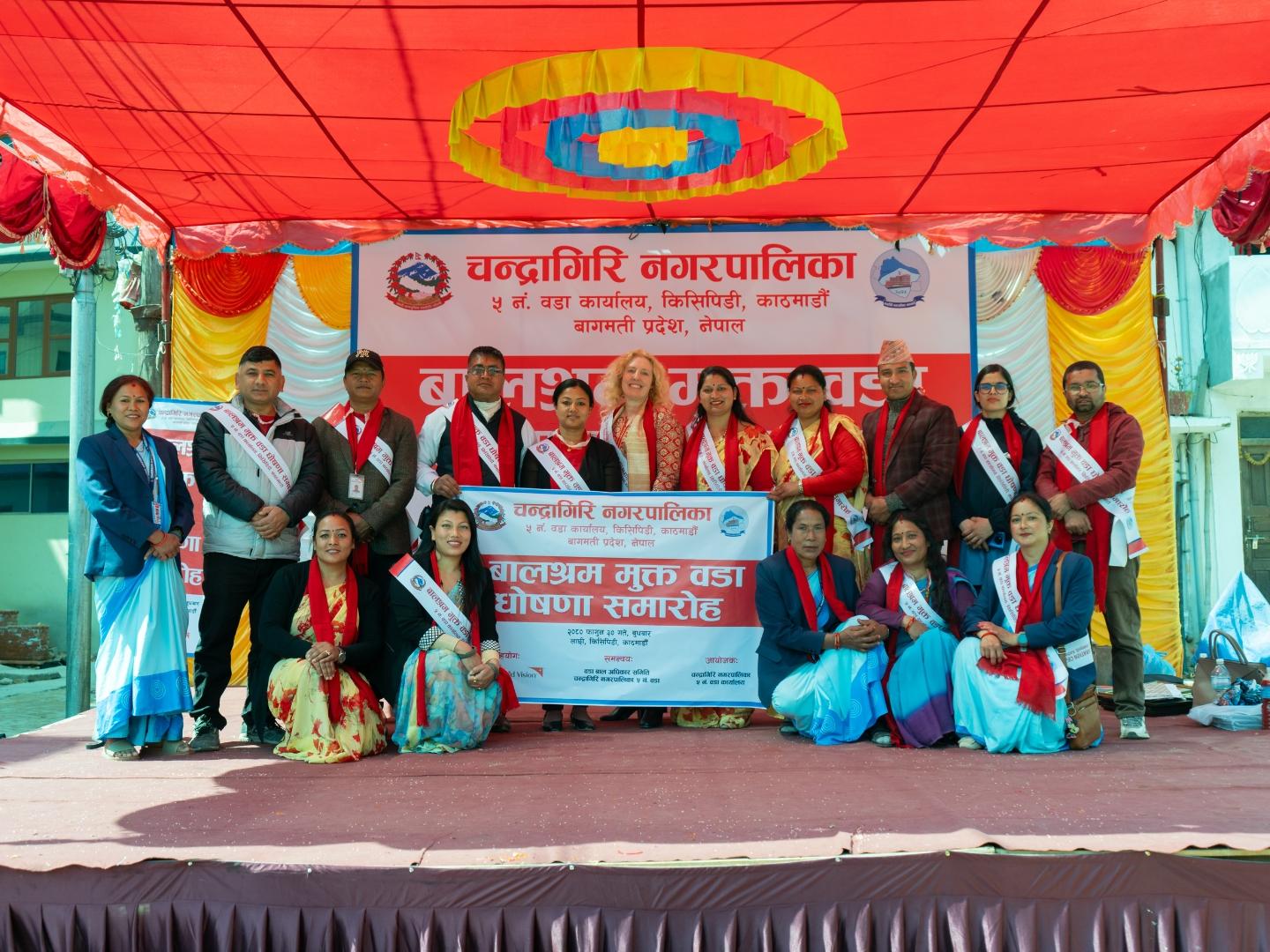
Inspired by Children, Driven by Hope
What continues to motivate Surendra is the opportunity to make a positive difference in the lives of children and families.
"The innocent smiles of children, their love and trust, and the struggles their families face are a strong source of motivation for me," he says. "When I see a positive change in a child's life, I feel that my work has meaning."
For him, being a humanitarian means listening to people, standing beside them during difficult times, and helping create opportunities for a better future.