article / June 15, 2026
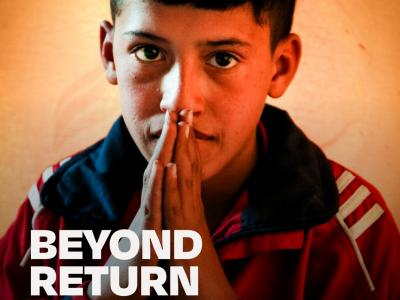
Between Flood and Drought: Food Assistance Restores Hope for Families in Guijá
Food assistance funded by the Mozambique Humanitarian Fund is helping around 400 families in Guijá District recover from devastating floods and cope with emerging climate risks, restoring hope, dignity, and food security for vulnerable households like Rosalina’s.
article / June 8, 2026
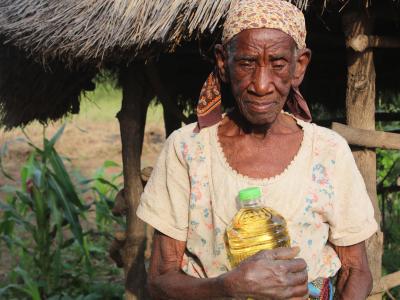
Barren Fields, Empty Plates: The Deepening Food Crisis in Burhakaba
As Somalia grapples with drought, communities in Buurhakaba are on the verge of famine
press release / June 29, 2026
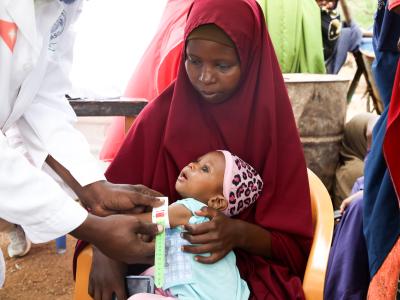
Joint Press Release: National Dialogue Calls for Stronger Support for Agroecology and Sustainable Food Systems in Cambodia
Around 120 stakeholders from government, civil society, development partners, and farmer groups gathered in Phnom Penh for a national policy dialogue promoting agroecology and farmer-led innovation as key pathways to sustainable and resilient food systems in Cambodia. The event showcased evidence from participatory research and generated policy recommendations to strengthen investment in agroecological transitions, enhance agricultural services, and ensure inclusive participation of women, youth, and Indigenous communities. Participants emphasized the critical role of farmers as innovators and called for stronger collaboration to integrate agroecology into national strategies.
article / June 10, 2026
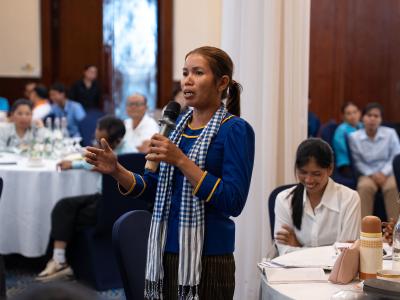
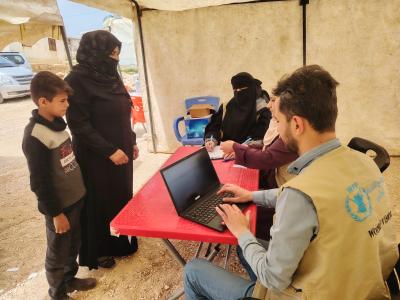
No papers, no school, no food: the triple lock trapping displaced children in Syria
In northwest Syria, displaced children face hunger, lost identity, and no education—while shrinking aid threatens a generation’s future.
publication / March 2, 2026
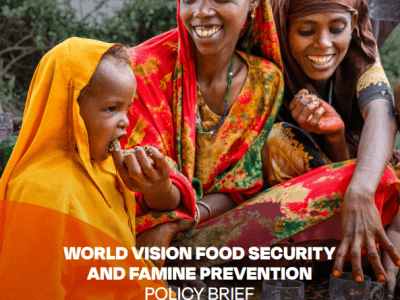
Policy Brief | Famine Prevention & Food Security
Policy Brief | Famine Prevention & Food Security
article / June 16, 2026
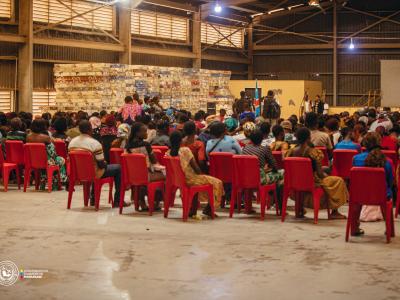
DR Congo: From Emergency to Recovery: World Vision Assists 260 Families Impacted by Flooding in Fungurume
Following severe flooding in Fungurume, World Vision and its partners provided emergency assistance to 260 affected families and educational support to 100 children. The intervention delivered essential household items, helped sustain access to education, and contributed to broader health and WASH efforts aimed at reducing cholera risks and supporting community recovery.
article / June 24, 2026
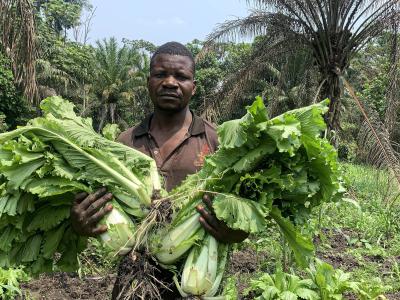
DR Congo: Growing More Than Food – Strengthening Child Nutrition Through Sustainable Agriculture
In Central Kasai, World Vision's chronic malnutrition prevention project is helping families improve child nutrition through sustainable agriculture and livelihoods. With support from KOICA and WFP, households are adopting market gardening and rabbit farming to increase access to nutritious foods, diversify diets, generate income, and build resilience. The initiative is contributing to healthier children, stronger families, and lasting community change.
publication / June 19, 2026
Beyond Return: Child and Family Wellbeing among Refugee and IDP Returnees in Ukraine and Syria
Explore World Vision’s latest policy brief on families returning to Ukraine and Syria. Discover the complex trade-offs between safety, reunification, and child wellbeing.

publication / June 25, 2026
ENOUGH 2025: Driving Progress to End Child Hunger and Malnutrition
ENOUGH 2025, presents key developments in policy, programmes and partnerships three years into the campaign
publication / June 17, 2026
Beyond Return: Child and Family Wellbeing among Refugee and IDP Returnees in Ukraine and Syria
New WV policy brief reveals that long after displacement ends, many children continue to face insecurity, hunger, disrupted education and psychological distress.