publication / July 30, 2026
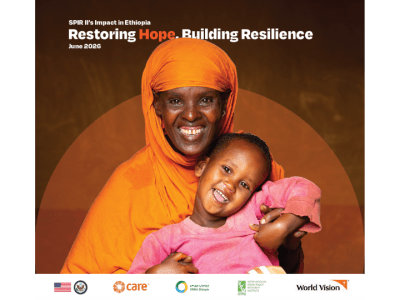
Restoring Hope, Building Resilience
Explore the SPIR II project journey, achievements, and stories of change as World Vision Ethiopia and partners strengthened resilience, food security, and livelihoods.
article / July 13, 2026
CORE Group Partners Project Launches Integrated Initiative to Improve Maternal and Child Health, Advance Polio Eradication, and Strengthen Disease Surveillance in Cambodia’s Border Communities
World Vision Cambodia launches the CORE Group Partners Project to improve maternal and child health, advance polio eradication, and strengthen disease surveillance in border communities.
article / July 29, 2026
Hope amidst food ration cuts
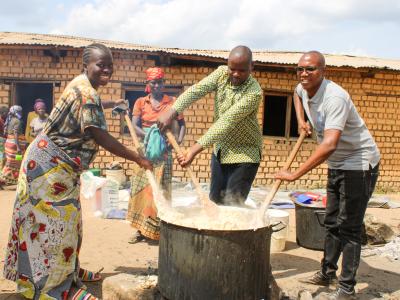
When a child is hungry, it is difficult to expect them to thrive in school. Muhodari, 16, was on the verge of seeing his education disrupted as food rations in refugee camps were reduced due to global funding constraints. Like many families in Musenyi Refugee Site, where he lives, his family struggles to meet their basic needs while ensuring that their children remain in school.
Despite these hardships, a beacon of hope shines through the school feeding programme at Muhodari’s school. Funded by the World Food Programme (WFP) and implemented by World Vision, the school canteen provides hot lunches to students every day. The programme has become a lifeline for many children, helping them stay in school and reducing the risk of dropout.
article / July 30, 2026
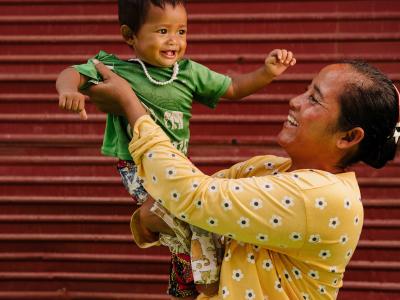
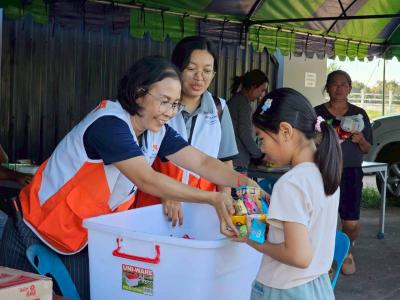
More Than Aid: Restoring Hope, One Child at a Time
The sound of children's laughter is something Nannapat Sanuanram will never take for granted.
article / July 2, 2026
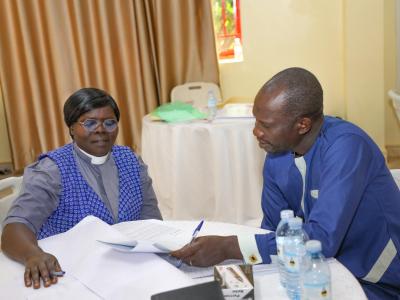
World Vision Partners with Faith Leaders to Curb Ebola in Uganda
The story is about how World Vision is engaging faith leaders to curb the spread of Ebola in Uganda
publication / July 7, 2026
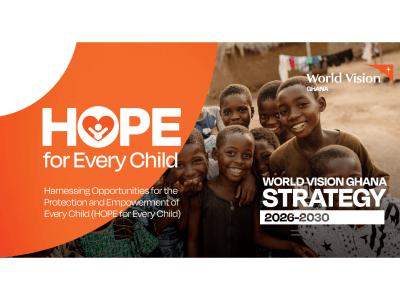
HOPE for Every Child: World Vision Ghana's 2026-2030 Strategy
Discover HOPE for Every Child — World Vision Ghana's 2026–2030 Strategy to help 2.8 million children grow up loved, healthy, educated and empowered.
article / July 21, 2026
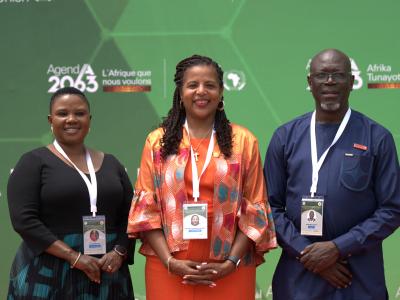
World Vision Advocates for Stronger Health Systems and Child-Centred Health Investments at AU Health Summit
World Vision participated in the African Union Extraordinary Health Summit, advocating for stronger health systems, nutrition, maternal health, youth participation, and universal health coverage across Africa.
article / July 13, 2026
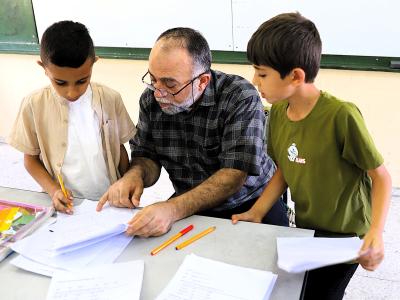
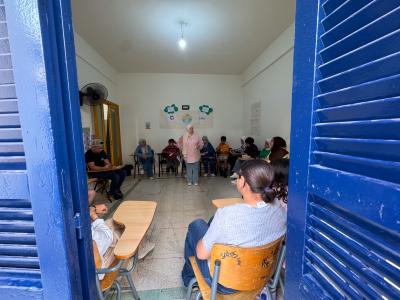
When Confidence Grows, So Does Hope
Through World Vision Lebanon's Childhood Rescue Project, children build confidence and life skills while caregivers restore livelihoods, creating stronger families and more resilient communities.
article / July 23, 2026
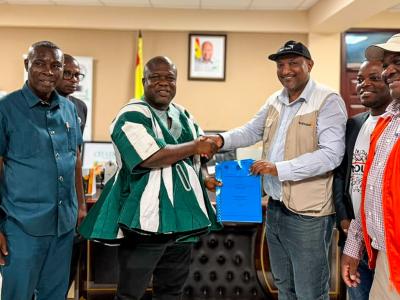
World Vision Ghana and Volta Regional Council Partner to Improve Water, Sanitation and Health Services
World Vision Ghana and the Volta Regional Coordinating Council have signed an MoU to expand access to clean water, sanitation and health services in Agortime-Ziope.
press release / July 30, 2026
Nearly 24,000 Palestinian Children, Teachers and Caregivers Reclaim Safe Learning in the West Bank
The project restored safe access to education and psychosocial support for nearly 24,000 children, teachers and caregivers in the West Bank.