
Reviving Hope: Scholastica’s Story and the Transformation of Kipkenda Village

In Kipkenda village, Elgeyo Marakwet County, farmers once faced relentless hardship, battling dwindling harvests, harsh winds, and a scorching sun. Years of tree cutting for firewood and charcoal had stripped the land bare, exposing it to erosion, and women and girls trekked long distances in search of firewood, while many families struggled to grow enough food to feed their children.
Today, however, change can be witnessed in the landscape and the lives of families as a result of practicing the Farmer Managed Natural Regeneration (FMNR) approach. Scholastica Koech, a 41-year-old mother, grandmother, and lead farmer is among those who embraced FMNR in 2022 and is now inspiring others to do the same.
“Before FMNR, our farms were completely destroyed with nearly all trees cut down. There were no trees to shield us from the scorching sun, and strong winds could blow away everything we had planted,” Scholastica recalls. “Life was about surviving one day at a time.”
Determined to change her reality, Scholastica dedicated a quarter-acre of her family land to FMNR. Within a year, she began to see the benefits. By pruning and nurturing trees, she could access firewood and fencing materials without cutting down whole trees.
“I no longer walk four kilometres in search of firewood. My children don’t struggle either, and sometimes I even sell extra firewood for income,” she says with a smile.
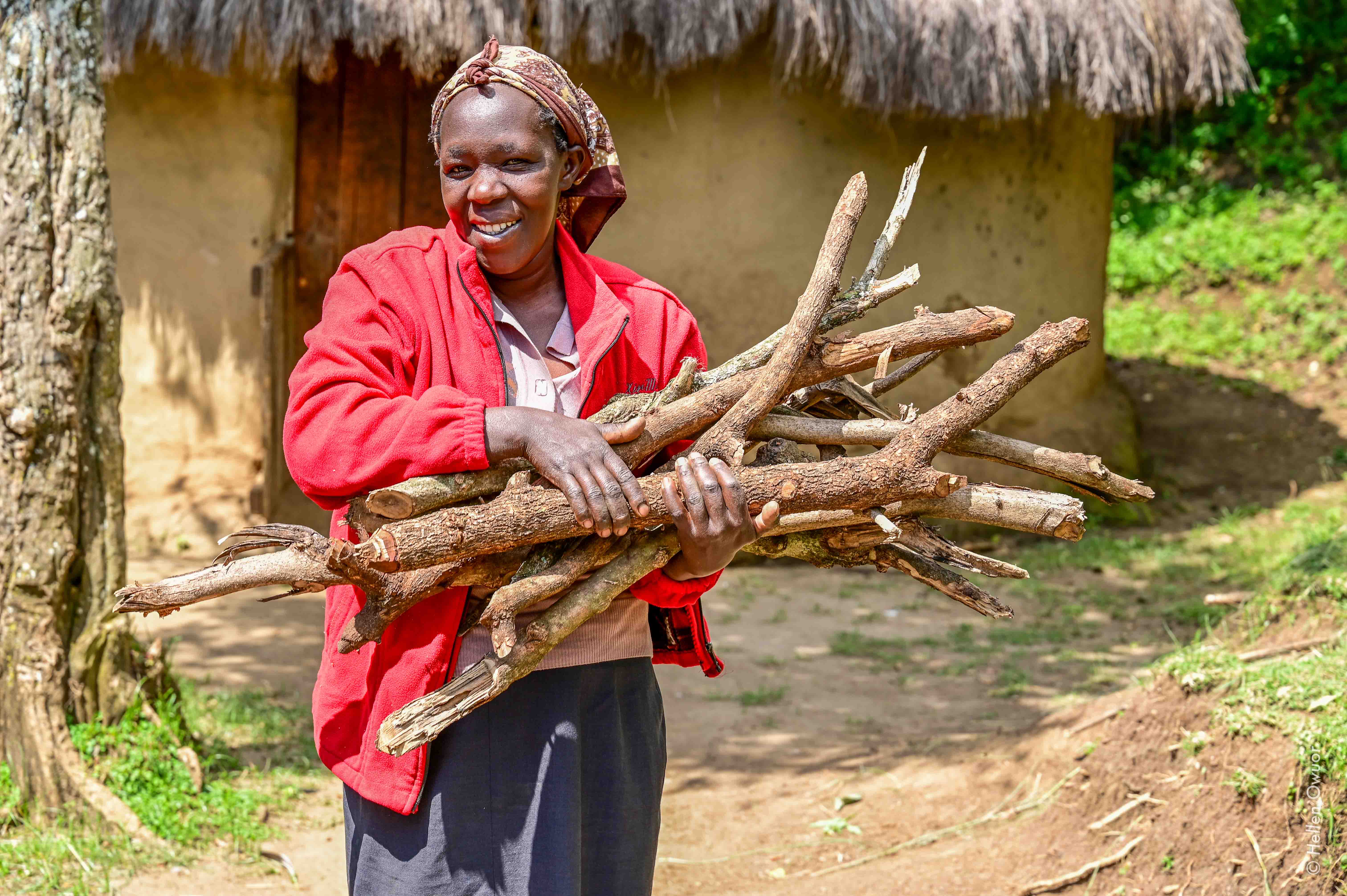
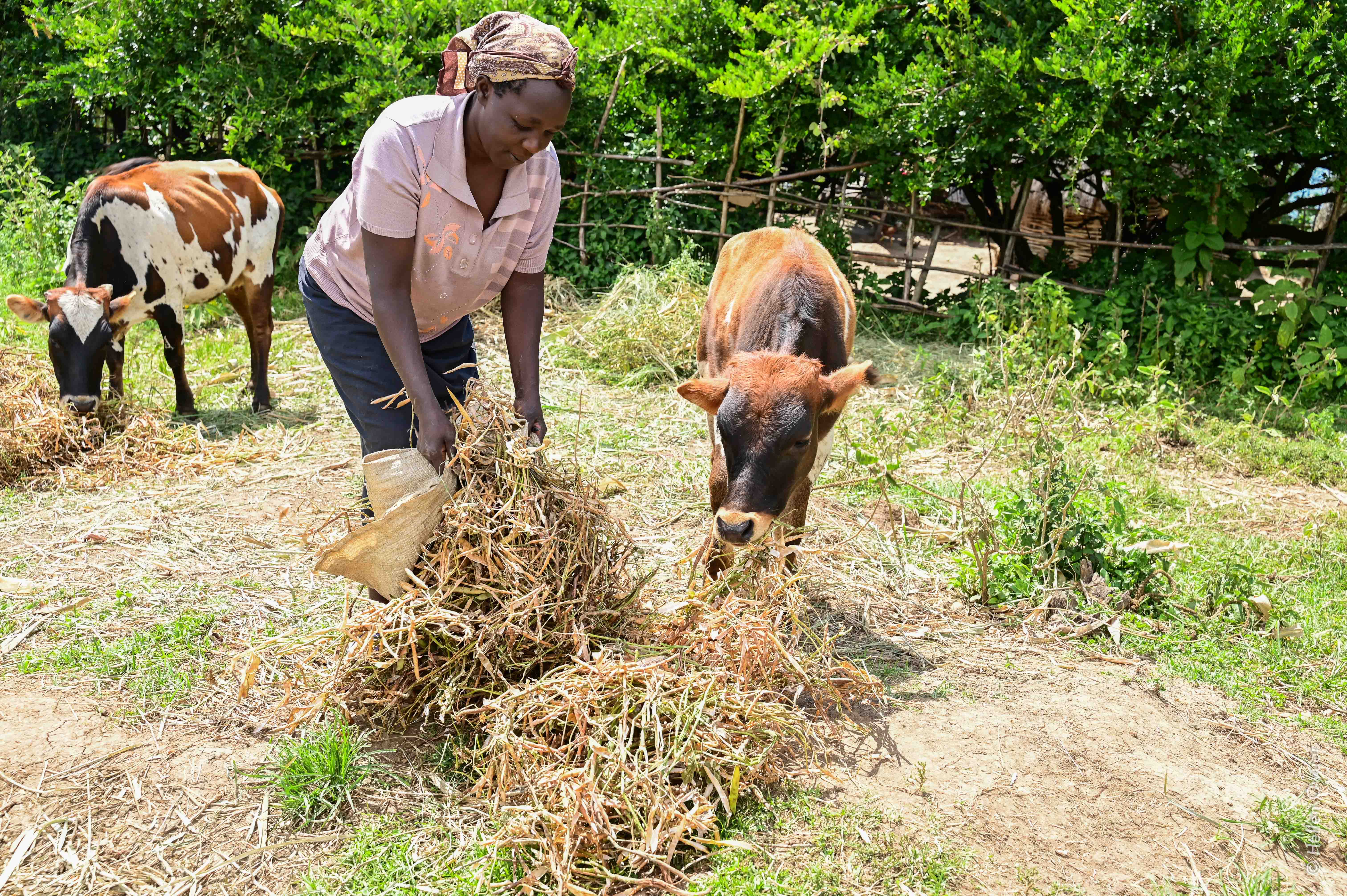
Her farm now yields more than before. “I used to harvest six bags of maize or less. Now I get at least eight, and sometimes more,” she explains. This increase has made it easier for her to pay school fees, provide food for her family, and even buy livestock.
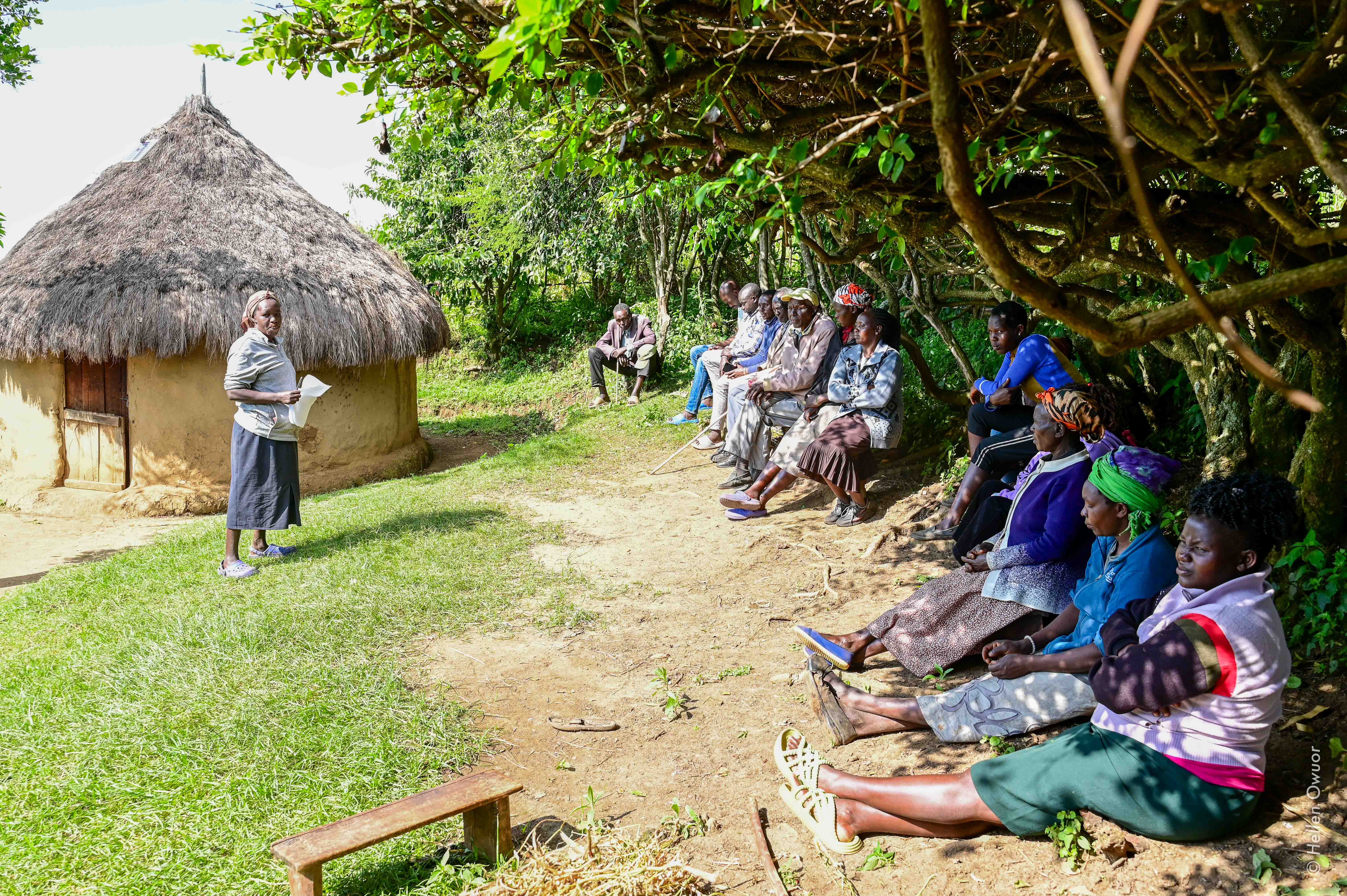
As a lead farmer, Scholastica has trained 12 replicate farmers in her community, 10 of whom are already implementing FMNR successfully. Among them are William, Timothy, and Gladys, who testify to the life-changing impact of the approach.
William reflects, “Before, we had cut down all the trees. Since FMNR, we have started nurturing what was left and planting new ones. Now, we are seeing improvements in our climate and environment.”
Timothy shares how the practice has transformed his farm, “With FMNR, our farms now have trees that reduce soil erosion, provide shade, and protect crops from intense sun. With shade, you are at least guaranteed a harvest of maize or millet. From pruning, we also get firewood. World Vision has taught us how to nurture and protect trees; we thank them for that.”
Gladys adds, “Before, it was too hot, and our farms were bare. Now, we have shade, and the trees protect our crops from wind erosion. We are spreading the word for others to conserve trees and protect what we already have.”
For Scholastica, FMNR has been a source of empowerment. No longer reliant on charcoal burning to make ends meet, she can now provide for her family without destroying the environment. She is also saving money in her village savings group, something she struggled with before.
“Due to minimal income and being the sole-provider, there were days when my children were chased away from school for lack of fees. Now I can pay without struggles,” she says. “I even bought a sheep from my savings. FMNR has changed my life.”
Despite her successes, Scholastica acknowledges the challenge of not owning the land she cultivates, a reality shared by many women and youth passionate about FMNR. Living on family land, she sometimes worries about the uncertainty of the future, yet she remains hopeful.
“I dream of owning my own land so that I can expand FMNR and secure my children’s future,” she says with determination.
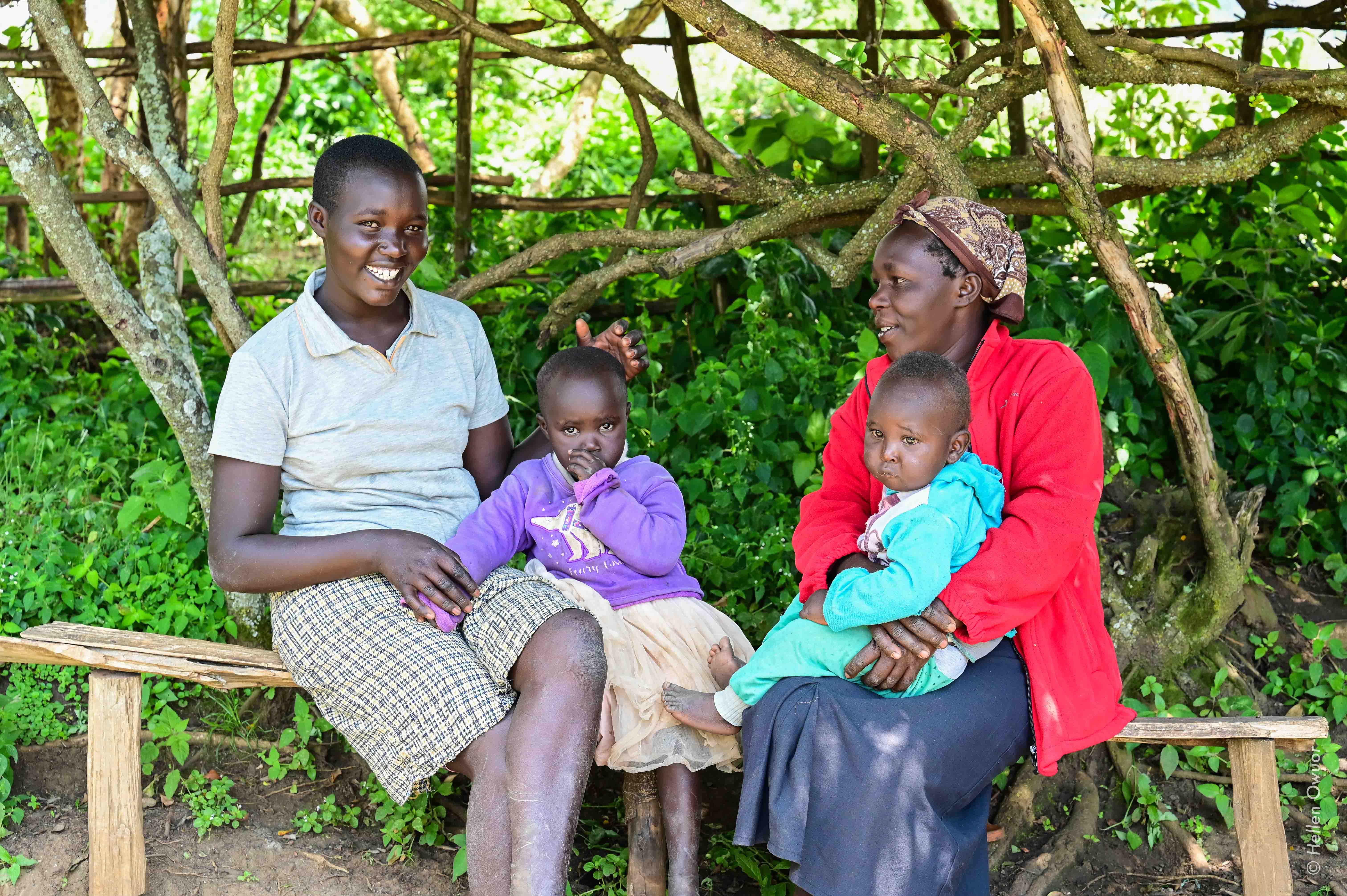
Looking at her thriving farm today, Scholastica’s face lights up with gratitude.
“I am grateful to World Vision for the teachings and where I am today. Since practicing FMNR, I am most grateful for increased income and a changed environment. Before, we couldn’t sit outside, but now we enjoy fresh air and shade. I hope more people learn about FMNR so that our communities and environment can continue to heal.”
Thanks to the support from the Australian NGO Cooperation Program (ANCP) to World Vision’s Central Rift Farmer Managed Natural Regeneration Scale-Up Project (CRIFSUP), future generations from Kipkenda Village will experience the holistic impact of FMNR enabling them to live life in all its fullness.
By Hellen Owuor, Communications Specialist (CRIFSUP), World Vision Kenya