publication / August 4, 2026
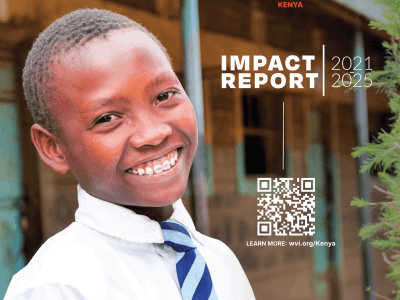
World Vision Kenya 2025 Impact Report
Explore World Vision Kenya’s 2021–2025 Impact Report, highlighting how 4.6 million people and 9.4 million children were reached through advocacy and transformative projects in different sectors (Child Learning and Household Resilience, Disaster Management, Climate Change and WASH)
publication / July 31, 2026
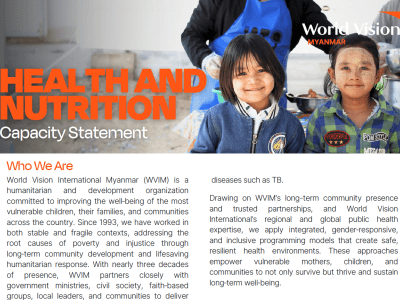
Health and Nutrition Capacity Statement
World Vision International Myanmar (WVIM) is one of the longest-serving humanitarian and development organization in Myanmar, with more than three decades of operational presence across both stable and conflict-affected contexts. We partner closely with government ministries, civil society, faith based groups, local leaders, and communities to deliver integrated programs in education, child protection, health and nutrition, WASH, livelihoods, and disaster response. Our locally rooted teams ensure culturally relevant, community owned solutions that support children to thrive. In livelihood, our work focuses on strengthening household resilience, restoring livelihoods, and protecting the well-being of vulnerable children through integrated, community-driven approaches that address both immediate needs and long-term recovery. Each year, our programmes reach millions, reflecting our commitment to ensure children are educated, protected, and cared for in safe and resilient communities.
article / August 8, 2026
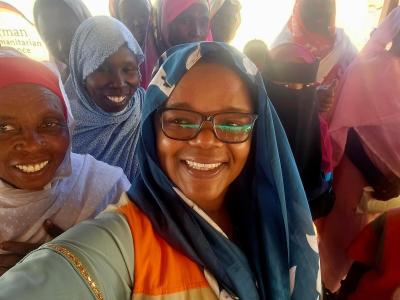
When aid cannot reach Sudan’s children, hope has to travel the hardest road
A firsthand account from Sudan reveals the dangers children and aid workers face, and why protection, access and funding are urgently needed.
press release / August 10, 2026
Attacks on humanitarian workers surge under new armed conflict tactics, leaving children without life‑saving aid
World Vision warns that drone warfare is endangering aid workers, restricting humanitarian access, and putting millions of children at greater risk.
article / July 28, 2026
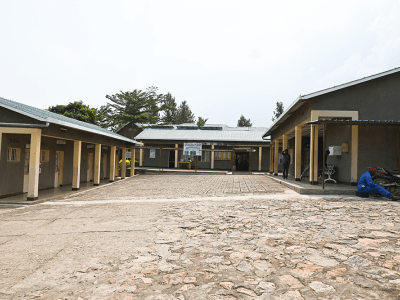
Better Care, Better Nutrition, Healthier Children at Kibingo Health Centre
Kibingo Health Centre serves more than 2,500 people each month, providing essential healthcare to families in Rutsiro District. Through its partnership with the Government of Rwanda and the local community, World Vision Rwanda has strengthened the health centre by improving infrastructure, expanding nutrition education, and supporting community-led efforts to combat child malnutrition.
From constructing a covered walkway and a nutrition demonstration kitchen to implementing Professional Umuganda and the Positive Deviance/Hearth (PDH) model, these interventions have contributed to a reduction in child malnutrition from 32% to 16% while empowering caregivers with practical skills to keep their children healthy.
article / July 21, 2026
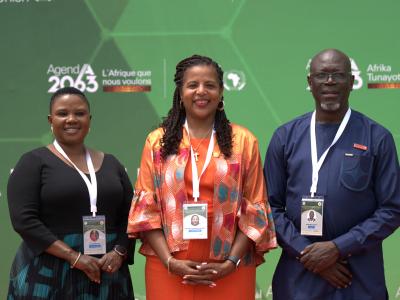
World Vision Advocates for Stronger Health Systems and Child-Centred Health Investments at AU Health Summit
World Vision participated in the African Union Extraordinary Health Summit, advocating for stronger health systems, nutrition, maternal health, youth participation, and universal health coverage across Africa.
article / August 5, 2026
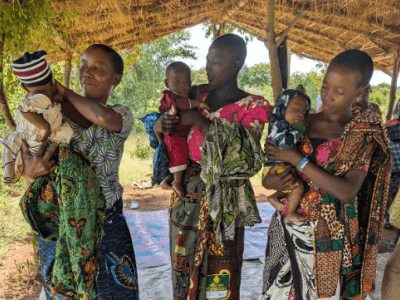
Breastfeeding for a Sustainable Start in Life
Discover how World Vision's Care Groups and MenCare approach strengthen breastfeeding support in Kenya, helping families give children the best start.
publication / July 21, 2026
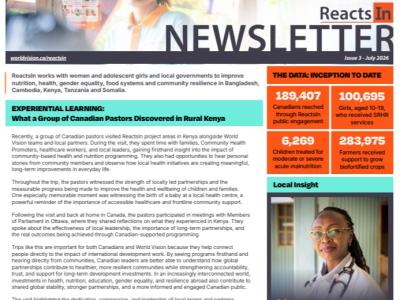
ReactsIn Newsletter Issue 3 July 2026
Discover the latest ReactsIn newsletter featuring community health, nutrition, gender equality, and resilience across five countries.
article / July 30, 2026
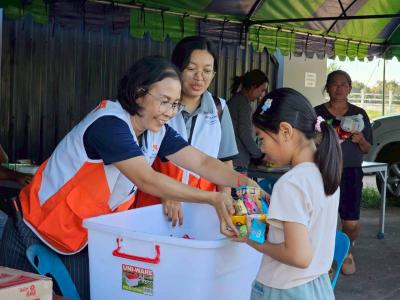
More Than Aid: Restoring Hope, One Child at a Time
The sound of children's laughter is something Nannapat Sanuanram will never take for granted.
publication / July 21, 2026
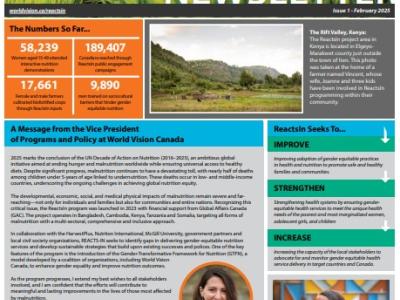
ReactsIn Newsletter Issue 1 Feb 2025
Explore the February 2025 ReactsIn newsletter featuring nutrition results, gender-equitable programming, Kenya field visits, and project expansion.