press release / July 23, 2026
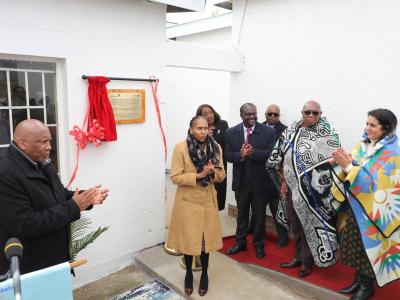
Female Faith Leaders Must Have Greater Voice in Fight Against Gender-Based Violence
Female faith leaders call for strategic role in ending Gender-Based Violence in Africa.
article / August 5, 2026
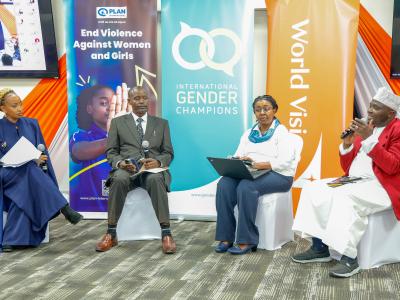
Growing Hope Through Faith and Farmer Managed Natural Regeneration
Discover how, in Kajiado County, John Silamoi is restoring degraded land through FMNR, reviving trees, improving pasture, and helping communities build resilience.
publication / July 31, 2026
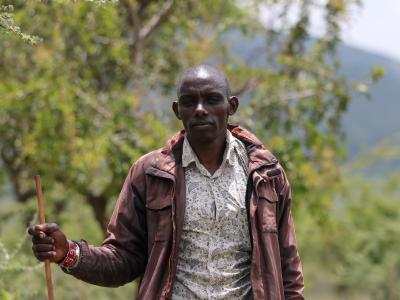
HEA and DRR Capacity Statement
World Vision International Myanmar (WVIM) is one of the longest-serving humanitarian and development organization in Myanmar, with more than three decades of operational presence across both stable and conflict-affected contexts. We partner closely with government ministries, civil society, faith based groups, local leaders, and communities to deliver integrated programs in education, child protection, health and nutrition, WASH, livelihoods, and disaster response. Our locally rooted teams ensure culturally relevant, community owned solutions that support children to thrive. In livelihood, our work focuses on strengthening household resilience, restoring livelihoods, and protecting the well-being of vulnerable children through integrated, community-driven approaches that address both immediate needs and long-term recovery. Each year, our programmes reach millions, reflecting our commitment to ensure children are educated, protected, and cared for in safe and resilient communities.
publication / July 31, 2026
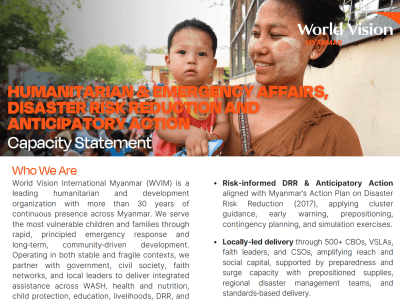
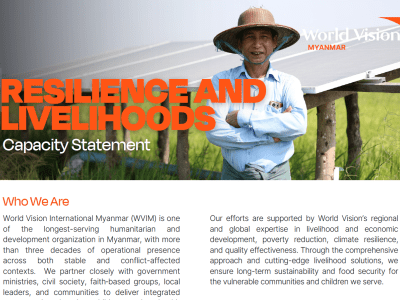
Resilience and Livelihoods Capacity Statement
World Vision International Myanmar (WVIM) is one of the longest-serving humanitarian and development organization in Myanmar, with more than three decades of operational presence across both stable and conflict-affected contexts. We partner closely with government ministries, civil society, faith based groups, local leaders, and communities to deliver integrated programs in education, child protection, health and nutrition, WASH, livelihoods, and disaster response. Our locally rooted teams ensure culturally relevant, community owned solutions that support children to thrive. In livelihood, our work focuses on strengthening household resilience, restoring livelihoods, and protecting the well-being of vulnerable children through integrated, community-driven approaches that address both immediate needs and long-term recovery. Each year, our programmes reach millions, reflecting our commitment to ensure children are educated, protected, and cared for in safe and resilient communities.
article / August 6, 2026
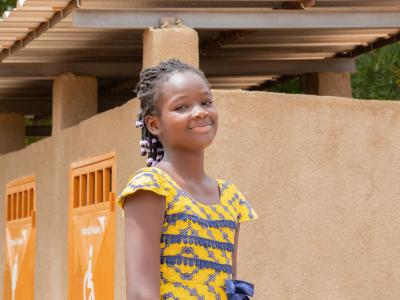
Urban Inclusive WASH Project, Burkina Faso
Discover how inclusive urban WASH solutions improved health, dignity and resilience for displaced and host families in Burkina Faso.
article / August 2, 2026
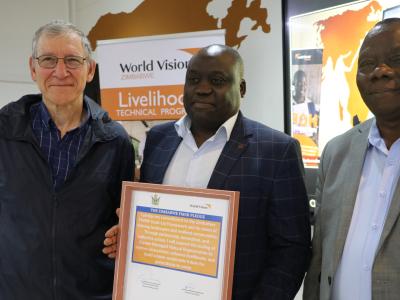
World Vision Zimbabwe Unveils National Framework to Scale Up Farmer Managed Natural Regeneration.
FMNR is a simple, low-cost and highly effective practice that regenerates trees from existing tree stumps, living roots and naturally occurring seeds already present in the soil.
publication / July 31, 2026
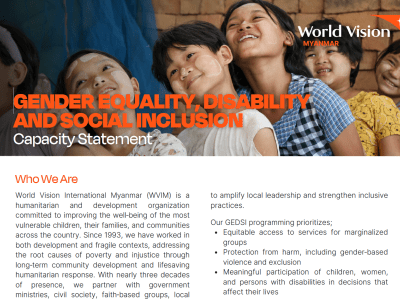
GEDSI Capacity Statement
World Vision International Myanmar (WVIM) is one of the longest-serving humanitarian and development organization in Myanmar, with more than three decades of operational presence across both stable and conflict-affected contexts. We partner closely with government ministries, civil society, faith based groups, local leaders, and communities to deliver integrated programs in education, child protection, health and nutrition, WASH, livelihoods, and disaster response. Our locally rooted teams ensure culturally relevant, community owned solutions that support children to thrive. In livelihood, our work focuses on strengthening household resilience, restoring livelihoods, and protecting the well-being of vulnerable children through integrated, community-driven approaches that address both immediate needs and long-term recovery. Each year, our programmes reach millions, reflecting our commitment to ensure children are educated, protected, and cared for in safe and resilient communities
article / August 6, 2026
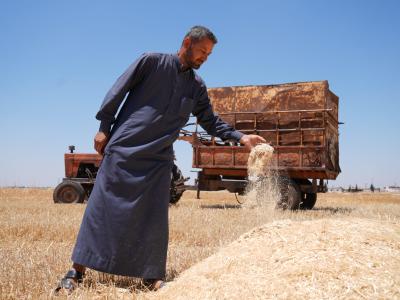
Rebuilding Hope Through the Land in Northwest Syria.
After displacement by conflict, Abdullah rebuilt his livelihood in Syria through World Vision's training and support for resilient farming.
publication / July 31, 2026
Child Protection and Participation Capacity Statement
World Vision International Myanmar (WVIM) is one of the longest-serving humanitarian and development organization in Myanmar, with more than three decades of operational presence across both stable and conflict-affected contexts. We partner closely with government ministries, civil society, faith based groups, local leaders, and communities to deliver integrated programs in education, child protection, health and nutrition, WASH, livelihoods, and disaster response. Our locally rooted teams ensure culturally relevant, community owned solutions that support children to thrive. In livelihood, our work focuses on strengthening household resilience, restoring livelihoods, and protecting the well-being of vulnerable children through integrated, community-driven approaches that address both immediate needs and long-term recovery. Each year, our programmes reach millions, reflecting our commitment to ensure children are educated, protected, and cared for in safe and resilient communities.
article / July 7, 2026
Rotary House Opens a New Chapter of Hope for Survivors of Gender-Based Violence in Lesotho
Through partnership and shared purpose, World Vision Lesotho is helping create lasting change by supporting the Rotary House, a centre empowering survivors of gender-based violence.