
World Vision Zimbabwe Unveils National Framework to Scale Up Farmer Managed Natural Regeneration.

Harare, Zimbabwe – World Vision Zimbabwe has officially launched the Zimbabwe Farmer Managed Natural Regeneration (FMNR) Scale-Up Framework, setting out an ambitious roadmap to restore one million hectares of degraded land and support 250,000 households to adopt FMNR by 2033.
The launch marks a significant milestone in Zimbabwe's efforts to address climate change, restore degraded landscapes and strengthen the resilience of vulnerable communities. The Framework brings together government, communities, development partners, faith-based organisations and the private sector under a shared vision to scale up one of the world's most effective and affordable land restoration approaches.
Farmer Managed Natural Regeneration (FMNR) is a simple, low-cost and highly effective practice that regenerates trees from existing tree stumps, living roots and naturally occurring seeds already present in the soil. By protecting and managing this natural regrowth, communities can restore forests, improve soil fertility, increase agricultural productivity and build resilience to climate shocks without the high costs associated with conventional tree planting.
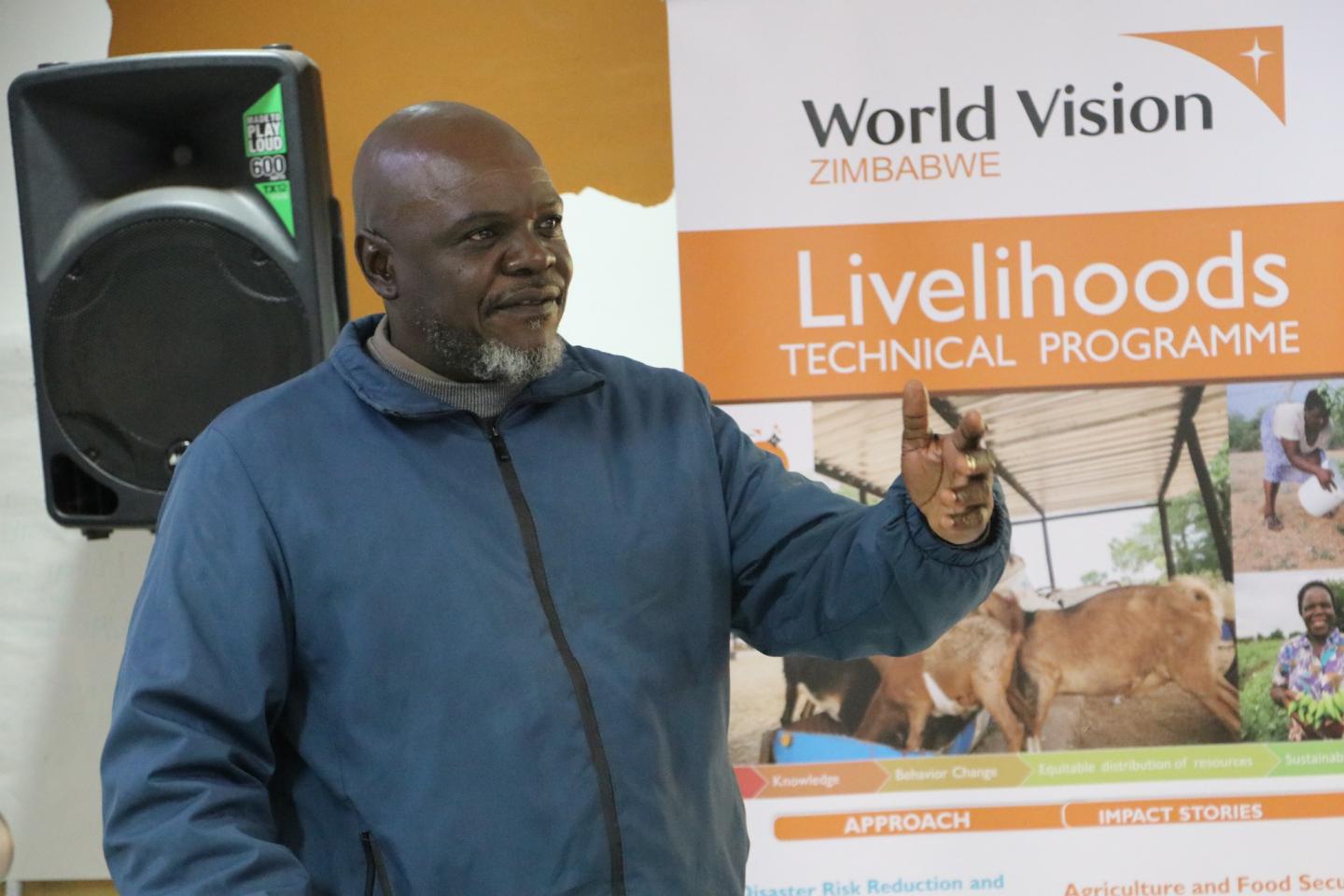
The approach is already transforming lives in several parts of Zimbabwe. World Vision Zimbabwe has been implementing FMNR in districts such as Chimanimani and Mberengwa, where communities are already experiencing its benefits.
"World Vision is already implementing FMNR in areas like Chimanimani and Mberengwa, and project participants are already seeing the benefits of the project in their areas," said Gilbert Mushangari, World Vision Zimbabwe Climate Action and Livelihoods Technical Advisor.
Building on these successes, the Zimbabwe FMNR Scale-Up Framework seeks to expand the approach nationwide, complementing the Forestry Commission of Zimbabwe's existing community forestry programmes and accelerating landscape restoration through coordinated partnerships, knowledge sharing and long-term investment.
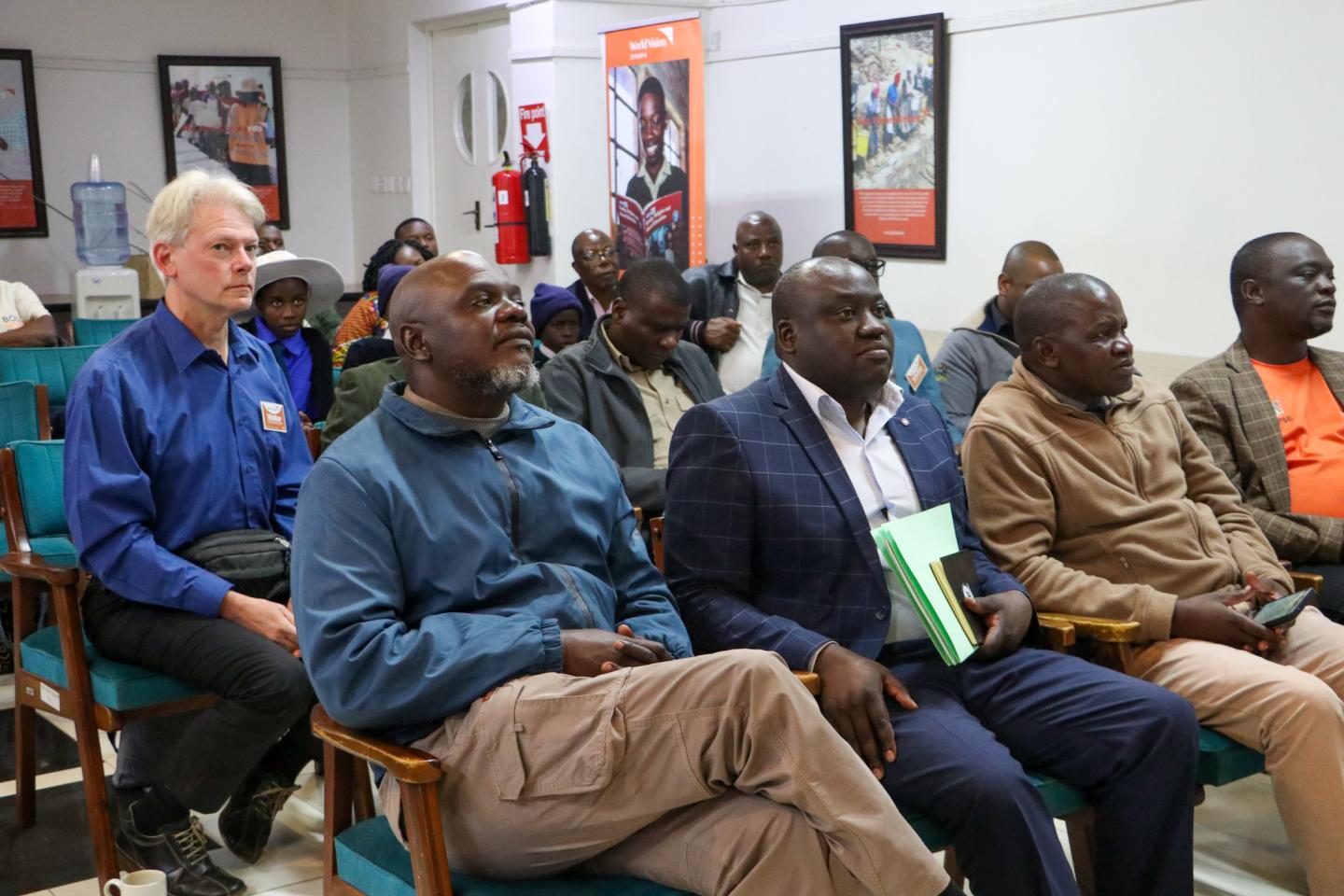
Speaking during the launch, World Vision Zimbabwe National Director, Assan Golowa, stressed that collaboration will be critical to achieving the Framework's ambitious targets.
"The success of FMNR in Zimbabwe will depend on collective leadership, partnership and investment. By working together, we can restore degraded landscapes, strengthen community resilience and create sustainable livelihoods for future generations," said Golowa.
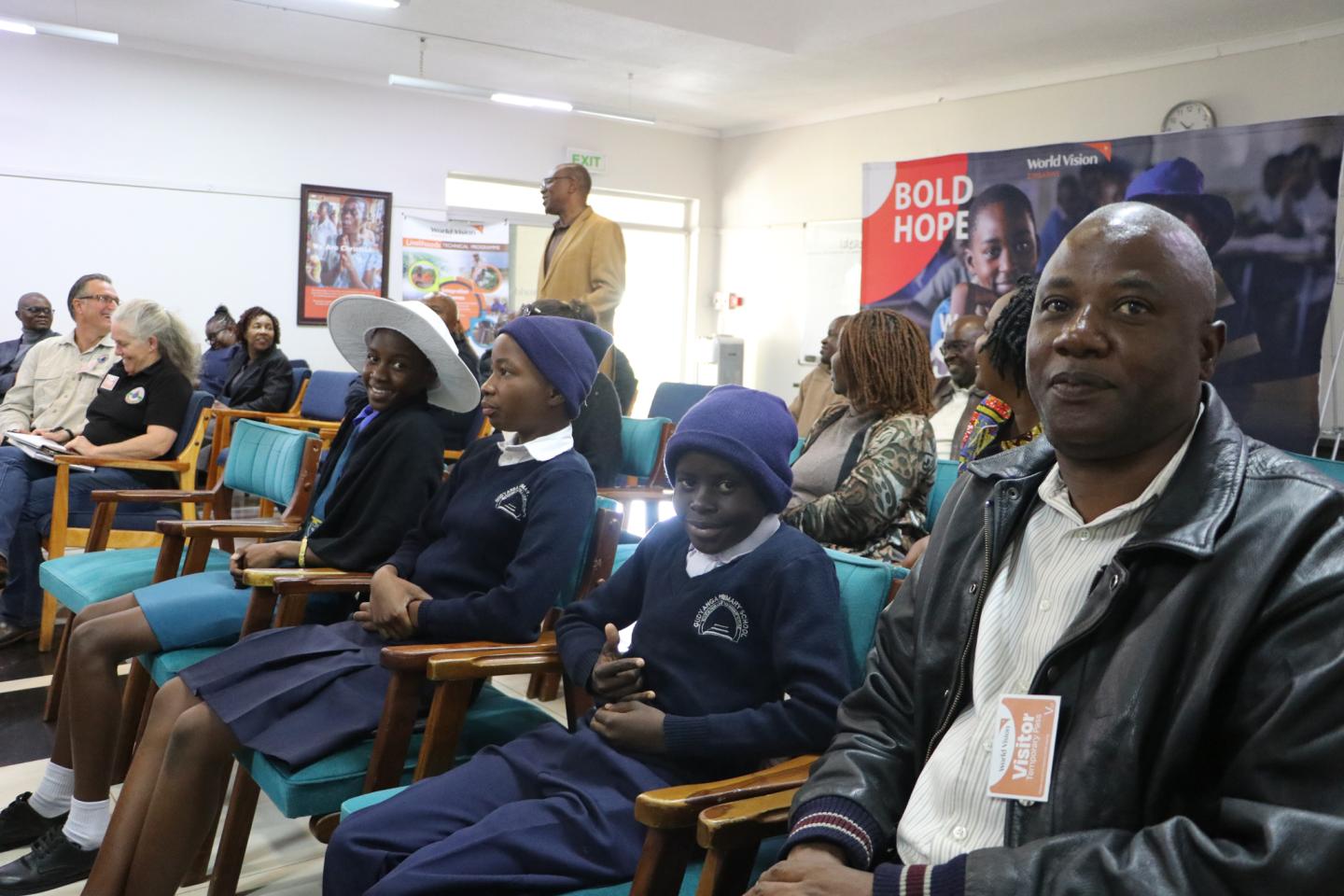
The launch was attended by Tony Rinaudo, Principal Climate Action Advisor for FMNR and the Green Climate Fund, representatives from the Forestry Commission of Zimbabwe, the Ministry of Environment, Climate and Wildlife, the Environmental Management Agency (EMA), World Vision partners and other stakeholders committed to environmental restoration and sustainable development.
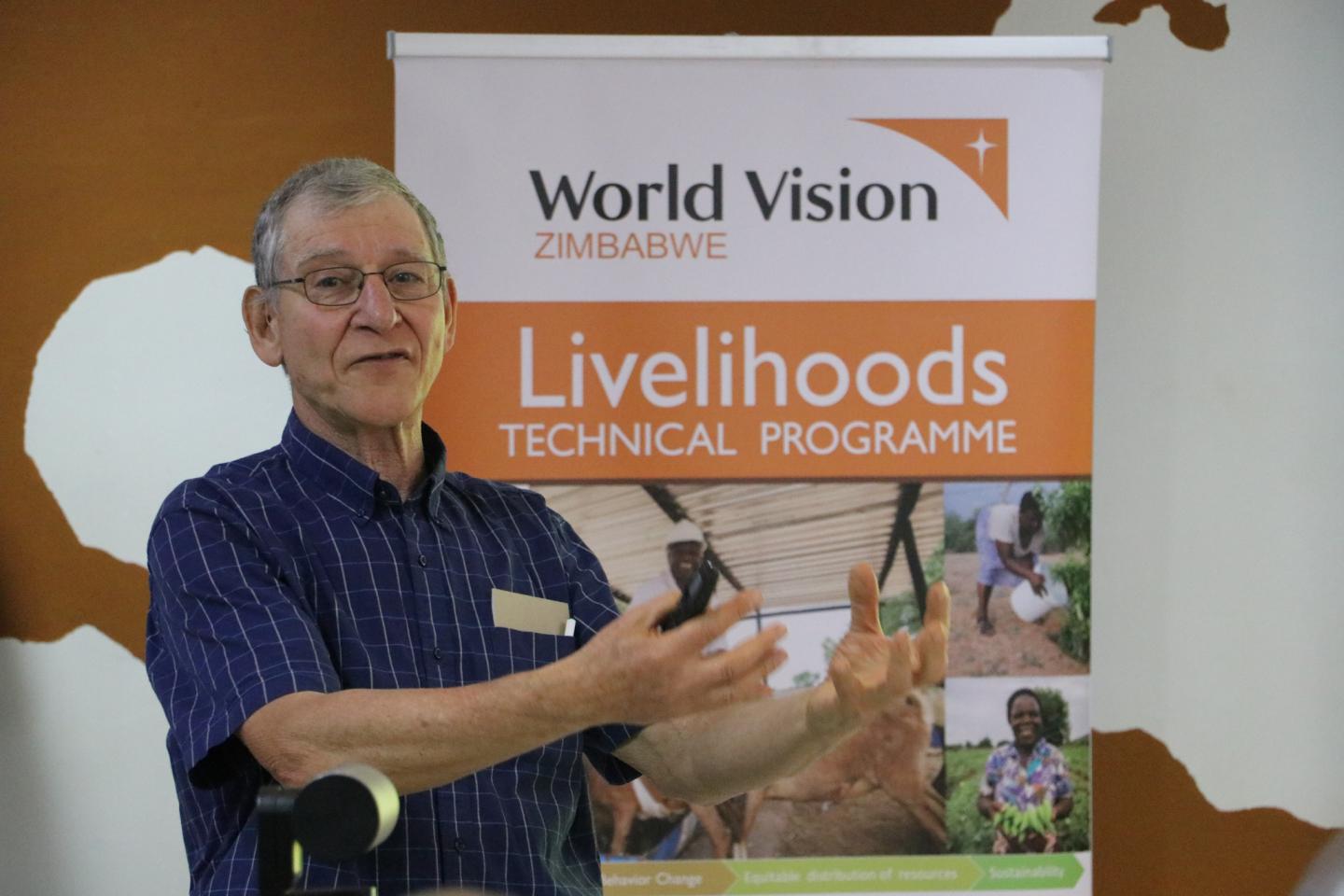
Known globally as the "Forest Maker" for pioneering FMNR, Tony Rinaudo emphasised that successful restoration begins with changing people's perceptions.
"FMNR is about re-greening mindsets to re-green landscapes," he said.
His message highlighted that restoring degraded land requires more than technical interventions—it requires communities and institutions to recognise the value of the natural resources already around them.
The launch also highlighted Zimbabwe's commitment under the African Forest Landscape Restoration Initiative (AFR100), where the country has pledged to restore two million hectares of degraded land by 2030. According to the Forestry Commission, approximately 625,000 hectares, representing about 31 percent of that target, have already been brought under restoration.
Both the Forestry Commission and the FMNR Scale-Up Framework identified similar priorities for achieving restoration at scale. These include strengthening technical capacity, expanding extension services, mobilising communities, improving monitoring and learning systems, investing in communications and advocacy, and developing sustainable financing mechanisms for restoration initiatives.
The Zimbabwe FMNR Scale-Up Framework aims to restore one million hectares of land and support 250,000 households to adopt FMNR by 2033. By bringing together government institutions, development partners, faith-based organisations, the private sector and communities, the Framework provides a coordinated approach to scaling restoration efforts while improving food security, protecting biodiversity and strengthening climate resilience.
World Vision is also calling for stronger collaboration across sectors to ensure the Framework's success. The initiative recognises that restoring landscapes is not the responsibility of one organisation alone but requires sustained commitment, shared investment and collective action.
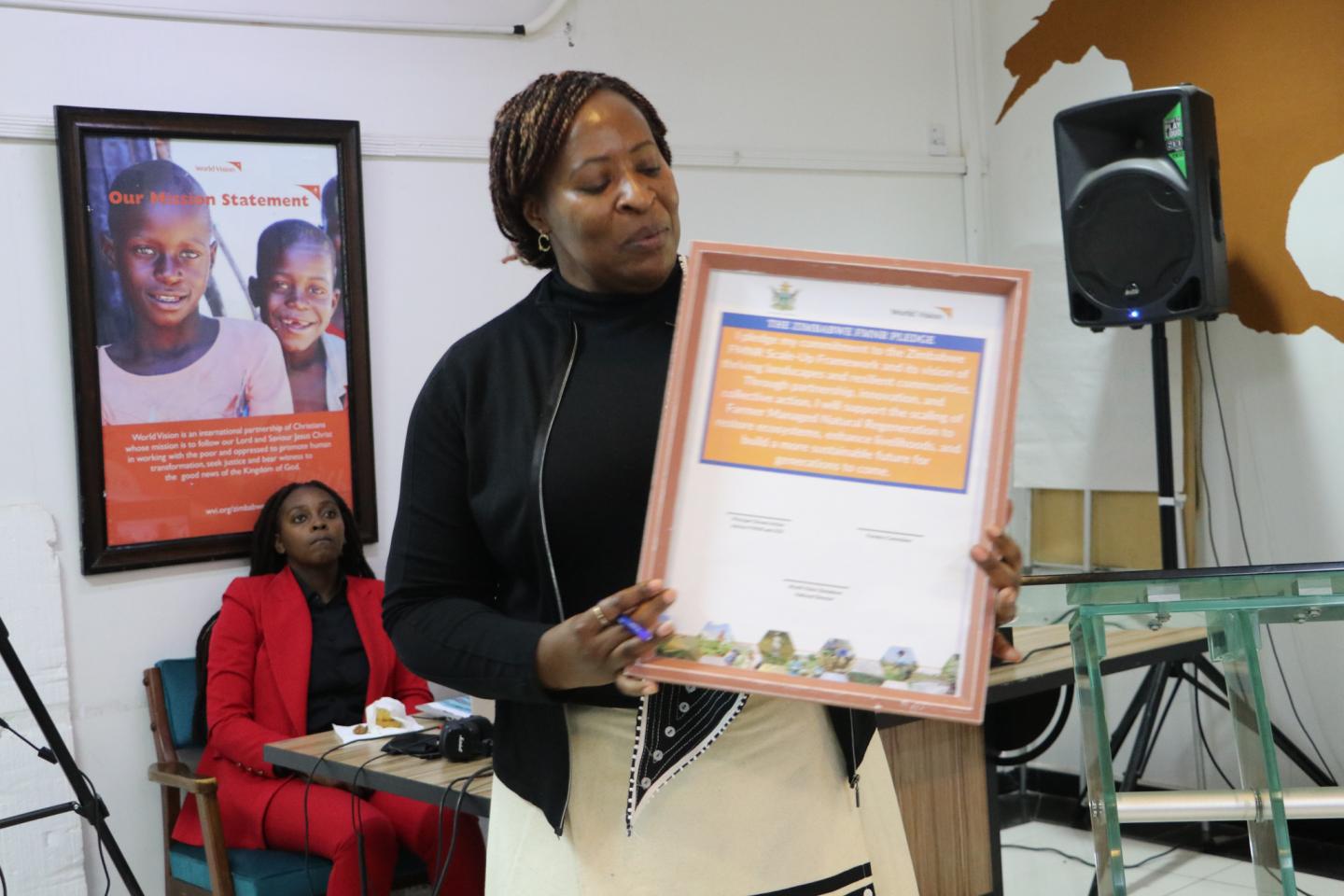
For communities increasingly affected by drought, land degradation and the impacts of climate change, the Framework represents more than an environmental strategy. It offers a pathway towards healthier ecosystems, more productive farmland and improved livelihoods.
As Zimbabwe continues its journey towards restoring its natural environment, the launch of the FMNR Scale-Up Framework reinforces World Vision Zimbabwe's commitment to working alongside government, communities and partners to create lasting environmental and socio-economic transformation.
Through this collective effort, the country is taking a significant step towards building greener landscapes, more resilient communities and a sustainable future for generations to come.