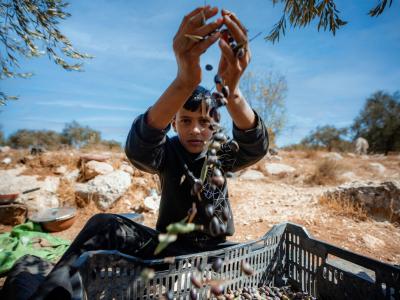
publication / June 17, 2026
East Asia Regional Snapshot - Published June 2026
Last year, our programmes impacted more than 5.8 million people, including 3.2 million vulnerable children and families across East Asia.
article / June 19, 2026
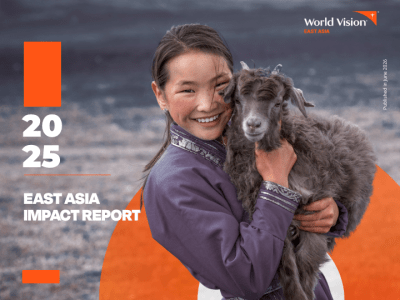
The Shift from Migration to Earning Income Within the Village
From uncertainty and migration to thriving at home, a Kampong Thom family finds sustainable income through farming with support from World Vision.
article / June 19, 2026
When “Temporary” Becomes More Than a Childhood
A thought leadership piece on refugee children growing up in long-term displacement and why support must go beyond survival to opportunity and dignity.
publication / June 24, 2026
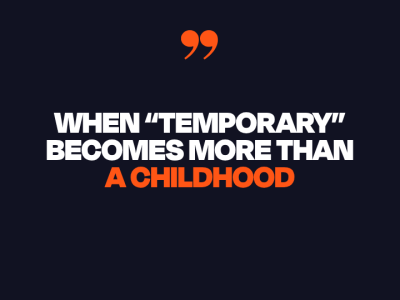
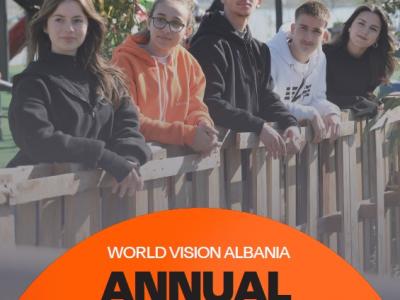
World Vision Albania Annual Impact Report FY 2025
The Annual Impact Report FY 2025 highlights programme results, community impact, and progress in supporting vulnerable children and families across Albania.
publication / June 19, 2026
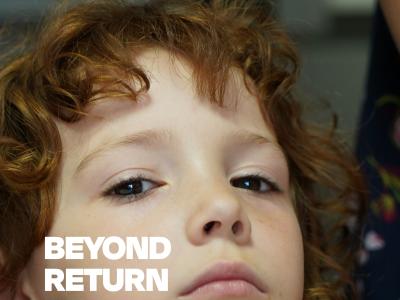
Beyond Return: Child and Family Wellbeing among Refugee and IDP Returnees in Ukraine and Syria
Explore World Vision’s latest policy brief on families returning to Ukraine and Syria. Discover the complex trade-offs between safety, reunification, and child wellbeing.
article / June 17, 2026
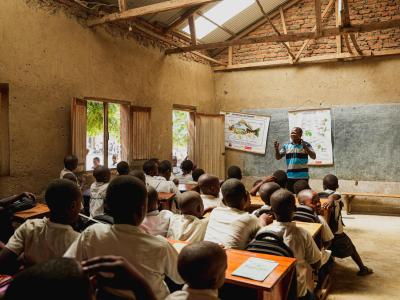
DR Congo: Caught Between Conflict and Ebola, Kelly, 12, Fights Not to Lose Another Year of Learning and Life
After surviving conflict, displacement and prolonged school closures in North Kivu, 12-year-old Kelly is now facing a new threat: Ebola. Her story highlights the resilience of children caught between war and disease, and the importance of keeping education alive during crises. Through World Vision’s Integrated Response to Emergency Education in Eastern DRC project, supported by Education Cannot Wait, thousands of children have returned to learning in safer and more supportive school environments. As fears of a new Ebola outbreak grow, Kelly’s determination to continue her education reflects both the hopes and vulnerabilities of children in eastern DRC, underscoring the urgent need to protect their right to learn and thrive.
publication / June 17, 2026
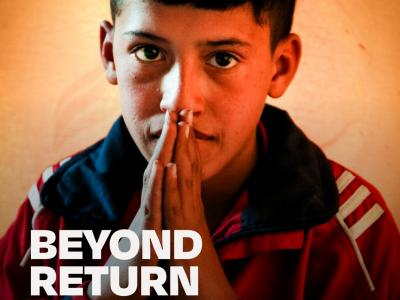
Beyond Return: Child and Family Wellbeing among Refugee and IDP Returnees in Ukraine and Syria
New WV policy brief reveals that long after displacement ends, many children continue to face insecurity, hunger, disrupted education and psychological distress.
publication / June 1, 2026
2025 Annual Report: Child Well-being at the Heart of Our Achievements
This report highlights the progress made in various areas, guided solely by the goal of empowering children and vulnerable communities through the work of World Vision Senegal.
publication / June 11, 2026
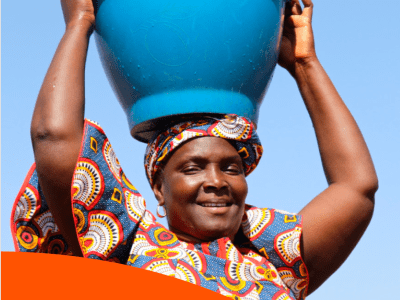
In the Shadow of Hunger: The Power of Self-Reliance to Protect Children and Restore Hope
In the Shadow of Hunger: The Power of Self-Reliance to Protect Children and Restore Hope