

Beyond Adaptation Limits: Coping with Loss and Damage
Mclarence Mandaza reflects on why communities across Southern Africa are rebuilding faster than ever, yet falling further behind due to loss and damage, and what this means for the future of climate finance.
June 25, 2026.
Across Southern Africa, communities are adapting. They are rebuilding homes after floods, replanting fields after drought and finding new ways to protect livelihoods in an increasingly unpredictable climate. Yet despite these efforts, many are falling further behind. The challenge is not a lack of resilience. It is that climate shocks are now arriving faster than recovery can occur.
As governments prepare for COP31 and the next phase of climate finance negotiations, we need to recognise an uncomfortable reality:
Southern Africa does not face an adaptation gap. It faces a recovery gap. This is manifesting in climatic loss and damage.
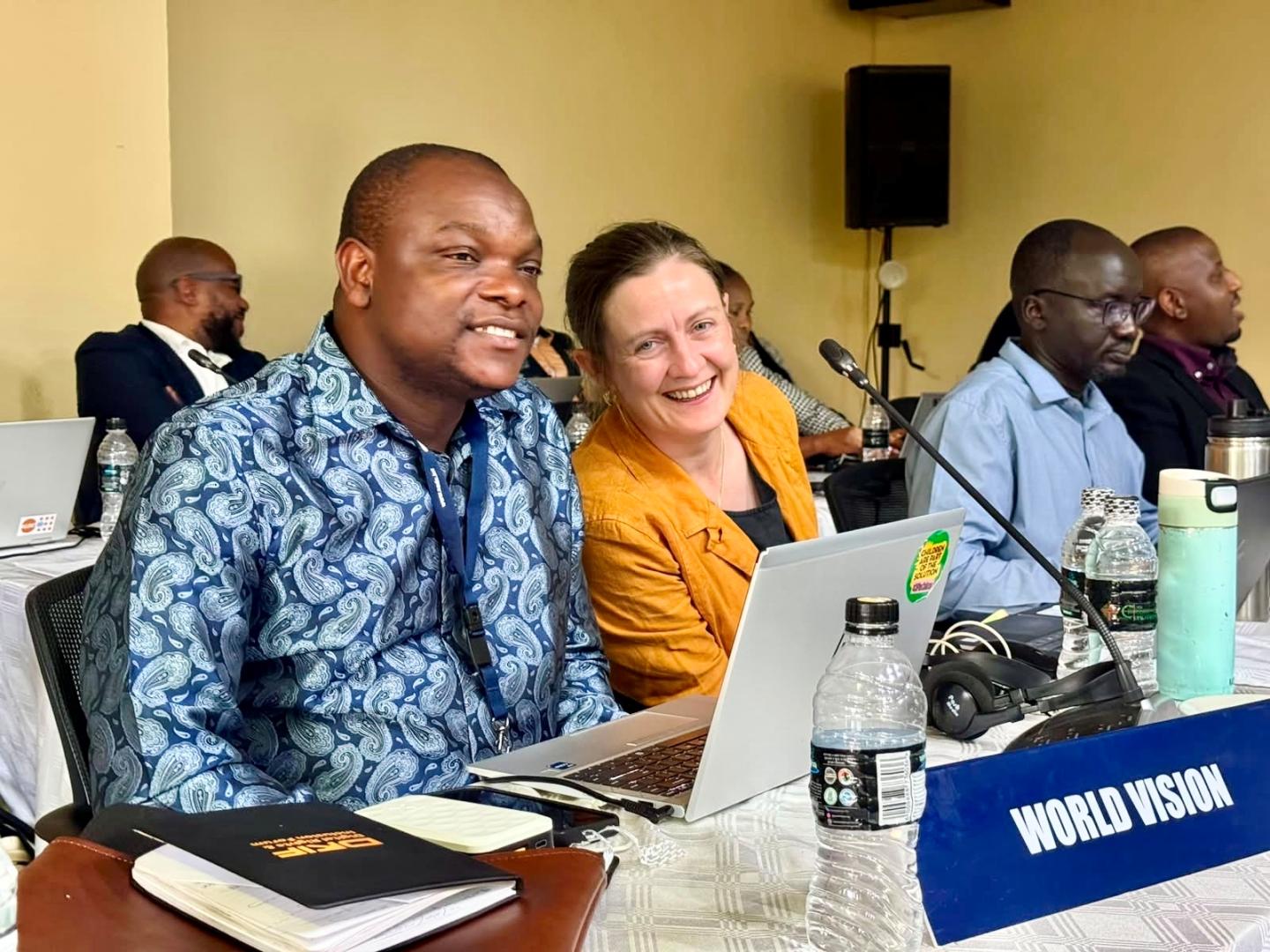
At the recent Southern African Development Community (SADC) Regional Dialogue on Loss and Damage, a delegate from Zambia described returning to communities that had rebuilt after Cyclone Idai, after floods and after drought, only to find them starting over again. His words captured the challenge more powerfully than any technical presentation could:
We are losing ground we have already paid for.
I wrote it down immediately. Not because it was dramatic, but because it was true.
Communities had not failed. Governments had not stood still. Development partners had invested heavily in adaptation and resilience. Yet increasingly, the interval between successive shocks is shorter than the time required to recover from them.
What We Are Not Measuring
Climate finance discussions often focus on infrastructure, agricultural production and economic losses. These metrics matter. But they do not tell the whole story.
During the dialogue, I found myself thinking about losses that rarely appear in financial assessments: a child missing months of education because flooding forced her family to relocate, the psychological toll of repeated displacement, the disappearance of cultural landmarks and community identity, or the gradual erosion of livelihoods as water sources become less reliable. These are often described as non-economic losses. The term may be technical, but the consequences are deeply human.
Encouragingly, the final SADC Common Position reflects this broader understanding. That matters because what gets measured increasingly shapes what gets financed.
Children Cannot Remain an Afterthought
One of the most persistent blind spots in climate finance is the treatment of children.
Children are frequently referenced within broader categories of vulnerability, yet their experiences are rarely measured in ways that influence funding decisions. This creates a significant gap between climate impacts and climate responses.
The 2023-24 El Niño affected approximately 27 million people across SADC countries. Cyclone Freddy generated more than US$3 billion in recovery needs in countries where children under 15 account for nearly half the population. Yet the impacts on children were seldom quantified in ways that informed financing priorities.
This matters because children experience climate loss differently. Missed education, nutritional setbacks, protection risks and psychological distress can shape outcomes across an entire lifetime. As United Nations Secretary-General António Guterres has observed:
Every fraction of a degree means more hunger, displacement, and loss, especially for those least responsible.
Evidence Is Becoming a Climate Finance Imperative
Access to loss and damage finance depends not only on need, but on evidence.
Governments require robust data to develop credible proposals for the Fund for Responding to Loss and Damage (FRLD). This presents an opportunity. Better coordination and data-sharing could help governments quantify losses more effectively and access available resources.
Recovery Requires More Than Resilience
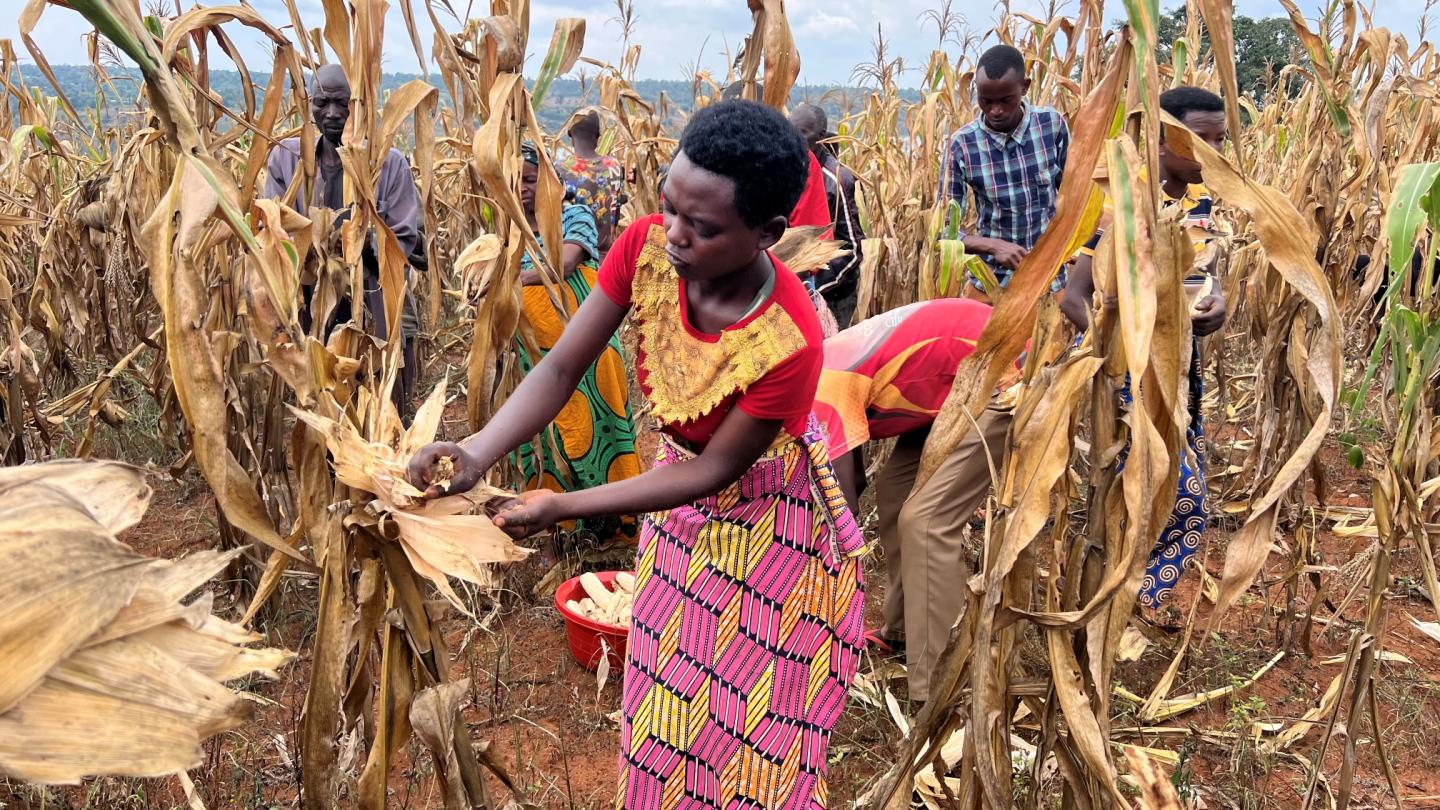
There are reasons for optimism. In Mozambique's Mutarara District, communities affected by severe drought are beginning to see fields recover following improved rainfall and the distribution of maize and bean seeds. Lina Munija, one of more than 12,000 people supported through the response, reflected on the change:
The seed has germinated because we had a lot of rain, unlike last year when the fields were completely dry.
Her words are a reminder that timely support works. Given the right resources, communities can recover, rebuild and thrive. But they are also a reminder that resilience alone cannot carry an ever-growing burden.
The World Bank estimates that SADC countries could face up to US$10 billion in annual GDP losses from climate impacts by 2030. Meanwhile, available funding for loss and damage remains far below projected needs. Access barriers persist, support for slow-onset challenges such as drought and desertification remains limited and political momentum on climate finance continues to fluctuate. This year, the region is bracing for yet another possible El Nino induced drought yet the funding gap remains wide.
A Choice Before COP31
For donors, multilateral institutions and governments, this is not just an environmental challenge, it is a development, fiscal and increasingly a stability issue. We need to move beyond treating this as a future risk and recognise it as a present reality. That means stronger political commitment to financing, more investment in anticipatory action, simpler access for affected countries, and a clear effort to place children at the centre of decisions.
That window is already narrowing. The choices made before COP31 will determine whether it closes further or whether we finally start investing at the scale needed to keep it open.
Mclarence Mandaza is World Vision’s Technical Lead for Environment Sustainability and Climate Action. With a strong background in rural development, food security, and climate adaptation, he brings deep expertise in agriculture food systems and resilient livelihoods. He holds a PhD in Governance and Regional Integration, focused on climate change adaptation, from the Pan African University Institute for Governance, Humanities and Social Sciences (PAUGHSS).
Subscribe to see more content like this
Related Resources

Bold Hope in a Climate Crisis

In Bonn, Negotiators Must Choose: Manage the Leaks or Fix the Roof
