
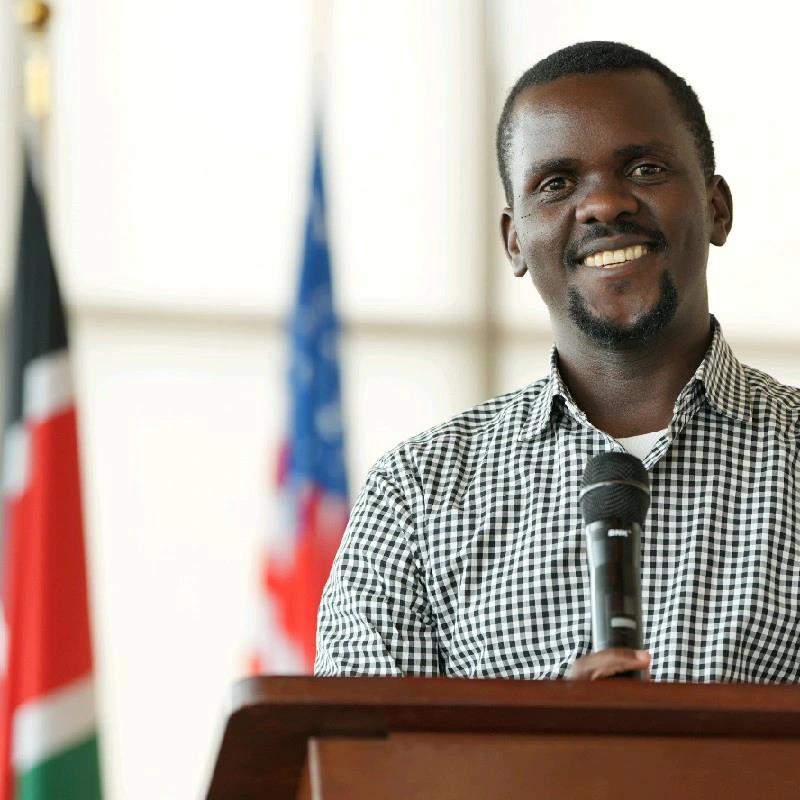

In Bonn, Negotiators Must Choose: Manage the Leaks or Fix the Roof
Juma Ignatius reflects on why adaptation finance must move beyond process and start working for communities living with overlapping climate and humanitarian risks.
June 11, 2026.
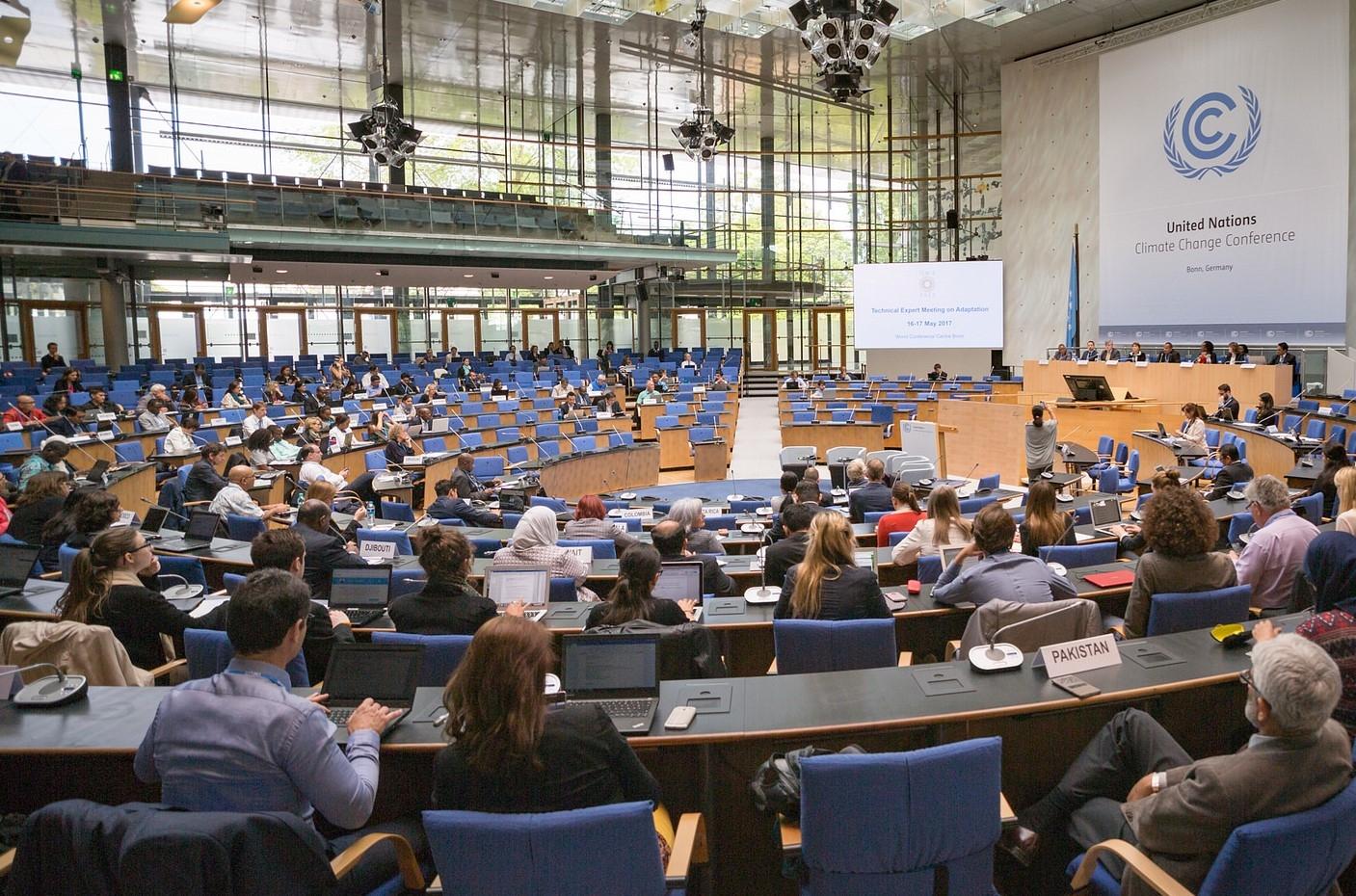
As negotiators gather in Bonn to shape the agenda for COP31, the most important question is not how to improve adaptation frameworks. It is whether the international community is finally prepared to redesign a climate finance system that repeatedly arrives too late and remains inaccessible to many of the communities facing the greatest risks.
The science is clear, the economics are compelling and the solutions already exist. Yet predictable climate shocks continue to become humanitarian crises because adaptation remains treated as a future investment rather than an urgent necessity.
When I was growing up in a small farming town, we had a neighbour who spent every rainy season placing buckets beneath the leaks in his roof. He knew exactly where each drop would fall and how long each bucket would take to fill. He became highly skilled at managing the consequences.
What he never did was fix the roof. That increasingly resembles the global response to climate risk. We forecast droughts and floods months in advance. We map vulnerabilities with remarkable precision. We develop resilience strategies and adaptation plans. Yet we continue to mobilise significant resources only after predictable shocks have already devastated lives and livelihoods.
The evidence is no longer the problem
Research synthesising evidence from nearly 300 studies found that climate adaptation delivers what economists describe as a "triple dividend": avoided losses, stronger long-term growth and wider social and environmental benefits. Median benefit-cost ratios are estimated at around four to one.
As Inger Andersen, Executive Director of UNEP, clearly put it:
If we do not invest in adaptation now, we will face escalating costs every year.
Yet funding patterns tell a different story. Children receive only 2.4% of global climate finance despite representing one-third of the world's population. At the same time, climate-related humanitarian appeals continue to face funding gaps of between 40 and 60%.
The recent confirmation that developed countries have met their collective climate finance target deserves recognition. But the target was met late. In climate-vulnerable contexts, lateness is not a procedural issue. It is measured in lost livelihoods, missed harvests and opportunities to prevent suffering that timely investment could have avoided.
Sudan reveals the cost of fragmentation
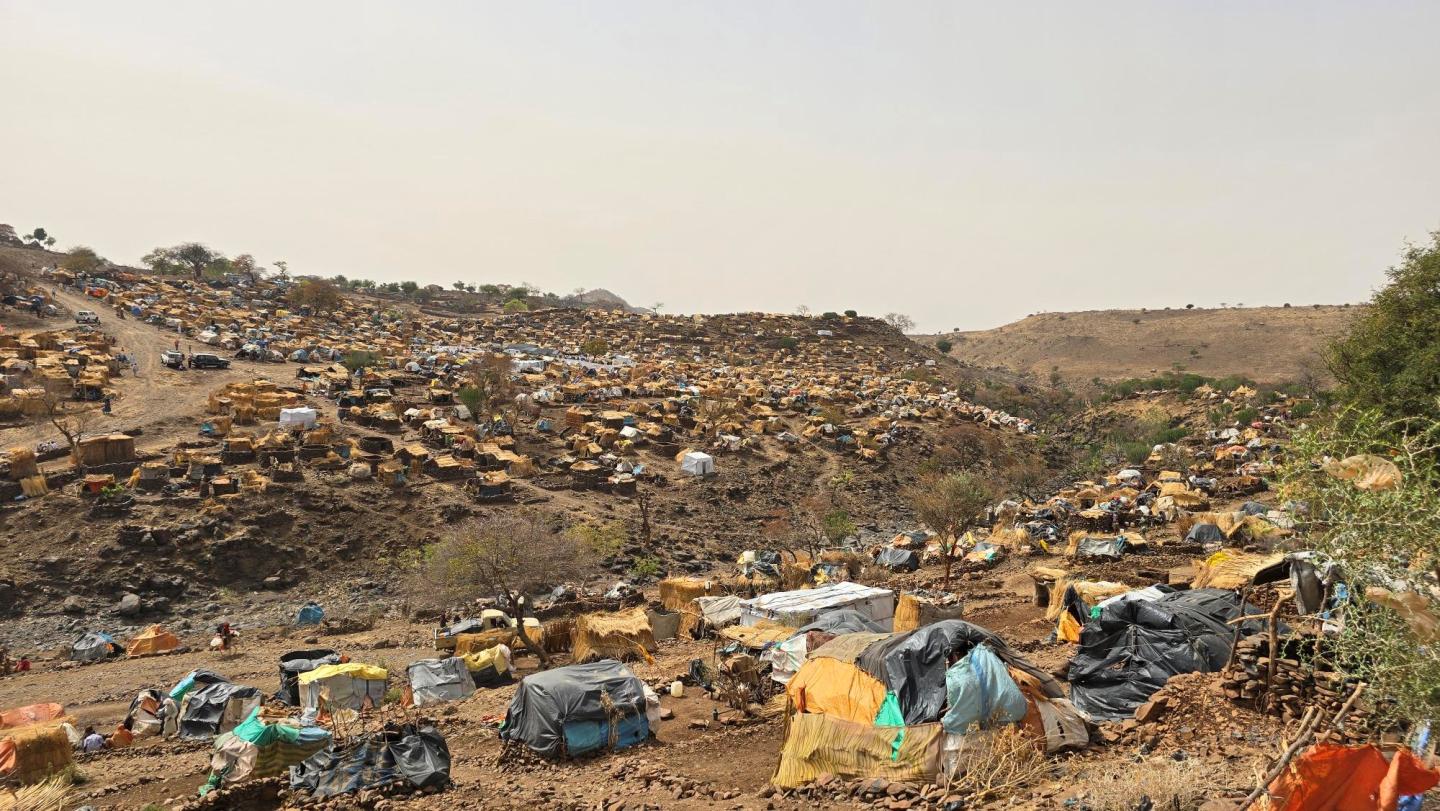
Nowhere is this disconnect more visible than in Sudan. Climate variability, including recurring droughts and increasingly severe floods, is colliding with damaged infrastructure, weakened agricultural systems and shrinking access to natural resources. Reduced agricultural productivity contributes to displacement. Displacement deepens food insecurity. Food insecurity places further pressure on already fragile social systems.
These pressures do not occur separately. Communities experience them as one compounding reality.
Yet international responses remain fragmented, divided between humanitarian programmes, development initiatives and adaptation projects that often operate according to different funding streams and priorities.
A community leader from North Darfur captured the problem succinctly:
You cannot separate water from war, or drought from displacement. We live one crisis. Yet they fund six different committees.
His observation reflects a broader truth. Communities live interconnected risks, while institutions continue to finance disconnected solutions.
A system designed for stability cannot serve fragility
The challenge is not simply the volume of finance. It is the way finance is designed. Much of the global climate finance architecture assumes stable institutions, administrative capacity and political continuity. Those assumptions do not hold in many fragile contexts where climate vulnerability is highest.
The result is predictable. Humanitarian actors are repeatedly funded to respond after shocks that science had already anticipated. There is a better way. Forecast-based financing in parts of East Africa has helped support pastoralist communities before livestock losses escalate. Community preparedness systems in Bangladesh have significantly reduced cyclone mortality by linking early warnings to local action. These approaches are proven. What they lack is scale and sustained investment.
From categories to communities
The lines between humanitarian response, disaster risk reduction, and climate adaptation are blurring and rightly so. Communities don’t experience crises in neat categories, and the systems meant to support them shouldn’t force them to.
As Mafalda Duarte, Executive Director of the Green Climate Fund, has emphasised:
If climate action is local action - which it is - then the Green Climate Fund needs to be local too.
Negotiators in Bonn have a chance to reset the approach ahead of COP31: unlock finance that is flexible and locally led, recognise anticipatory action as a smart investment, and judge success by a simple test, are people safer before the next shock hits?
My neighbour kept living with buckets under a leaking roof, until the storm that made them useless. The climate system is at the same tipping point. In Bonn, the question isn’t how to manage the leaks, it’s whether we finally fix the roof.
Juma Ignatius is a Senior Policy Advisor for Climate Action and Disaster Risk Reduction at World Vision International, with over 10 years of experience. He leads advocacy to strengthen resilience for communities facing climate shocks and complex risks.
Subscribe to see more content like this
Related Resources

Why Ending Hunger Requires Investing in Children’s Hope

Bold Hope in a Climate Crisis
