

Why Ending Hunger Requires Investing in Children’s Hope
Dana Buzducea reflects on what children’s lived experiences reveal about the blind spots in global food security policy.
June 5 2026.
At a moment when global attention is once again turning to food insecurity, amid rising prices, climate shocks and declining aid, we risk reinforcing a narrow definition of progress shaped by siloed systems. Hunger is still measured in calories delivered and programmes scaled across separate sectors. Yet for children, hunger is not only a deficit of food. As the most basic human need, food shortage is lived as uncertainty, strained relationships and, more quietly, diminishing hope.
And diminished hope in a child’s life is not a secondary concern. It reflects not only a failure of our global commitments to children, but a deeper structural omission in how policy, financing and humanitarian responses are designed and integrated. Too often, systems are built in ways that do not reflect how children experience deprivation and well-being, as interconnected realities rather than separate sectors, limiting their ability to respond to the full dimensions of children’s lives.
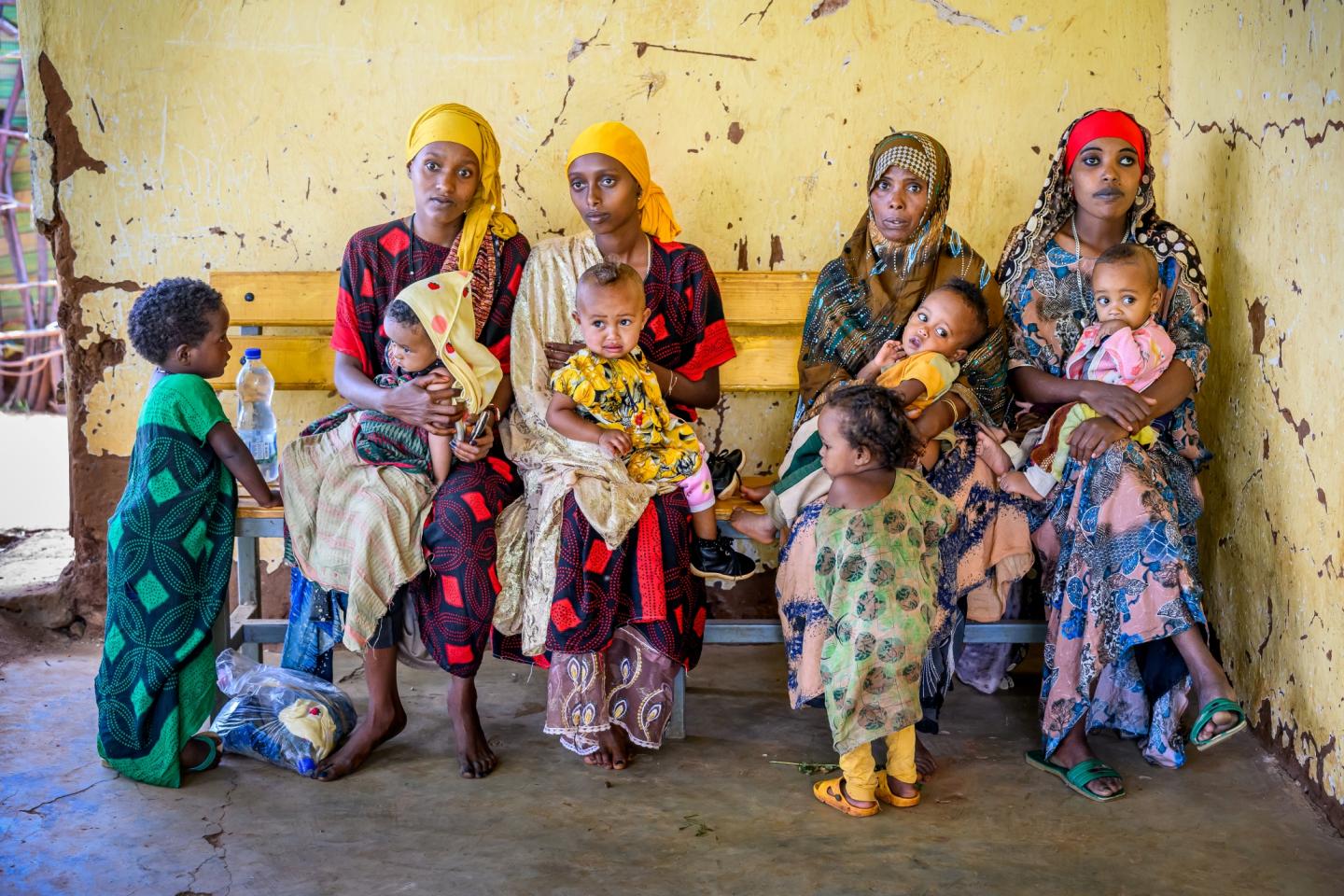
What hunger looks like when you are a child
I am writing this reflection from the Global Summit 2026 in Vatican City, where I am part of the World Vision delegation presenting the Measuring the Experience of God’s Love in Children research, developed with partners from Harvard, Duke, and Claremont Graduate University.
As the discussions unfold, I keep returning to how differently hunger is experienced by children, and what they reveal about dignity and their limits of coping.
The research offers a deeper view of well-being. Across more than 4,600 children in eight countries, it reveals a striking imbalance: 83% of children demonstrate resilience and 72% show strong social connection, yet only one-third express high levels of hope for the future. Yes, children can surprise us with their resilience, finding ways to adapt on the short term, but coping is not the same as flourishing.
A child in Senegal described hope in the simplest terms:
Hope is for example you have nothing and a person tells you that he is going to give you something… Hope is what you hope for.
It is difficult to ignore what sits beneath these words. Hunger is not only experienced as the painful weakness in the body. It is also experienced in whether tomorrow can be trusted to be different from today. Many children continue to cope within constrained circumstances yet struggle to imagine a different future. This is not accidental. It reflects systems that sustain survival, but do not yet create space for possibility. And what if the lack of hope extends for a long time during these formative years?
Where systems break down for children
One of the most consistent findings across contexts is that children experience well-being through relationships. Caregivers and communities are not secondary buffers. They are central to how children navigate deprivation. As one child in Sri Lanka shared:
I have realised that I am loved by others… when my mother spends time with me and talks to me to make me feel her love.
When food systems falter, the impact extends far beyond the absence of food. It settles into everyday family life, through rising stress, less time together and a quiet erosion of stability. These shifts are often less visible, yet they shape how children feel, cope and understand the world around them.
Too often, responses focus on restoring food access alone. In doing so, we address what is most immediate while overlooking the relationships that sustain children through hardship. Meanwhile, pressures on caregivers, family dynamics and children’s sense of security continue to shape how they develop and engage with their future.
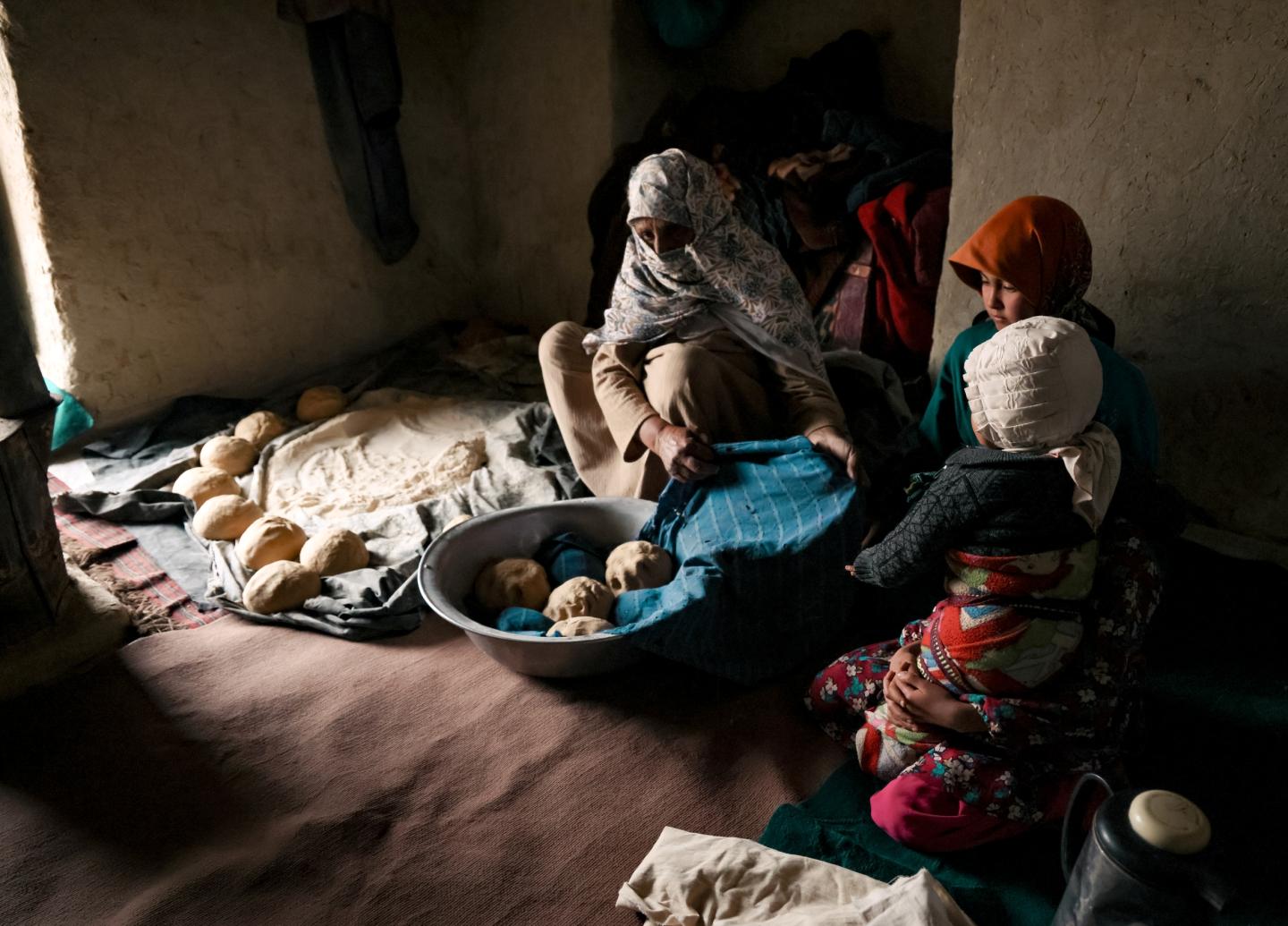
What we are beginning to see and what must follow
There are important steps forward. Efforts through the Global Alliance against Hunger and Poverty are increasingly focused on country-led and more integrated approaches that move beyond simple coordination towards greater coherence. I had the opportunity to meet Renato Godinho, Director of the Alliance, during my time in Rome, and his perspective stayed with me. As he noted in a recent reflection:
...If the point is for what works in one country to be usable in another, the knowledge has to cross languages as well as borders.
This points to a quiet but important shift. It reflects a growing recognition that alignment across systems, financing and knowledge is essential, not only to coordinate action but to respond more effectively to how deprivation is lived. The Alliance’s approach signals an important principle: if children do not experience hunger in silos, solutions cannot be designed that way either.
From sustaining life to enabling futures
Ending hunger is not only a technical and moral challenge. Proven solutions exist, yet too many children remain hungry because inequality persists and commitment falls short. What matters now is how we choose to act, and what we choose to value. Alongside food security, we must pay attention to children’s sense of connection, care and belonging. Families and caregiving relationships are not an add-on; they are where children find strength.
Hunger is not only about whether a child eats today. It is about whether they can still picture a tomorrow that feels different. Success, then, is not only fewer empty plates. It is children who feel held through hardship, who stay curious about the world, and who can still believe in a future where they are seen, valued, and able to thrive.
With over 30 years of experience, Dana Buzducea is World Vision International’s Partnership Leader for Advocacy and External Engagement, where she leads global efforts to influence child-sensitive policies, strengthen government and multilateral investments and advance both the Sustainable Development Goals and the Convention on the Rights of the Child.
Subscribe to see more content like this
Related Resources

From Fragmentation to Impact: Strengthening Nutrition Financing for Children

Why Financing for Development must reckon with children’s futures now.
