

The Climate Crisis Has a Bill. Somalia’s Children and Families Are Paying It
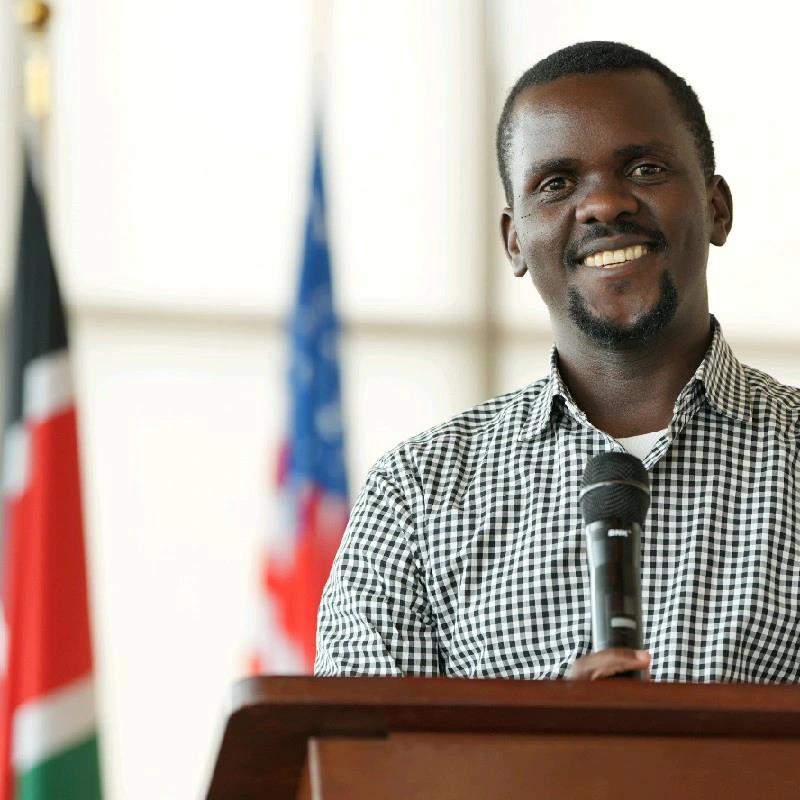
Juma Ignatius, reflects on why climate finance is no longer a question of solidarity, but of responsibility.
June 24, 2026.
In Somalia, it is already being paid for in livestock, harvests, livelihoods and childhoods. As governments prepare for another cycle of climate negotiations and financing decisions, a hard truth remains: countries that contributed least to global warming continue to bear some of its heaviest costs.
Ibrahim Abdullahi once owned forty camels. He has six left.
He stands beneath a lone acacia tree in Garbaharey, south-central Somalia, watching them chew dry bark because there is nothing else to eat. His father taught him how to read the land: when to move, where water would be, and which clouds would bring rain. Those signs no longer hold.
The land has changed.
What has not changed, nearly enough, is the global response. For decades, Somalia has been described through the language of crisis. Yet labels often conceal more than they reveal. What communities across the country are experiencing today is not simply another humanitarian emergency. It is the convergence of climate shocks, long-standing fragility and chronic underinvestment in resilience. And increasingly, it is the consequence of a warming world they did almost nothing to create.
Climate debt is no longer a theoretical concept
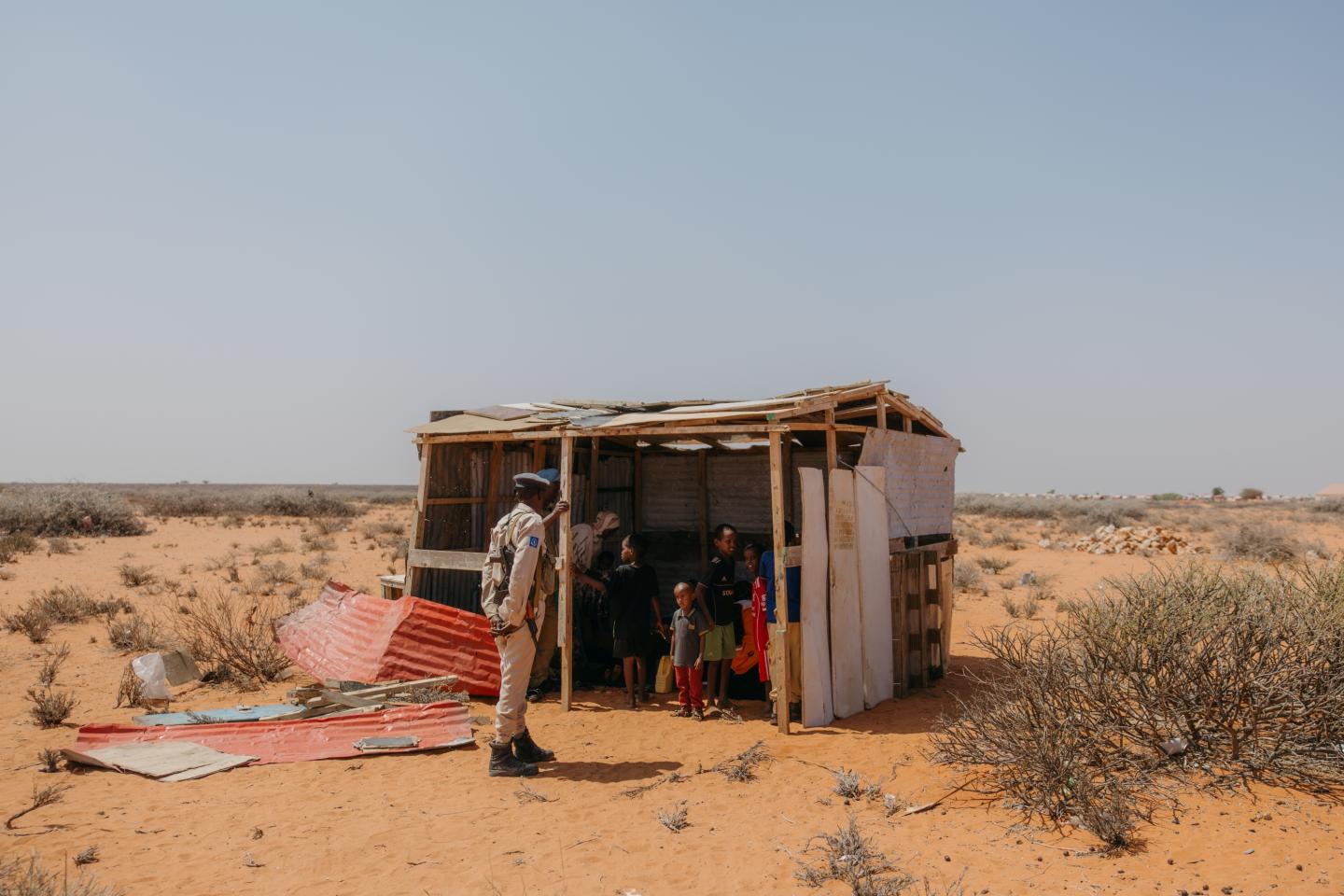
The idea of climate debt can sound abstract in international discussions. In Somalia, it is visible everywhere. The latest assessments from the Intergovernmental Panel on Climate Change (IPCC) identify Somalia among the countries most vulnerable to climate impacts. Rainfall has become increasingly erratic. Droughts that once occurred roughly once a decade now strike every two to three years. Recovery periods have largely disappeared. Communities face a cycle of shock, loss and renewed shock before they have had any opportunity to rebuild.
The consequences are profound. Around 6.5 million people are facing crisis-level hunger. More than 1.8 million children under five are expected to experience acute malnutrition this year, including nearly half a million who are severely malnourished. At the same time, humanitarian funding continues to contract, forcing difficult reductions in assistance precisely when needs are escalating.
These are not future projections. They are present realities. Yet according to the United Nations Environment Programme, developing countries require between US$310 billion and US$365 billion annually for adaptation by 2030. Current international public adaptation finance stands at roughly US$26 billion per year. The gap is not marginal. It represents a profound mismatch between political commitments and lived realities.
The missing conversation is resilience before crisis
Climate change did not create Somalia’s vulnerability. Decades of conflict, marginalisation and institutional erosion weakened the systems that once helped communities withstand shocks.
Halima Nur remembers when those systems disappeared.
"One day there was a government," she recalls. "The next day there were only guns."
What followed was the loss of local governance, grain reserves and early warning systems—critical buffers that helped communities absorb and prepare for hardship. Climate change arrived later, but into a landscape already stripped of protection. This is why it matters that too much international financing still arrives after losses occur, rather than helping prevent them.
The most effective investments are often the least visible: water infrastructure, climate-resilient agriculture, drought preparedness and early warning systems. They rarely make headlines, but they rebuild resilience and stop crises from becoming catastrophes.
As UN Climate Change Executive Secretary Simon Stiell has said,
“Climate finance is the lifeblood of climate action. It is what turns plans into progress, and ambition into implementation.”
From resilience rhetoric to political accountability
Amina Warsame, a community elder, expresses the challenge clearly:
"We are not asking for pity. We are asking for the chance to feed ourselves."
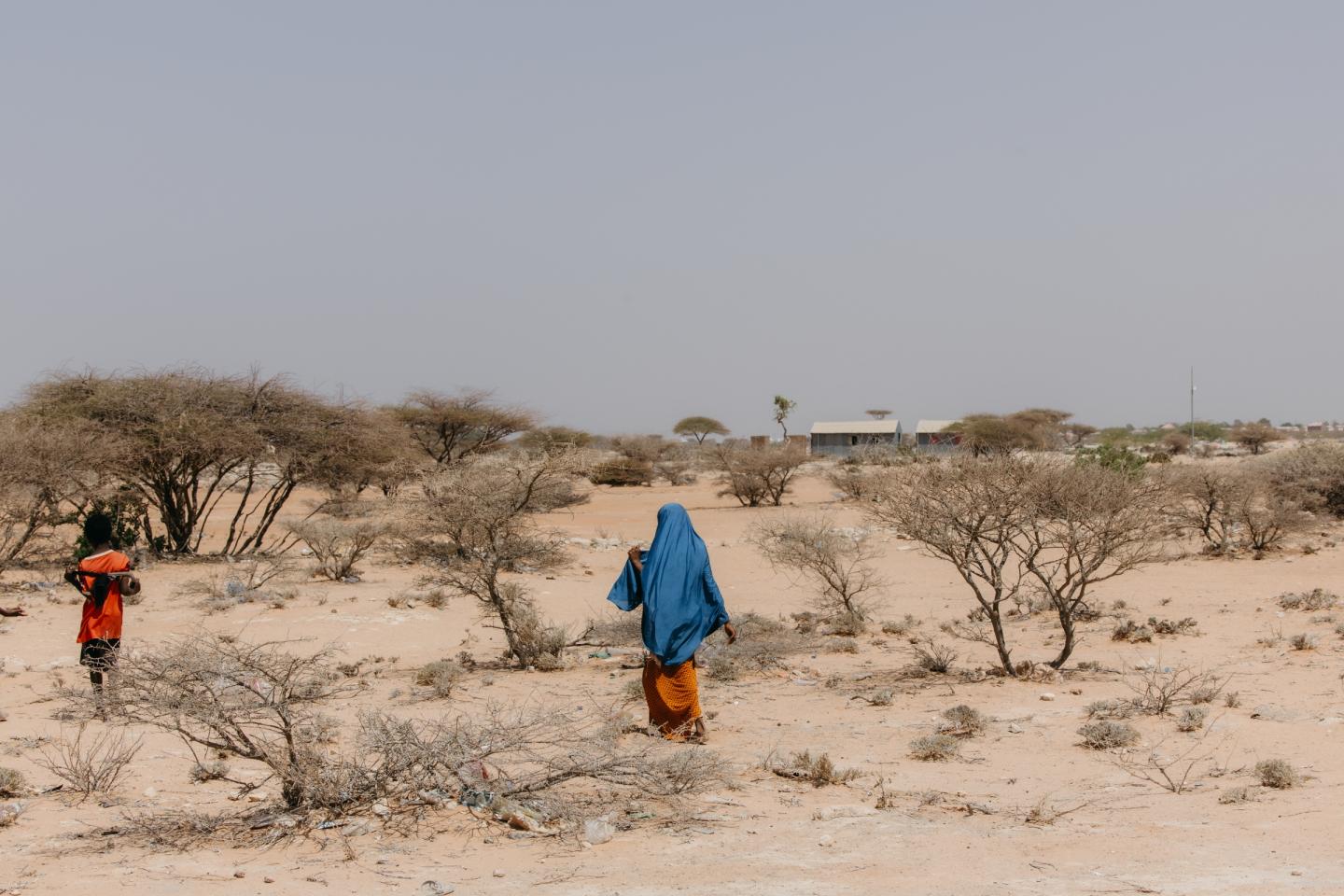
Her words expose a persistent flaw in global discussions. Communities can adapt. They can innovate. They can endure. But resilience without meaningful investment eventually becomes survival. And survival has limits.
As attention turns towards upcoming climate and development financing decisions, the test of international leadership will not be found in negotiated text or carefully crafted communiqués. It will be found in whether adaptation finance reaches communities facing escalating climate risks. Whether support for loss and damage becomes operational at scale. Whether vulnerable countries receive resources early enough to reduce risk rather than merely respond to it.
The measure of success is remarkably simple.
Will there be water when the next drought comes? Will crops survive the next season? Will families have more options than they do today?
For policymakers, donors and multilateral institutions, the priority should now be clear: treat adaptation finance not as discretionary assistance, but as a central pillar of climate responsibility. Accelerate delivery, expand access and ensure resources reach the communities carrying costs they did not create.
Because climate debt is not recorded in balance sheets.
It is measured in lives, livelihoods and opportunities lost. And in Garbaharey, Ibrahim Abdullahi is still watching his six camels. They are standing.
For now.
Juma Ignatius is a Senior Policy Advisor for Climate Action and Disaster Risk Reduction at World Vision International, with over 10 years of experience. He leads advocacy to strengthen resilience for communities facing climate shocks and complex risks.
Subscribe to see more content like this
Related Resources

In Bonn, Negotiators Must Choose: Manage the Leaks or Fix the Roof

What the hunger stats for Sudan don’t tell you about food.
