

Faith Communities: An Overlook Part of the Nutrition Systems?
Deepesh Thakur, reflects on why achieving SDG 2 will remain out of reach unless formal nutrition systems recognise and integrate the actors already working on the frontlines.
March 19, 2026.
At a moment when global hunger is rising and financing is tightening, we continue to overlook one of the most immediate, trusted and active parts of the nutrition response. Faith communities are already identifying malnourished children, supporting caregivers and responding in crises. Yet they remain largely invisible in the systems designed to end hunger. This is not a marginal oversight. It is a structural blind spot, and it is costing children their futures.
This is precisely the shift the ENOUGH campaign is calling for: not simply scaling what exists, but addressing the systemic gaps that prevent timely, equitable responses to child hunger.
The scale of the challenge is well documented. Around 33 million children under five are living with wasting, including more than 9 million with severe wasting. These figures are not new. What is new, and increasingly difficult to justify, is the persistence of fragmented systems that fail to connect with the actors that families already turn to first.
The system is incomplete by design
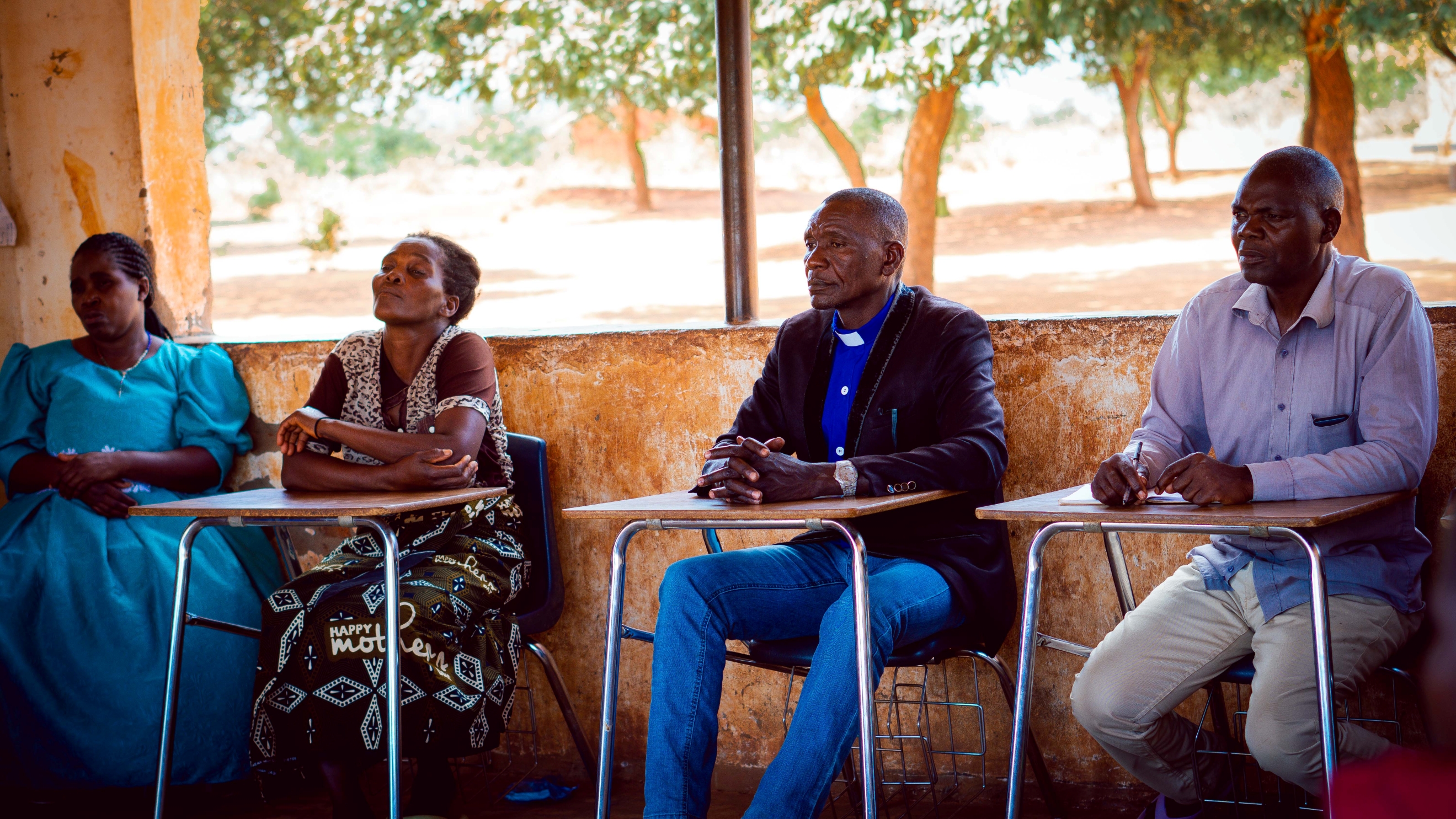
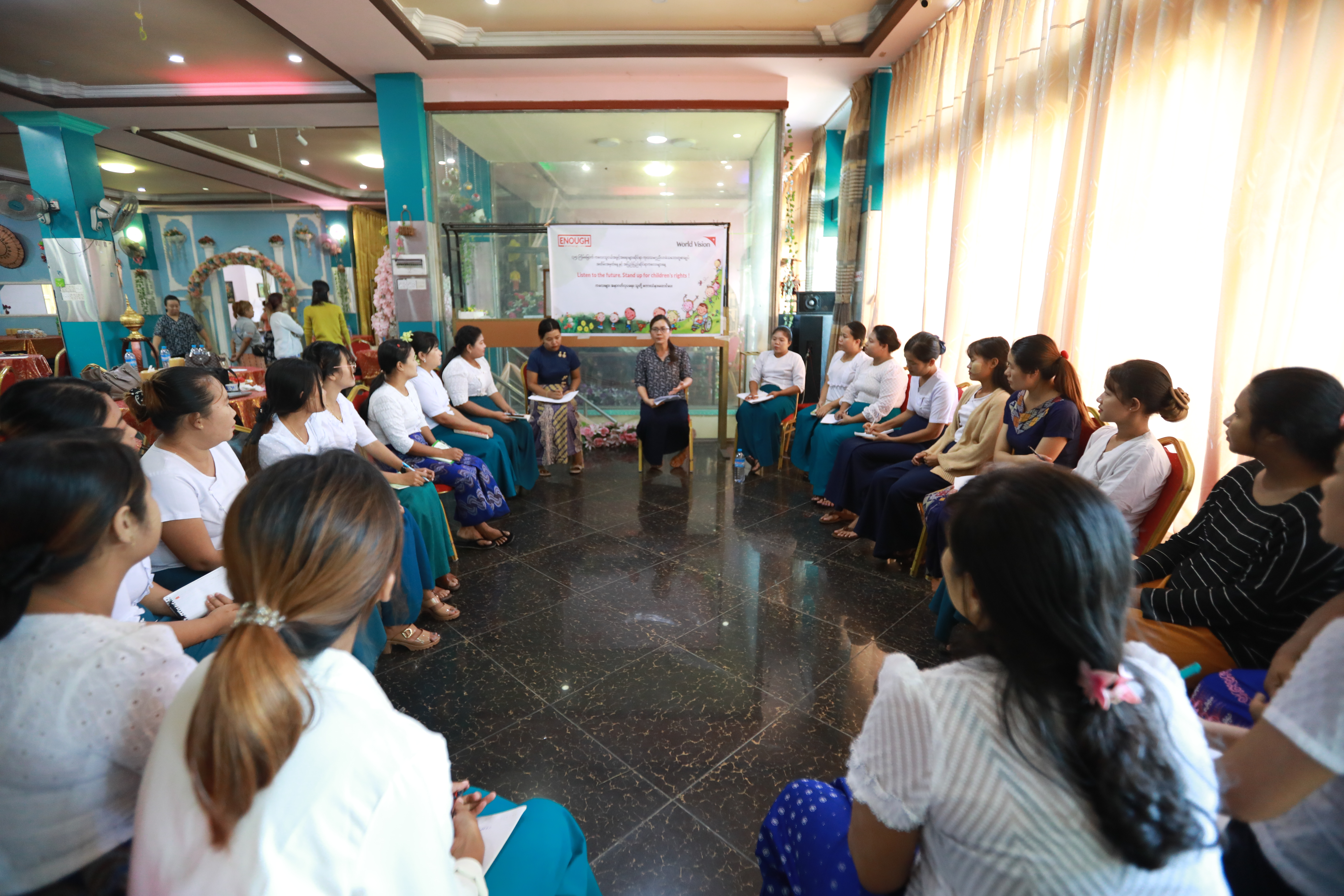
In 2025, World Vision convened 93 Faith-Based Nutrition Dialogues across 20 countries, engaging 7,697 participants. Their voices were loud and clear. Not in abstract terms, but in lived realities. Across faiths and regions, hunger was described as something felt as much as measured: the quiet anxiety of a parent who cannot provide, the strain it places on relationships, the dignity it erodes over time.
It is within this context that one faith leader in Haiti reflected:
“When families are hungry, they come to the church first because they trust us.”
That trust is earned over time, through consistent presence and shared experience, long before a programme begins and long after it ends. In fragile and underserved settings, this is often where the response begins. A mother notices her child is losing weight. She does not turn first to a distant clinic or an unfamiliar system, but to someone embedded in her community, a local pastor, a women’s group, a faith volunteer who knows her name.
Yet too often, this is where the system disconnects.
Faith actors are frequently the first to recognise early signs of vulnerability. But without the tools, training or formal referral pathways, early concern does not translate into timely care. A risk is identified but not recorded. A child is seen but not referred. Days pass, then weeks, and the critical window for early intervention begins to narrow.
Encouragingly, faith leaders themselves are signalling readiness to do more. In the Joint Statement on the Right to Food and Nutrition , they affirm that ending hunger is both a moral obligation and a shared responsibility, calling for a stronger and more formal role within national and global responses.
Participation is not a checkbox. It is the missing insight
There is a deeper issue at play. When we exclude faith-connected communities from formal processes, we are not only missing operational reach. We are missing understanding. Participatory engagement reveals dimensions of hunger that conventional assessments often overlook: shame, dignity, gender dynamics and the quiet negotiations that shape whether a child eats.
A caregiver in Bangladesh described it plainly:
“When parents cannot feed their children, it affects their dignity and their sense of worth as caregivers.”
This is not peripheral insight. It is central to why programmes succeed or fail. Without it, interventions risk being technically sound yet socially disconnected. And yet, too often, these perspectives are collected, documented and then left at the margins of decision-making.
The cost of fragmentation is measured in children’s lives
From a donor perspective, this fragmentation represents both a risk and a missed opportunity. Significant investments are made in nutrition programming each year, yet outcomes remain uneven. Why? Because systems fail to connect early detection with formal care pathways. Because community trust is not systematically leveraged. Because insights generated at the local level do not inform national planning.
The value proposition for integration is clear. By equipping faith actors with simple screening tools, establishing structured referral pathways and including them in coordination platforms such as national nutrition councils and Scaling Up Nutrition mechanisms, we can extend the reach and effectiveness of existing investments. Not incrementally, but materially.
A decision point we can no longer defer
The question is not whether faith actors have a role to play. They already do. The question is whether policymakers, donors and nutrition leaders are prepared to recognise that reality and act on it.
As global discussions on food systems and financing continue to shape priorities and investments, the opportunity is immediate. If we are serious about achieving SDG 2: Zero Hunger, we must redefine what we consider to be the system.
What needs to happen next
- First, integrate faith actors into national nutrition coordination platforms and referral systems, not symbolically but functionally.
- Second, invest in practical tools and training that enable early detection and timely referral at community level.
- Third, institutionalise participatory approaches so that community insights shape policy and programme design.
Finally, hold ourselves accountable for closing the gap between where children seek help and where systems are designed to respond. Until those two realities align, we will continue to measure progress in reports while children continue to be missed in practice.
Deepesh Paul Thakur is the Senior Director of Local-to-Global Advocacy and Impact, with over 24 years of experience in national and international development. He leads efforts to align advocacy and external engagement across local, national, and global levels, supporting Regional Advocacy Directors in six regions.
Subscribe to see more content like this
Related Resources

Justice begins when no child goes hungry

Let This Jubilee Feed the Hungry
