

Finding the Missing Children of TB: Why Nutrition Integration Matters
On World Tuberculosis (TB) Day, ending paediatric tuberculosis requires confronting two hidden crises: the underdiagnosis of children with TB and the persistent separation of TB and nutrition services.
In a rural nutrition clinic, a severely undernourished child is admitted to a therapeutic feeding programme. Weeks pass, yet the child fails to gain weight despite receiving the recommended treatment. Only later is the underlying cause discovered: tuberculosis (TB). This pattern is far from rare.
Early in my clinical training, during an internship in a paediatric ward in Mozambique, we frequently admitted children with severe acute malnutrition who were eventually diagnosed with TB. What initially appeared to be a nutrition crisis often turned out to be something more complex – a child whose immune system had been weakened by malnutrition and who had developed TB as a complication.
Years later, while supporting rural hospitals in Angola, I encountered a different but equally concerning pattern. Children with persistent illness were referred multiple times between facilities before TB was considered as a possible diagnosis. By the time TB was identified, the disease had often progressed.
These experiences reflect a broader global reality. Many children with TB remain undiagnosed because health systems are not always designed to find them.
The invisible burden of paediatric TB
Each year, more than one million children develop TB, according to World Health Organization estimates, yet hundreds of thousands are never diagnosed or reported to national TB programmes. Paediatric TB is not rare. It is rarely detected.
Unlike adults, children often develop forms of TB that are harder to diagnose. Symptoms such as persistent cough, weight loss, or prolonged fever overlap with many common childhood illnesses, and young children frequently cannot produce respiratory samples for laboratory testing. As a result, many children with TB are misdiagnosed or identified only after repeated health facility visits – often presenting first in clinics for malnutrition, pneumonia, or recurrent infections.
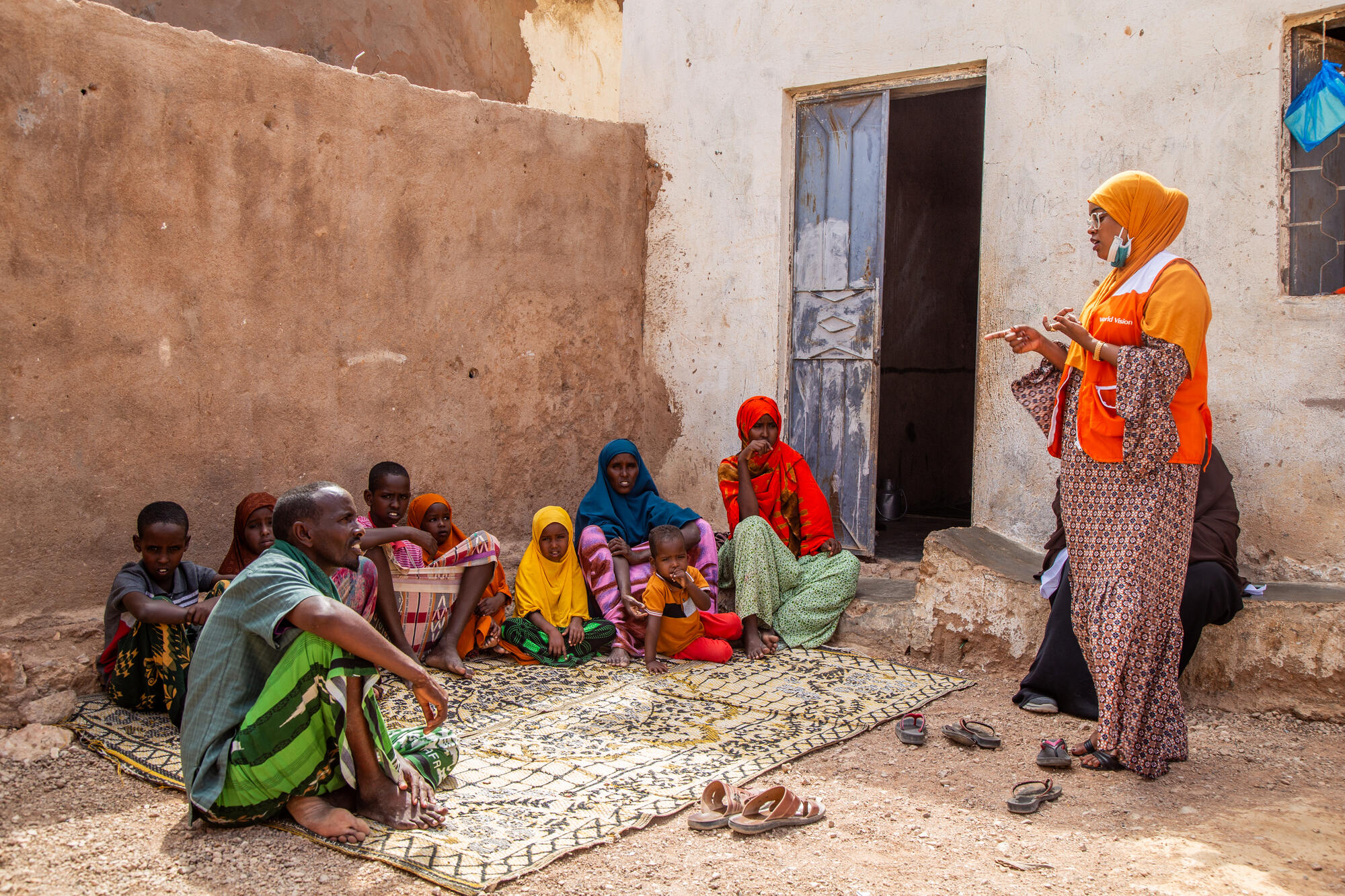
TB and malnutrition: a dangerous cycle
Malnutrition is one of the strongest risk factors for TB disease. Undernutrition weakens immune function, increasing the risk that a child infected with TB will progress to active disease. At the same time, TB contributes to weight loss, poor appetite, and impaired growth.
For children living in poverty and food insecurity – conditions common in regions with high TB incidence, including sub-Saharan Africa and Southeast Asia – this interaction becomes particularly severe.
- Malnutrition increases susceptibility to TB
- TB worsens malnutrition
- Delayed diagnosis prolongs illness and increases mortality
Yet despite this clear connection, TB and nutrition programmes are often implemented separately. Overcoming this requires deliberate policy choices, not just goodwill.
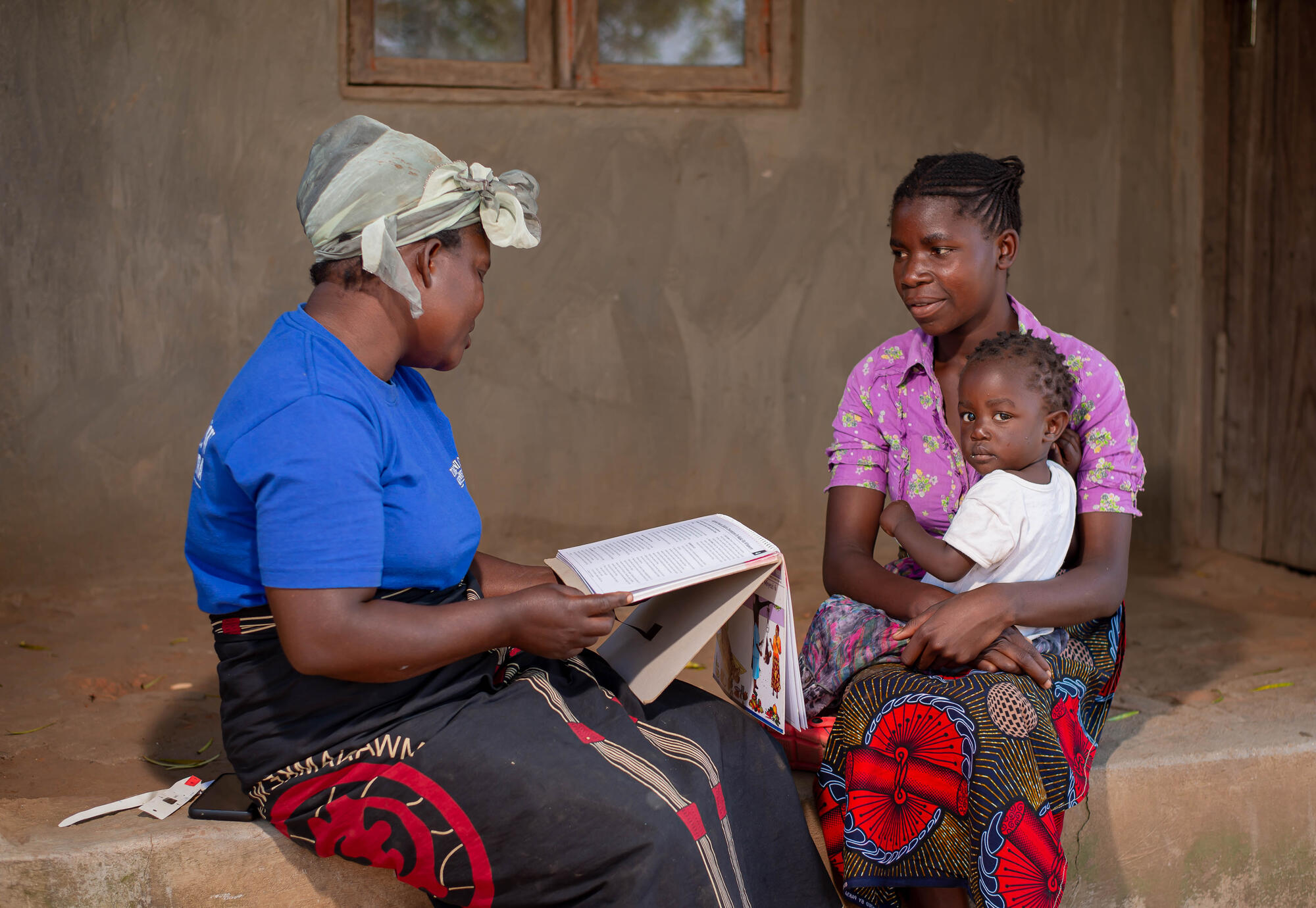
The missed opportunity in nutrition programmes
Nutrition services already reach many children at highest risk of TB. Therapeutic feeding programmes, growth monitoring platforms, and community nutrition services frequently serve children who are undernourished, immunologically vulnerable, and living in households affected by poverty and disease.
These programmes offer a critical opportunity to identify children with TB earlier – not by creating parallel systems, but by embedding routine TB screening and referral into existing nutrition contacts. Yet this integration remains inconsistent. Children who fail to recover from malnutrition are repeatedly treated nutritionally without investigation of underlying diseases such as TB.
The barriers are real but solvable: health workers at nutrition platforms are not always trained to recognise TB symptoms in children, referral pathways are often weak, and TB diagnostic tools are rarely available at the community level.
Partnerships that demonstrate what integration can achieve
Since 2002, The Global Fund to Fight AIDS, Tuberculosis and Malaria and World Vision International have partnered to deliver health programmes in some of the world's most fragile settings. In several countries, these programmes have integrated nutrition support within TB care, including nutritional screening and counselling in the Central African Republic, food vouchers in Papua New Guinea, and food assistance for Multidrug-Resistant Tuberculosis patients in Sierra Leone and Haiti.
In 2024 alone, World Vision’s Global Fund programmes reached more than 24 million people, identified over 77,000 TB cases, and initiated treatment for more than 61,000 individuals. Systematically connecting community health systems with nutrition entry points could significantly reduce the gap in paediatric TB detection. The infrastructure exists. The missing piece is strategic integration.
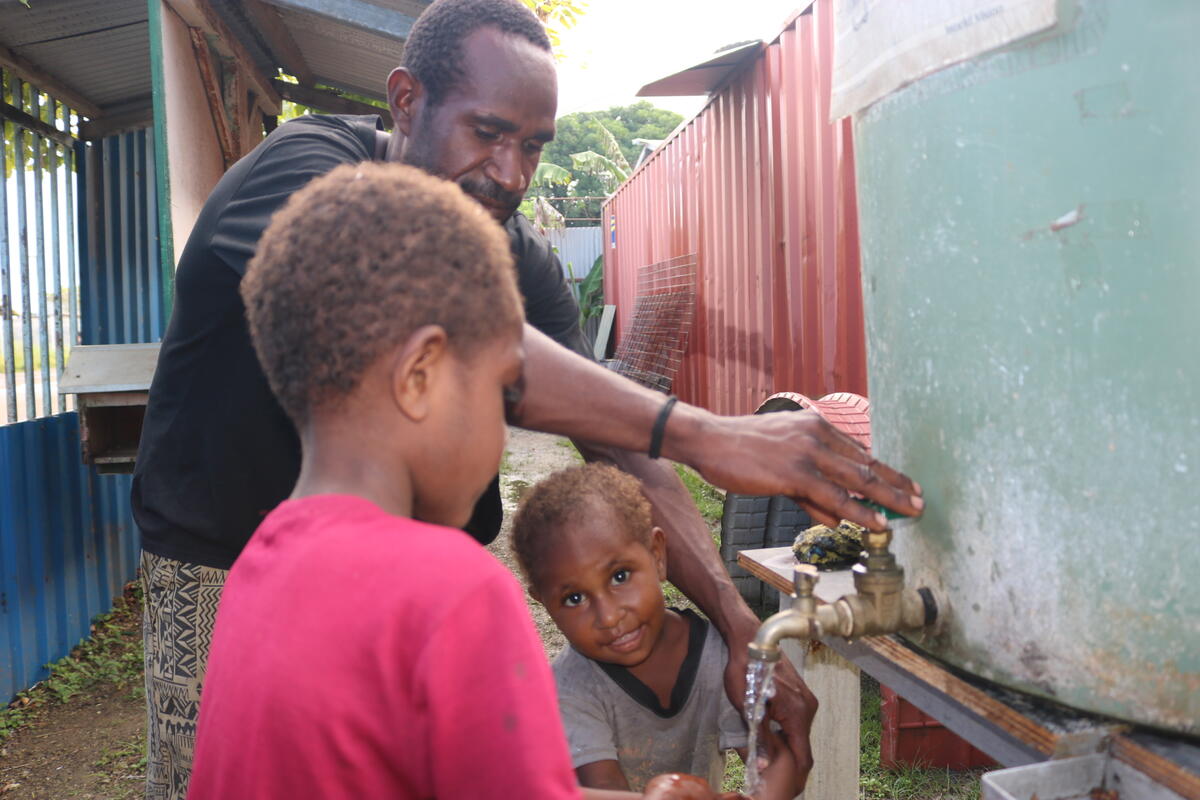
Finding the children we are missing
On World Tuberculosis Day, the global health community must confront a difficult truth: many children with TB remain unseen, undiagnosed, and untreated.
Ending paediatric TB requires better diagnostics, stronger treatment programmes, and sustained investment. It also needs an explicit commitment to integrate routine TB screening into therapeutic feeding programmes and community nutrition platforms. Concretely, this means training nutrition health workers to recognise TB symptoms in children, establishing clear referral pathways between nutrition and TB services, and ensuring that children who fail to respond to nutritional treatment are routinely investigated for underlying disease.
These are not aspirational goals. They are operational steps that governments, donors, and implementing partners can take now.
Because the most dangerous TB cases are often not the ones we treat. They are the ones we never diagnose.
About the author:
Dr. Antonio Santana Dias is the Global Technical Director for Health and Nutrition at World Vision International. He has over 16 years of experience supporting health and nutrition programmes across Africa and Asia, working closely with governments and international partners to strengthen health systems and improve service delivery in resource-constrained settings.
Subscribe to see more content like this
Related Resources

Tuberculosis: An Old Foe in Waiting

Are your Community Health Workers salaried, skilled, supervised and supplied?
