

Global Financing for eliminating hunger in 2026: Why Incremental Progress is no Longer Enough
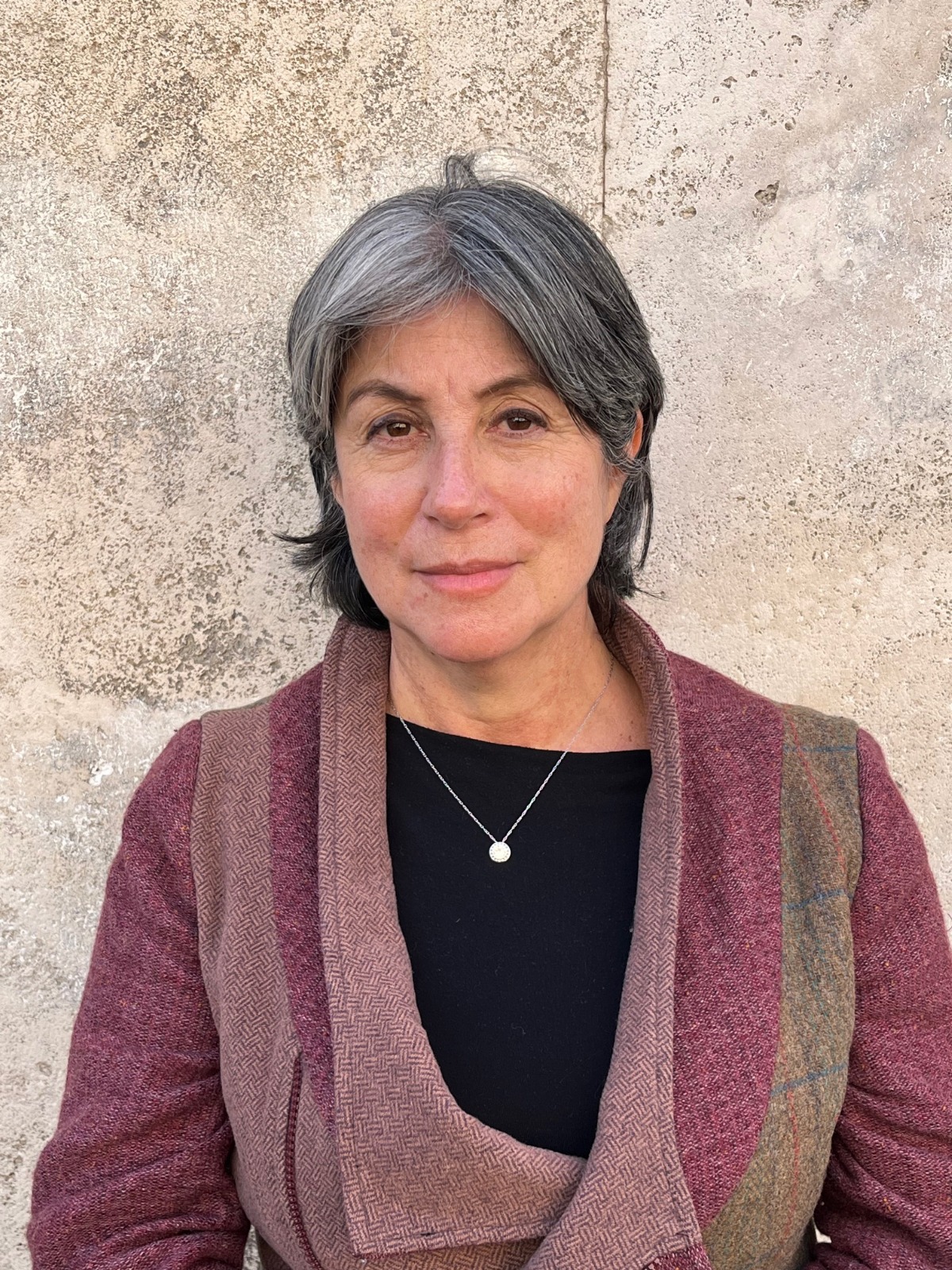
Andrea Galante, Senior Advisor for Coalitions and Global Partnerships at World Vision International, brings light to the uncomfortable truths shaping child hunger, malnutrition and social protection.
21 January 2026.
As 2026 begins, we arrive at a defining moment for children affected by hunger and malnutrition. This year is not merely another milestone on the global calendar. Arguably, it is a test of credibility. A test of whether long-standing commitments to end child hunger will finally translate into action that protects lives and safeguards futures, or whether children will once again bear the cost of cautious progress.
Hunger, after all, does not pause with the turning of the year. For millions of children, 2026 opens with a familiar reality: inadequate diets, disrupted education and heightened exposure to shocks. Although it could be said that global ambition has never been clearer, children continue to live with hunger’s consequences every single day, across every region. While persuasive, this narrative of ambition overlooks a basic truth: aspiration without delivery changes very little for a child who goes to bed hungry.
Progress, but not at the pace children need
There has been progress in some contexts. Yet hunger and malnutrition remain alarmingly high, particularly in fragile and climate-vulnerable countries. Recent data from UN agencies shows that gains made over the past decade are stalling or reversing, driven by conflict, economic instability and climate shocks.
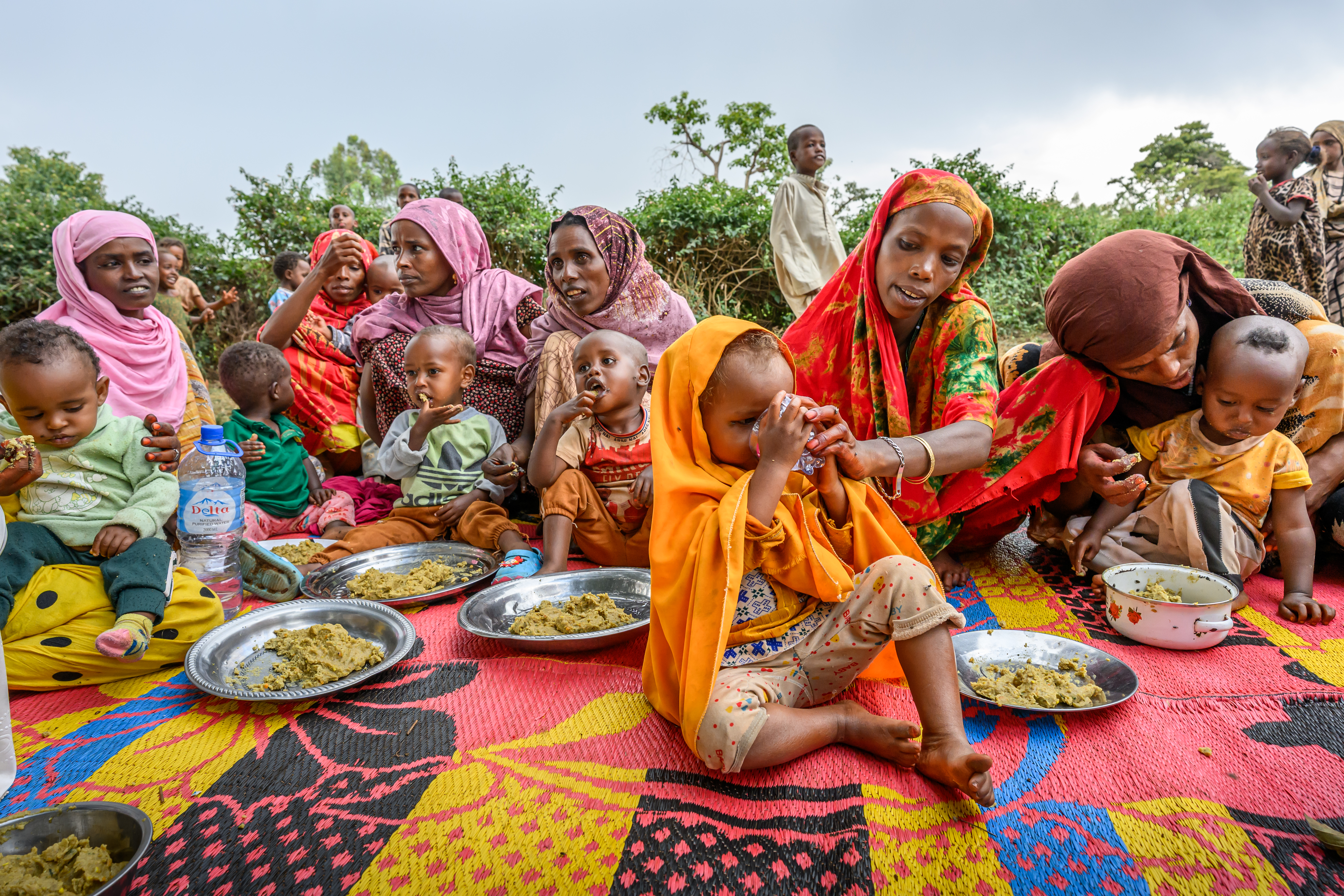
Globally, more than 673 million people face hunger and over 2.6 billion cannot afford a healthy diet, leaving millions of children without the nutrition they need to grow and learn. In the most fragile and climate-affected contexts, where nearly two billion people lack adequate protection and coverage falls to just 11 per cent—these systemic failures translate into higher risks of child hunger and malnutrition, disrupted schooling, and lifelong developmental harm.
At the same time, international financing is under strain. Current financing approaches are failing to keep pace with rising needs, creating a structural risk to children’s survival and development if they remain unchanged.
Why response alone falls short
Recent analysis points to the need for more coordinated and predictable financing to tackle hunger and malnutrition at scale. A report by ODI Global proposes a “virtual financing mechanism” for social protection, drawing on the scale, alignment and predictability of successful global health funds. The analysis identifies the Global Alliance Against Hunger and Poverty (GAAHP) as the most effective platform to host and operationalise such a mechanism, building on its country-led approach and growing membership.
The proposal links financing commitments to shared global outcome targets, enabling joint planning across development, humanitarian and climate finance while remaining grounded in national priorities. It also calls for the integration of climate finance into national social protection planning, building on the Belém Declaration on Hunger, Poverty and Human-Centred Climate Action adopted at COP30, offering a pragmatic way to reduce fragmentation and better align global financing with the realities faced by children and families
Reframing food systems around children
Through the ENOUGH child hunger and malnutrition campaign, World Vision advocates for a child-centred transformation of food systems—an approach whose implications are often underestimated.
A child-centred approach begins with children’s lived realities. Food Security and nutrition do not exist in isolation. It depends on family livelihoods, social protection, education, water and sanitation, climate resilience and protection from harm. When these systems work together, hunger becomes preventable rather than inevitable.
This perspective also recognises children as rights-holders, not passive beneficiaries. When children’s experiences inform policy design and accountability, investments tend to be more relevant, more equitable and more effective. While this may seem intuitive, it is still far from standard practice.
GAAHP: a platform for cooperation at scale
Against this backdrop, the Global Alliance Against Hunger and Poverty (GAAHP) offers a timely shift from commitment to delivery. Launched at the 2024 G20 Summit in Brazil, the Alliance brings together governments, international organisations, development banks, civil society and private partners in a country-led effort to accelerate progress towards SDG 1 (No Poverty) and SDG 2 (Zero Hunger).
As a neutral coordination platform, it enables partners to align priorities, mobilise investment and translate political will into measurable results. For World Vision, engagement in the GAAHP is a strategic lever to accelerate global action on child hunger and poverty. The Alliance provides a pathway to scale proven, child-centred solutions while ensuring that children’s lived realities inform national and global decision-making. By bridging high-level ambition with community-driven implementation, World Vision contributes to more durable and equitable outcomes for children facing hunger and malnutrition.
The tools and platforms already exist. What is required now is the political will to use them decisively and consistently. The decisions taken this year will shape not only budgets and programmes, but childhoods. Ending child hunger does not require new solutions, but earlier, sustained and collective investment in systems that protect children before crises take hold.
Learn more about the GAAHP and World Vision’s alliance Here
Andrea Galante is a Senior Advisor for Coalitions and Global Partnerships at World Vision International, bringing together governments, organisations, and communities to confront the root causes of child hunger and malnutrition. With over 30 years of experience in nutrition and food systems including 15 years with UN agencies across more than 30 countries, she blends technical rigor with a deep commitment to children’s well-being. A former President of the Brazilian Nutrition Association, she holds a Master’s and PhD in Nutrition and is driven by a simple conviction: no child should grow up hungry.
Subscribe to see more content like this
Related Resources

From Hunger to Hope: Turning Climate Actions into Food Security for a Thriving Future

Why Ending Hunger Begins with How We Choose to Act
