

What 2026 Could Mean for Children’s Future
Dana Buzducea shines a spotlight on the key risks that are likely to shape children’s wellbeing this year and calls for urgency and boldness to change the current trajectory.
February 24, 2026.
We are nearly two months into 2026; the early optimism of a new year has already given way to a stark reality. With 2025 data now consolidated and humanitarian and development reviews finalised, the evidence is clearer and more unsettling than many anticipated: for millions of children, the world is becoming more dangerous and uncertain, not by accident but by design. What we are witnessing is not a sudden deterioration, but the cumulative impact of political hesitations, underinvestment and inconsistency. The signals were visible last year. Now, they are confirmed.
Nearly one billion children, almost half of the world’s 2.2 billion children live in countries at extremely high risk from climate impacts such as droughts and floods. Girls are often paying the heaviest price, for instance nearly 1 in 5 girls are still married before the age of 18. In 2025, aid cuts to both development and humanitarian assistance have devastated access to essential services for children and could result in the deaths of at least 4.5 million children under five by 2030.
A humanitarian system out of step with reality
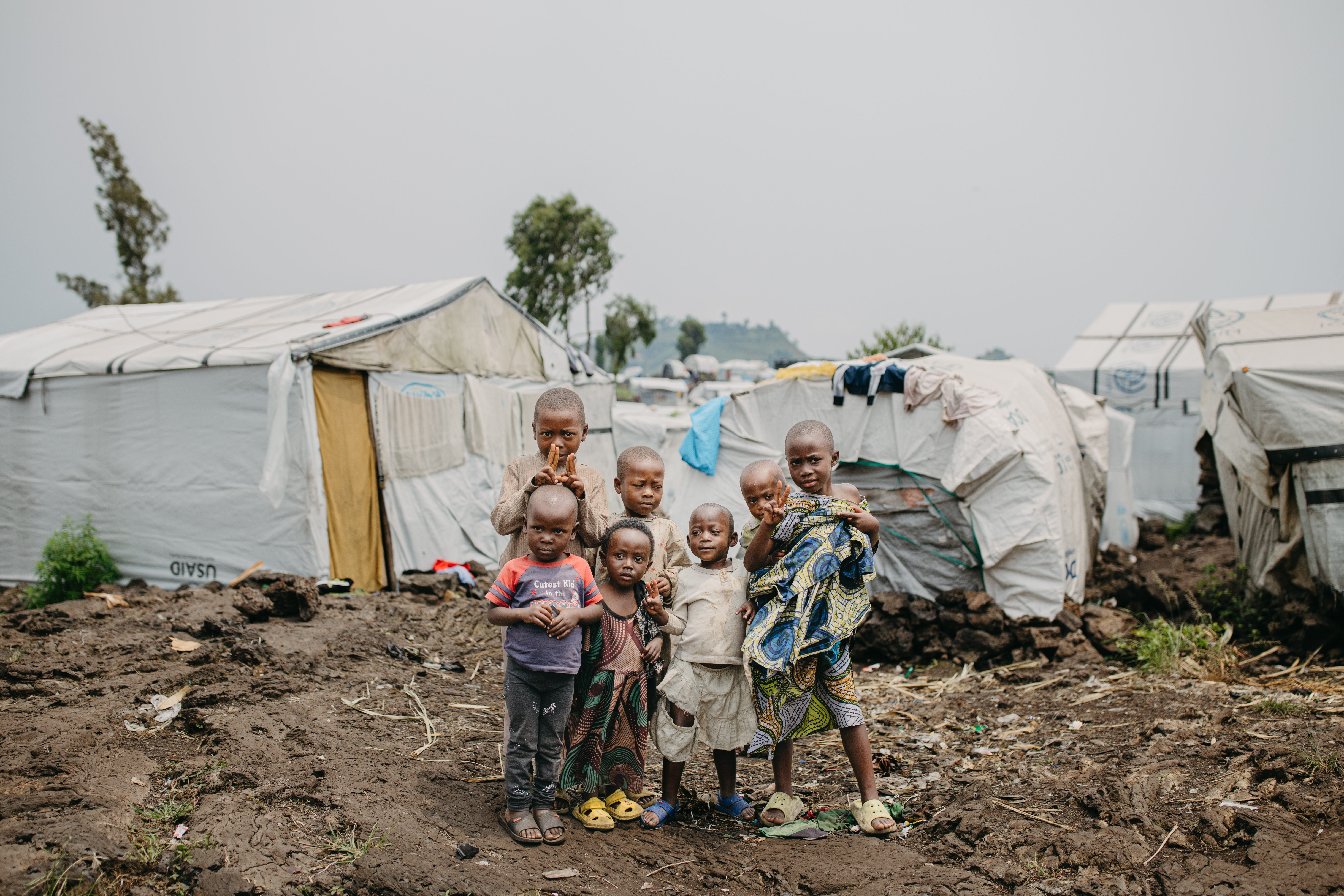
Rarely has the notion that crises are short-lived been so persuasively flawed. Protracted conflicts and repeated climate shocks have normalised instability. More than 200 million children across 130 countries will require humanitarian assistance in 2026, while over 49 million were forcibly displaced by the end of 2024, their childhoods defined by uncertainty rather than safety.
At this year’s first regular session of the UNICEF Executive Board, Executive Director Catherine Russell sounded a stark warning about the fragility of hard-won gains in child survival:
“We are at risk of losing thirty years of progress. Inaction carries a cost measured not only in statistics but in childhoods irreversibly altered. Today, the humanitarian situation facing children is among the most severe we have ever seen. In 2025, we recorded the highest number of verified grave violations against children on record; killings, abductions and sexual violence that no child should ever endure.”
Her remarks point to a deeper structural misalignment. The scale, duration and intensity of today’s crises have evolved, but the architecture of response has not kept pace. Even before the 2025 funding crisis, child-focused programming, including protection and education in emergencies, was chronically underfunded, leaving critical gaps in contexts where needs are predictable and sustained.
As donor reductions compel agencies to scale back and sharpen prioritisation, the risks of exclusion grow. At the same time, initiatives such as the Humanitarian Reset present an opportunity to rethink delivery models so that responses are faster, more flexible and better aligned to children’s realities. As Emergency Relief Coordinator Tom Fletcher has emphasised:
“The Humanitarian Reset is a unique opportunity to improve how we reach children in the most severe crises, ensuring they are not left behind.”
Protecting International Humanitarian Law, expanding flexible, child-focused funding, and ensuring children remain visible in data, planning, and decision-making are not technical preferences. They are both moral and strategic imperatives. Failure to act carries life-long consequences: heightened risks of permanent social exclusion, deepened inequality, and long-term social and economic costs that far exceed the price of timely investment.
Hunger strikes children first
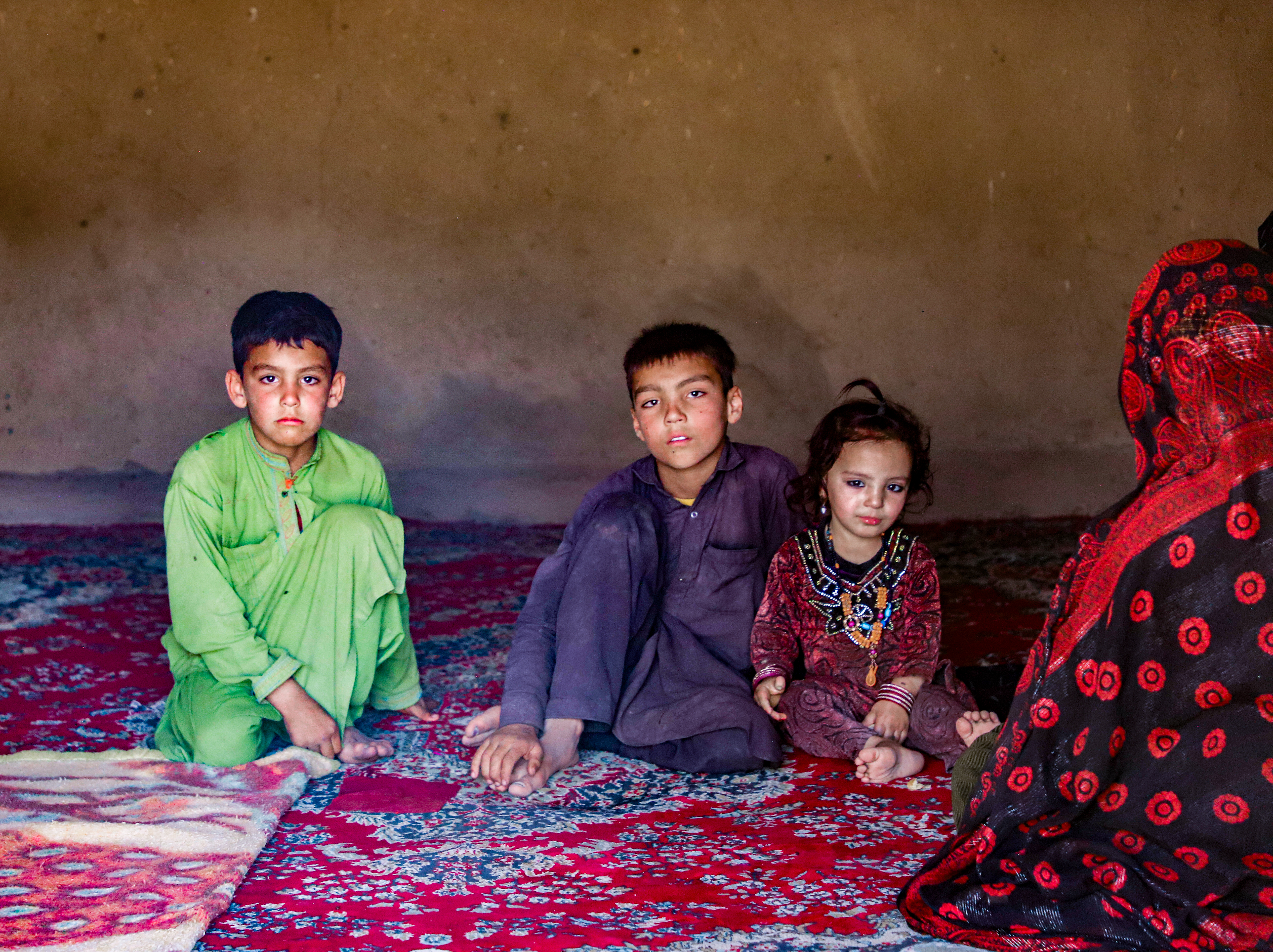
In a world of unprecedented wealth, the persistence of child hunger forces a difficult reckoning. Child malnutrition is not an unavoidable consequence of scarcity. It is the result of political failure: the inability or unwillingness to resolve conflict, stabilise fragile economies and secure access to affordable, nutritious food.
The impact on children is profound and enduring. The evidence is unequivocal: nutrition interventions are among the most cost-effective investments available, delivering returns of up to 23 to 1. Yet child-focused nutrition programming remains chronically underfunded, with persistent gaps despite the scale and predictability of need.
In 2026, World Vision will continue to advance its global ENOUGH campaign, mobilising political and financial commitments to build resilient food and health systems and accelerate progress on child hunger and malnutrition.
AI is reshaping childhood faster than policy can respond
Artificial intelligence is already shaping how children learn, play and engage with the world. The question in 2026 is no longer whether AI has a place in their lives, but whether it will be governed in ways that genuinely advance their wellbeing and uphold their rights. Without clear, rights-based guardrails, AI risks deepening inequality, amplifying bias and normalising surveillance in ways that could have lasting consequences for children’s development and participation.
Anchoring AI governance in the UN Convention on the Rights of the Child, alongside guidance from UNICEF and UNESCO, must be non-negotiable.
When debt dictates childhood
Today, 3.4 billion people live in countries paying more on interest than on health or education. Debt distress is widespread, with more than half of low‑income countries at high risk, and global public debt reaching $102 trillion in 2024. When budgets tighten, children pay first and worst: fewer health workers, collapsing school systems, and threadbare safety nets.
Public debt engagements or restructuring that fail to protect children’s budgets are incomplete, unjust and inequitable. Public borrowing must share burdens and benefits fairly across generations, ensuring a just balance between today’s needs and future responsibilities.
Debt restructuring must be faster and fairer with relief and restructuring efforts, including debt‑for‑child development swaps, explicitly protecting child‑focused spending, strengthening safety nets, and building resilience.
A shifting aid landscape is sidelining children
While new financing models are emerging and offer welcome innovation, they must not distract from a central principle: investing in children is a global public good. This is especially critical in fragile and conflict-affected contexts, where market-based solutions alone cannot deliver equitable outcomes.
Private capital and philanthropy have an important role to play, but they cannot replace the scale, predictability and accountability of sustained public investment. Only strong public financing can guarantee that the most vulnerable children are not overlooked.
Our commitment and approach in 2026
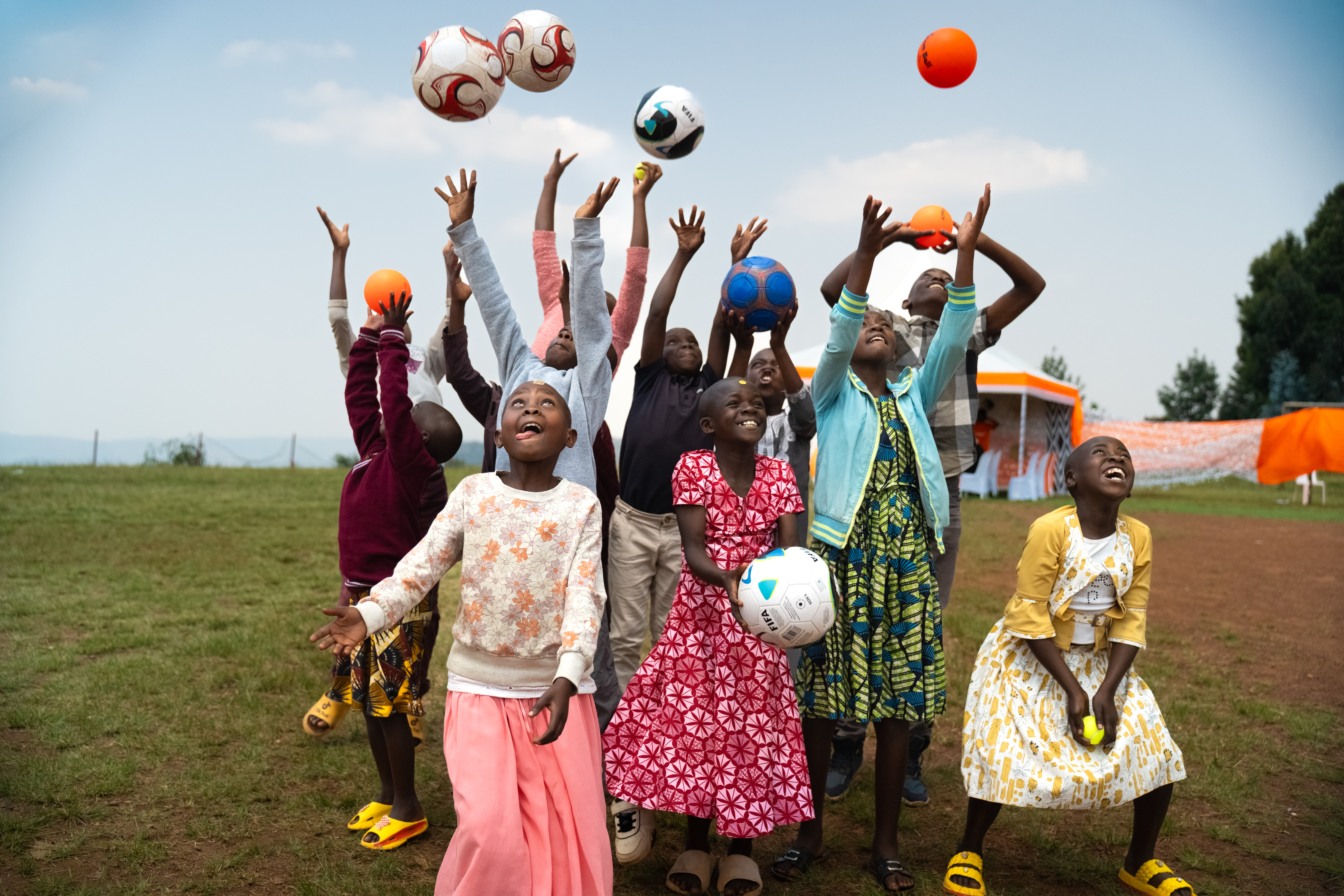
Changing the trajectory for children in 2026 requires bold, united advocacy. Key global events such as the Financing for Development Forum in New York, World Bank/IMF Spring Meetings, G7 Summit in Evian, and the UN General Assembly will provide critical moments to champion child wellbeing on the world stage.
Yet advocacy cannot stop at moments of visibility. Lasting change for children will only occur when commitment to think and act politically, socially and economically in the best interest of children are fully embedded in decision-making at every level and across all spheres of influence.
With over 30 years of experience, Dana Buzducea is World Vision International’s Partnership Leader for Advocacy and External Engagement, where she leads global efforts to influence child-sensitive policies, strengthen government and multilateral investments and advance both the Sustainable Development Goals and the Convention on the Rights of the Child.
Subscribe to see more content like this
Related Resources

Justice begins when no child goes hungry

Why Ending Hunger Begins with How We Choose to Act
