

The real test of debt reform: Are children in the blueprint?
Lori Perkovich reflects on why debt solutions must safeguard children if they are to deliver real progress.
May 18, 2026.
At the Financing for Development Forum 2026, there was a notable shift in tone. Governments spoke candidly about shrinking fiscal space. Donors acknowledged constraints at home. Multilateral institutions reiterated the role of private finance. It was a grounded conversation. But one assumption remained largely intact: that fiscal consolidation can come first, and social consequences can be managed later.
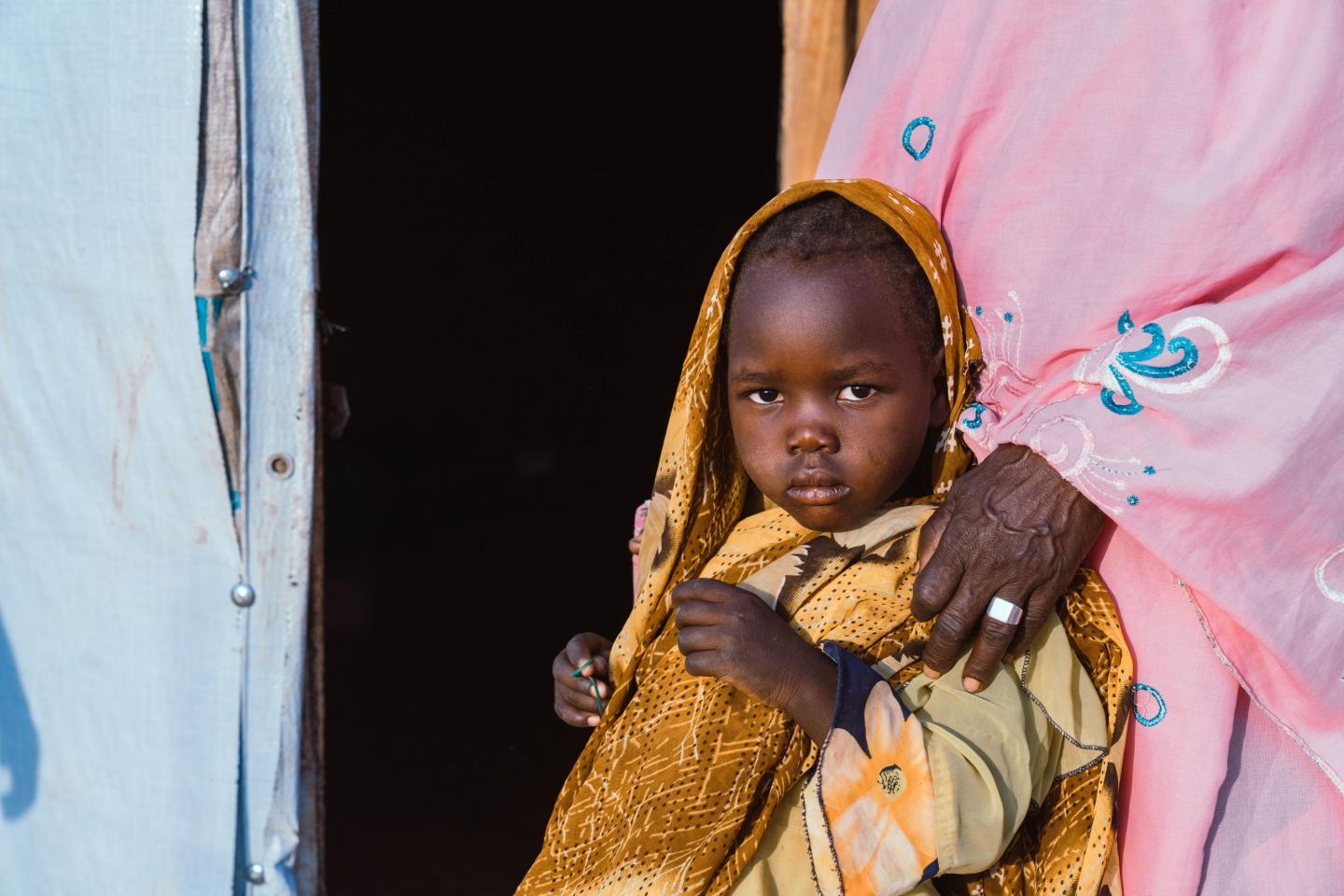
The World Vision delegation used its interventions in the formal programme to challenge this premise. Drawing on its capacity to bridge macro- and micro-level perspectives, it connected borrowing costs and debt distress to lived realities, demonstrating how debt servicing can translate into fewer resources for children’s health, education and protection. The message was clear: debt debates are not abstract, and the social impacts are not a downstream issue.
The Forum remains a critical space for aligning narratives across finance, development and politics. Yet this year, geopolitical strain on multilateralism, waning trust and fatigue linked to the UN80 process pushed discussions towards stocktaking rather than implementable commitments.
One thread dominated: the severity of the ODA shortfall and how to respond to shrinking development funding. Many speakers returned to private finance as a necessary part of the mix, while acknowledging a hard limit that private capital cannot, on its own, replace predictable public finance for core social investments.
Progress worth noting, but not yet sufficient
There are, without question, positive developments. The Borrowers’ Platform offers a practical mechanism for countries navigating debt challenges to access peer-grounded advice and strengthen their negotiating position. It reflects a more balanced approach in a system long shaped by creditor interests. It is, in many respects, a step in the right direction.
But platforms, however well designed, do not determine outcomes. Outcomes are shaped in the detail of negotiations and, critically, in what is protected when fiscal space tightens. That is the standard by which debt and development commitments should be judged. As Amina J. Mohammed, UN Deputy Secretary-General, has put it:
“The commitments must now translate into progress that countries can see and feel jobs created, infrastructure built, families protected, communities made resilient, opportunity within reach, not in theory, but in practice.”
A Forum Shaped by Constraints
Trade and geopolitical tensions framed the week, shaping both the discussions and who was able to take part. Participation from capitals was limited, reflecting not a lack of interest but of capacity, as missions faced mounting pressures and practical constraints.
Against this backdrop, World Vision’s engagement pointed to a broader challenge: keeping a focus on children within debates often dominated by fiscal and macroeconomic concerns. Through its convening role, it sought to re-centre the discussion, highlighting that decisions on debt and financing are not only technical choices, but ones that will shape the wellbeing and opportunities of future generations.
A particularly telling moment brought the issue of inclusion into sharp focus. Jaewon, a 16-year-old youth delegate, faced significant barriers to participation. As someone under 18, he requires a special pass to enter UN Headquarters, yet budget constraints meant these were not available during the Forum, effectively limiting children’s access to the very spaces where decisions about their futures are debated.

From commitment to delivery
Process dynamics echoed recent UN negotiations, including Third Committee resolutions in autumn 2025: agreement on content and language proved difficult, frustration mounted and several votes were called on paragraphs in the FfD Forum outcome document; however, member states ultimately adopted the document by consensus . Early discussions reflected reluctance to reopen compromises reached in the Compromiso de Sevilla. The result was an outcome that reiterated core commitments, without significant new deliverables.
Implementation, however, does not advance through good intentions alone. It advances when incentives align, when accountability is credible and when institutions measure success not only through fiscal indicators, but through whether people experience tangible improvements in their lives. As Jeowon put it,
“The impacts of austerity measures on education and youth employment reinforce that children are often among the first and most affected.”
The Secretary-General’s remarks captured the mood: strain on multilateralism, expanding conflicts, and rising energy costs are colliding with a development finance downturn an uncomfortable juxtaposition for a system built on solidarity.
“Meanwhile, aid is declining, while military spending skyrockets.”
If the Forum’s debates are to produce more than analysis, the test is whether debt solutions protect what matters most when budgets tighten: child-sensitive spending, basic services, and the space for children and civil society to participate in decisions that shape their lives. That means treating social safeguards and transparency as core elements of debt workouts, not optional add-ons, and measuring success by whether families actually feel the difference. In a year defined by UN80 constraints and declining aid, clarity is not a rhetorical preference; it is the difference between short-term fiscal fixes and long-term development that holds.
Lori Perkovich is World Vision’s Senior United Nations Representative, leading its engagement across multilateral policy and financing processes in New York. With over 14 years of experience in international development and humanitarian advocacy, she focuses on child and youth engagement, gender equality, and humanitarian action, bridging global policy debates with lived realities. She holds an MSc in Global Affairs from New York University.
Subscribe to see more content like this
Related Resources

Are We Balancing Budgets at Children’s Expense?

Why Financing for Development must reckon with children’s futures now.
