

Rethinking Humanitarian Preparedness Through Local Leadership
Claudia González and Diego Rivadeneira reflect on what Venezuela's recent earthquakes reveal about trust, community leadership, and why preparedness must begin long before the next emergency.
August 11, 2026.
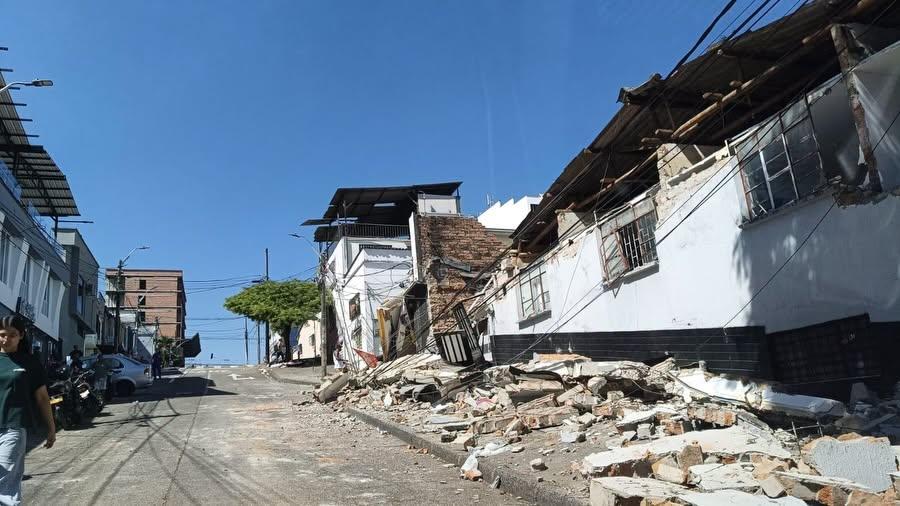
In less than two months, Latin America is once again being reminded that disasters may strike without warning. As families in Colombia account for loved ones and communities begin assessing the damage caused by the 7.4-magnitude earthquake that struck Chocó, the strongest recorded in the country in the past decade, the region is once again asking familiar questions about preparedness, resilience and response.
For us, those questions sound familiar. We heard them and lived them in June following the devastating earthquakes in Venezuela, where one lesson became clear: effective emergency response depends not only on logistics and funding, but also on the trust, relationships and local capacity that exist long before a crisis occurs. At a time when governments, donors, multilateral organisations and humanitarian agencies are reassessing how to prepare for increasingly frequent disasters, Venezuela offers a timely reminder that preparedness cannot be reduced to plans and supplies.
Trust is humanitarian infrastructure
As Colombia begins assessing the impact of the earthquake in Chocó, one reality is already becoming clear: in the critical hours following a disaster, communities themselves are often the first source of information, support and protection. Families account for loved ones, neighbours check on one another, and local leaders help identify the most urgent needs.
The same was true in Venezuela following the devastating earthquakes of 24 June 2026. From the outset, trusted local churches played a vital role in supporting affected communities. Their ability to reach people quickly, identify those most at risk and mobilise assistance was recognised not only by local residents, but also across the humanitarian sector and in international media coverage of the response.
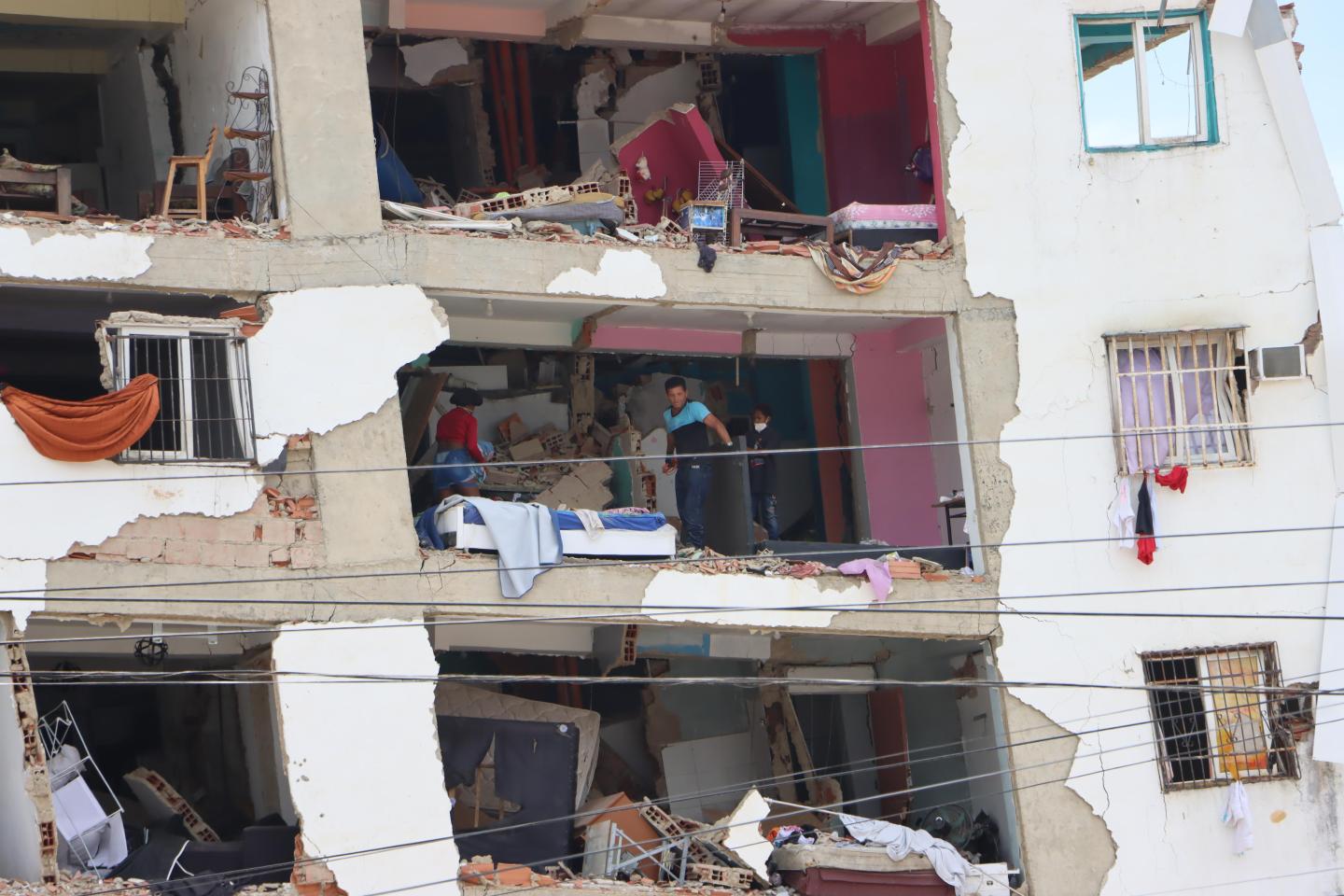
The scale of the disaster was immense. According to official figures from the Venezuelan Government, 6,301 people lost their lives, 60,992 were injured and 17,907 were left without homes. The World Bank estimates direct physical damage at US$19.6 billion, underscoring the enormous task of recovery ahead.
Faced with devastation on this scale, technical expertise, financing and coordination matter enormously. Yet another resource proved equally important: trust.
Churches did not need to identify the most vulnerable households or explain why they were there. They already knew the communities because they were part of them. They knew which families had young children, where older people lived, who relied on medication and which neighbourhoods were likely to become isolated. As one testimony collected during the response simply stated:.
The churches were the first to respond.
This is more than a moving reflection. It highlights something humanitarian policy still struggles to recognise: the effectiveness of an emergency response is shaped not only by what organisations can deploy after disaster strikes, but also by the trust, credibility and local knowledge cultivated long before it does.
Building Capacity Before Crisis Strikes
Preparedness is often assessed through contingency plans, simulation exercises, emergency stocks and coordination mechanisms. These remain essential. But they are incomplete. During the two years preceding the earthquakes, World Vision Venezuela worked alongside, children and faith leaders through regular disaster preparedness and crisis management training. Just one month before the disaster, more than one hundred pastors and church leaders came together to strengthen their capacity to respond to emergencies.
Reflecting afterwards, one pastor from Playa Grande observed:
God prepared the churches for this new calamity.
Faith alone did not organise the response. Preparation did.
The training did not prevent loss, nor did it remove fear. It enabled local leaders to assess risks, organise volunteers, protect children, support distressed families and coordinate effectively with humanitarian partners. Communities did not begin from zero because investment in local capacity had already begun long before the emergency.
Too often, preparedness is treated as something humanitarian organisations own. In reality, they are most effective when they strengthen preparedness that already exists within communities.
The future of humanitarian action is local by design
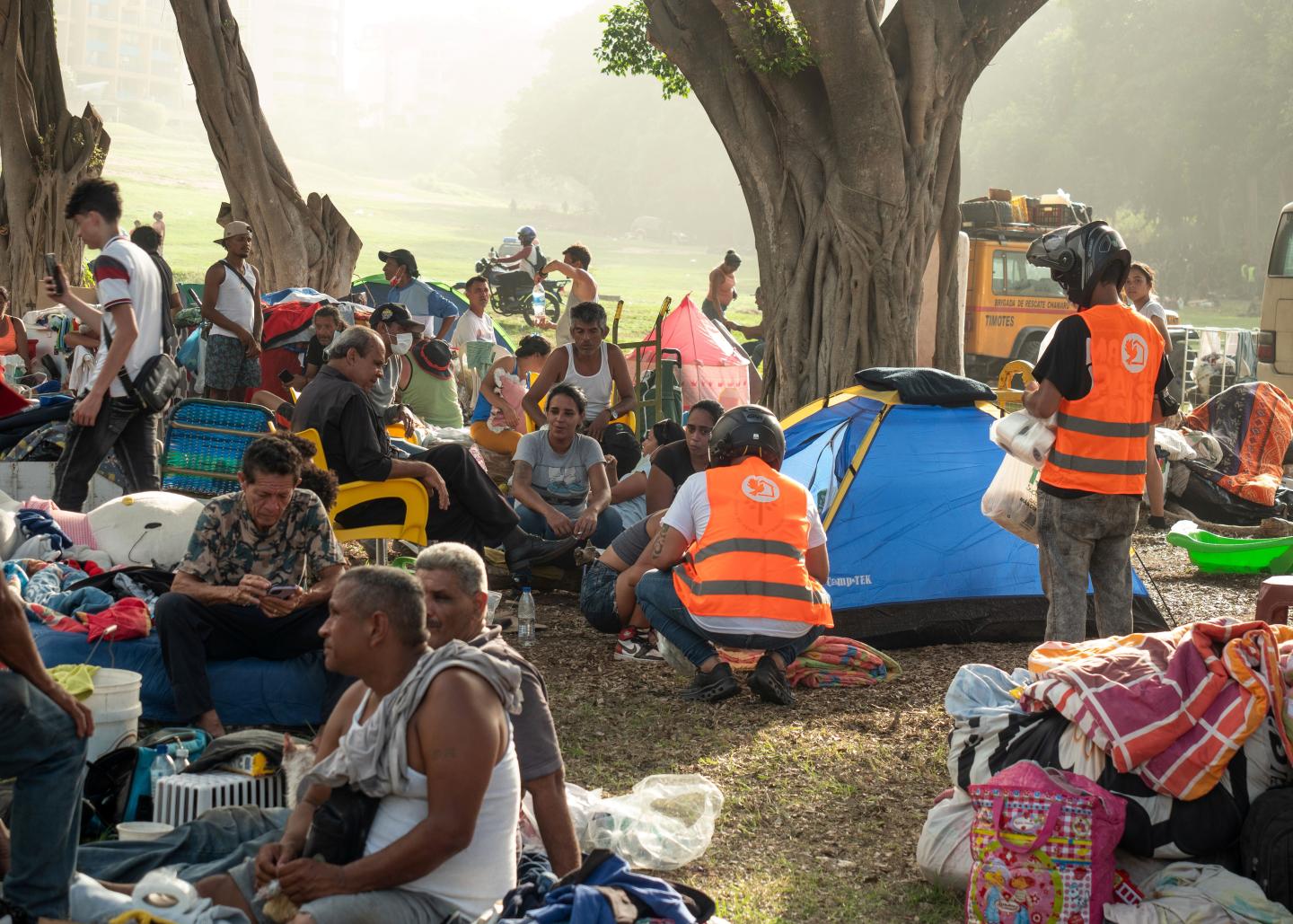
Across La Guaira, Caracas, Miranda, Falcón, Aragua and Carabobo, churches helped identify isolated communities, organised information on missing people, established child-friendly spaces and supported families experiencing profound distress. They were not implementing someone else's response. They were leading their own.
When the earthquakes struck, these foundations enabled World Vision to mobilise rapidly, building on existing relationships, local knowledge, and trusted community networks.
By 31 July, World Vision had provided humanitarian assistance through more than 91,000 interventions, including child protection, food security, WASH and temporary shelter support for over 13,000 households. These achievements reflected a collective effort rooted in local leadership, with communities drawing on the confidence, skills and networks they had built to take action before external assistance arrived.
That experience has important implications for governments, donors, and multilateral institutions. Financing local preparedness cannot remain a secondary objective within humanitarian programming. It should become a central investment priority because it enables faster, more relevant, and more sustainable responses when crises occur.
Preparedness must be redefined before the next disaster
As Susana Cordeiro Guerra, Vice President for Latin America and the Caribbean at the World Bank, recently observed:
"The earthquakes have disrupted lives, damaged critical infrastructure, and created new challenges for Venezuela's recovery. Recovering effectively begins with reliable evidence."
Reliable evidence certainly informs recovery. But experience from Venezuela points to another form of evidence that deserves greater recognition: the knowledge already held by communities, local organisations, and faith groups that remain long after international attention moves elsewhere.
This matters because the context is changing rapidly. As UNDRR notes, climate-related hazards are increasing in both frequency and intensity, exacerbating disaster risks, deepening vulnerabilities, and contributing to rising humanitarian needs worldwide. Meanwhile, the World Bank estimates that 1.2 billion people are at high risk from hazards such as floods, droughts, hurricanes and extreme heat, underscoring the need for greater investment in community resilience and preparedness.
As governments develop new disaster risk strategies and donors make increasingly difficult funding decisions, the opportunity is not simply to improve emergency response, but to redefine preparedness itself. The earthquake in Colombia is a timely reminder that these decisions cannot wait. As authorities, humanitarian organisations and communities assess the impact, the lessons emerging from Venezuela remain highly relevant: the foundations of an effective response are laid long before disaster strikes.
Preparedness is ultimately about more than plans, supplies or coordination mechanisms. It is about investing in local leadership, strengthening trusted institutions and building the capacity of communities to act when support is needed most. Resilience cannot be deployed at the point of crisis. It must already exist.
About the Authors:
Claudia González is a social communicator and journalist with more than 20 years of experience leading third-sector organizations. She currently works with World Vision Venezuela, where she serves as Interinstitutional Relations and External Engagement Manager, as well as in the area of Faith and Development.
Diego Rivadeneira is an Ecuadorian communicator and Regional Social Mobilization Officer for World Vision in Latin America and the Caribbean. He has extensive experience in digital communication, social marketing, storytelling, and the mobilization of faith communities around children, mission, and humanitarian causes.
Subscribe to see more content like this
Related Resources

Faith as a Connector in Humanitarian Action

Faith Communities: An Overlook Part of the Nutrition Systems?
