


Water Security in East Asia: Climate Change Is Deepening Inequality
Water insecurity is quietly reshaping lives across East Asia, deepening inequality for women, girls, and vulnerable children. As climate pressures intensify, communities face rising risks. On World Water Day 2026, Alexander Pandian highlights why resilient, community‑centred water systems are essential for equality and a more stable future.
22 March 2026
East Asia stands at a critical crossroads. From the Mekong Delta to Mongolia’s highlands, water cycles once stable are now unpredictable. Rising heat, shifting rains, and extreme weather make water scarce, excessive, or unsafe, especially impacting children in remote or vulnerable communities.
This year’s World Water Day theme, “Where water flows, equality grows,” captures the profound truth and reminds us of its opposite: where water fails, inequality deepens. It falls hardest on women and girls, children, persons with disabilities, and rural and marginalised communities whose access to safe water was already fragile.
The Hidden Time Tax
For years, Do, a mother of two in a small village in Viet Nam, began each day with the same exhausting routine. Before the sun climbed high, she would walk nearly an hour to collect water for her family. The journey was long, and the containers were heavy. Yet it was work that had to be done.
While Do carried water, other responsibilities waited at home. Her young son, who lives with a disability, needed constant care. Her children sometimes missed school to help with household chores. Like many families in water-scarce communities, every hour spent securing water was an hour taken away from education, income, and rest.
This is the hidden “time tax” of water insecurity. And across East Asia, it is overwhelmingly paid by women and girls. Globally, according to UNICEF and WHO, in seven out of ten households without water on their premises, women and girls are responsible for collecting it. When wells dry up or sources are contaminated, women and girls walk farther and wait longer. Each additional hour spent securing water is an hour stolen from education, income-generating work, or rest, a growing “time tax” that quietly reinforces gender inequality.
Water insecurity also heightens protection risks. For women like Do, the physical toll of carrying water is only one part of the story. Longer journeys can expose women and girls to harassment or violence, while the time lost reinforces cycles of poverty and inequality.
Across East Asia, an estimated 24 million vulnerable children still lack access to safely managed drinking water. This stark reality reminds us that behind regional progress are millions of young lives shaped by water insecurity. Yet too often, the response focuses only on repairing what has already failed. Addressing the crisis requires looking beyond short-term fixes toward systems that can withstand the climate pressures already reshaping our region.
Beyond Infrastructure: A Resilience Imperative
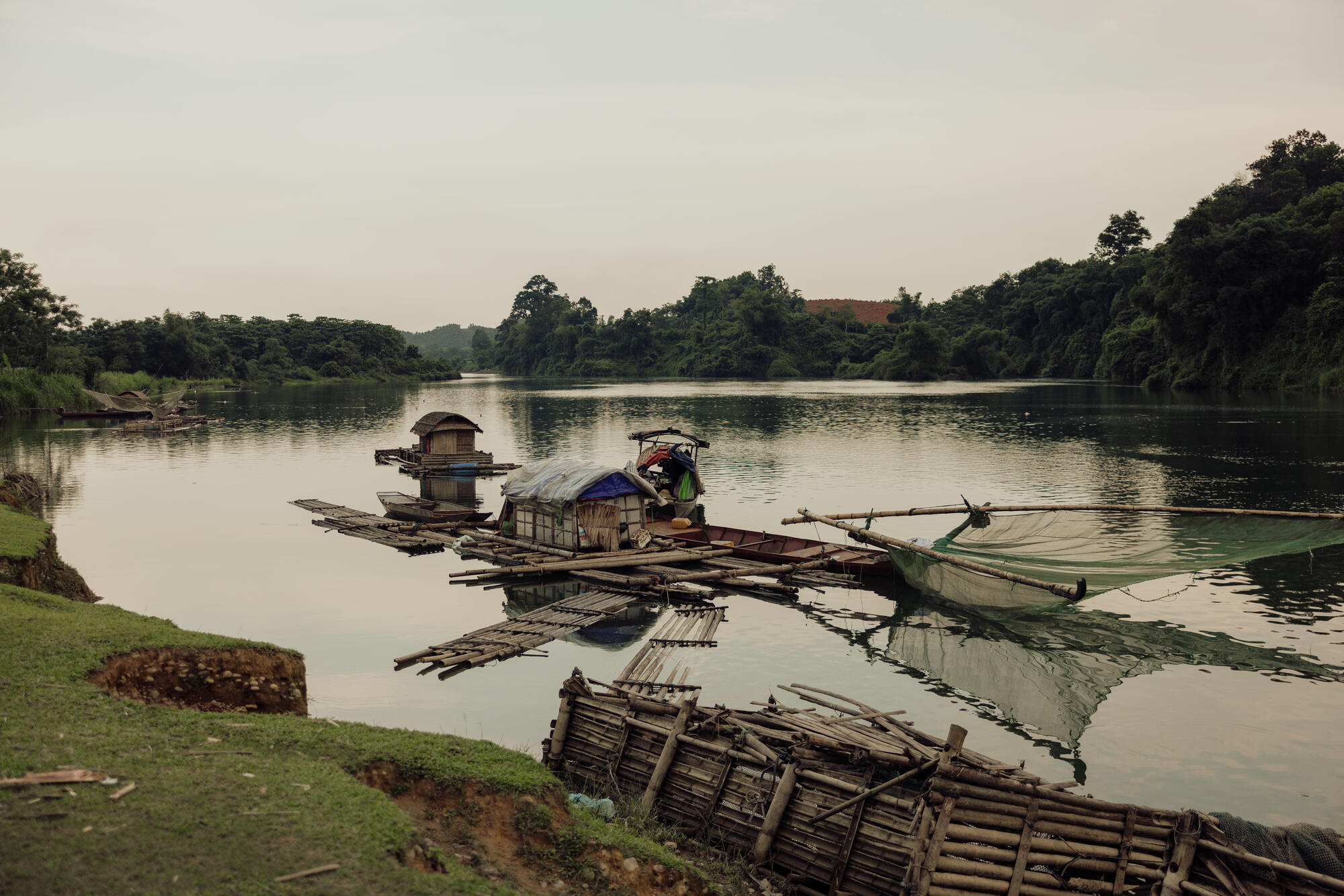
Rebuilding the same systems after each disaster is neither cost-effective nor sustainable. Success in the water sector can no longer be measured simply by counting taps and latrines but must be defined by whether systems remain safe, functional, and equitable under climate stress.
Climate-resilient water security requires protecting watersheds so landscapes can absorb and regulate rainfall. It demands diversified water sources and storage systems capable of buffering shocks. It requires sanitation infrastructure that can withstand flooding, and integrated planning that aligns water management with broader climate and urban policies. Above all, it requires centring vulnerable communities, especially women and children, in decision-making and investment priorities.
The cost of inaction will not only be measured in damaged infrastructure. It will be measured in children pulled from school, women pushed further into inequality, and decades of development progress reversed.
East Asia has the opportunity to be on the frontline of climate solutions. Investing in resilient water systems now is more cost-effective than reacting to emergencies later. Water security must be prioritised for equality, stability, and sustainable growth.
The story of Do’s family also reminds us that change is possible. When World Vision installed a gravity-fed water system in her village, clean water finally flowed close to home. The long daily walks disappeared. With more time and stability, Do joined a women’s mushroom-growing group supported by the community. What began as access to safe water soon became something far greater. The small business helped her family repay debts and rebuild their income. Her children are healthier, and her son is now receiving care and learning to speak. Today, Do also helps train other women in the village, ensuring more families can benefit from the same opportunity. What started as clean water became a pathway out of poverty.
Do’s story illustrates a simple truth: where water flows, equality can grow.
Learn more about World Vision East Asia WASH programmes.
About the author:
Alexander Pandian is the Regional Water, Sanitation and Hygiene (WASH) Programme Senior Advisor for World Vision East Asia.
Subscribe to see more content like this
Related Resources

An Inflection Point for Our Sector and What Comes Next

Turning the Tide: How Floating Toilets Are Building Climate Resilience in Myanmar’s Flood Zones
