

We Cannot Ignore Women in Peacebuilding
In a world with deepening crises and protracted conflicts, women's rights are often treated as expendable. But Sophia Papastavrou, Gender Technical Expert, says women's voices, safety, and leadership is precisely what makes peace last. Through examples from conflict‑affected settings, Sophia shows why gender equality must be treated as core to peacebuilding efforts, not a luxury.
20 March 2025
The global landscape is increasingly unforgiving. Protracted conflicts, climate shocks, and shrinking civic space are converging in ways that strain humanitarian systems and political commitments alike. In these conditions, women’s rights are often framed as negotiable, something to be deprioritised until stability returns. Yet evidence from fragile contexts shows the opposite. When gender equality is sidelined, instability deepens.
Most OECD (Organisation for Economic Co-operation and Development) Development Assistance Committee (DAC) donors have long argued that gender equality is not a secondary concern but a foundation for peace, social cohesion, and institutional resilience. The influence of women in peacebuilding has shaped global norms not because conditions were easy, but because commitments were maintained when pressure mounted.
World Vision's FY25 peacebuilding and Nexus programming offers concrete illustrations of what this looks like in practice, particularly when read through the lens of the Women, Peace and Security (WPS) agenda.
Participation: Who Decides Under Pressure
In fragile and conflict-affected settings, participation is often one of the first casualties of crisis. Security risks, access barriers, entrenched gender norms, and literacy gaps narrow whose voices are heard. Yet peacebuilding experience consistently shows that excluding women weakens both legitimacy and sustainability.
Participation is not symbolic; it shapes which grievances emerge, which risks are recognised, and which solutions are prioritised. Across several contexts, community feedback mechanisms, youth and peace committees, and local dialogue platforms have continued to operate despite constraints. The lesson is clear: peace processes that exclude women are not neutral; they are incomplete.
Protection: Safety as a Precondition for Peace
Protection is often framed as a humanitarian obligation, but it is equally a peacebuilding imperative. When women and girls face heightened risks such as gender-based violence, exploitation, or exclusion from services, social trust erodes and cycles of violence deepen. Protecting women’s safety and dignity is therefore inseparable from protecting communities’ ability to coexist.
World Vision’s Nexus programming demonstrates that protection cannot be postponed until after emergencies subside. In South Sudan, for example, gender-based violence support was delivered alongside peacebuilding outreach during a major cholera response. Protection services were not isolated interventions. They were integrated into broader efforts to stabilise communities, strengthen early warning systems, and reduce future risk.
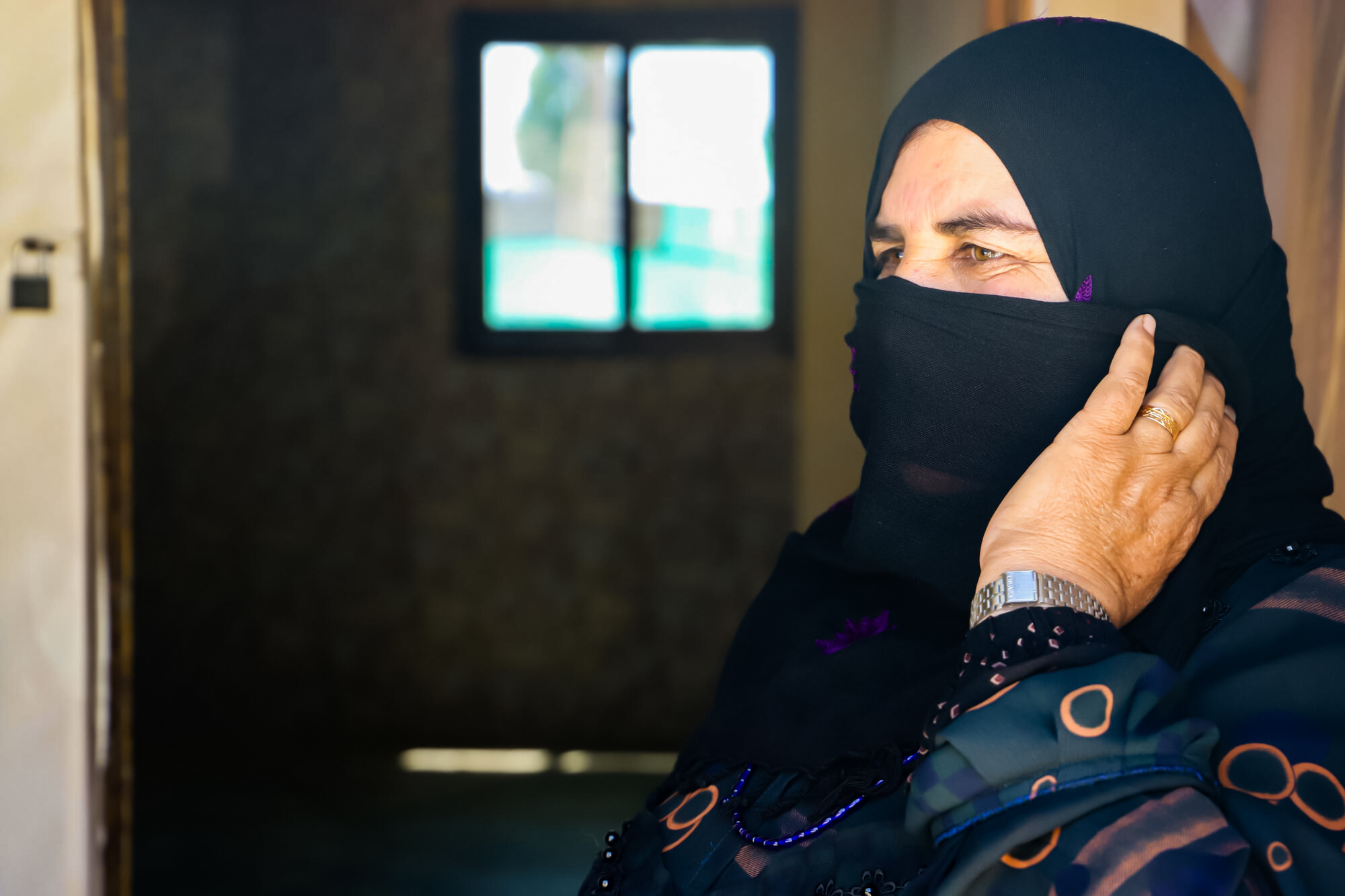
In Lebanon, Empowered Aid initiative to reduce Sexual Exploitation and Abuse (SEA) in aid distributions works to identify risks and strengthen safer mechanisms. World Vision Lebanon applied women’s recommendations, including staggered or household-level distributions, mixed or all-women teams, sex-segregated lines, and Gender Based Violence (GBV)/SEA sensitisation with complaint mechanisms.
This alignment mirrors Nordic donor practice: protection is not an optional add-on, but a stabilising force in volatile contexts.
Prevention: Addressing Conflict Before It Ignites
The Prevention pillar of WPS is often the least visible and the most cost-effective.
Preventing violence requires attention to early warning, social cohesion, and the everyday stresses that escalate into conflict. It also requires recognising that gender inequality itself is a risk factor.
In Somalia and Sudan, programmes combined anticipatory action, early warning systems, and peacebuilding dialogues with gender equality initiatives. Women and youth networks engaged in disaster preparedness, livelihoods, and community mediation. More than 9,000 people participated in gender equality and peacebuilding conversations in Somalia alone, helping shift norms and surface tensions before they hardened into violence.
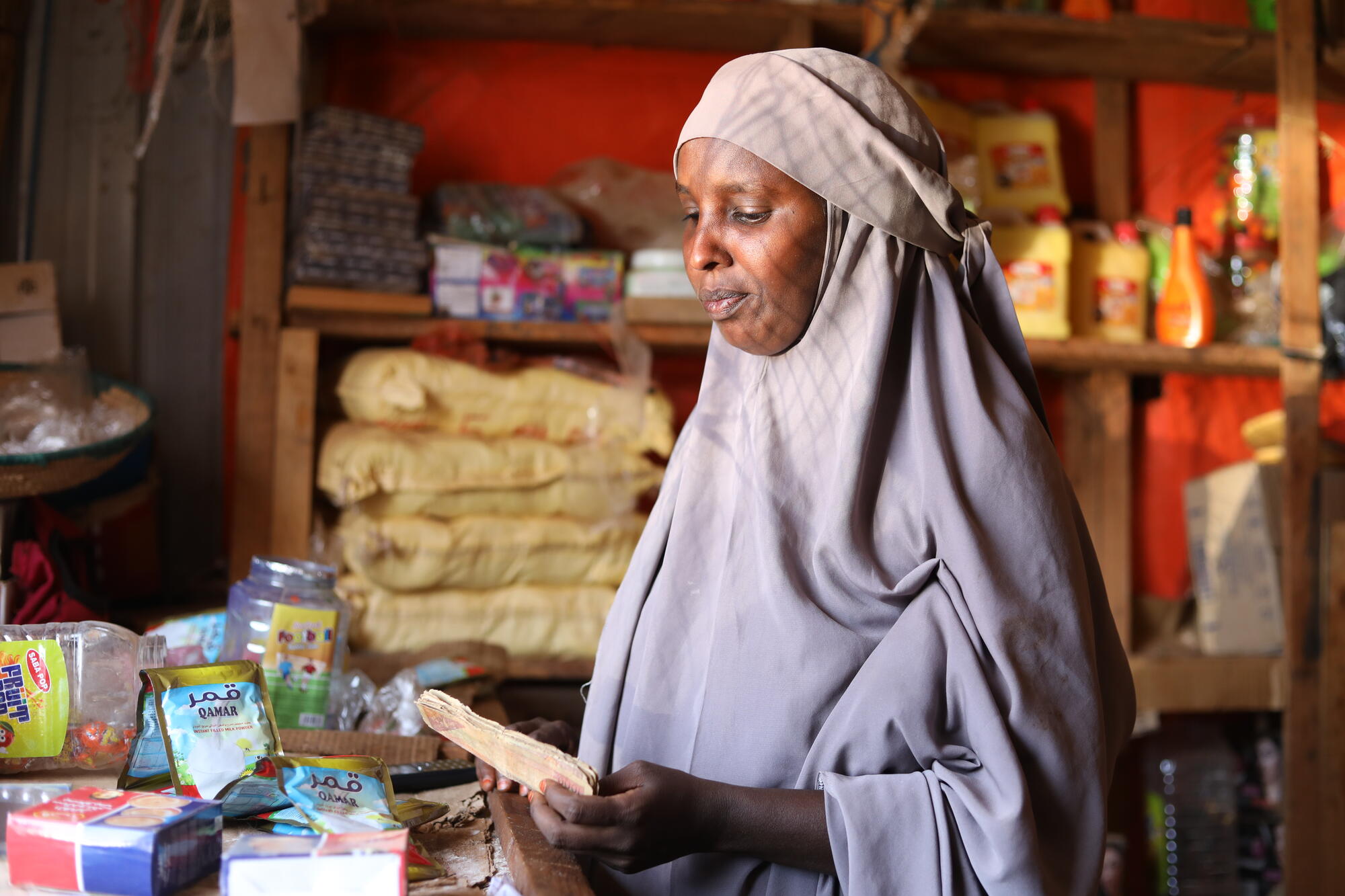
This is prevention grounded in lived reality, not abstract foresight: investing in women’s agency reduces risk before crisis becomes catastrophe and evidence shows that norms change rapidly during emergency situations.
Relief and Recovery: Building Back Without Rebuilding Inequality
Relief and recovery phases present critical choices: they can entrench inequality or build more inclusive systems. Too often gender equality is postponed until later, yet recovery that ignores power dynamics simply recreates the conditions for future instability. Examples from the FY25 Nexus Accelerator Fund show a different path. Livelihood support for women’s groups in Mali, savings and climate-smart agriculture initiatives in Somalia, and integrated protection and recovery services in South Sudan demonstrate how recovery can strengthen women’s participation while rebuilding communities.
Holding the Line
The world will remain fractured and civic space will continue to shrink. Pressure to narrow agendas will persist. Feminist leadership refuses to treat women’s rights as expendable in such moments. OECD DAC donors have repeatedly shown that values can be defended even in difficult contexts. World Vision’s peacebuilding experience demonstrates this in practice: Women, Peace and Security is not rhetoric. Gender equality is not decoration; it is infrastructure for peace. That is the line worth holding.
Learn more: FY25 Year in Review Nexus Accelerator Fund Annual Report
About the author:
Sophia Papastavrou is a gender technical specialist and Nordics Donor lead with World Vision Canada & part of the World Vision International PaxNet Leadership Team.
Subscribe to see more content like this
Related Resources

In every crisis, women carry the weight, but who carries them?

Becoming One: Faith in Action Against Femicide
