

Peacebuilding: How faith leaders can be catalysts for change
Clynton Beukes, Director of Fragile Contexts Programming & Peacebuilding, says peace can't be a side issue. It must be embedded in every aspect of humanitarian work so programmes become more effective and sustainable. This is seen across fragile contexts, where empowered faith leaders are showing how locally rooted, conflict‑sensitive peacebuilding can break cycles of fear and rebuild cohesion from the inside out.
10 February 2026
In fragile and conflict-affected settings, peace is not optional: it is a moral imperative and the essential ground on which children and communities thrive. Dialogue, mutual respect, and solidarity are the foundations of sustainable peace, and are central to World Vision’s peacebuilding work.
Where peace is absent, progress collapses, and families are pushed deeper into cycles of vulnerability. But humanitarian aid alone cannot break these cycles, and development work falters without stability.
That is why integrated, conflict-sensitive programming and peacebuilding are essential. Interventions must be grounded in conflict analysis and minimise harm. We must strengthen local capacities for peace, and address both the symptoms and root causes of conflict.
When faith leaders are included in peacebuilding
World Vision’s faith-based mandate strengthens this approach. Guided by Christian values of justice and reconciliation, we work to heal divisions and restore hope. Faith leaders hold profound influence within their communities. When equipped with conflict-sensitive and peace-positive practices, they become powerful agents of transformation.
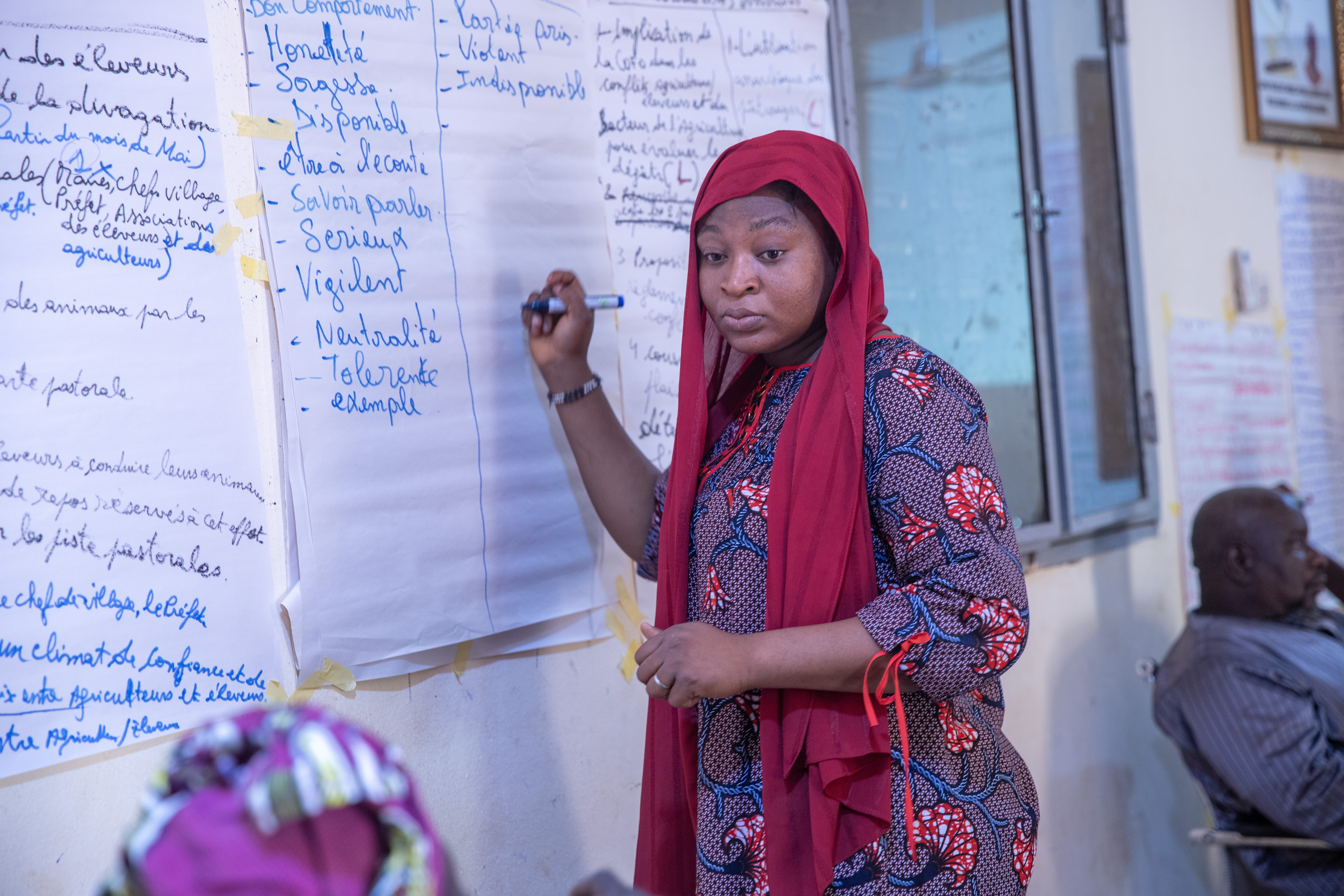
World Vision Mali demonstrates how faith leaders can be catalysts for peace. Within the country, more than 9,000 religious and community leaders, including imams, pastors, and priests, have been trained in models such as Celebrating Families, Biblical Empowered World View, and Do No Harm for Faith Leaders. These sessions mobilise Christian and Muslim leaders to reflect together on peace consolidation, creating spaces where interfaith collaboration fosters social cohesion.
One imam shared: “Through a training session that we attended together, I learned a lot about cohabitation and neighbourliness. These teachings, based on sacred scriptures, show points of convergence between Christians and Muslims. As human beings, we all find ourselves somewhere that is common to us.”
Building faith bridges
Faith leaders have also played a pivotal role in disaster risk reduction. They have explored teachings from their holy texts on preparedness, environmental stewardship, and shared dignity, countering fatalistic beliefs, and promoting responsibility. When pastors and imams co-facilitated community sessions, participants witnessed tangible examples of harmony, which reinforced trust and reduced tensions.
Similarly, in Iraq, 30 faith leaders from eight religions, including Muslims, Christians, Baha’i, Turkmen, and Yezidis, attended a three-day workshop on positive peace and social cohesion. Following the workshop, the faith leaders launched community campaigns in mosques and schools, conducted peace awareness sessions, and created an active WhatsApp group to sustain collaboration. Within six months, these leaders reached 28,000 people with messages of coexistence and tolerance. Faith leaders, when empowered, play a crucial role as agents of peace, bridging divides and fostering trust in post-conflict Iraq.
Why peacebuilding needs trusted local voices
World Vision’s experience highlights a lesson with relevance far beyond faith-based organisations: peacebuilding is most effective when it is locally anchored and socially legitimate. Faith leaders, regardless of belief system, are among the most trusted and influential actors in many fragile contexts. When equipped with conflict-sensitive tools and supported to collaborate across identity lines, they can reduce tensions, counter polarisation, and strengthen social cohesion in ways external actors often cannot.
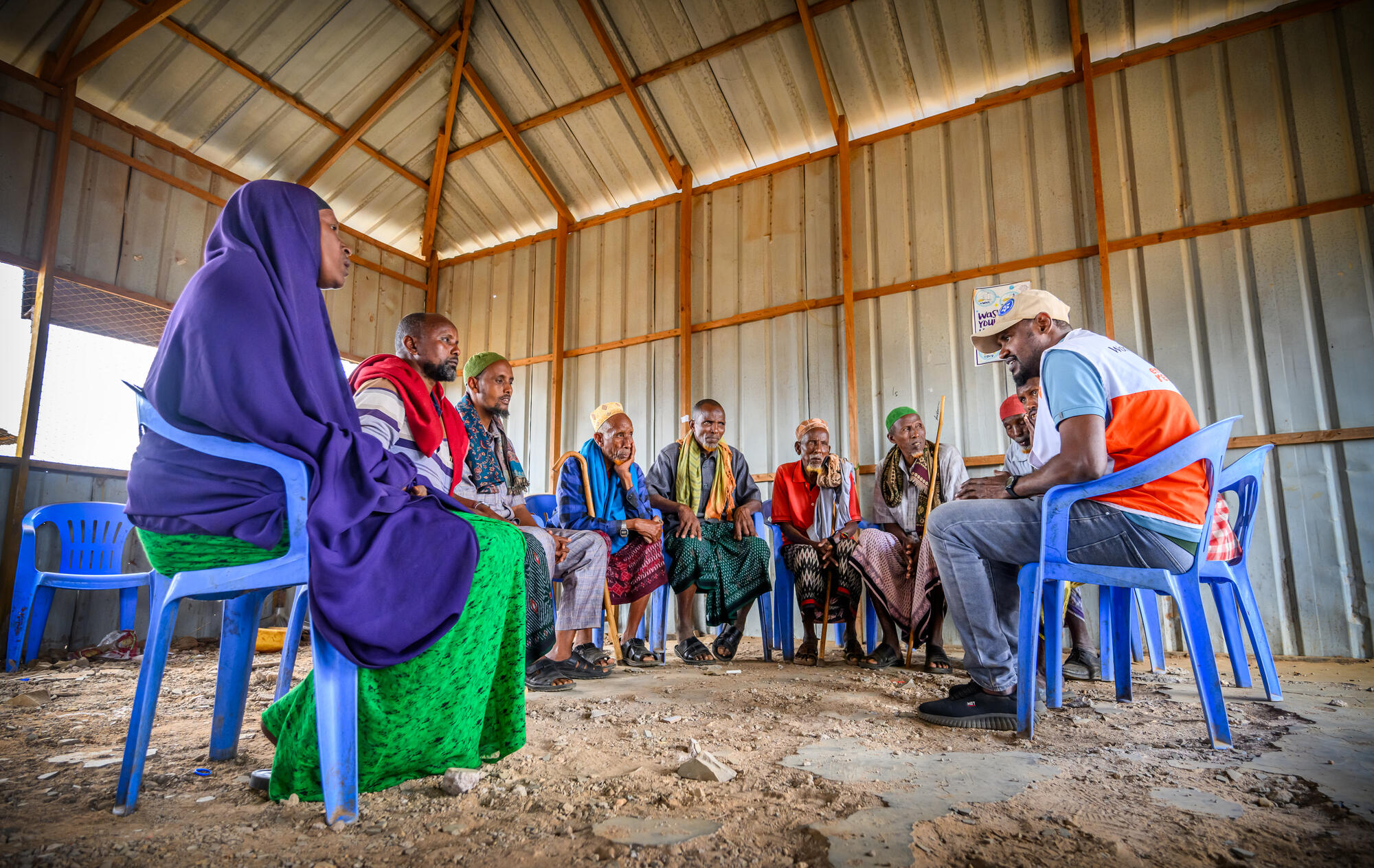
This presents a challenge to the wider humanitarian and development sector. Too often, peacebuilding is siloed, deprioritised, or treated as a specialist activity. Faith actors are frequently viewed through a risk lens rather than as partners in prevention and stabilisation. But evidence from fragile contexts shows that ignoring the social and moral infrastructure of communities weakens programme effectiveness and sustainability.
The call to action is clear:
- Integrate peacebuilding intentionally into humanitarian and development programming;
- invest in local capacities for dialogue and trust-building;
- and engage with the full spectrum of community leadership, including faith leaders, in ways that are principled, inclusive, and conflict-sensitive.
The question is no longer whether peacebuilding belongs in humanitarian work, but whether we can afford to operate without it.
If the goal is lasting impact for children and communities in fragile settings, peace cannot remain peripheral. It must be foundational — designed in from the start, measured seriously, and owned locally.
_________________________________________
Clynton Beukes is the Director of Fragile Contexts Programming & Peacebuilding for World Vision International, where he leads the organisation’s global approach to programming in fragile and conflict-affected contexts, including peacebuilding, conflict sensitivity, and engagement on the Humanitarian-Development-Peace Nexus. He brings over thirteen years of experience across both humanitarian and development settings, with senior leadership roles spanning the Middle East, Asia-Pacific, Africa, and the United States, including four years with World Vision’s Syria Response covering Jordan, Syria, and Türkiye.
Subscribe to see more content like this
Related Resources

For Jobs That Last, Invest in Peace for Children

Faith Matters – Driving Inclusive Development in Fragile Contexts
