

What Rwanda teaches us about reliable water and gender equity
In rural Rwanda, unreliable water systems steal time, dignity, and opportunity, especially from women and girls. Our WASH experts from East Africa say designing for reliability, embedding operation and maintenance, and strengthening local capacity can transform water infrastructure into a powerful driver of gender equity and restored hope.
11 June 2026
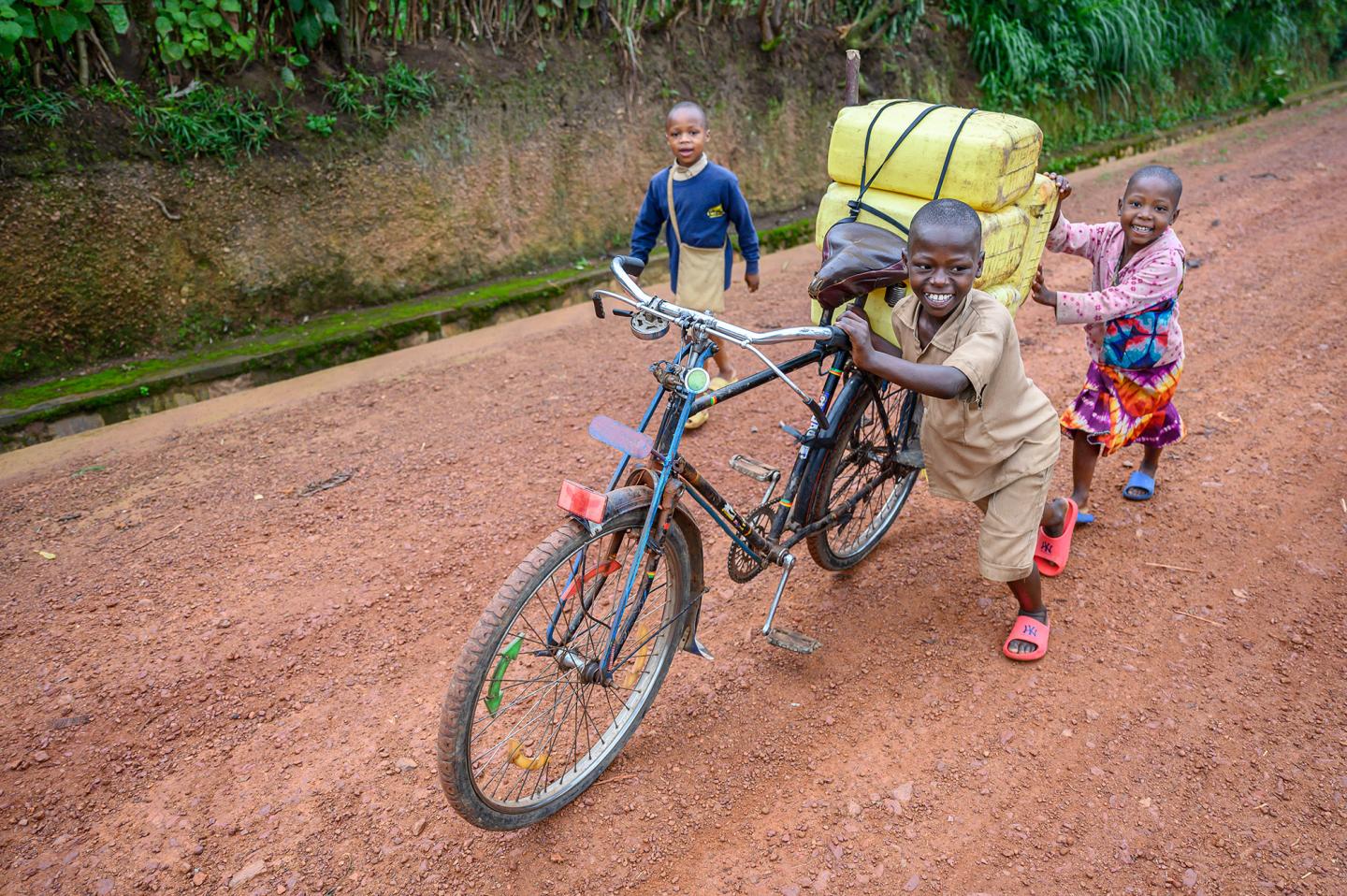
When water stops flowing in rural communities in Rwanda, it’s not only the pipes that fail, but also time and hope that are broken. In one community, women were observed arriving at the public tap early in the morning to check whether the long nonfunctional taps had finally been repaired. When they found the taps still not working, they resigned themselves to walk to distant and unsafe water sources. The system had the necessary infrastructure to function, but decades of rising demand had exceeded its capacity.
This kind of failure disproportionately burdens girls and women more than any other group. In rural communities, the reliability of water systems is not just an engineering challenge; it is a matter of equity, dignity, and opportunity.
“Previously, we had no access to clean water and this was a heavy burden to our families, especially women,” says Stephanie, who manages one of the community water points constructed by World Vision in Rwanda.
World Vision’s current Global WASH Business plan highlights a shift towards more robust and complex water systems with an emphasis on building a culture of quality in all our WASH infrastructure. Water services must be reliable so that hope is restored and girls and women can be free to focus on their education, livelihoods, and leadership.
Reliability Defined – The Case of Rwanda
Reliability in water supply means more than functioning infrastructure; it means consistent service that meets demand, withstands seasonal variability, and minimises downtime. Rwanda offers a compelling case study in this regard.
National surveys indicate that around 45% of rural households report their nearest water source as nonfunctional, forcing families to seek alternatives. Many water systems fall short of Rwanda’s national benchmark of no more than 30 days of downtime per year.
Additionally, WHO/UNICEF and project briefs confirm that just under 60% of rural piped water facilities are operational, with weaknesses in operation and maintenance systems cited as the main cause.
These figures underscore a critical truth: infrastructure alone does not guarantee service. Without operation and maintenance (O&M), financing, and technical oversight, improved water points often fail within a few years.
Engineering Reliability: Three Interventions
From an expert perspective, translating infrastructure into reliable service—and therefore into gender gains—requires three interlinked interventions:
- Design for life cycle performance - Decisions at the design stage determine years of reliability. Source protection, hydraulic calculations to minimise leakage, pressure zoning to prevent bursts, and adequate storage and pump sizing are essential.
- Embed O&M and life cycle costing into governance - Capital investment alone does not deliver lasting services. World Vision’s Global WASH Strategy 2026–2030 shifts focus from infrastructure delivery to water as a service. Life cycle financing ensures systems have long term viability, with budgets, spare parts supply chains, and accountability mechanisms agreed before handover.
- Operationalise data and local technical capacity - Preventive maintenance depends on timely information. Low cost monitoring tools, water quality testing, digital metering, and smart invoicing can prevent failures and strengthen financial management. Building local technical capacity and regulation ensures sustainability. Remote monitoring, now being piloted, is reshaping rural water supply operations.
Restoring hope through reliable water systems
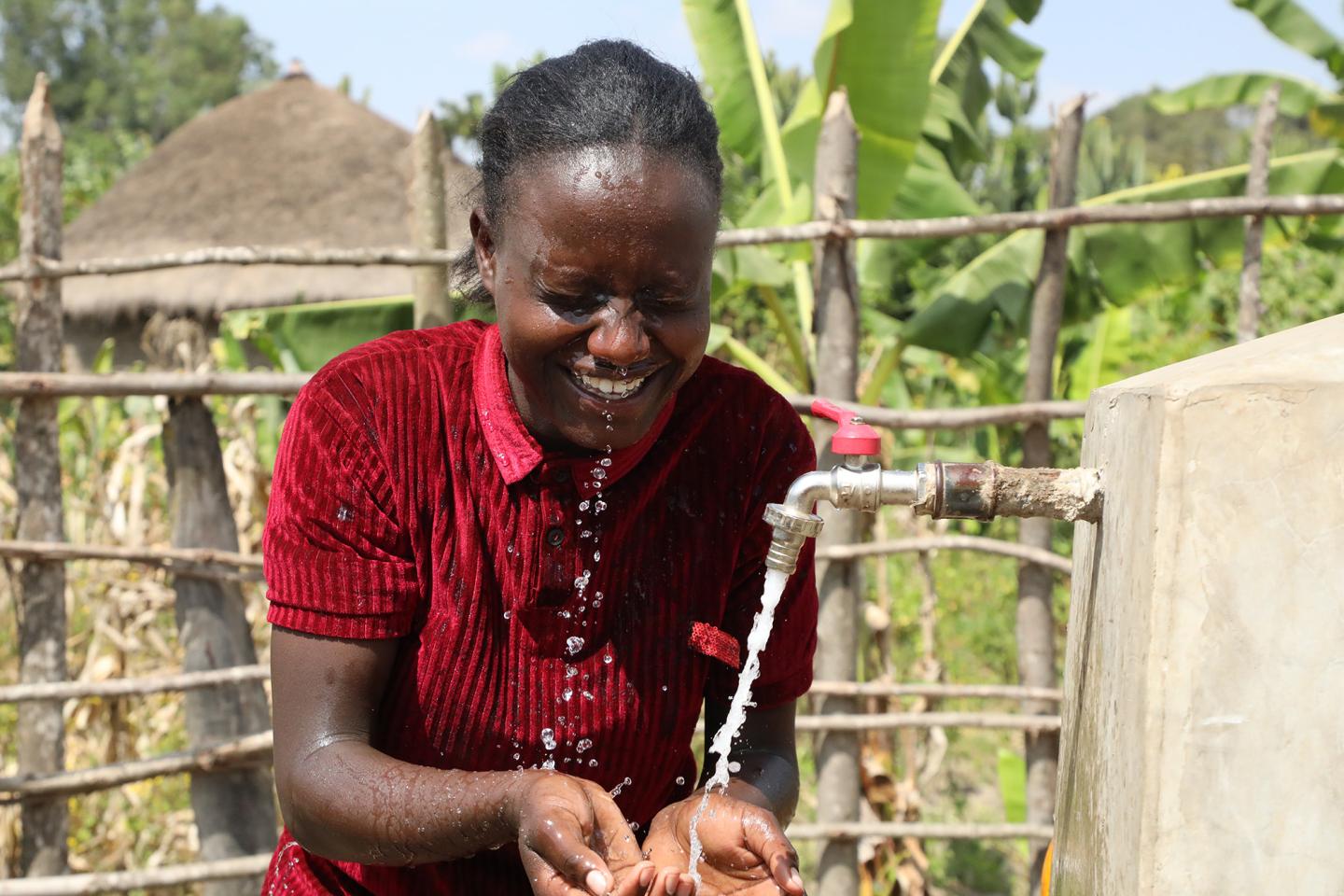
Reliable water systems deliver immediate and measurable gender outcomes. Women reclaim hours otherwise spent fetching water. Girls attend school more consistently. Families experience better health, reducing the need for women to sacrifice education or income for caregiving. We’ve seen hope restored in the communities where we work:
“The time we used to fetch water from difficult and distant [locations] is now used in doing other productive activities,” Stephanie says. “Our girls used to miss classes during their menstrual periods but now their school is connected to Mugano-Nemba water supply system and situation was greatly improved.”
Importantly, involving women in decision making about rural water supply embeds equity into design and operations.
Sustainable water systems are not just pipes and pumps. They are platforms for opportunity and equality. Reliability is the bridge between infrastructure and impact, and Rwanda’s experience shows both the challenges and pathways forward. Designing for life cycle performance, embedding operation and maintenance into governance, and operationalising data are not technical luxuries. They are gender equity strategies that lead to hope being restored.
About the Authors:
Maybin Ngambi is the Regional WASH Program Director for the East Africa Region, overseeing initiatives across nine countries. Maybin is a Civil Engineer with over 20 years of experience in the WASH sector. He is a passionate advocate for inclusive WASH, recognised as a Dornsife Scholar for mentoring women leaders, and holds advanced degrees in Water Resources Management and International WASH.
Samuel Bizimana is a civil and Environmental Engineer working as a WASH Engineer with World Vision Rwanda based in Buranga Cluster. Samual has extended experience in design and execution of water supply systems and other WASH Infrastructures.
Marie Leonce Murebwayire is a Regional WASH Specialist for Infrastructure for the East Africa Region. She is a Civil Engineer and WASH Professional with over 10 years of experience in developing, implementing, and overseeing programs for sustainable community development.
Subscribe to see more content like this
Related Resources

Are we missing the key ingredient in school meals?

More Than Water: The Multiplier Effect of Integrated Development
