
Between Borders and Uncertainty: Families Rebuild Hope After the Cambodia–Thailand Conflict

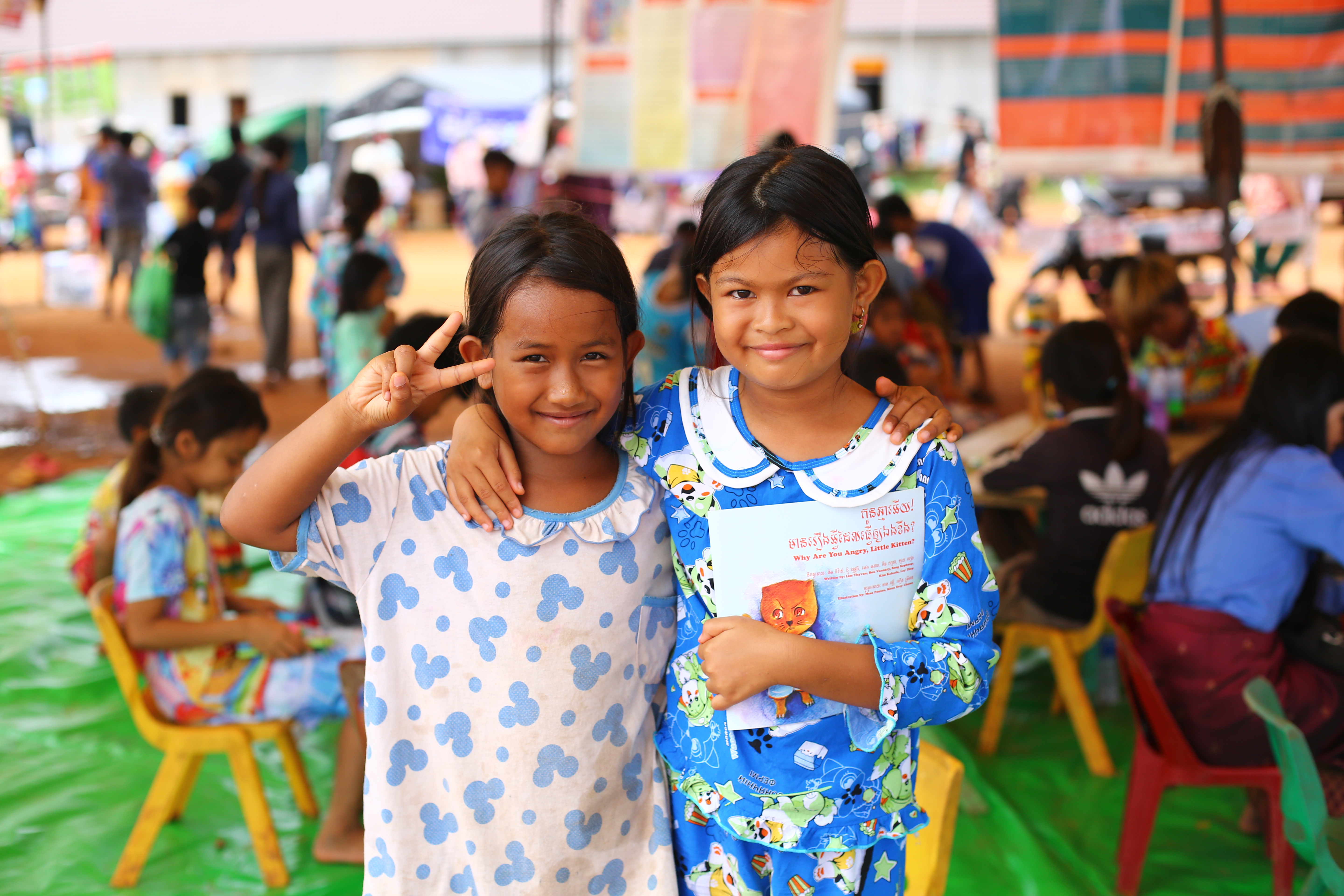
For Na and her parents, safety now looks like a temporary shelter, shared toilets, and a learning space made of tarpaulin and hope.
Their home sits only a 30-minute drive from Preah Vihear Temple, a place known for its history and beauty. Yet the distance feels impossible to cross.
“Villagers said the heavy weapon fire has stopped, but there are still handgun shots. Soldiers are still patrolling near the border. We’re too scared to go back,” her mother said, speaking just one day after a ceasefire agreement had been declared.
For now, the family waits in a safety camp, caught between relief that the worst violence has subsided and fear that it could return.
“The programme helps ease things a little,” she explained softly. “Since we left our village, the children haven’t been able to study. When they can’t study, it’s hard. But here, the team announced they could join learning activities and they even received toys. So now, our children don’t go playing in the nearby water anymore, it’s too dangerous.”
Displacement in Waves
The first wave of displacement began after border clashes between Cambodia and Thailand on 24 July 2025, triggering population movements across affected areas in Cambodia. A ceasefire was reached on 28 July 2025, reducing hostilities and allowing some families to cautiously assess their situation.
But stability proved fragile.
Renewed clashes in early December 2025 triggered a second wave of displacement, bringing the total number of internally displaced people in Cambodia to more than half a million. Another ceasefire was agreed on 27 December 2025. Yet for many families, including Na’s, a ceasefire has not meant a return home. Houses were destroyed. Some areas remain unsafe due to unexploded ordnance. Fear lingers even where the fighting has quieted.
Across both sides of the border, humanitarian needs remain significant.
A Neutral Response Focused on People
Across both sides of the border, humanitarian needs have been significant. The response led by World Vision has remained firmly neutral and needs-based, supporting communities affected by the crisis regardless of nationality, ethnicity, or political context.
Because when conflict disrupts daily life, children’s needs are universal.
They need safety. Stability. Routine. Care.
And someone to stand with them while uncertainty continues.
The first wave of displacement began after first Camboda-Thailand border clashes on 24 July 2025, which triggered population movements across affected areas in Cambodia. A ceasefire was reached on 28 July 2025, reducing hostilities. A second wave of displacement occurred following renewed clashes in early December 2025, bringing the total number of internally displaced people in Cambodia to more than half a million. Another ceasefire was agreed on 27 December 2025. However, many displaced people remain in temporary shelters despite the ceasefire, as their homes were destroyed or unsafe due to unexploded ordnance.
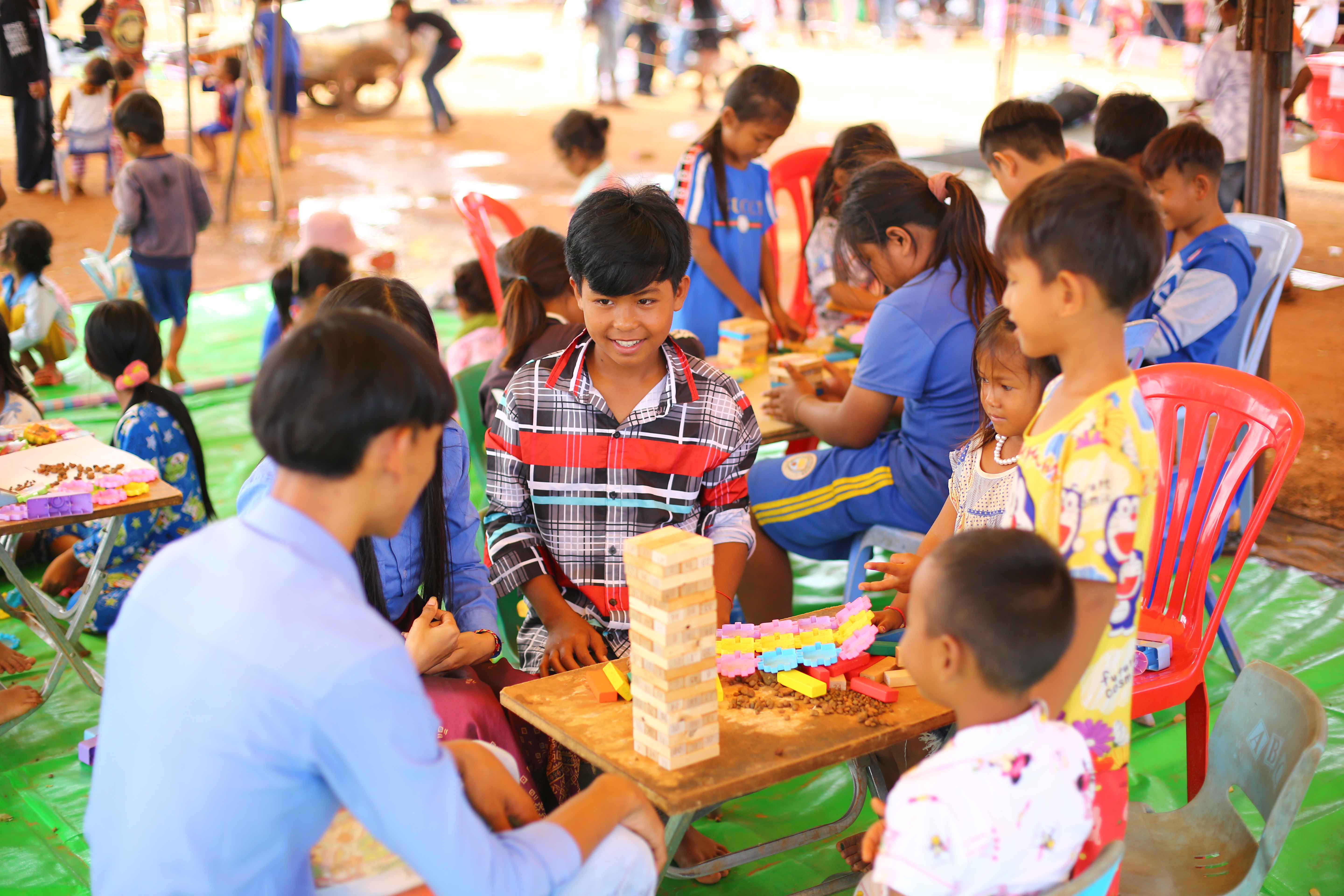
Cambodia: Reaching Families Displaced from Home
In Cambodia, World Vision Cambodia has been supporting families displaced by the border tensions across provinces including Banteay Meanchey, Preah Vihear, Siem Reap, Battambang, and Oddar Meanchey.
As of January 2026, approximately 140,000 people have been reached, including 50,000 children, as well as pregnant and breastfeeding women, older persons, and people living with disabilities.
Support has focused on the priorities families themselves identified:
- Child protection and psychosocial support for children and internally displaced adults experiencing fear and disruption
- Cash assistance to help families meet urgent daily needs with dignity
- Emergency shelter materials and essential household items
- Water, sanitation and hygiene (WASH) services
- Access to temporary education and health support
World Vision assistance has covered nearly half of displacement sites in affected areas, an important contribution in a rapidly evolving humanitarian situation.
To ensure support reached those most in need, World Vision Cambodia co-led a national Rapid Needs Assessment with partners, identifying priority gaps and vulnerable households so assistance could be targeted fairly and effectively.
At the same time, additional resources are being mobilised to protect the nutrition and health of young children and mothers. This includes:
- Supplementary feeding and micronutrient support for children under five
- Nutrition support for pregnant and breastfeeding women in safety centres
- Essential care for newborn babies born during displacement, including access to nearby health services.
Because even in crisis, life continues. Babies are born. Children grow. Families endure.
Thailand: Relief, Protection, and the Path to Recovery
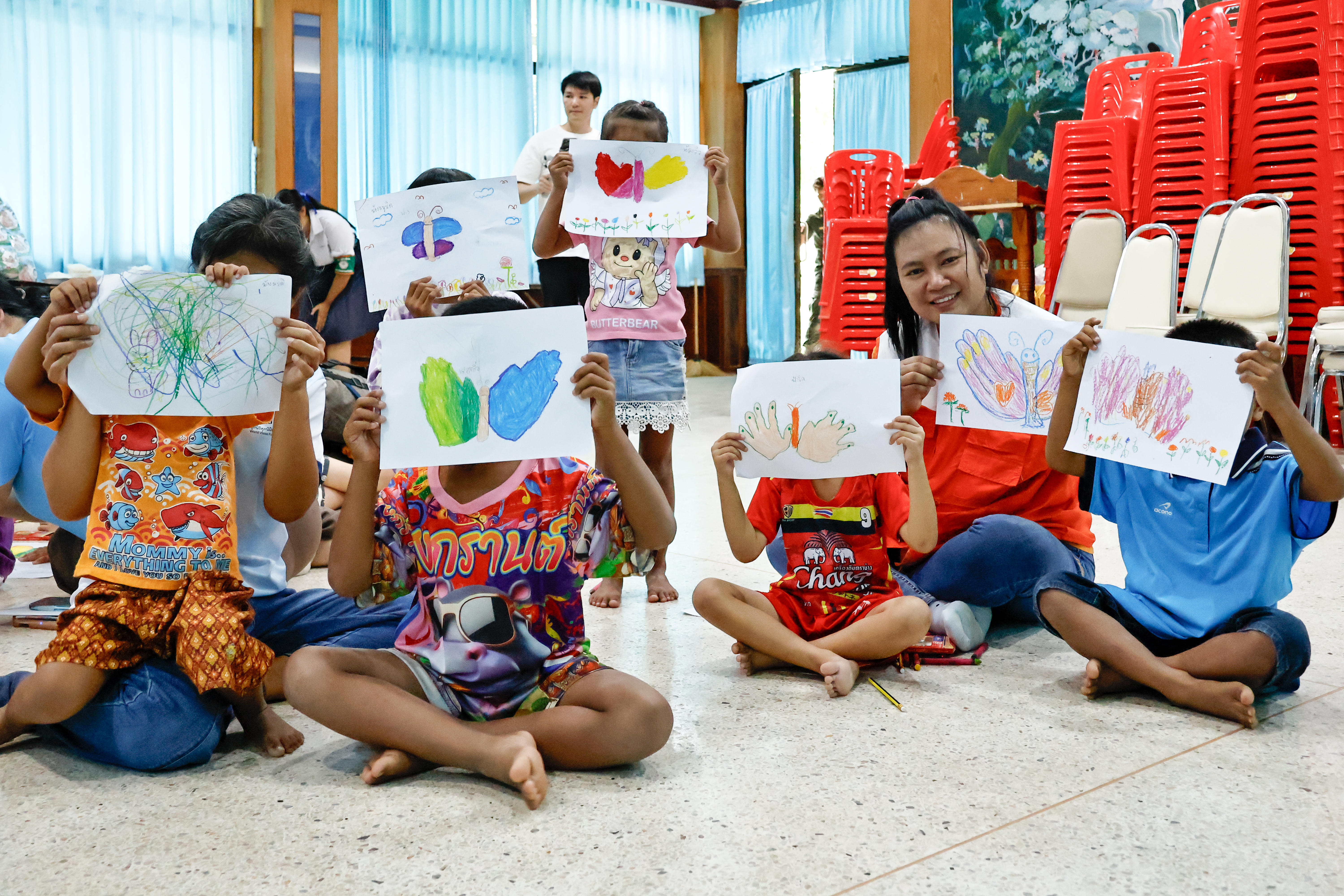
On the Thai side, the situation has eased somewhat following the ceasefire announced on 27 December 2025. Yet conditions remain fragile across several border provinces, where communities are still required to remain ready for evacuation if tensions escalate again.
Although some families have returned home, many, especially children, older persons, and people with disabilities, continue to need support. Health facilities are not fully operational in some areas, and several schools remain partially closed, forcing children into online learning environments that are often inadequate and isolating.
In response, World Vision Foundation of Thailand provided humanitarian assistance between 8 December 2025 and 6 January 2026 across multiple border provinces.
Key impacts include:
- 22,299 people reached across 62 evacuation centres in five provinces, Including 5,565 children and 16,734 adults
- Distribution of essential supplies such as drinking water, food, rice, milk, survival kits, and hygiene items
- Child-Friendly Space activities in 32 evacuation centres, supporting 3,094 children with psychosocial care, safe play, and learning opportunities
- Activities for 96 parents and caregivers, including stress-relief sessions, livelihood skills, and parent-child bonding activities
These interventions aim not only to meet immediate needs but also to restore a sense of normalcy, something children urgently require after experiencing displacement and fear.
As conditions gradually stabilise, the response is shifting toward early recovery. This includes following up with families returning home, strengthening community resilience, and capturing lessons learned to improve child protection systems in future emergencies.
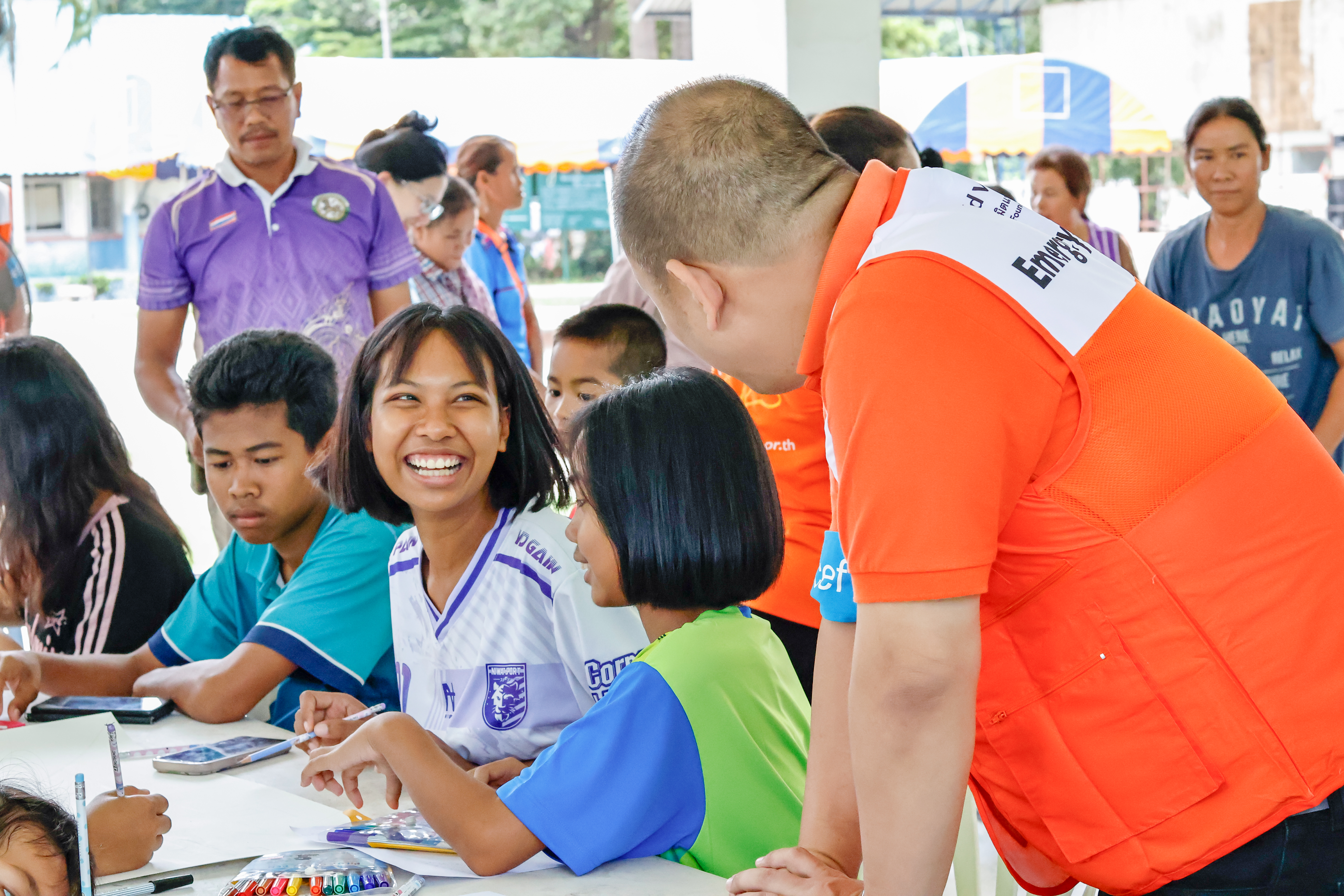
The Invisible Impact: Fear, Loss, and Resilience
Numbers help us understand scale, but they cannot fully capture what families carry inside.
Children who wake up at night remembering loud explosions.
Parents worrying about lost income and uncertain futures.
Communities navigating the tension between hope and caution.
Yet there is also resilience.
Children laughing again in temporary learning spaces.
Mothers supporting one another in evacuation centres.
Families rebuilding routines from almost nothing.
Across Cambodia and Thailand, the goal remains the same: to protect children, support families, and help communities recover safely and with dignity.
For Na’s family, peace still feels fragile, and many children’s homes remain out of reach.
But for now, they have shelter. Clean water. A safe place for their daughter to learn.
And sometimes, in the middle of displacement, that is where hope quietly begins.