
A Blueprint for Lasting Impact: What Happens When Governments, Communities, and Partners Work as One

By James Chifwelu, National Director World Vision Lesotho
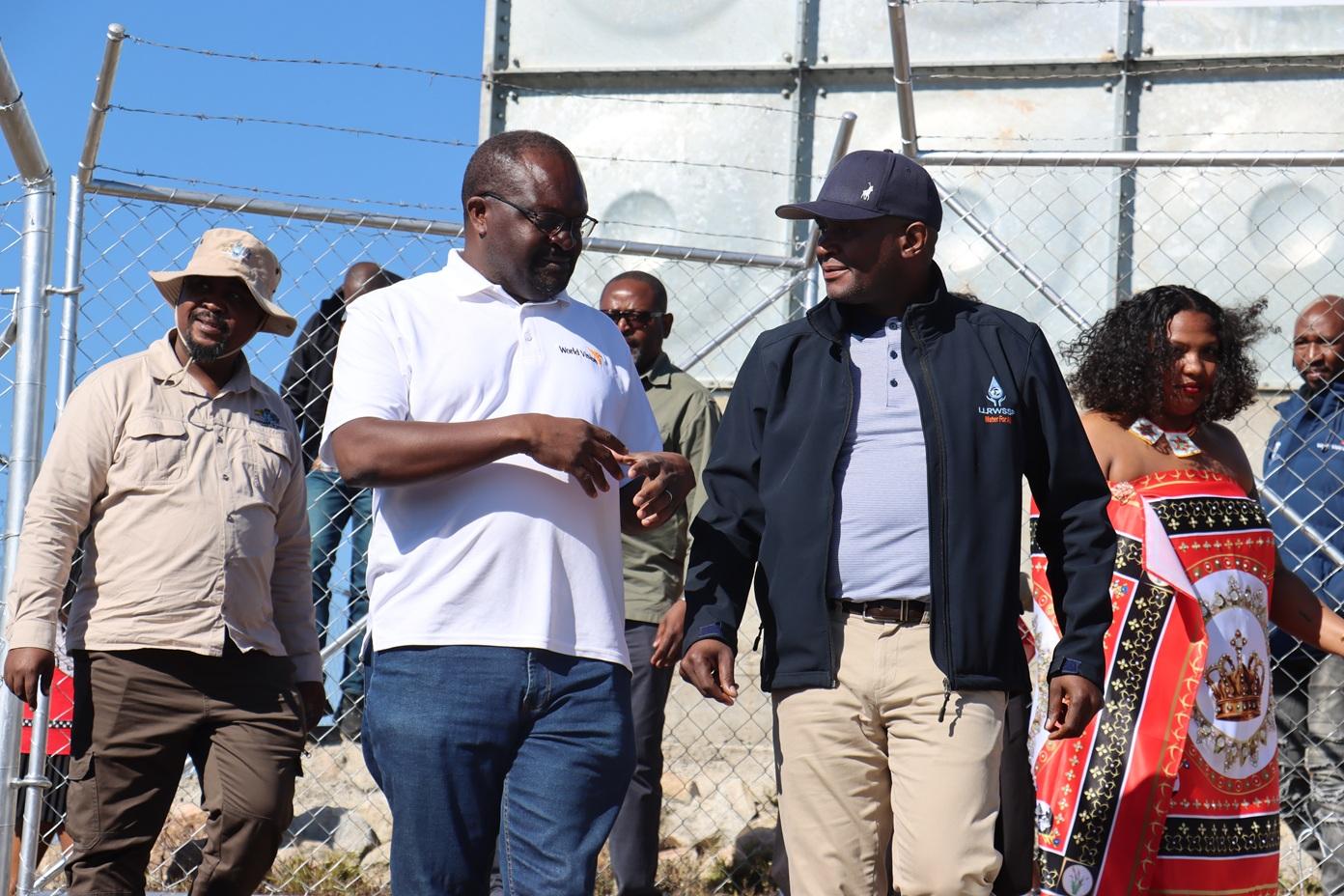
A recent high-level exchange visit to the Kingdom of Eswatini by a delegation from Lesotho, led by the Minister of Natural Resources and facilitated by World Vision Lesotho, provided valuable insights into how public-private partnerships can accelerate progress toward Sustainable Development Goal 6: ensuring access to safe water and sanitation for all.
The visit showcased a powerful and practical model demonstrating that sustainable development outcomes are achieved when strong partnerships, political commitment, and community ownership work together toward a shared vision.
A Partnership That Delivers Results
One of the most notable lessons from Eswatini is the strength of the partnership between the Government of Eswatini and World Vision, anchored on a 50:50 co-funding model. Under this arrangement, the government provides policy leadership, oversight, and half of the required resources, while World Vision contributes matching resources, technical expertise, and robust community engagement.
Engagements with senior government leaders, including ministers responsible for Health, Housing, Natural Resources, and Finance, as well as the Prime Minister, revealed how this model has accelerated development outcomes. Projects that previously experienced delays are now being implemented more efficiently, with stronger accountability and improved service delivery.
Equally important is the role of communities themselves. Across the visited sites, communities have assumed ownership of water systems, managing infrastructure, collecting user fees, and maintaining services with minimal external support. This local stewardship has strengthened sustainability and resilience, ensuring that investments continue delivering benefits long after project implementation.
Key Lessons for the Humanitarian and Development Sector
1. Political Will Accelerates Impact
Strong leadership remains one of the most important drivers of development success. Political commitment creates an enabling environment that removes barriers, mobilizes resources, and sustains momentum for transformative change.
2. Partnerships Are Essential
In an era of shrinking development funding and growing needs, partnerships are no longer optional—they are imperative. Governments, civil society, development agencies, and the private sector must leverage their respective strengths to achieve greater impact at scale.
3. Co-Creation Is the Future of Development
Communities are not passive beneficiaries; they are active partners in development. Sustainable solutions emerge when communities participate in identifying challenges, designing interventions, and driving implementation.
4. Community Ownership Drives Resilience
Development gains are more likely to endure when communities have the capacity and responsibility to manage local systems. Investing in local leadership and governance strengthens resilience and reduces dependency.
5. Efficiency and Speed Matter
The increasing demand for development outcomes requires organizations to adopt lean, innovative, and high-impact approaches. Strategic partnerships enhance efficiency, improve accountability, and accelerate delivery.
6. Sustainability Must Be Intentional
Long-term success does not happen by chance. Sustainable development requires deliberate investments in governance structures, cost-recovery mechanisms, capacity building, and community ownership.
7. Accountability Builds Trust
Transparent systems and measurable results are essential for maintaining the confidence of governments, communities, donors, and development partners. Strong accountability frameworks strengthen credibility and foster continued investment.
8. Climate Resilience Requires Local Solutions
As climate-related challenges intensify, communities need durable systems that can be maintained, adapted, and sustained locally. Building resilience begins with empowering communities to manage and protect the resources on which they depend.
Conclusion
The experience from Eswatini provides compelling evidence that the future of humanitarian and development work lies in partnerships that combine political leadership, community ownership, technical expertise, and shared investment. When these elements come together, development interventions move beyond short-term projects and become sustainable systems capable of transforming lives for generations.
As the global community races to achieve the Sustainable Development Goals, the time has come to move beyond isolated efforts and embrace models that place partnership and local ownership at the centre of development. Governments, development partners, civil society organizations, and communities must act boldly and collaboratively to scale what works. The challenge before us is not whether sustainable solutions exist—it is whether we have the courage, commitment, and collective resolve to invest in them. The future belongs to those who choose partnership over silos, empowerment over dependency, and long-term impact over short-term gains.