
Clean Water, New Possibilities: A School Transformed

By Sindile Mhlanga, Communications Intern
At a primary school in Mhlangatane, the absence of clean water once affected every aspect of a child’s wellbeing, from their health and safety to their ability to learn and thrive.
When it rained, learners and teachers relied on collected rainwater, which was often unsafe for consumption. During dry periods, children were forced to walk long distances through bushes to fetch water from a borehole, exposing them to risk and exhaustion. These daily challenges not only disrupted learning but also compromised children’s protection and dignity.
Celani Ndlovu, a teacher at the school, explained that the lack of safe water made it difficult to provide a healthy learning environment. He stated that the school often had no choice but to use contaminated water, sometimes from sources shared with animals, such as cows, making it unsafe for cooking and drinking. This directly affected the school feeding programme, an essential component in supporting children’s nutrition and concentration in class, and a key contributor to World Vision’s goal of ending child hunger. Dludlu further noted that practical learning was also impacted, as agriculture lessons could not be conducted without reliable access to water.
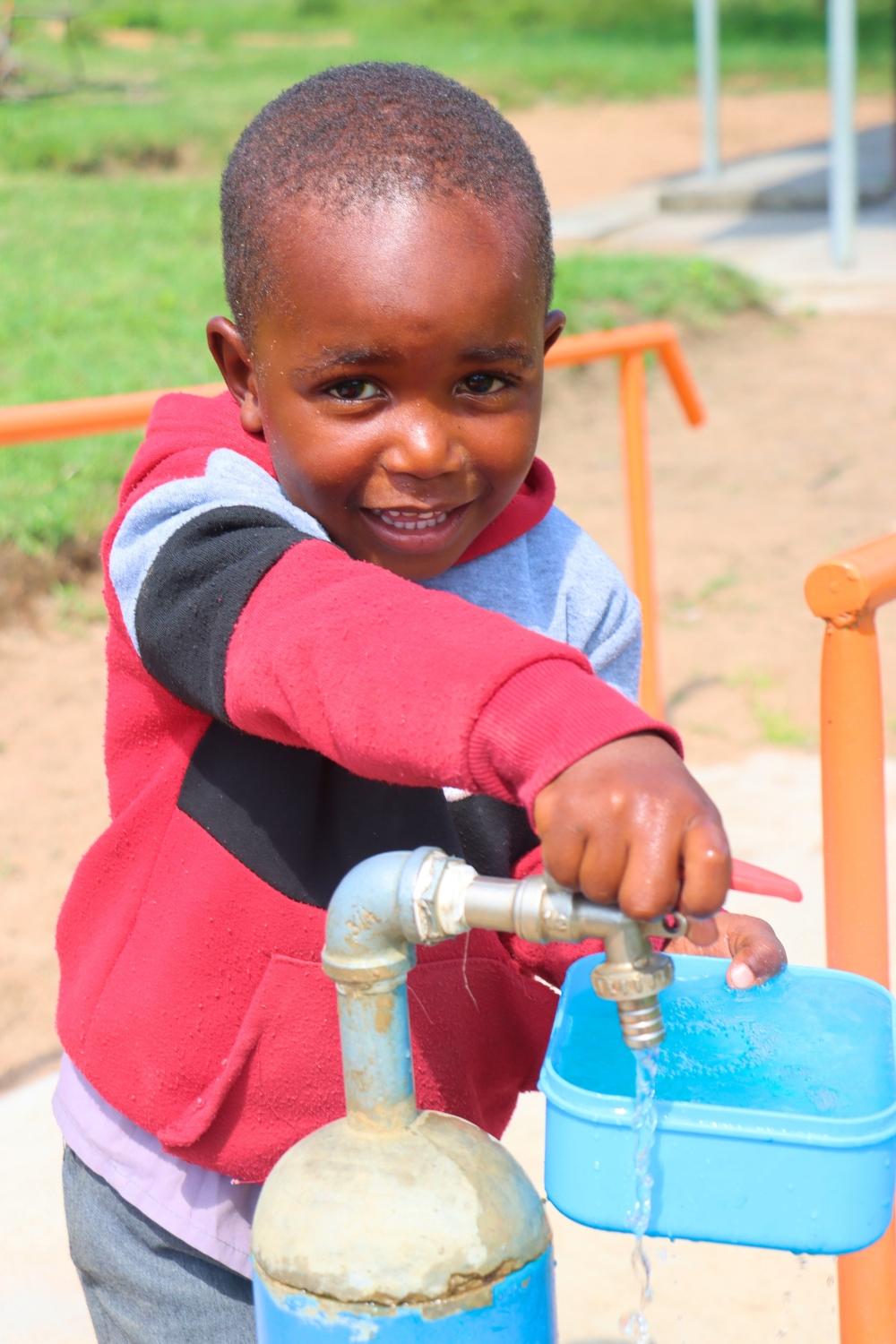
The burden, later on, extended to families, who were occasionally required to contribute financially to secure water during critical shortages, placing additional strain on already vulnerable households.
Ntozakhe, a Grade 7 learner, described how these challenges affected her daily life. She explained that when rains were delayed, learners had to walk through bushes to fetch water, and even then, the water was often dirty. She added that walking through bushes to access water was frightening and unsafe. She said many learners frequently fell ill due to contaminated water, affecting school attendance and participation. In some instances, lessons had to end early due to the number of sick learners, while subjects such as agriculture could not take place at all.
Now in her final year in primary school, she expressed renewed hope. She shared that with clean water now available, learners have more time to focus on their studies, creating a better foundation for their future. She added that she now feels confident and excited to transition to high school.
For Bandiswa, an aspiring doctor, access to clean water has restored both health and dignity. He explained that before, learners were constantly worried about the safety of the water they used, which made it difficult to concentrate and fully engage in their education.
Since the introduction of reliable water access in October 2025, as stated by Teacher Dludlu, the learner noted that hygiene practices at the school had improved significantly. Learners are now able to wash their hands after using the school toilets, promoting better health and reducing the spread of disease, which are amongst the key outcomes of World Vision’s WASH interventions.
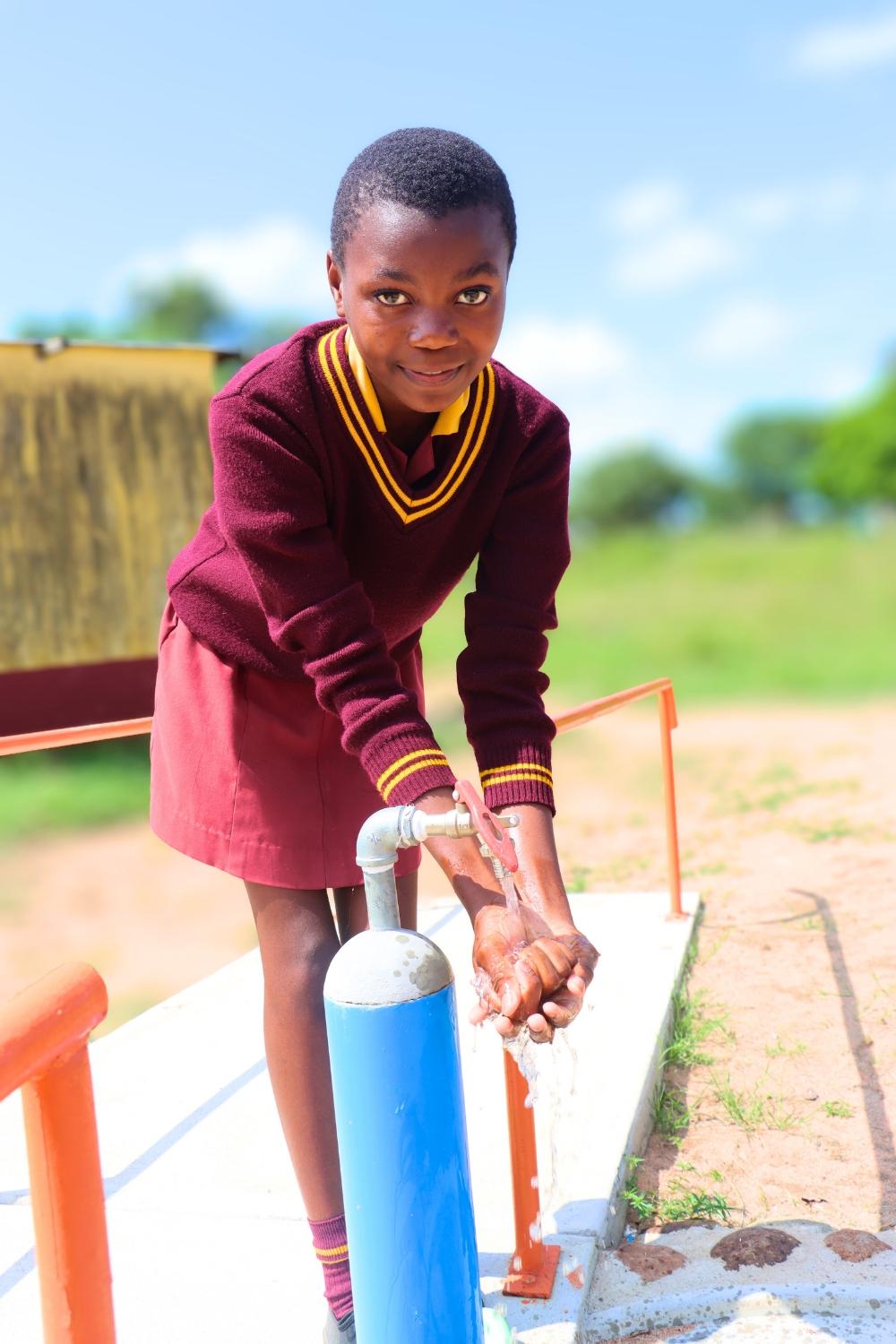
He also highlighted improvements in the children’s daily school lives, explaining that the school is now able to prepare meals consistently, ensuring that learners receive nutritious food, in which the children are thereafter able to wash their lunchboxes, instead of returning home with dirty ones. Additionally, agriculture practicals are now conducted during lesson time, allowing learners to gain hands-on skills that contribute to long term food security.
The transformation occurring at the school reflects the broader impact of World Vision’s integrated approach to child wellbeing. Access to clean water is not only improving health outcomes but also strengthening education, enhancing child protection, and supporting sustainable livelihoods.
By addressing one of the most basic yet critical needs, safe water, World Vision Eswatini continues to create an enabling environment where children can learn, grow and pursue their dreams, free from the barriers of hunger, illness, and vulnerability.