
Lesotho Delegation Concludes Learning Visit as Eswatini Showcases Progress Towards Universal Water Access

A high-level delegation from the Kingdom of Lesotho has concluded a week-long learning visit to Eswatini aimed at understanding how strategic partnerships between government and development partners are accelerating progress towards universal access to safe and clean water.
The visit culminated in the official commissioning of the Bulekeni Potable Water Project on Friday, where Eswatini's Minister for Natural Resources and Energy, HRH Prince Lonkhokhela, joined his Lesotho counterpart, Honourable Mohlomi Moleko, in celebrating another milestone in the country's journey towards universal water service coverage.
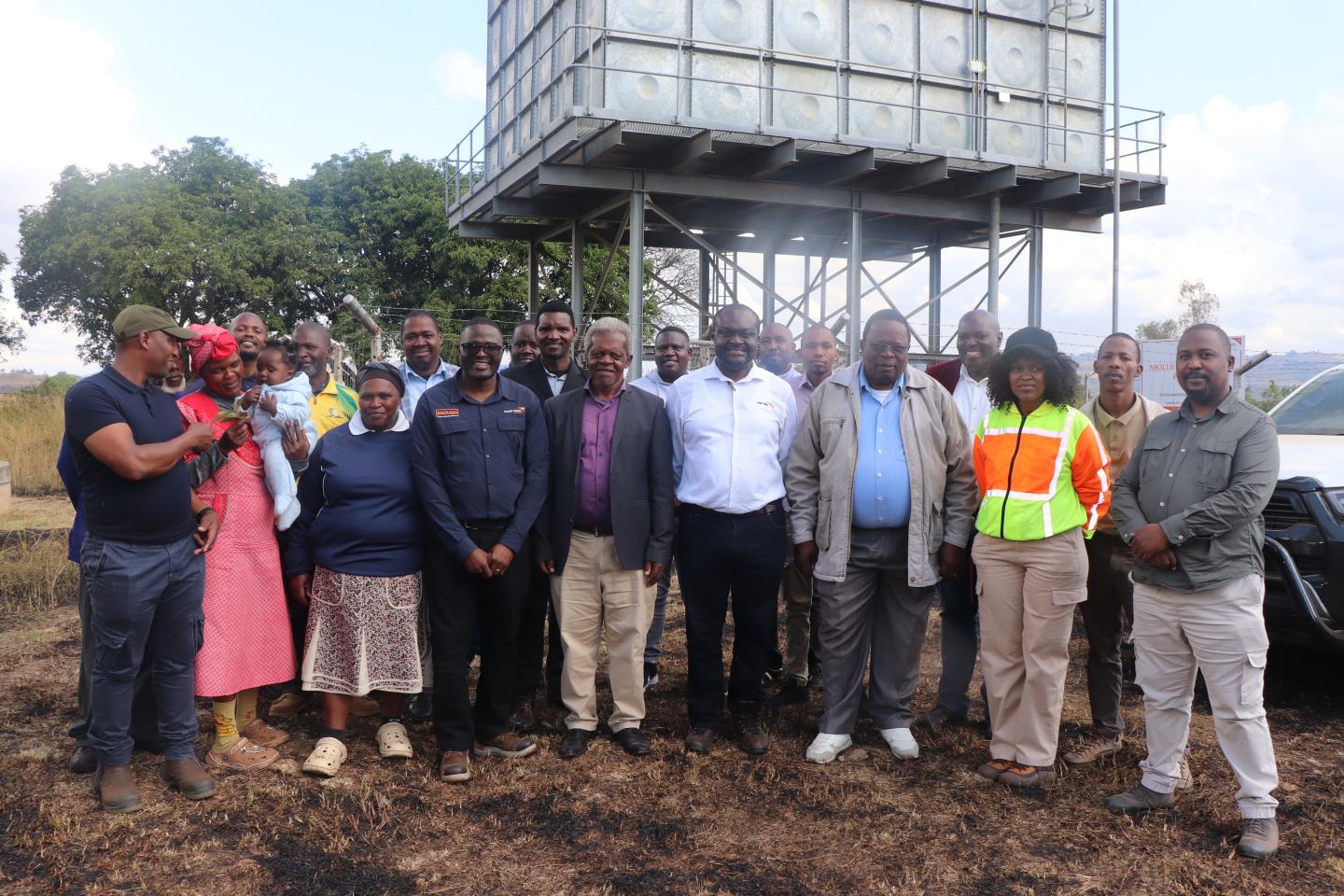
Hosted by the Ministry of Natural Resources and Energy in collaboration with World Vision Eswatini, the delegation comprised senior government officials from Lesotho's Ministry of Natural Resources and representatives from World Vision International Lesotho. The delegation was led by Deputy Principal Secretary Lisema Lekhooana and included World Vision Lesotho National Director James Chifwelu and other senior officials.
The learning visit sought to provide practical insights into Eswatini's Universal Water Service Coverage Programme, a partnership between the Government of Eswatini and World Vision Eswatini that is helping expand access to safe water in rural communities across the country.
The programme began with an entry meeting at World Vision Eswatini's offices in Mbabane, where the organisation's Water, Sanitation and Hygiene (WASH) team shared lessons, achievements and implementation approaches that have contributed to progress towards universal water access.
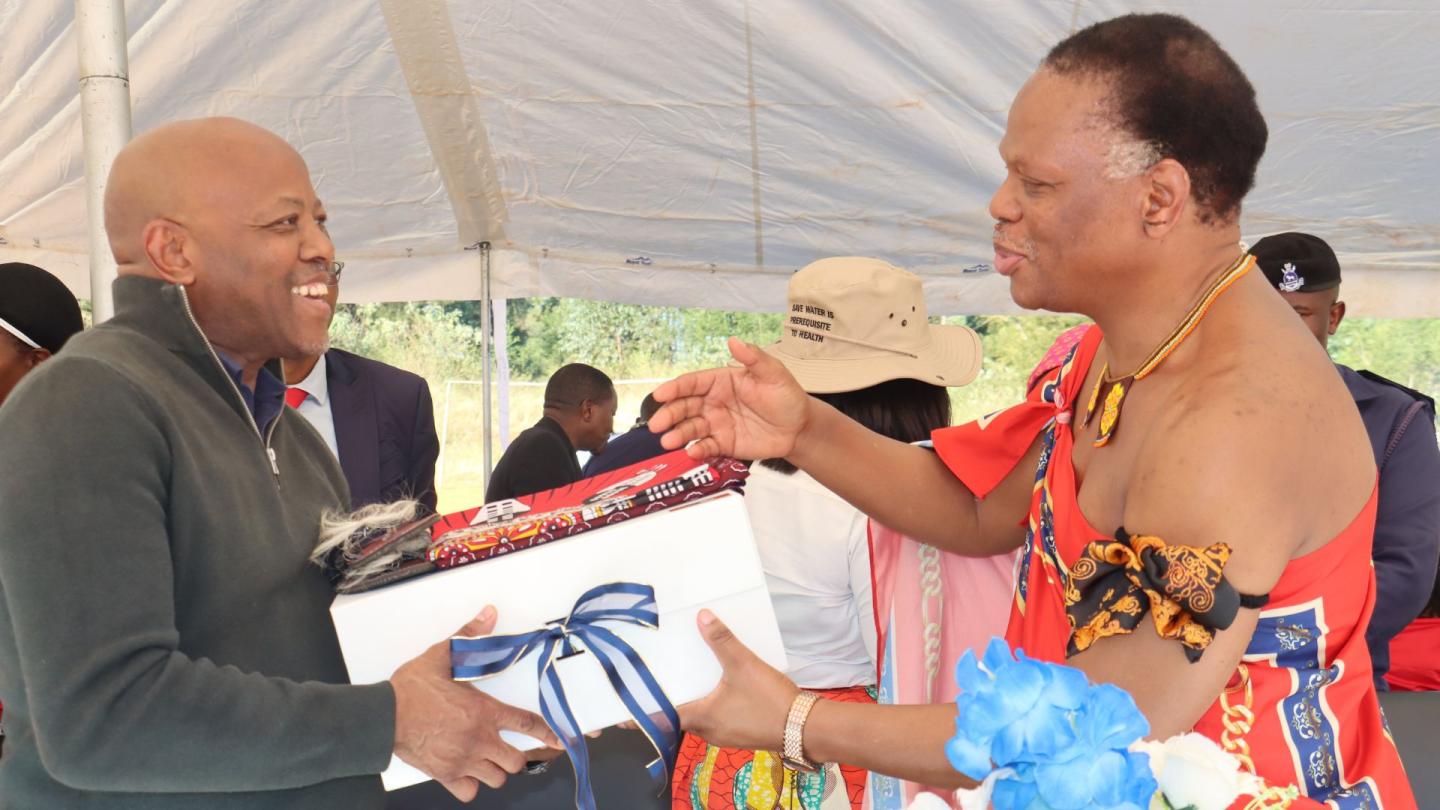
The delegation later engaged with officials from the Department of Water Affairs under the Ministry of Natural Resources and Energy, where discussions focused on policy frameworks, financing mechanisms, regulation, implementation models and the role of partnerships in ensuring sustainable water service delivery.
As part of the exchange, the delegation held a series of high-level engagements with key Government ministries, including the Ministries of Health, Finance, Economic Planning, Tinkhundla Administration and Development, and Natural Resources and Energy. These discussions provided an opportunity for both countries to share experiences and explore how cross-sector collaboration can strengthen service delivery and improve development outcomes.
The delegation also paid a courtesy call on the Right Honourable Prime Minister, His Excellency Russell Mmiso Dlamini, highlighting the importance both countries place on regional cooperation and knowledge sharing in advancing sustainable development.
Beyond policy discussions, the visitors travelled to communities benefiting directly from investments in water infrastructure to witness the impact of the programme at community level.
One of the key highlights was a visit to the Zandondo Water Scheme under Madlangempisi Inkhundla, a SZL 14.4 million project supported by World Vision Eswatini through funding from World Vision Korea.
The scheme has transformed the lives of community members by providing safely managed water directly to households.
Speaking during the visit, Zandondo Community Development Officer (Bucopho), Musa Fakazi Simelane, explained how the project had significantly reduced the cost and burden of accessing water.
Before the scheme was established, families relied on water transported from rivers and often paid between SZL 350 and SZL 500 for a 5,000-litre tanker of untreated water. Today, households can access 10,000 litres of safe, clean potable water for approximately SZL 70, resulting in substantial savings while improving health and quality of life.
The visit enabled delegates to observe how national policies and strategic investments translate into tangible benefits for communities, demonstrating the transformative impact of partnerships on people's daily lives.
The week-long programme concluded with the commissioning of the Bulekeni Potable Water Project under Zombodze in the Shiselweni Region. Implemented by World Vision Eswatini as part of the Universal Water Service Coverage Programme, the project was jointly funded by World Vision Eswatini and the Government of Eswatini.
The commissioning ceremony symbolised not only the successful completion of another community water project but also the strengthening of regional cooperation between Eswatini and Lesotho in pursuit of Sustainable Development Goal 6, which seeks to ensure access to safe water and sanitation for all by 2030.
Speaking during the closing events, leaders from both countries emphasised the importance of partnerships, innovation and knowledge exchange in addressing shared development challenges. They noted that no single institution can achieve universal water access alone and that collaboration between governments, communities and development partners remains essential.
For Lesotho, the visit provided valuable lessons that could help inform efforts to expand water access and strengthen service delivery in communities across the country. For Eswatini, it showcased how coordinated investment, strong government leadership and community participation are helping transform lives through sustainable water solutions.
As the delegation departed for Lesotho, the visit left behind renewed commitments to collaboration, learning and collective action towards ensuring that every family has access to safe and reliable water.
The week-long exchange demonstrated the power of South-South cooperation, where countries facing similar development challenges can learn directly from one another's experiences. By combining high-level policy engagements with visits to communities experiencing real change, the learning visit offered a comprehensive view of how partnerships can drive sustainable development and improve the wellbeing of citizens.
The commissioning of the Bulekeni Potable Water Project therefore marked not only the end of a successful learning visit, but also the beginning of stronger collaboration between Eswatini and Lesotho as both countries work towards achieving universal access to safe water.