
A Mother Empowered: Transforming Child Health Through Knowledge and Support

By Sindile Mhlanga, Communications Intern
For 23-year-old Gcwalisile Nhlabatsi, her second pregnancy marked a turning point in how she understood maternal and child health.
She first noticed signs of pregnancy in April 2024, when she was just one month pregnant. However, unaware of the importance of early antenatal care, she did not attend clinic check-ups during the early stages of her pregnancy.
Her situation began to change in her fifth month after meeting Sibongile Zwane, a Rural Health Motivator (RHM) under the Mahlalini Area Programme in the Shiselweni Region of Eswatini.
Through their interactions, Sibongile encouraged her to begin attending antenatal check-ups and explained the importance of monitoring the baby’s growth and identifying potential health concerns early in pregnancy. From then on, Gcwalisile consistently attended her scheduled clinic visits and later realised that antenatal care should ideally begin from the very first month of pregnancy.
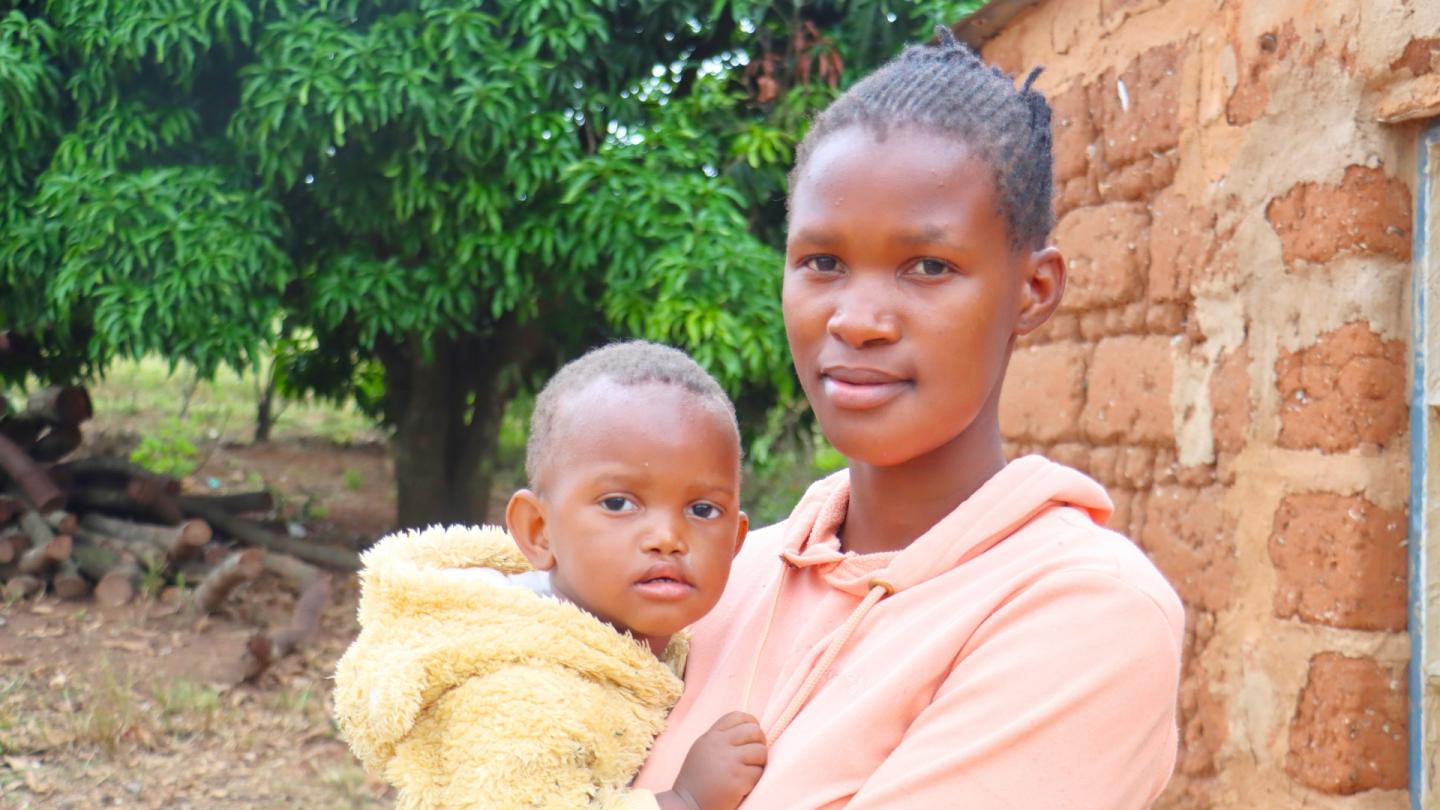
Following the birth of her child, Sibongile continued to guide and support her, equipping her with knowledge on proper childcare practices, including the importance of exclusive breastfeeding during the first six months of the baby’s life. She also raised awareness about common childhood health risks that can arise when children are not properly breastfed or cared for.
Although this was her second child, Gcwalisile experienced a significant shift in her understanding of maternal and child health. With the additional knowledge and support she received, she felt more confident and better prepared to care for her baby compared to her first pregnancy.
“I did not know how important it was to go for check-ups early in pregnancy, but now I understand how much they help both the mother and the baby. The support and advice I received helped me take better care of my child.”- Gcwalisile
Sibongile also provided guidance on proper nutrition, emphasising the importance of consuming nutritious foods such as spinach to support both maternal health and child development. As a result, regular hospital visits and consistent health monitoring became part of Gcwalisile’s routine, helping ensure that her child’s growth and development remained on track.
Today, her child is growing well, and she continues to attend clinic check-ups consistently. She remains grateful for the support she received, recognising the role it played in improving both her confidence as a mother and her child’s wellbeing.
Looking ahead, she hopes her son continues to grow healthy and strong and dreams of seeing him pursue a disciplined and purposeful future, possibly one day becoming a police officer.
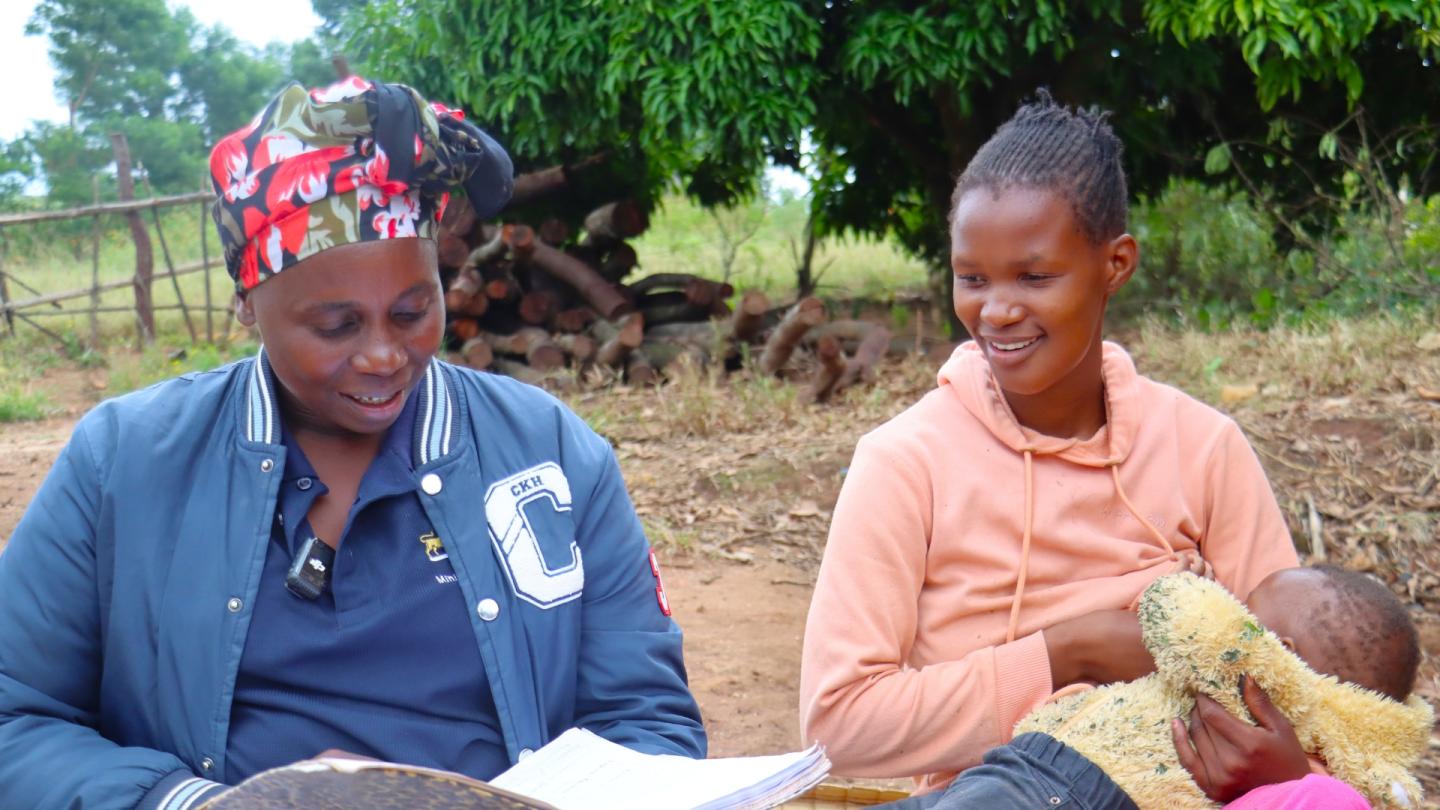
As a Rural Health Motivator, Sibongile’s role focuses on strengthening existing knowledge while introducing critical health information that promotes healthier behaviours. This includes encouraging early antenatal care, promoting proper nutrition as part of World Vision’s mandate under the #ENOUGH Campaign to End Child Hunger and Malnutrition, and supporting consistent health monitoring for mothers and children.
She expressed excitement at seeing positive outcomes in Gcwalisile’s family, noting that the child is growing well and that clinic visits continue to be attended consistently, even nearly two years later.
Sibongile attributes her ability to support mothers to the training she received through the partnership between the Ministry of Health and World Vision Eswatini. The training equips RHMs with practical knowledge on maternal health, breastfeeding, nutrition and early childhood care, enabling them to effectively guide and support mothers within their communities.
Through her work, mothers like Gcwalisile are empowered to make informed decisions, strengthening child health outcomes and contributing to improved wellbeing at both household and community levels.