
Dreaming Beyond the Classroom

Every morning, Yadani walks into her physics classroom imagining machines that do not yet exist. She wants to become a mechanical engineer, someone who designs solutions that improve people’s lives. Just a few years ago, the school where that dream is taking shape lacked clean water, adequate classrooms, proper sanitation, and even a library.
In the quiet highlands of the West Wollega Zone, education is more than a daily routine. For many children, it is their greatest opportunity to build a different future. Yet for years, that opportunity was limited by the everyday realities of overcrowded classrooms, inadequate learning facilities, and a lack of basic services that made staying in school a challenge.
Yet within these challenges, powerful dreams are rising, and schools like Biftu Gida Secondary are proving that opportunity can grow even in the hardest places.
One of those dreams belongs to Yadani, a 19‑year‑old Grade 12 student studying in the Natural Science stream. Physics is her favourite subject because every lesson brings her one step closer to understanding how machines work. “Physics is important because it helps us understand how things work,” she explains. “My dream is to become a mechanical engineer and help build solutions for my country.” For Yadani, education is not just about textbooks; it is the foundation on which she hopes to build her future.
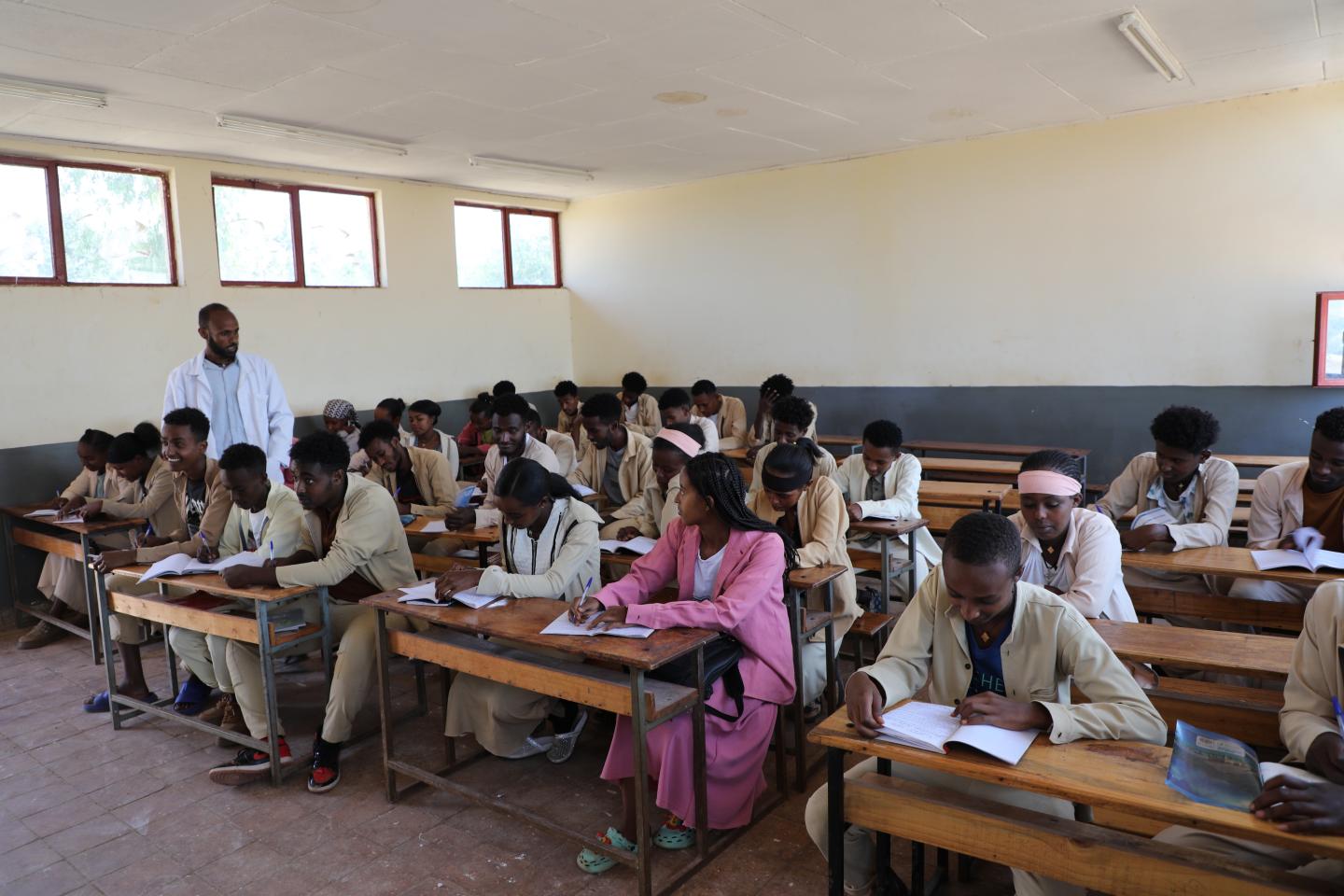
But the road to that dream has not always been smooth. Yadani remembers learning in an environment where the lack of basic facilities affected everyday school life. For years, students at Biftu Gida Secondary School faced serious barriers to learning. Classrooms lacked basic resources, clean water was scarce, and sanitation facilities were inadequate. These conditions did more than affect comfort. They discouraged attendance, weakened motivation, and pushed many children out of school altogether. “When there is no quality learning environment, many children lose motivation and eventually drop out,” says Solomon Tafesse, Vice Director of the school.
Recognising these challenges, World Vision Ethiopia Nejo Area Programme stepped in to support the school and its community. New classroom blocks were built, creating safer and more organised learning spaces. Students gained access to clean water, separate latrines for girls and boys, and facilities that help girls manage menstruation safely and with dignity.
A library was established, stocked with books, learning models, and study materials, giving students a place to explore knowledge beyond the classroom.
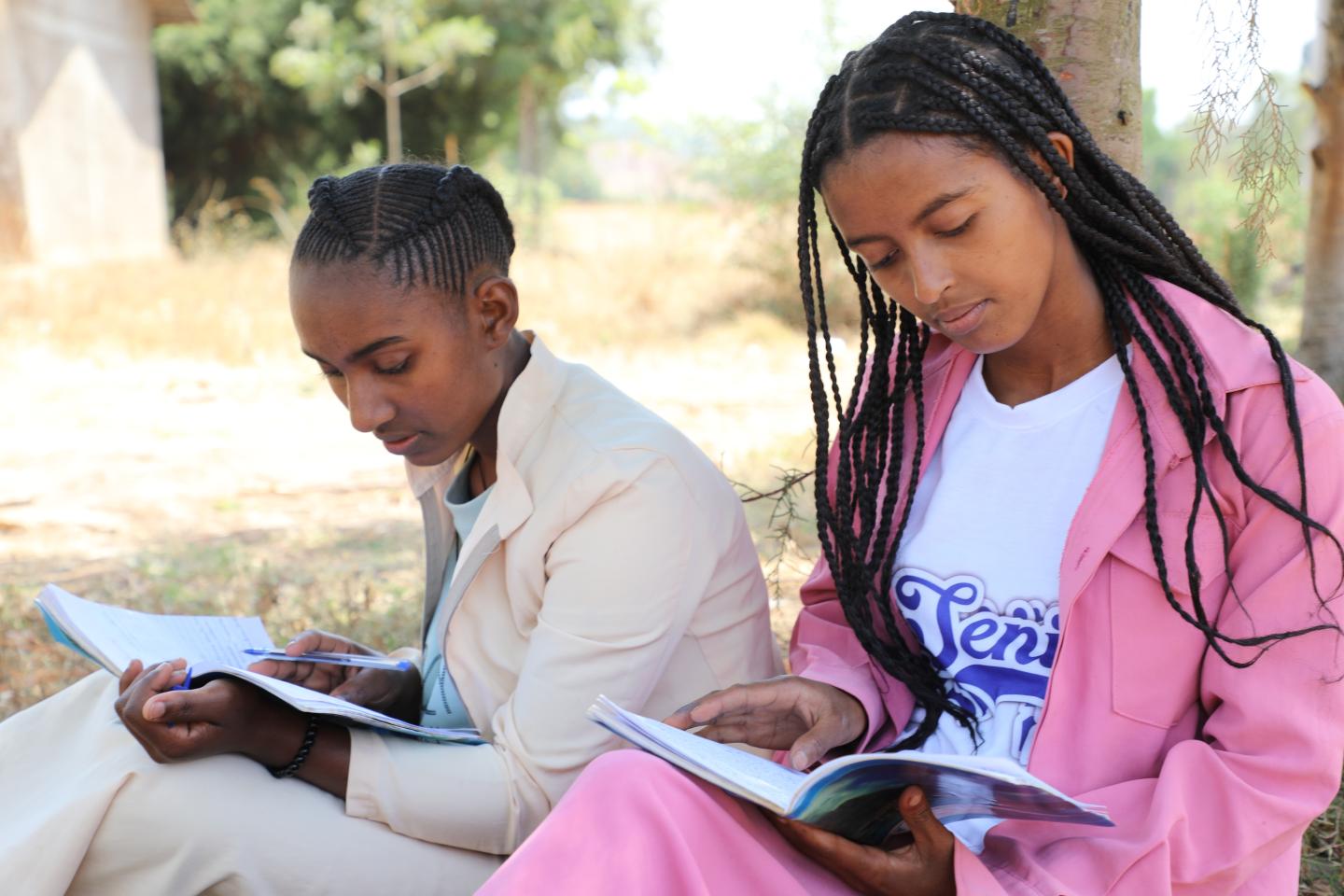
For Yadani, these changes transformed the way she experiences school. Instead of worrying about the challenges that once disrupted learning, she can now focus on preparing for the future she has imagined for herself. Between lessons, students gather in the library to study, girls attend school with greater confidence, and clean water is available within the school compound. The learning environment has become a place where ambition can grow.
“The learning environment is very important for students,” Solomon explains. “These improvements are helping us deliver better quality education.”
For students like Yadani, these changes mean more than new buildings. They mean an opportunity to stay in school, pursue ambitious dreams, and become part of the next generation of professionals who will shape Ethiopia’s future.
“World Vision has played a great role in our school,” Yadani says with gratitude. “They are helping bridge the gaps our community faced. Because of this support, we can focus on learning and building our future.”
Yadani's story is only one example of what becomes possible when children have access to a safe and supportive learning environment. Across rural Ethiopia, thousands of children still face the same barriers that once limited opportunities at Biftu Gida Secondary School. Access to safe learning environments, clean water, and quality educational resources remains a critical need.
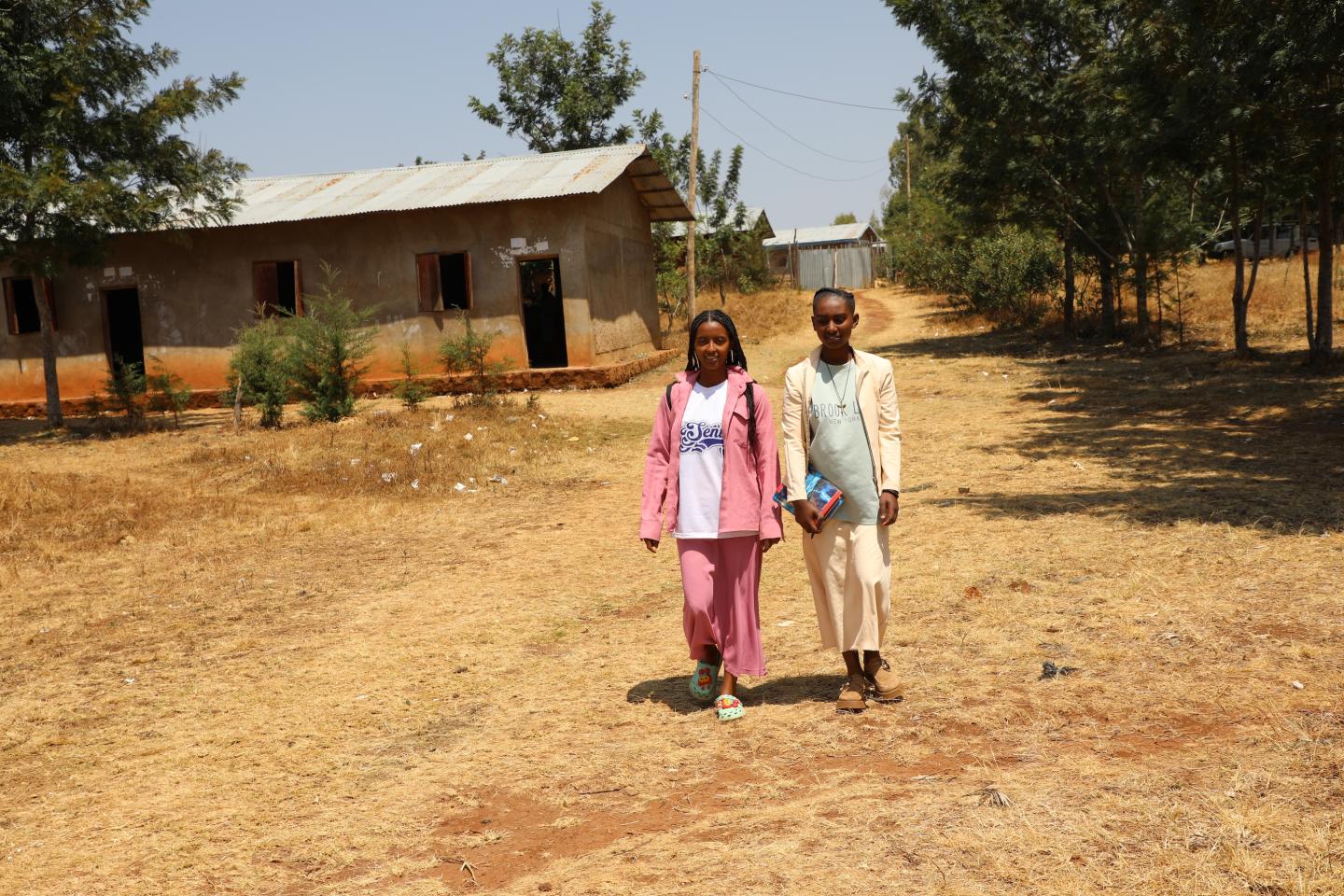
Alemu Tolera, World Vision Area Program Manager, emphasises the broader vision: “We are building the next generation through different sectors. Education is one of those sectors. We have addressed many schools with school blocks, desks, access to water, libraries, and training for teacher development.”
When communities, partners, and donors invest in education, the impact reaches far beyond school walls. It empowers young people, strengthens communities, and builds a generation capable of solving tomorrow’s challenges.
For Yadani, those investments have made her dream feel achievable. One day, she hopes to become a mechanical engineer designing solutions that improve lives across Ethiopia. Her journey began not with machines, but with something much simpler: a school where she could learn safely, confidently, and without barriers. Because when a child is given the opportunity to learn, the future of an entire community begins to change.
By Workineh Muleta, Field Storytelling Coordinator, World Vision Ethiopia