
A Well of Hope

Before sunrise touched the hills of West Wellega, mornings in Nejo District were marked not by birdsong, but by the steady footsteps of women and children walking to a distant river in search of water.
Among them was nineteen-year-old Ebbise, a Grade 12 student with a strong mind for mathematics and a determined dream of becoming a doctor. Each day, she rose before dawn and walked for one and a half hours, not to pursue her studies, but to collect the most basic necessity of life. The river water was muddy and unsafe, shared with domestic animals and wildlife, and often brought illness instead of relief. Families faced repeated hospital visits and rising medical costs, while children arrived late to school, missed lessons, or sat in class too tired to concentrate. Some children missed several days of school each month because of waterborne illness.
Ebbise remembers those mornings with clarity. “I was always late to school. Sometimes I arrived after lessons had already started. It hindered my study. I felt tired in class. I worried my dream would slip away,” she says. Her words reflect the experience of many children in her village, whose education was shaped by a daily burden no child should have to carry. Ebba Dame, a member of the local water committee, recalls how the long river trips contributed to widespread sickness and hardship. Water, which should sustain life, had become a source of illness, lost time, and lost opportunity.
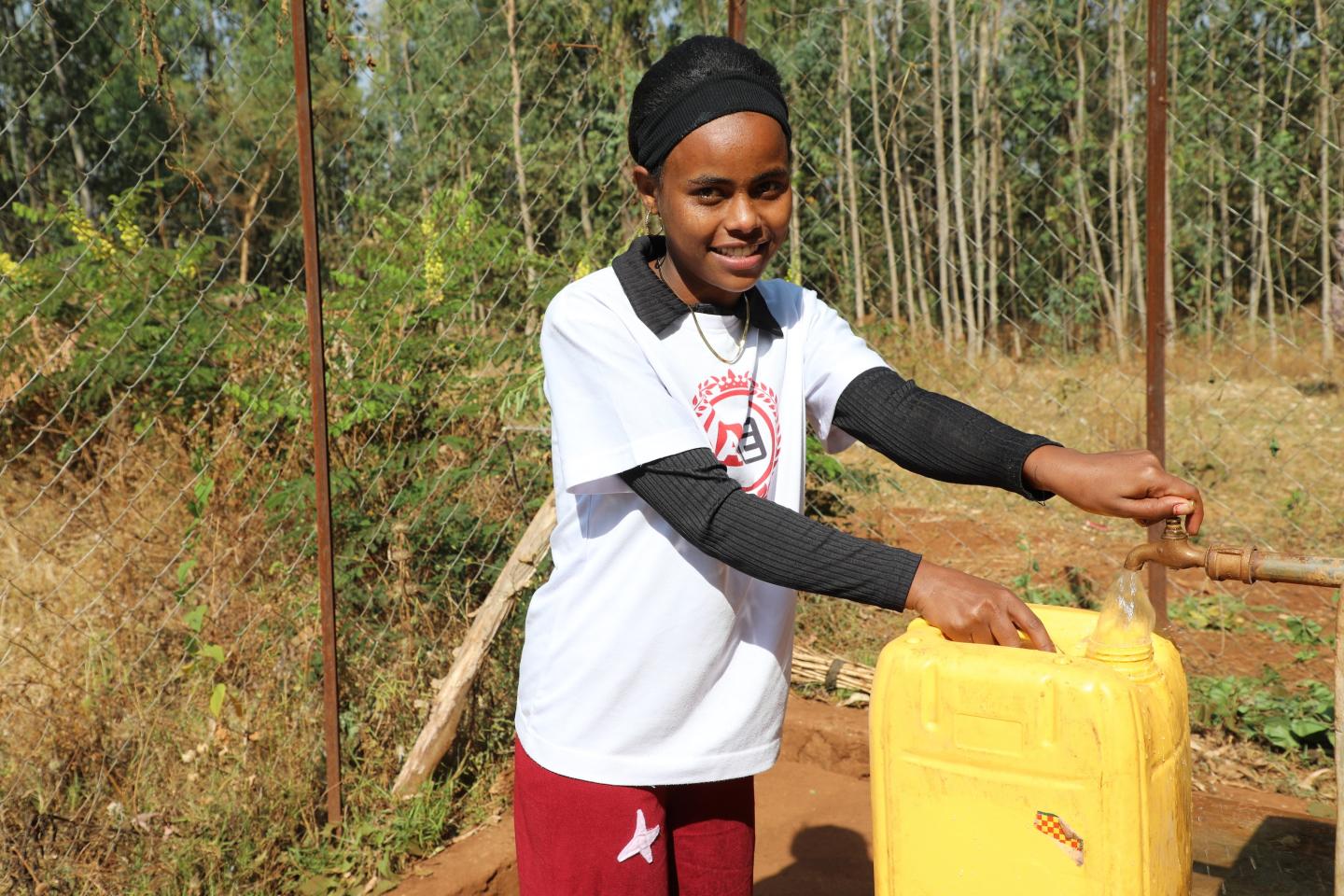
That changed when World Vision Ethiopia, through its Nejo Area Programme, worked with the community to bring a sustainable water solution to the district. A solar-powered borehole was drilled, giving families access to clean, safe water close to home and at a central water point. The system is one of thirty-three boreholes installed across the district, and it now benefits 911 students and 966 community members. Powered by the sun, the borehole reduces reliance on costly fuel and supports a more environmentally responsible approach to rural water access.
For women and girls, who often carried the greatest burden of water collection, the change has restored time, safety, and possibility. Hours once spent walking for water can now be used for learning, household priorities, farming, small businesses, and community participation.
For Ebbise, the difference has been life-changing. “Now the water is in our yard. We get clean water from our village,” she says. With fewer interruptions and more time to study, her academic performance has improved by more than ten points, and she now ranks fourth in her class. She is studying harder than ever to secure a place at university and pursue her dream of becoming a doctor, an ambition that now feels closer because a basic barrier has been removed.
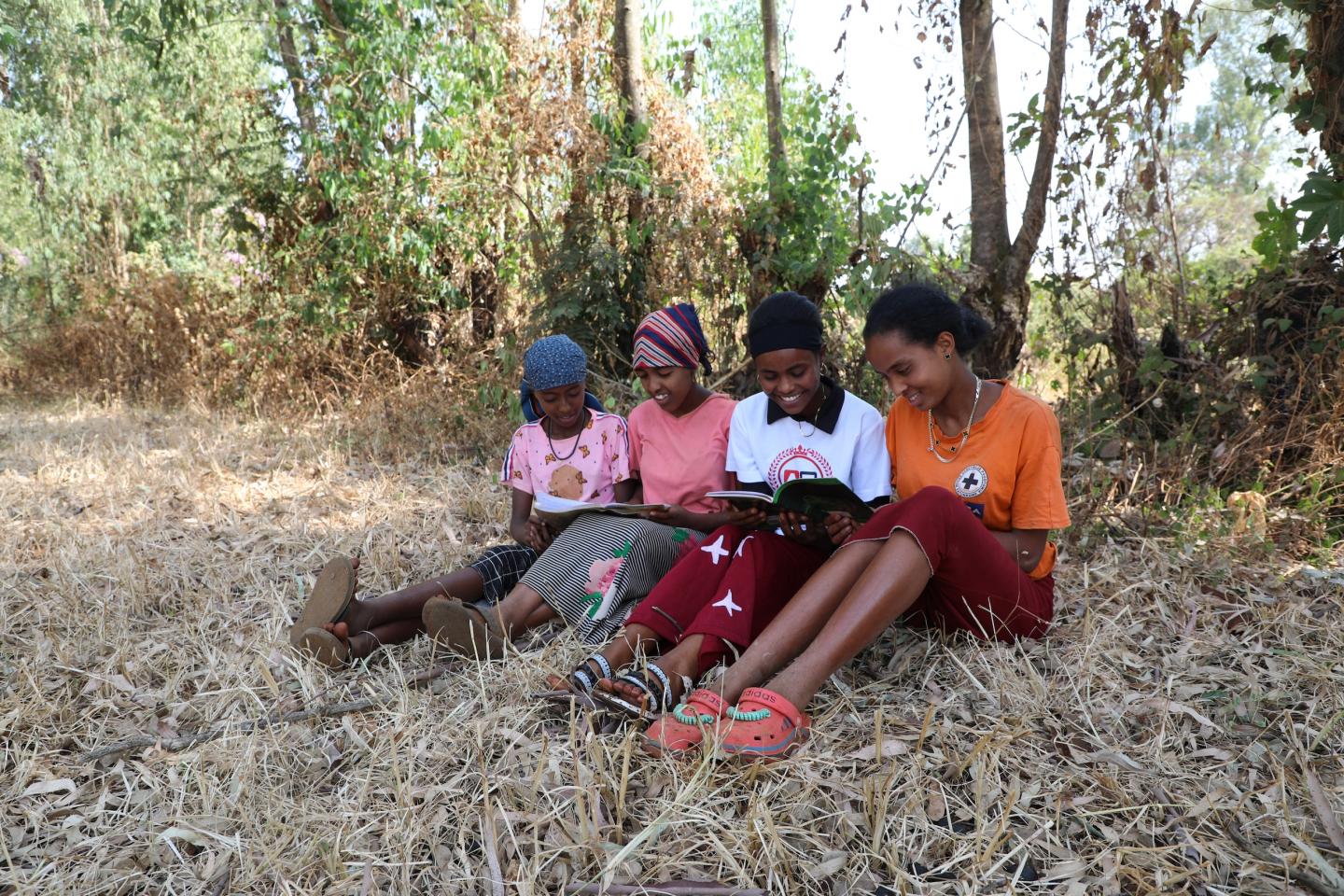
The impact extends well beyond one student’s success. Clean water has helped reduce illness, ease household pressure, and restore dignity across the village. Children who once reached school exhausted can now learn with greater focus. Parents who once spent scarce income on treatment can plan more confidently for the future. The community has gained time and energy for farming, income generation, and local development. The borehole is more than infrastructure; it is a platform for healthier children, stronger families, and a more resilient community.
This story also shows why World Vision Ethiopia’s work matters. Across many rural communities, families still travel long distances for unsafe water, and children continue to lose learning time because of preventable water-related challenges.
Access to clean water is not only a health intervention; it is a foundation for education, child protection, gender equality, and economic resilience. By combining community participation, technical expertise, and sustainable technology, World Vision Ethiopia is helping communities move from survival to opportunity.
“The borehole in Nejo District shows that sustainable water solutions do more than provide clean drinking water. They create opportunities for children to learn, families to stay healthy, and communities to build a better future.”- Fikadu Yadessa, Nejo Area Programme Engineer
Nejo District stands as proof of what becomes possible when communities, partners, and sustainable technology come together around children’s well-being. The borehole is a story of reclaimed time, restored health, and renewed ambition. It is also a call to action: every child deserves safe water close to home, and every community deserves the chance to build a healthier future. Through practical, locally rooted solutions like this, World Vision Ethiopia is helping transform access to water into access to education, dignity, and opportunity. When water flows into a community, hope flows with it, and so does the possibility that a young student’s dream of becoming a doctor can one day become reality.
By Workineh Muleta, Field Storytelling Coordinator, World Vision Ethiopia