
Single Mother’s Life Transformed Through Handcrafted Moses Baskets

For Nana Gabadadze, a mother of four who had almost lost faith in her own abilities, her first meeting within World Vision’s ERTAD project became an emotional turning point. The sincere communication and support she received from her Household Empowerment Consultant helped her regain confidence in herself.
Since then, Nana, who lives in Kutaisi and raises four children, has not missed a single training session or meeting under the project, which aims to empower and support vulnerable families in Georgia.
“When I joined the project, I was going through a very difficult period. I was depressed, and my self-esteem was practically destroyed,” she recalls.
After experiencing domestic violence and separating from her husband, Nana was left to face all the challenges of raising four children on her own. Joining the project helped her start a new chapter in life and discover new opportunities for personal growth.
As her confidence gradually returned, so did her determination to become economically independent.
From an Idea to a Successful Brand
Initially, Nana knitted clothes and jackets, a process that required considerable time and effort. Yet despite the work involved, she often sold her handmade products at very low prices, sometimes barely covering production costs.
“I knew I had to come up with something different and change my approach so that I could support my family through my own work while still having time to care for my children,” she says.
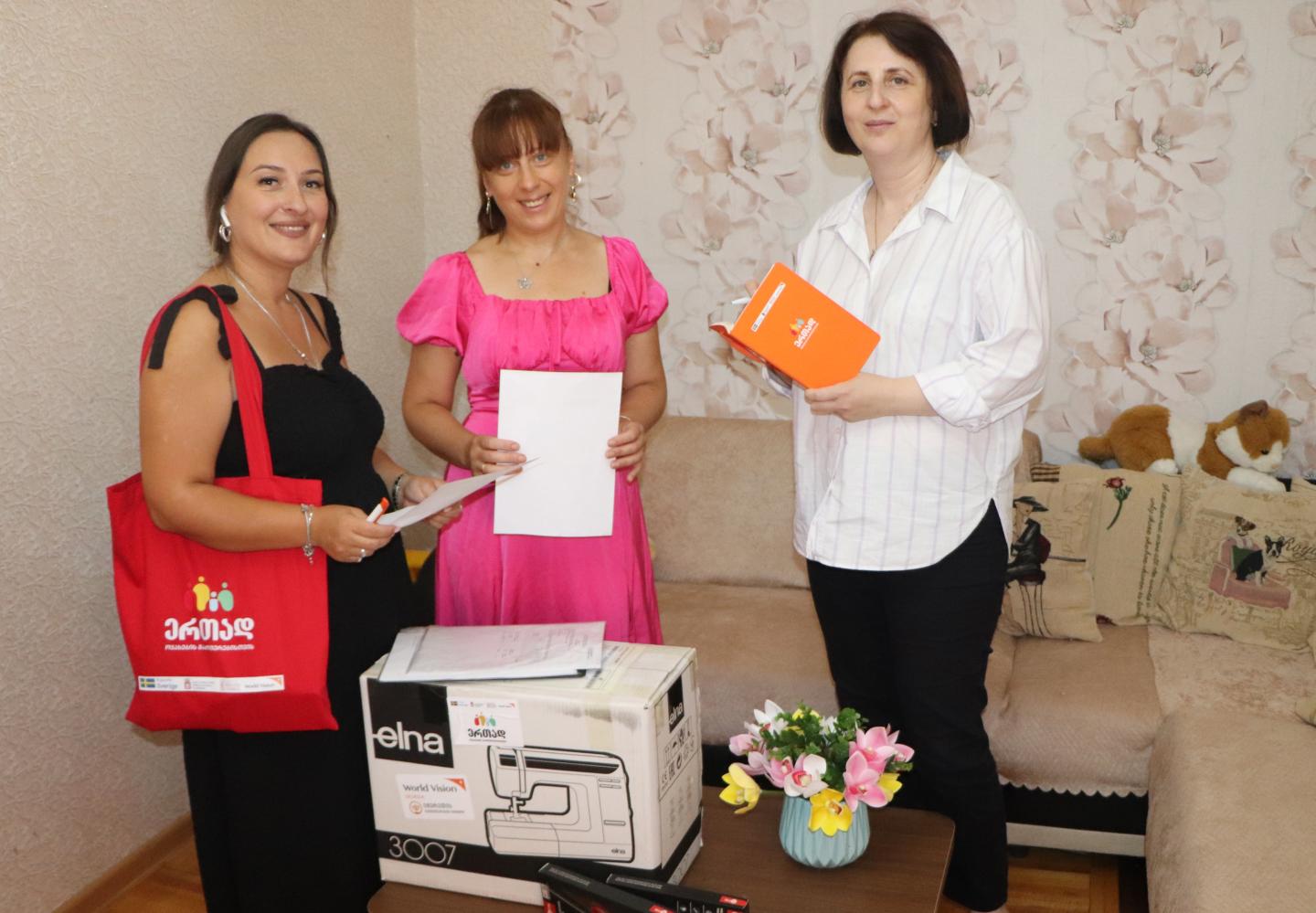
Because knitting was her greatest strength, Nana began looking for ways to combine it with sewing. Through the project’s support, she received a sewing machine, essential equipment and materials, and funding to attend sewing courses.
Through research, experimentation, and determination, she eventually created a unique product: hand-knitted and sewn Moses Baskets.
The journey was far from easy. There were mistakes, sleepless nights, and many occasions when she had to unravel and remake her work from scratch. But persistence paid off.
Today, every basket Nana creates is custom-made and tailored to the customer’s preferences and needs. Demand has grown so much that she receives orders from across Georgia and rarely has free time.
“After I put my children to bed, I sit down and start sewing so that I can complete every order on time,” she says. “I make around 30 baskets per month, although there have been times when I sewed six baskets in a single day because a customer’s baby arrived earlier than expected.”
She believes her work serves an important purpose for families welcoming a newborn, which motivates her to ensure every customer receives a high-quality product.
The entrepreneur now runs her own brand, Nanka’s Handmade. Young people from a World Vision Youth Club helped her establish a social media presence and shared practical digital media skills.
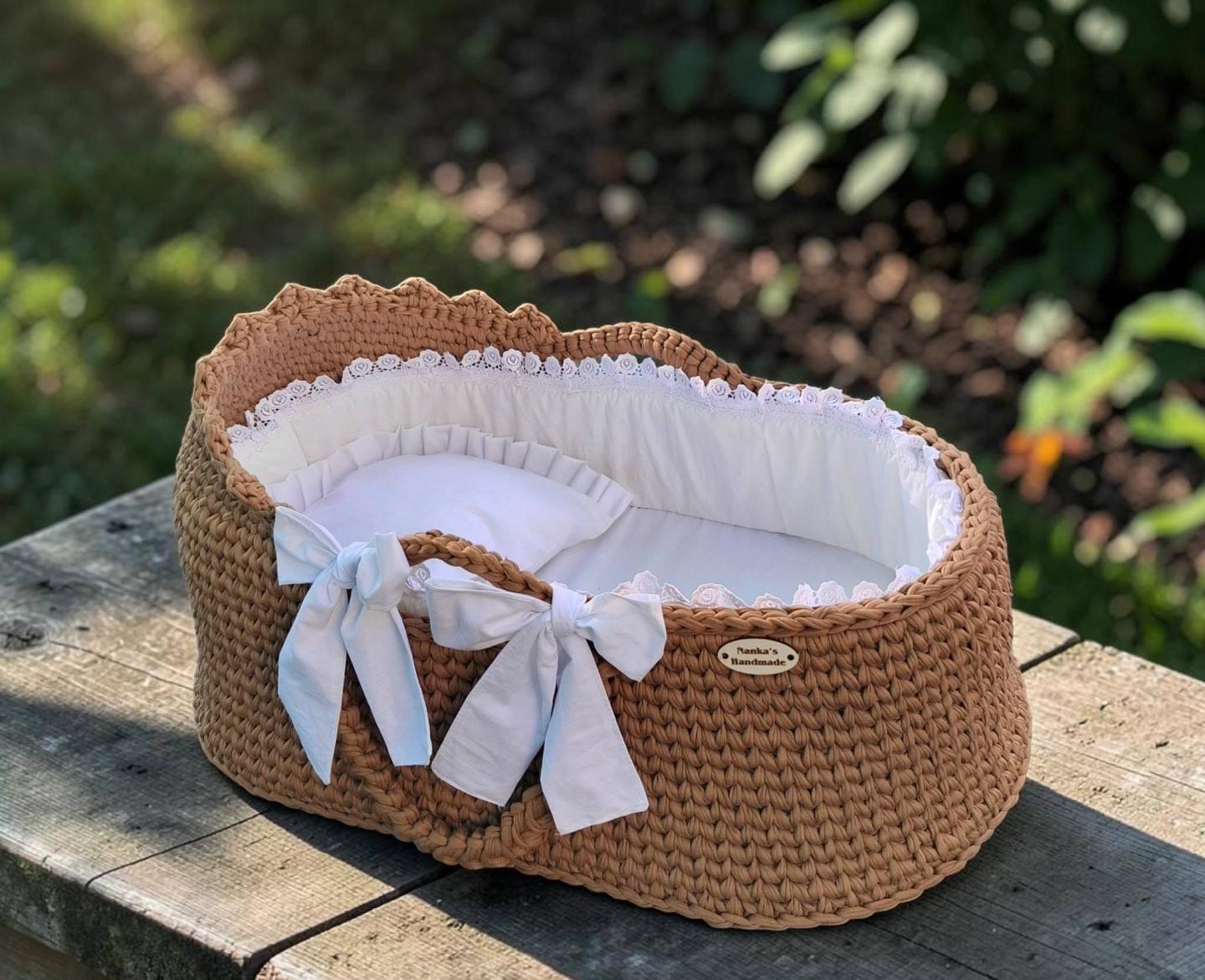
Nana manages her own platforms and photographs her products herself. Her handmade creations have also found customers beyond Georgia’s borders, with orders shipped to Italy, Germany, and the United States.
Comprehensive Support and Continuous Development
Economic empowerment was only one part of Nana’s journey. Alongside livelihood support, she received social and psychological assistance and access to learning opportunities.
During the first phase of the project, she received hygiene kits and regular information about available free services in the country and training programmes.
She actively participated in partner initiatives and completed courses in business management, financial literacy, and positive parenting.
Nana also strengthened her understanding of gender equality and became more aware of her rights, helping her grow more confident and assertive in both her personal and professional life.
Family as the Greatest Inspiration
Nana’s success has transformed her family’s daily life. Her four children—aged 5, 11, 12, and 15—are her greatest supporters and source of motivation. Increased financial stability has enabled her to enrol them in extracurricular activities and educational programmes.
“My children see how hard I work and help with small household tasks when I am busy and have many orders,” she says. “They know that they have a strong mother beside them who can solve any problem, whether financial or related to everyday life.”
Her eldest son actively participates in World Vision’s Youth Club activities, where he develops important life and career skills. He has also successfully enrolled in a cadet school, where he will pursue his dream profession.
Nana’s story demonstrates how it is possible to rebuild one’s life and achieve success even in the most difficult circumstances.
Her message to other women is simple: work hard, believe in yourself, and refuse to accept the role of a victim.
“Never lose yourself,” she says. “Once you truly believe in your own abilities, the world around you begins to respond accordingly.”
Household Empowerment Consultant Ana Papinashvili who has been working with her is equally proud of Nana’s achievements and the progress they have witnessed together.
“This project is unique because it combines social, psychological, and economic support,” she says. “When resources are provided in the right way, they lead to real results and create opportunities for families to succeed and realise their potential.”
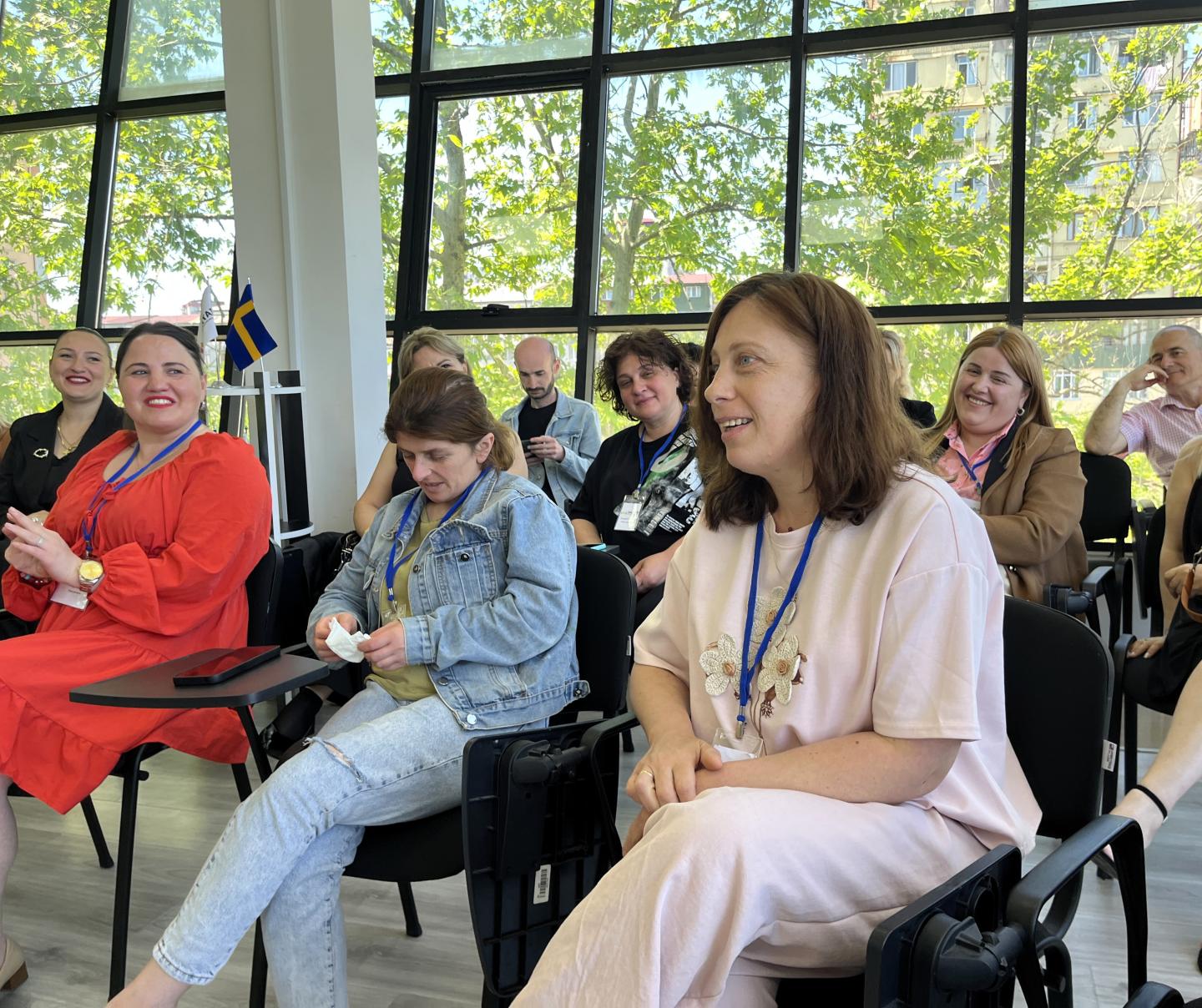
For Ana, the project has also been a valuable professional experience. Through training and capacity-building opportunities, consultants strengthened their skills and knowledge, enabling them to provide more effective and higher-quality support to families.
The ERTAD project aims to strengthen families through social support, life skills development, and economic empowerment, helping them build sustainable livelihoods and break the cycle of poverty. Through the Ultra-Poor Graduation (UPG) Model, the project supports 780 of the most vulnerable households on their journey toward self-reliance, resilience, and sustainable well-being. The project is implemented by World Vision Georgia with the generous support of Sweden.