
From the Ground Up: How RaySat Brings Precision to Syrian Farmers

Written By: Soha Alshawabkeh
Across Syria’s fragile agricultural regions, smallholder farmers have long relied on instinct to decide when and how much to irrigate. Without precise tools, the consequences are significant: water is wasted, energy costs rise, crop yields decline, and communities become increasingly vulnerable to drought and climate change.
At the same time, freshwater resources are being increasingly depleted by inefficient irrigation practices, drought, and climate pressures, while farmers often lack simple, locally adapted tools to manage water more precisely.
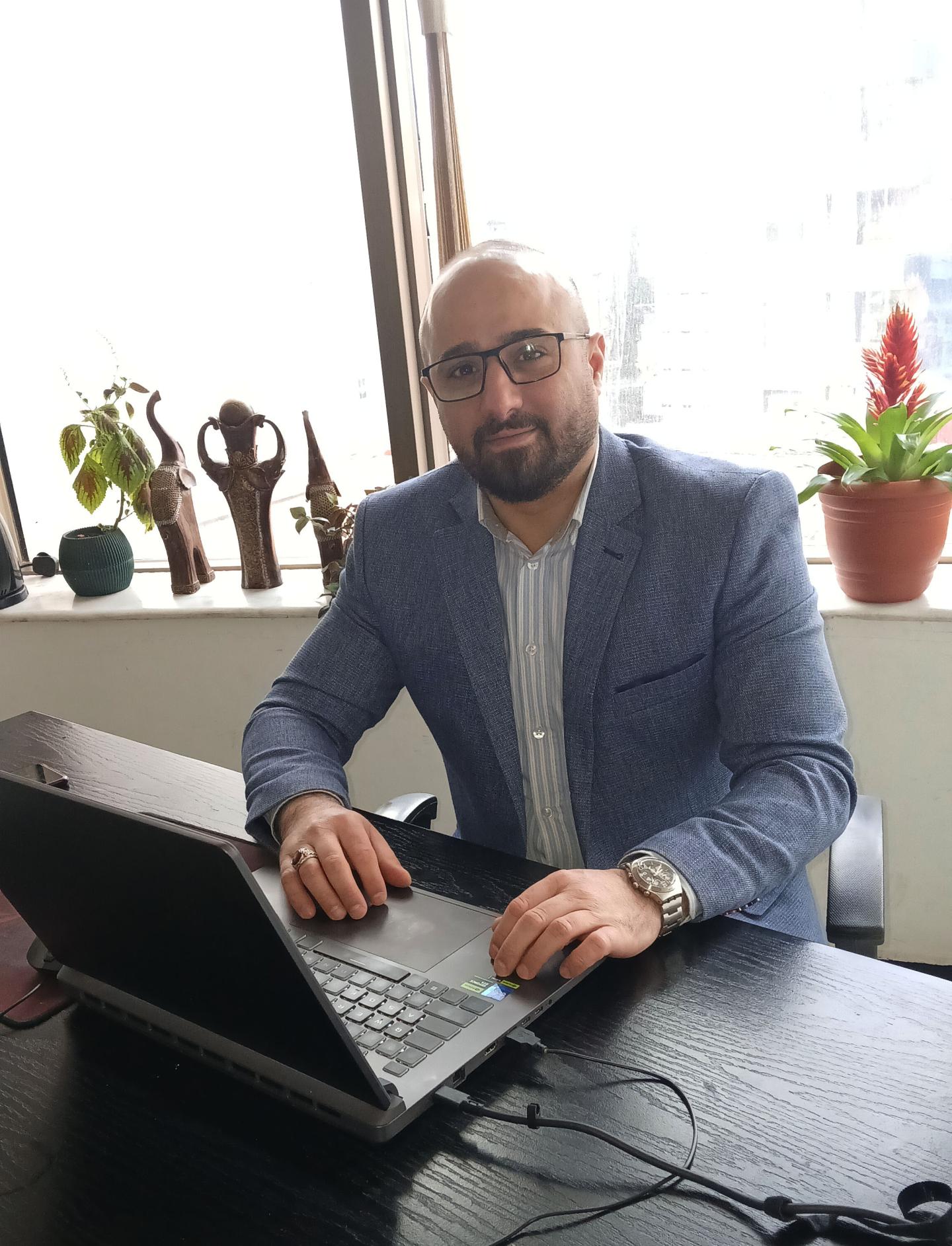
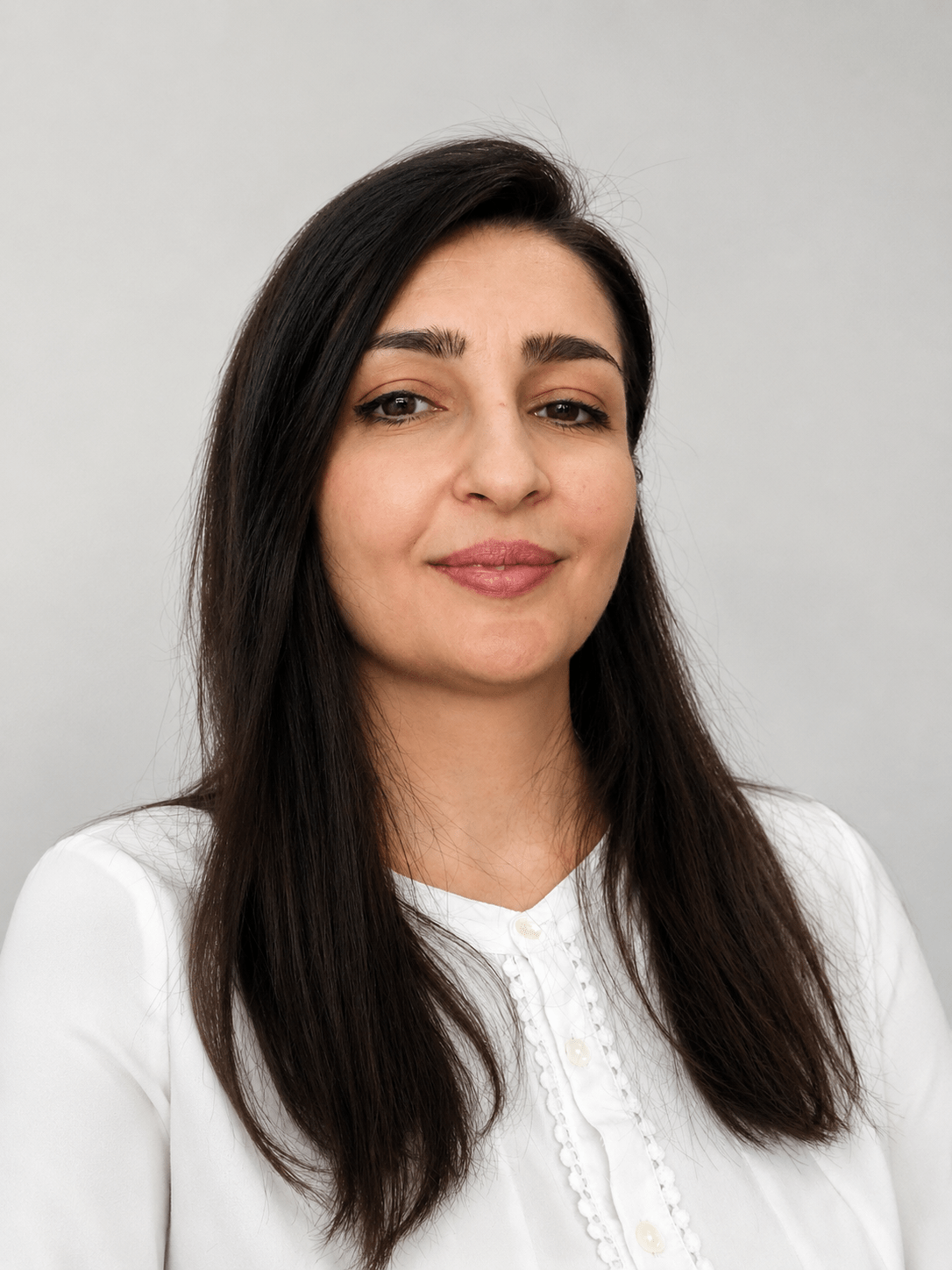
Motivated by these realities, Manar Jamal and Kinan Naeem set out to find a solution. Through years of fieldwork and direct engagement with farmers, they observed that the real challenge was not only water scarcity, but the absence of simple, locally adapted technologies.
After more than eight years of research, this insight led to the creation of RaySat.
Building the solution
RaySat began with a database of irrigation needs, then evolved into a digital platform that translates complex satellite imagery into practical, easy-to-read irrigation recommendations and early warning insights — designed to work even in areas with limited internet connectivity.
A minimum viable product was developed and tested on farms inside Syria, and the early results were clear.
37.7% - Water saved (wheat, Jazira)
34.8% - Water saved (cotton, north Syria)
15–20% - Crop yield increase
10,000+ users reached to date
One powerful example comes from the plains of Al-Hasakah, where an elderly farmer used RaySat for the first time. By relying on data instead of habit, he achieved 20% higher yields while using 30% less water than neighbouring farmers—demonstrating the real impact of accessible, data-driven solutions.
'Made By Syrians' made the difference
With the support of World Vision Syria Response, RaySat joined Made By Syrians. This initative seeks to amplify innovative ideas and projects made by Syrians, for Syrians, and to connect them with global decision-makers, donors, and innovation agencies. The initiative is part of the Syria Response Innovation Lab: a collaborative effort led by five organisations, including World Vision Syria Response.
The RaySat team wasn't just looking for funding, they were looking for direction. The initiative delivered on both. Practical equipment, including laptops, enabled higher-quality technical analysis.
What the team valued most was the mentorship: structured conversations with the initiative's team helped them clarify priorities, sharpen their presentation, and see their project with fresh eyes.
"The real value," they reflect, "was that it gave us a simpler, more practical perspective on how to present the project in a better and more focused way."
The initiative also gave something harder to quantify: the confidence that a locally-rooted idea can receive real attention and real support. For a team working in one of the world's most challenging humanitarian contexts, that mattered enormously.
RaySat founders Manar Jamal & Kinan Naeem had a message for others that wanted to use innovation to support their community:
“Start immediately with what you have in your hands, and do not wait for perfect conditions. The idea alone is not enough, it’s the insistence on testing it, developing it, and presenting it to people that transforms it into a real project.”
Today, the RaySat team is collaborating with field partners across Syria to validate its AI-powered agricultural platform, achieving promising results in climate-adaptive water management, while expanding its vision toward scalable solutions for water-scarce communities worldwide.
Jamal and Naeem also wanted to send a message specifically to all Syrian Innovators:
“Recognise the importance of the problem you are solving, communicate it clearly, seek support, and never give up.”
What comes next
RaySat is currently completing field validation across multiple crops and regions inside Syria, while integrating artificial intelligence and automation into the platform — without sacrificing the simplicity that makes it usable in low-connectivity environments. The team's vision reaches beyond Syria: a scalable tool for climate-adaptive agriculture wherever water scarcity threatens communities and crops.
To take that next step, they are seeking funders, field collaborators, and partner organisations who believe — as they do — that the right solution, built by the right people, in the right place, can change everything.
More information about RaySat can be found in this video.