
Rebirth in a Garden: Seeds and skills restore income and dignity in Viard

Viard, Northern Haiti — After losing the strength to continue the laundry work that sustained her family, 58‑year‑old Yolette rebuilt her livelihood through World Vision’s Jaden Lakou initiative—turning a packet of spinach seeds into steady income, food on the table, and renewed pride.
From lost income to renewed resolve
For years, Yolette’s hands washed “mountains of laundry” to care for her three children. When exhaustion and weariness forced her to stop, the family’s only income vanished. Hunger and uncertainty loomed. “Hope seemed to have faded,” she says, but she did not give up.
Enrolled in Jaden Lakou in Viard, Yolette received seeds and practical support tailored to families who can cultivate a small plot at home or nearby. Already growing bananas, sweet potatoes, and cassava, she added spinach—a modest addition that became a turning point.
Seeds, training, and a pathway to market
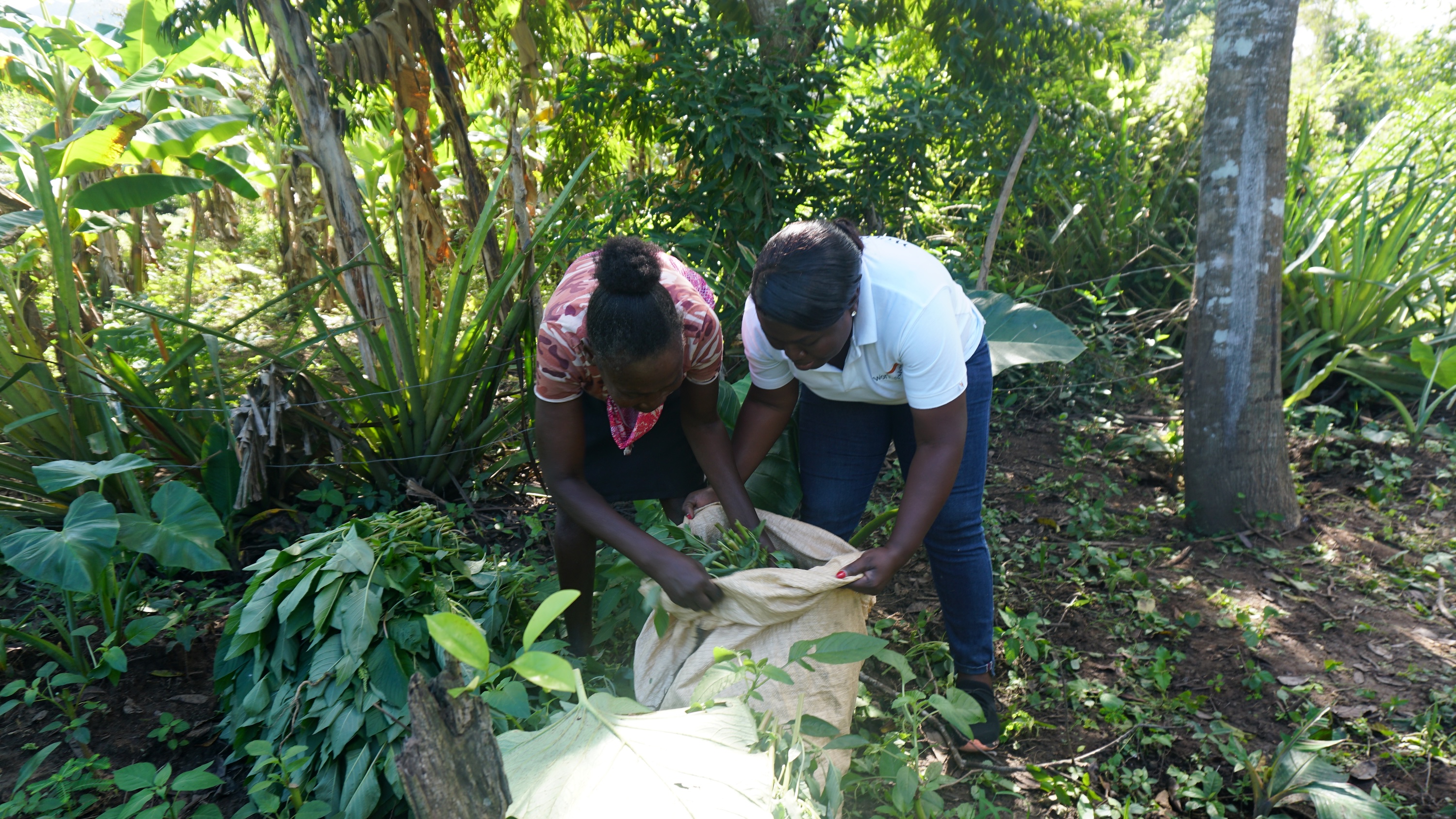
With care, she prepared the soil, sowed, and tended her plot. The first green shoots felt like a sign. “Seeing those first leaves was like watching my own hope break through the soil,” she says. As the spinach matured, the garden shifted from subsistence to a livelihood. Harvests were bundled and taken to the Limonade market, where regular sales began to stabilise her income.
Each market day brought tangible gains—ingredients for meals, essentials for her children, and a growing sense of control over tomorrow.
Knowledge that multiplies the harvest
The most transformative “seed,” however, was knowledge. Alongside inputs, Yolette learned how to select, dry, and preserve her own seeds—breaking the cycle of dependency and reducing costs between planting seasons. What looks like a simple, ancestral practice has become her strongest safeguard against shocks.
“I did not only cultivate vegetables; I learned to cultivate continuity,” she says. “From one harvest to the next, I can start again.”
Small trade expands the safety net
Support from World Vision also helped Yolette start a small trade, selling other agri‑food items within her community. The additional income stream widened her economic horizon and created new social connections—another layer of resilience when prices or weather fluctuate.
Her daily rhythm is now anchored by the garden: sowing, cultivating, harvesting, and reinvesting. “These hands, which seemed worn to the bone, were in fact ready to sow the future,” she reflects.
Savings and solidarity strengthen resilience
Community solidarity sits at the heart of her progress. Yolette participates in a mutual aid group in which each woman contributes 500 gourdes, creating a shared cushion for emergencies and small investments. The savings circle reinforces trust, confidence, and the habit of planning ahead—key ingredients for long‑term stability.
A virtuous cycle for families and communities
The spinach plot now provides reliable food and income, but its impact reaches further—restoring dignity, reducing daily stress, and modelling what’s possible for neighbours facing similar struggles. What began with a few packets of seeds has become a virtuous cycle: better nutrition, steady sales, and knowledge that multiplies over time.
“I’m starting anew,” Yolette says, looking over neat rows of green. “My garden is more than vegetables—it’s proof that hope can grow again.”
About Jaden Lakou
World Vision’s Jaden Lakou approach supports vulnerable households with the inputs and skills to cultivate small, productive home gardens—linking families to local markets, encouraging seed saving, and strengthening resilience through savings and solidarity groups.